The kitchen is a high-stakes laboratory where the difference between a culinary triumph and a rubbery catastrophe is measured in seconds. We are not just making breakfast; we are managing a rapid-phase transition of liquid proteins into a delicate, pillowy suspension. The 5 Minute Egg Scramble is the ultimate stress test for your culinary infrastructure. You have three hundred seconds to achieve the perfect curd size while managing thermal carryover. Forget the slow-motion French methods that take twenty minutes of meditative stirring. We are looking for high-velocity, high-impact results that deliver a piquant punch to the palate before the first cup of coffee has even cooled. This is about precision heat management and the mechanical aeration of albumin. If your current morning routine involves scraping scorched sulfur off a cast-iron pan, your system is failing. It is time to audit your process, recalibrate your burners, and execute a scramble that respects the molecular integrity of the egg.
THE DATA MATRIX
| Metric | Specification |
|---|---|
| Prep Time | 2 Minutes |
| Execution Time | 3 Minutes |
| Yield | 1 Serving |
| Complexity (1-10) | 4 |
| Estimated Cost per Serving | $1.15 |
THE GATHERS
Ingredient Protocol:
- 3 Large Eggs (approx. 150ml / 0.6 cups)
- Unsalted Butter (14g / 1 tbsp)
- Heavy Cream or Whole Milk (15ml / 1 tbsp)
- Fine Sea Salt (1.5g / 0.25 tsp)
- Fresh Chives, finely minced (5g / 1 tbsp)
- Freshly Cracked Black Pepper (to taste)
Section A: Ingredient Quality Audit:
The primary failure point in any 5 Minute Egg Scramble is the age of the raw material. As eggs age, the chalazae weaken and the thick albumin thins into a watery mess. If your eggs spread out like a puddle in the pan, they lack the structural proteins required for a lofty rise. To fix this, use a fine-mesh sieve to drain off the watery "thin white" before whisking. Furthermore, never use pre-salted butter; it introduces an uncontrolled sodium variable that can break down the protein strands prematurely, leading to a weeping, syrupy texture known as syneresis. If your cream is turning sour, the lactic acid will curdle the eggs instantly upon contact with heat. Always perform a sensory check on your fats before they hit the pan.
THE MASTERCLASS
1. Mechanical Aeration and Emulsification
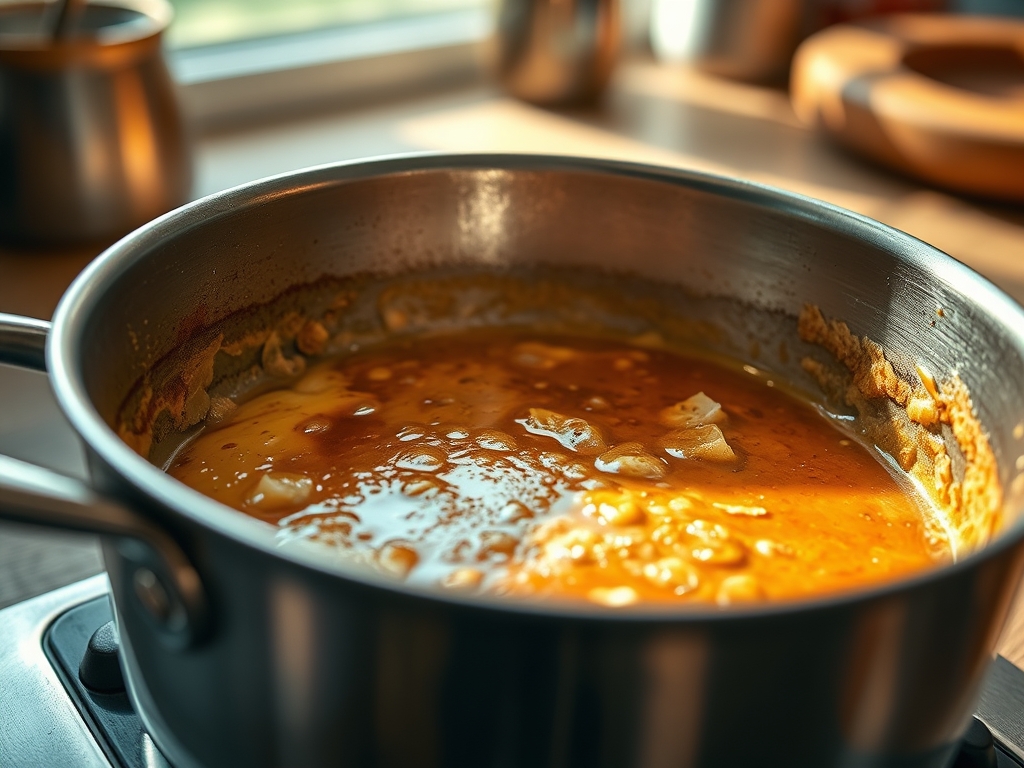
Crack your eggs into a stainless steel mixing bowl and add your liquid dairy. Use a balloon whisk or a high-speed immersion blender to aerate the mixture until no streaks of yolk remain. You are looking for a uniform, pale yellow suspension.
Pro Tip: Use a digital scale to measure your dairy. Precise ratios ensure that the fat molecules properly coat the egg proteins, which prevents them from bonding too tightly and becoming tough.
2. Thermal Priming of the Saucier
Place a non-stick saucier or a heavy-bottomed skillet over medium-high heat. Drop the butter into the center. You are waiting for the "sizzle phase" where the water in the butter evaporates and the solids begin to lightly render and foam.
Pro Tip: Do not let the butter reach the Maillard reaction stage of browning unless you want a nutty, toasted profile. For a classic scramble, you want the butter to be foaming but still pale.
3. The High-Velocity Agitation
Pour the egg mixture into the center of the pan. Immediately use a silicone spatula or a bench scraper to move the eggs from the edges toward the center. This creates large, soft folds rather than tiny, dry pebbles.
Pro Tip: Constant movement is the key to low-latency cooking. By moving the cooked curds away from the heat source, you allow the liquid egg to make contact with the hot surface, ensuring a rapid setting of the albumin.
4. Managing Thermal Carryover
Remove the pan from the heat when the eggs look 80 percent cooked. They should still appear slightly viscous and wet. The residual heat of the pan and the eggs themselves will finish the cooking process on the plate.
Pro Tip: This is the most common failure in the 5 Minute Egg Scramble. If they look done in the pan, they will be overcooked and dry by the time they reach your mouth. Trust the science of carryover cooking.
Section B: Prep & Timing Fault-Lines:
Human error usually manifests in the "wait time" between whisking and cooking. If you salt your eggs and then walk away to find the toaster, the salt will begin to denature the proteins, resulting in a translucent, gummy texture. Your mise en place must be fully staged. If you are hunting for a spatula while the butter is smoking, you have already lost the audit. Ensure your plates are warmed; a cold ceramic surface will cause the delicate fats in the scramble to congeal instantly, ruining the mouthfeel.
THE VISUAL SPECTRUM
Section C: Thermal & Visual Troubleshooting:
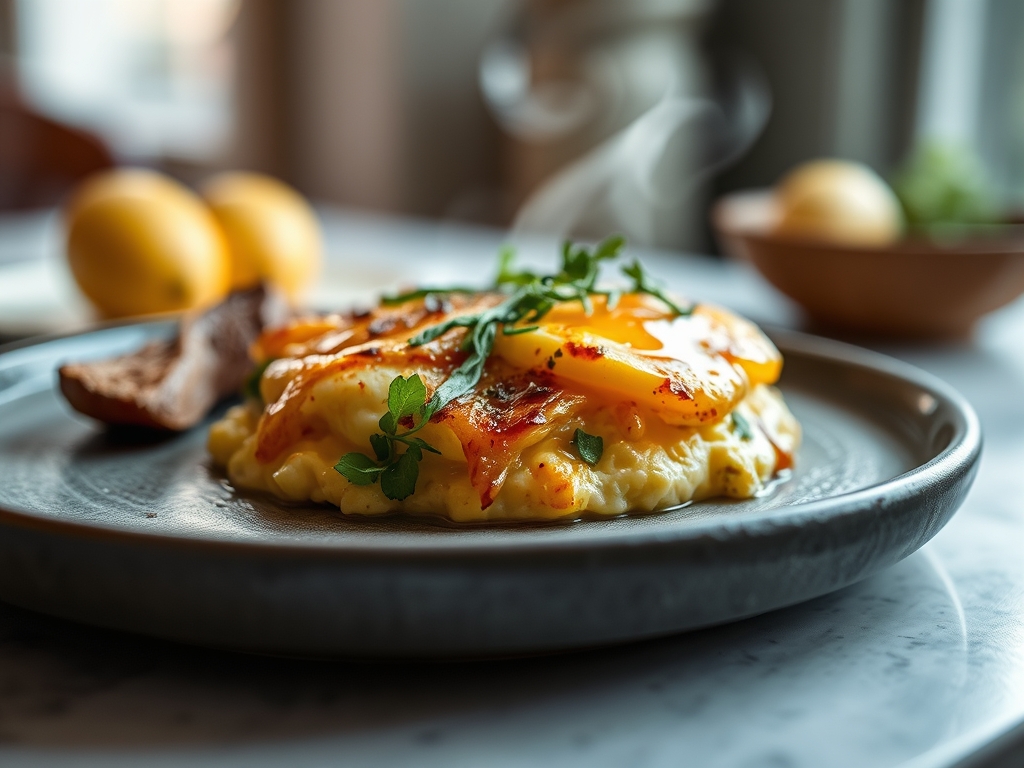
Look at the Masterclass photo above. Notice the "soft-scramble" sheen; that is the result of proper fat emulsification. If your eggs appear dull or matte, you have overcooked them and driven out the moisture. If you see brown spots or "lace" edges, your pan temperature was too high, causing the proteins to undergo a rapid, scorched transition. To fix uneven coloring, ensure your whisking was thorough. White streaks indicate unmixed albumin which cooks at a different temperature than the yolk. If the texture is "weeping" water onto the plate, you either salted too early or used a low-fat dairy substitute that couldn't hold the emulsion under heat.
THE DEEP DIVE
Macro Nutrition Profile
A standard three-egg scramble provides approximately 21g of high-biological-value protein. By utilizing heavy cream and butter, you increase the lipid profile, which slows gastric emptying and provides sustained energy. Total caloric density per serving is roughly 320 calories, depending on the precision of your fat measurements.
Dietary Swaps (Vegan/Keto/GF)
For a Keto-compliant version, maintain the heavy cream but consider adding a tablespoon of MCT oil for increased ketone production. For a vegan alternative, use a mung-bean-based liquid isolate. To maintain the "5 Minute" speed, ensure the vegan isolate is shaken vigorously to infuse air before hitting the pan. This recipe is naturally gluten-free; however, ensure your spices are not bulked with flour-based anti-caking agents.
Meal Prep & Reheating Science
Reheating eggs is a molecular minefield. To maintain the structure, reheat at 50 percent power in a microwave to avoid "explosive" steam pockets that toughen the curds. Ideally, undercook the eggs slightly if you plan to reheat them, allowing the second thermal application to bring them to the final set point.
THE KITCHEN TABLE
Why are my eggs watery on the plate?
This is syneresis. You likely overcooked the proteins, causing them to tighten and squeeze out the moisture. Alternatively, you salted the eggs too far in advance. Salt the eggs immediately before they hit the pan or after cooking.
Can I use a cast iron pan?
It is not recommended for a 5 Minute Egg Scramble. Cast iron has too much thermal mass, making it difficult to cut the heat quickly. A high-quality non-stick pan or a stainless steel saucier offers the agility required for this dish.
What is the best way to clean the pan?
If you executed the audit correctly, the pan should be nearly clean. Use a soft sponge and warm soapy water. Never use abrasives on non-stick surfaces, as micro-scratches will cause the eggs to stick and tear during the next execution.
Why add cream instead of water?
Water turns to steam, which can help with lift but does nothing for texture. Cream provides fat molecules that wedge themselves between protein strands, preventing them from over-bonding. This results in a much creamier, more luxurious curd.