The morning is a high stakes theater of efficiency where the difference between a cognitive powerhouse and a mid-morning slump is decided by the molecular density of your breakfast. We are not just making a snack; we are engineering a bio-available delivery system for essential fatty acids and complex carbohydrates. Enter the Quick Avocado Toast. This is the gold standard of culinary infrastructure. It is a dish that demands respect for its simplicity while rewarding the technician who understands the interplay of lipid richness and fibrous crunch. Imagine the sound of a serrated blade breaching a perfectly charred crust; the interior is still soft, yielding to a spread of avocado that has been whipped into a viscous, emerald silk. The air carries the piquant scent of crushed red pepper and the sharp, metallic tang of finishing salt. We are building a foundation of sustained energy that bypasses the insulin spike of sugary cereals. This is your operational blueprint for a five minute masterpiece that fuels the focused mind.
THE DATA MATRIX
| Metric | Specification |
|---|---|
| Prep Time | 2 Minutes |
| Execution Time | 3 Minutes |
| Yield | 1 Serving |
| Complexity (1-10) | 2 |
| Estimated Cost per Serving | $2.75 |
THE GATHERS
Ingredient Protocol:
- 2 Slices / 80g High-quality Sourdough or Multigrain Bread
- 1 Large / 200g Ripe Hass Avocado
- 15ml / 1 tbsp Extra Virgin Olive Oil (Cold-pressed)
- 5ml / 1 tsp Fresh Lemon Juice
- 2g / 0.5 tsp Flaky Sea Salt (Maldon or similar)
- 1g / 0.25 tsp Red Pepper Flakes
- 5g / 1 tsp Microgreens or Fresh Cilantro (Optional garnish)
Section A: Ingredient Quality Audit:
The primary failure point in Quick Avocado Toast is the ripeness coefficient of the fruit. If your avocado feels like a baseball, it lacks the necessary lipids to create a viscous emulsion. To fix this in a pinch, you can grate the hard fruit with a microplane and whisk it with a teaspoon of warm water to artificially aerate the flesh. Conversely, if the fruit is overripe and showing grey oxidation, the flavor profile will be metallic. Counteract this by increasing the lemon juice volume; the citric acid acts as a brightener that masks the off-notes of minor oxidation. If your bread is stale, do not discard it. Lightly spritz the crust with water before toasting to rehydrate the starch molecules, allowing them to gelatinize again under heat.
THE MASTERCLASS
1. Thermal Activation of the Substrate
Place your bread slices into a high-wattage toaster or under a broiler. You are looking for the Maillard reaction to occur on the surface while maintaining a hydrated, pillowy interior. Use a bench scraper to clear any stray crumbs from your workstation while you wait.
Pro Tip: The science here is "starch retrogradation." By applying high heat quickly, you crisp the outer layer into a structural lattice that can support the weight of the fats without becoming soggy.
2. Lipid Extraction and Emulsification
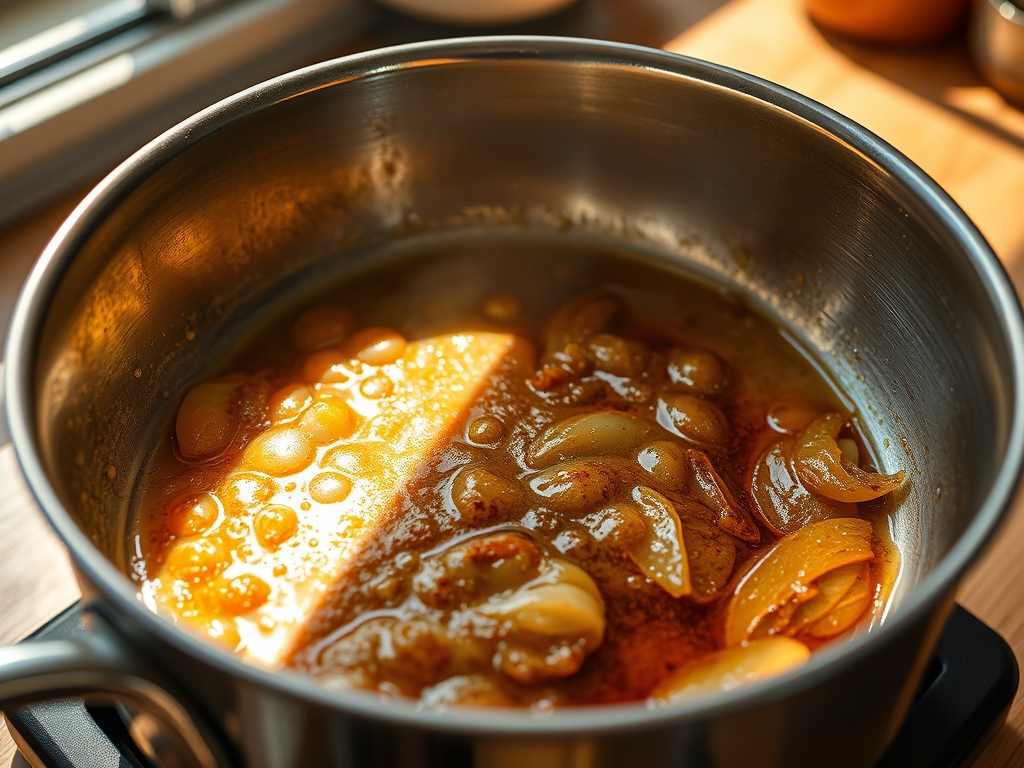
While the bread toasts, halve the avocado and remove the pit. Scoop the flesh into a small stainless steel saucier or bowl. Use a fork or a stiff whisk to mash the fruit until it reaches your desired consistency. Add the lemon juice and olive oil during this phase.
Pro Tip: Adding the olive oil during the mash helps to infuse the avocado with additional monounsaturated fats, creating a smoother mouthfeel. The lemon juice prevents enzymatic browning by lowering the pH level of the mixture.
3. Precision Application
Once the toast emerges, use a digital scale to ensure even distribution of the avocado mash if you are tracking macros. Spread the mixture from edge to edge, ensuring the "crust-to-fat" ratio is consistent across the entire surface area.
Pro Tip: Spreading the fat while the bread is still radiating heat allows a small amount of the lipid to render into the top layer of the toast, creating a flavor bridge between the two components.
4. Final Seasoning Calibration
Sprinkle the flaky salt and red pepper flakes from a height of at least twelve inches. This ensures a statistically even distribution of flavor across the topography of the toast. Finish with a final drizzle of olive oil to add a glossy sheen.
Pro Tip: High-altitude seasoning prevents "salt clustering," which can overwhelm the palate. The red pepper flakes provide a piquant counterpoint to the heavy fats of the avocado.
Section B: Prep & Timing Fault-Lines:
The most common human error is the "Cold Shock" effect. If you apply refrigerated avocado to piping hot toast, the temperature differential can cause the bread to steam from the inside out, ruining the crunch. Allow the toast to "off-gas" for exactly fifteen seconds on a wire rack before application. This preserves the structural integrity of the crust. If you find your timing is off and the toast cools too much, do not re-toast it; the double-exposure to heat will turn the bread into a desiccated husk. Instead, use a kitchen torch to lightly singe the surface before adding the toppings.
THE VISUAL SPECTRUM
Section C: Thermal & Visual Troubleshooting:
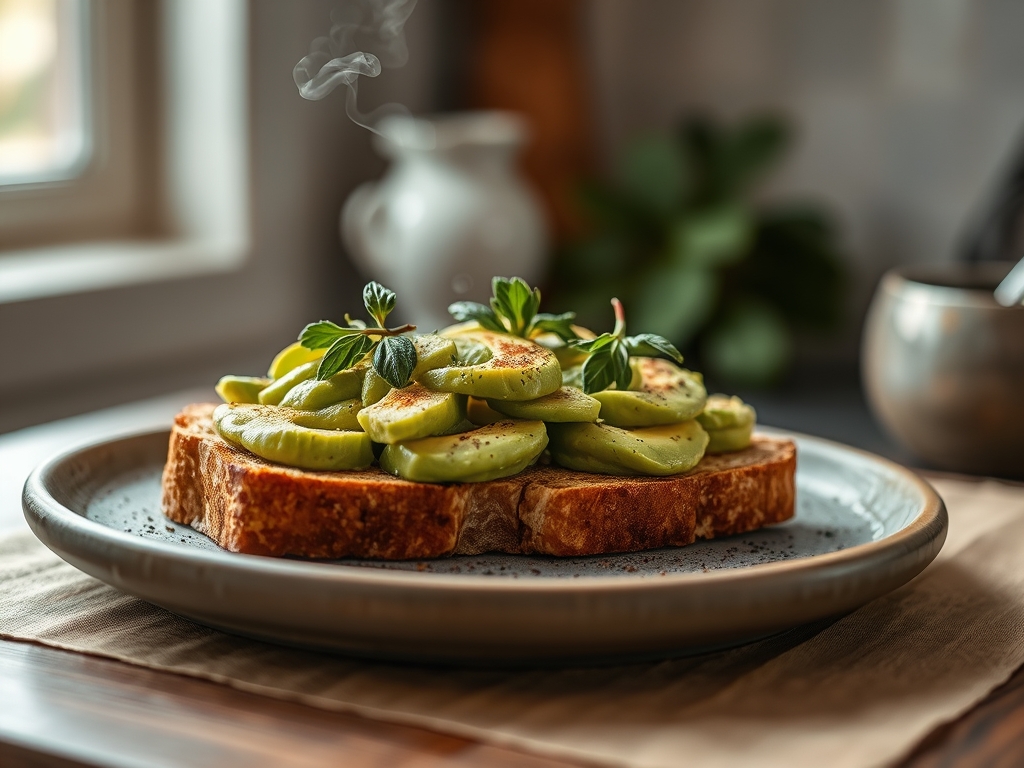
In the reference photo above, notice the vibrant, neon-green hue of the avocado. If your toast looks dull or olive-drab, you have likely under-acidified the mixture or allowed it to sit too long before serving. The browning on the bread should be a deep mahogany, not a pale tan; pale bread indicates a lack of sugar caramelization and will result in a flaccid texture. If you see "beading" on the surface of the avocado, your emulsion has broken. This usually happens if the olive oil was added too quickly. To fix this, use a small spoon to vigorously stir the top layer, re-incorporating the fats into the fruit fibers. The visual goal is a matte finish with occasional highlights from the salt crystals.
THE DEEP DIVE
Macro Nutrition Profile:
A standard serving of this infrastructure provides approximately 340 calories. This breaks down into 22g of healthy fats, 35g of complex carbohydrates, and 8g of fiber. The high fiber content ensures a slow glucose release, which is the secret to the "Focus Oriented" aspect of this meal.
Dietary Swaps:
- Vegan: Naturally compliant. Ensure the bread does not contain honey or milk solids.
- Keto: Replace the sourdough with a slice of toasted halloumi cheese or a specialized almond-flour "cloud bread."
- GF: Utilize a high-density gluten-free loaf; these often require a longer toast time to achieve the same structural rigidity as wheat.
Meal Prep & Reheating Science:
Avocado toast is a "live" dish that does not reheat well due to the delicate nature of the avocado's molecular structure. Heat causes the fats in the avocado to turn bitter. If you must prep ahead, store the avocado mash in an airtight container with a layer of olive oil on top to create a vacuum seal against oxygen. Toast the bread fresh at the moment of consumption.
THE KITCHEN TABLE
Why is my avocado toast always soggy?
You are likely applying the mash to the toast while it is still steaming. Use a wire rack for fifteen seconds to allow moisture to escape the bread before you add the heavy lipids.
Can I use lime instead of lemon?
Absolutely. Lime provides a more tropical, sharp acidity that works well if you are adding cilantro. It performs the same chemical function of preventing oxidation and brightening the heavy fats.
What is the best bread for this?
A fermented sourdough is superior. The lactic acid in the bread complements the richness of the avocado, and the sturdy crust provides the necessary mechanical resistance for a satisfying "crunch" factor.
How do I keep the avocado from turning brown?
Citric acid is your primary defense. Ensure the lemon juice is thoroughly integrated. For extra protection, place the avocado pit in the bowl with the leftovers; it reduces the surface area exposed to oxygen.