Listen up, kitchen architects and protein engineers. We are not just rolling a tortilla; we are constructing a high-performance delivery vehicle for plant-based fuel. The Quick Hummus Wrap is the ultimate low-latency meal. It is designed for those who demand peak nutritional efficiency without sacrificing the sensory data of a gourmet experience. Imagine the friction between a crisp, toasted exterior and the viscous interior of whipped chickpeas. We are talking about a piquant explosion of lemon and garlic that hits the palate with zero lag time. This is the infrastructure of modern eating. Most people treat a wrap like a landfill for leftovers, but we are treating it like a precision-engineered chassis. Every layer must be optimized for structural integrity and flavor density. If you are tired of soggy, uninspired lunches that crash your energy levels by 3:00 PM, you are in the right place. We are about to deploy a culinary asset that is fast, scalable, and mathematically delicious. Welcome to the future of the desk lunch.
THE DATA MATRIX
| Metric | Specification |
|---|---|
| Prep Time | 8 Minutes |
| Execution Time | 4 Minutes |
| Yield | 2 Portions |
| Complexity (1-10) | 2 |
| Estimated Cost per Serving | $2.15 |
THE GATHERS
Ingredient Protocol:
- 425g / 15oz Canned Chickpeas (Drained and rinsed)
- 60ml / 0.25 cup Tahini (Premium grade, viscous consistency)
- 30ml / 2 tbsp Fresh Lemon Juice
- 2 Large Flour Tortillas (30cm / 12 inch diameter)
- 100g / 1 cup Shredded Carrots
- 50g / 1 cup Baby Spinach (Tightly packed)
- 15ml / 1 tbsp Extra Virgin Olive Oil
- 5g / 1 tsp Smoked Paprika
- 2g / 0.5 tsp Sea Salt
Section A: Ingredient Quality Audit:
Sub-par raw materials will compromise your structural integrity. If your tahini has separated into a hard brick, do not attempt to force it. Place the jar in a warm water bath to render the fats into a workable state. If your chickpeas are overly firm, a quick 60-second microwave burst with a splash of water will soften the skins to ensure you can aerate the mixture properly during the mash. Finally, if your spinach is wilted, shock it in ice water for three minutes to restore turgor pressure before assembly.
THE MASTERCLASS
1. The Hummus Synthesis
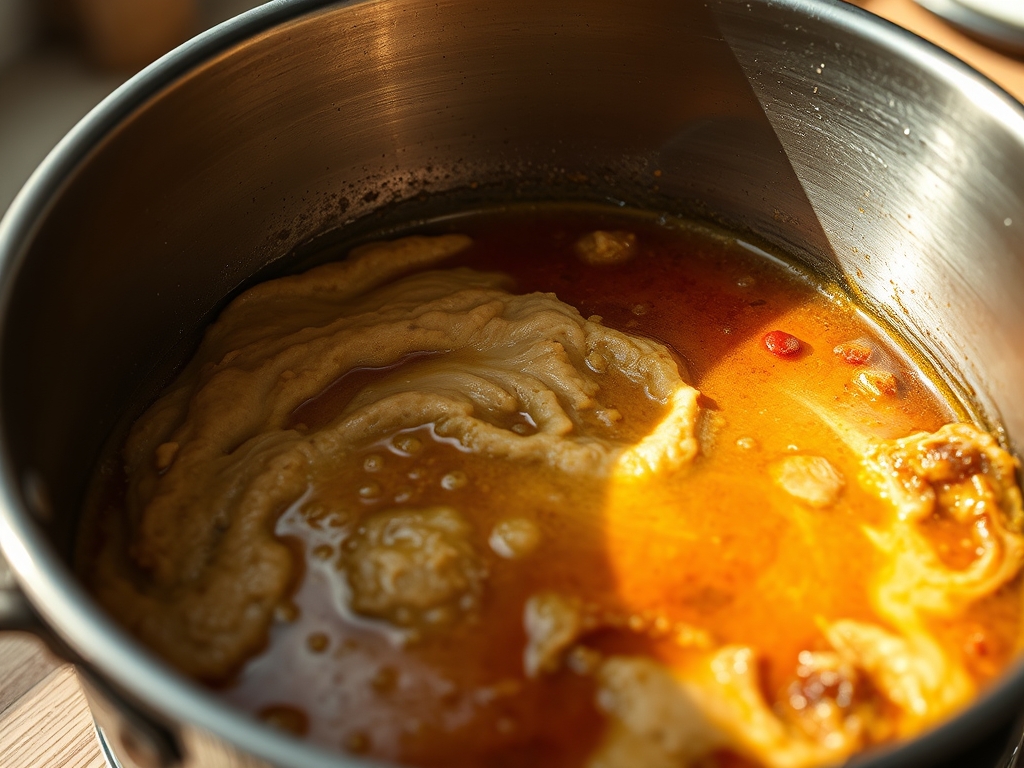
Place your chickpeas, tahini, lemon juice, and spices into a stainless steel mixing bowl. Use a heavy-duty potato masher or a fork to crush the legumes until they reach a thick, spreadable consistency.
Pro Tip: Use a digital scale to measure your tahini. Volume measurements are notoriously inaccurate for thick liquids. Proper ratios ensure the hummus remains viscous enough to act as a mortar for the vegetables rather than leaking out of the seams.
2. The Base Layer Deployment
Lay your tortilla flat on a clean workspace. Use a bench scraper or an offset spatula to spread a generous layer of the hummus across the bottom two-thirds of the wrap. Leave a 2cm margin at the edges to prevent overflow during the compression phase.
Pro Tip: Spreading the hummus first creates a moisture barrier. This prevents the vegetable juices from migrating into the flour matrix of the tortilla, which would otherwise lead to structural failure (sogginess).
3. Structural Loading
Layer your spinach and shredded carrots directly onto the hummus. The hummus acts as an adhesive. Sprinkle the olive oil over the greens to infuse them with healthy fats and enhance the mouthfeel.
Pro Tip: Use a saucier or a small spoon to drizzle the oil evenly. Uneven distribution leads to "hot spots" of fat that can cause the tortilla to tear if it becomes over-saturated in one specific area.
4. The Compression Roll
Fold the sides of the tortilla inward, then roll from the bottom up while maintaining constant tension. The goal is a tight, cylindrical package that can withstand the rigors of transport.
Pro Tip: Think of this like a tension-wrapped cable. If the roll is loose, the internal components will shift, leading to a messy consumption experience. Use your fingers to tuck the fillings back in as you rotate the chassis forward.
5. Thermal Finishing
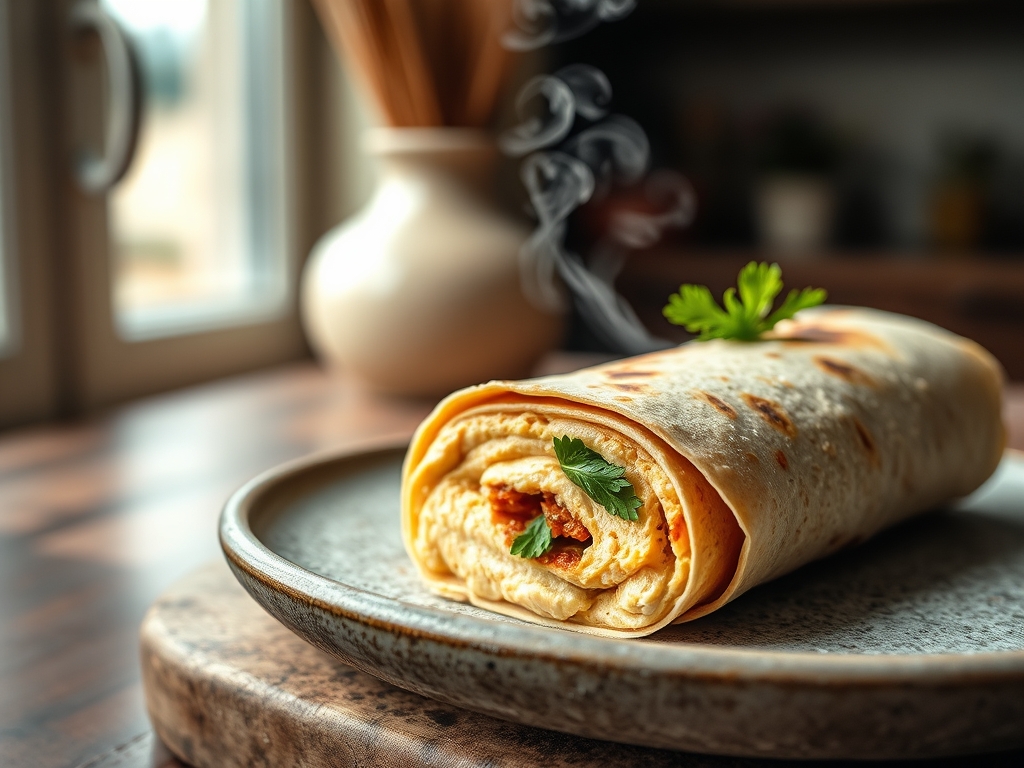
Place the wrap seam-side down in a dry skillet over medium-high heat for 60 seconds per side. This seals the wrap and creates a toasted exterior.
Pro Tip: This step utilizes the Maillard reaction to create complex flavor compounds on the flour surface. A heavy cast-iron press or another skillet can be used to apply even pressure, ensuring maximum surface contact and uniform browning.
Section B: Prep & Timing Fault-Lines:
The most common failure in a Quick Hummus Wrap is temperature mismatch. If you toast the wrap for too long, the internal greens will wilt and release excess water, destroying the texture. Aim for a high-heat, short-duration sear. If you are prepping these for later, do not toast them until you are ready to eat; the residual heat will steam the interior if placed immediately into a plastic container.
THE VISUAL SPECTRUM
Section C: Thermal & Visual Troubleshooting:
Referencing the Masterclass photo, your wrap should exhibit distinct golden-brown char marks. If your wrap looks pale and "doughy," your skillet temperature was too low. If the edges are burnt but the center is cold, your heat was too high. The interior should show clear, vibrant layers of orange and green. If the colors look dull, you likely over-processed the vegetables or used old produce. A perfect wrap has a "snap" when bitten, followed by the creamy resistance of the hummus.
THE DEEP DIVE
Macro Nutrition Profile:
This build is a powerhouse. A single serving provides approximately 450 calories, 18g of plant-based protein, 12g of fiber, and 22g of healthy fats. It is a low-glycemic index option that provides sustained glucose release, preventing the dreaded post-lunch insulin spike.
Dietary Swaps:
- Vegan: This recipe is naturally vegan. To increase protein, add 30g of hemp seeds to the hummus.
- Keto: Swap the flour tortilla for a large collard green leaf or a coconut-based wrap.
- Gluten-Free: Utilize a high-quality brown rice or almond flour tortilla. Ensure it is warmed slightly before rolling to prevent cracking.
Meal Prep & Reheating Science:
To maintain molecular structure during storage, wrap the untoasted units tightly in parchment paper followed by foil. This dual-layer approach manages moisture migration. When reheating, avoid the microwave. Use a toaster oven or air fryer at 175C (350F) for 5 minutes to re-crisp the exterior without turning the interior into a structural slurry.
THE KITCHEN TABLE
How do I stop my wrap from falling apart?
Ensure you leave a 2cm margin at the edges and roll under high tension. The "seam-side down" sear in the pan acts as a thermal weld, locking the tortilla in place so it cannot unspool during consumption.
Can I make the hummus in a food processor?
Absolutely. Using a processor will aerate the mixture, resulting in a lighter, fluffier texture. However, the manual mash method is faster for low-latency prep and requires significantly less cleanup of complex machinery.
Why is my wrap soggy after three hours?
Moisture migration is the enemy. Ensure your greens are completely dry after washing. You can also add a layer of parchment paper inside the wrap or keep the hummus in a separate container until you are ready to assemble.
What is the best way to add extra flavor?
Infuse your olive oil with chili flakes or garlic before drizzling. You can also deglaze the pan with a splash of lime juice just before removing the wrap to add a bright, acidic finish to the exterior crust.