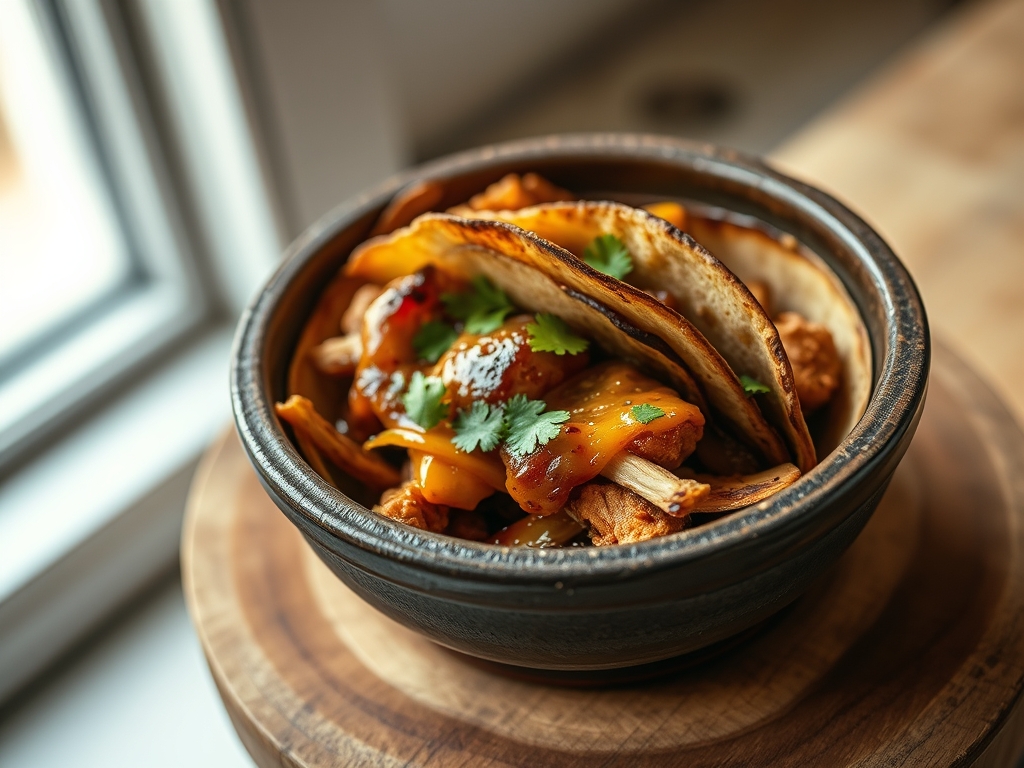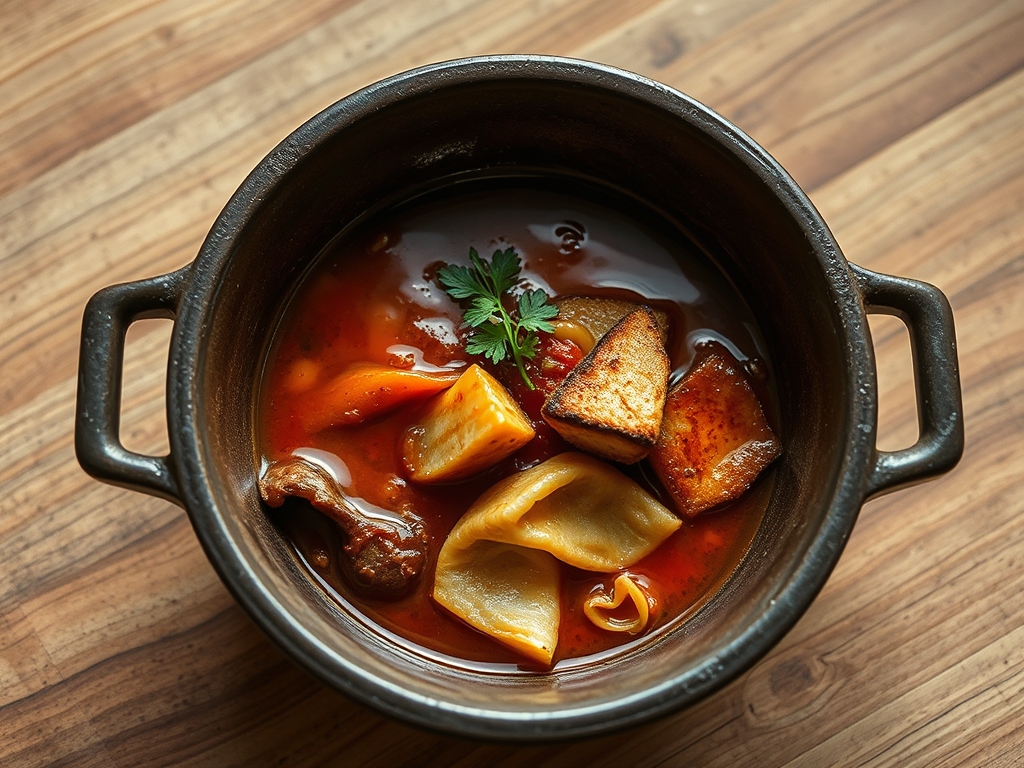
Stop thinking about side dishes as a secondary concern and start viewing them as a high-output engineering challenge. When you execute a Sheet Pan Veggie Roast, you are not just tossing fiber into a furnace; you are managing a complex thermal exchange where moisture evaporation meets sugar transformation. The kitchen air should crackle with the scent of caramelizing brassicas and the sharp, piquant sting of roasting garlic. We are looking for that specific sensory threshold where the exterior of a root vegetable undergoes a structural transition into a crisp, golden crust while the interior remains a buttery, steamed velvet. This is the architecture of efficiency. By utilizing the expansive surface area of a heavy-duty rimmed baking sheet, you turn your oven into a massive heat-transfer engine. No stirring, no hovering, and no wasted motion. This is the gold standard for high-volume nutritional density; a systematic approach to flavor that demands precision in your knife work and absolute confidence in your seasoning ratios. Let's build something delicious.
THE DATA MATRIX
| Metric | Specification |
|---|---|
| Prep Time | 15 Minutes |
| Execution Time | 30 to 40 Minutes |
| Yield | 6 Standard Servings |
| Complexity (1-10) | 3 |
| Estimated Cost per Serving | $1.15 USD |
THE GATHERS
Ingredient Protocol:
- Sweet Potatoes: 700g / 1.5 lbs (Peeled and cubed into 2cm pieces)
- Broccoli Florets: 350g / 12 oz (Uniformly trimmed)
- Red Bell Peppers: 2 Large (De-seeded and sliced into wide strips)
- Red Onion: 1 Large (Cut into 1-inch wedges)
- Extra Virgin Olive Oil: 60ml / 4 tbsp (High polyphenolic content preferred)
- Kosher Salt: 10g / 2 tsp (Diamond Crystal or equivalent)
- Smoked Paprika: 5g / 1 tsp (De La Vera piquant variety)
- Garlic Powder: 5g / 1 tsp (Dehydrated and finely granulated)
- Dried Oregano: 2g / 0.5 tsp (Mediterranean origin)
- Fresh Lemon: 1 Whole (For post-roast acidity)
Section A: Ingredient Quality Audit:
The primary failure point in a Sheet Pan Veggie Roast is moisture content. If your broccoli feels limp or your peppers are weeping before they hit the pan, you are fighting a losing battle against steam. To fix sub-par, hydrated produce, utilize a salting pre-treatment. Toss high-moisture vegetables in a bowl with a pinch of salt and let them sit for ten minutes; then, use a clean kitchen towel to blot away the surface moisture. If your sweet potatoes are old and starchy, increase the oil ratio slightly to help conduct heat into the dense core. Never use pre-cut vegetables from a plastic bag if you can avoid it. The oxidation process alters the cell structure, leading to a "woody" texture that no amount of thermal energy can rescue.
THE MASTERCLASS
1. Geometric Uniformity and Prep
The foundation of a successful roast is the surface area to volume ratio. Use a digital scale to ensure your total vegetable mass does not exceed the capacity of your pan. Use a sharp chef knife to cut all root vegetables into identical 2cm cubes.
Pro Tip: Use a bench scraper to transfer your chopped produce from the cutting board to the mixing bowl. This prevents "bruising" the cell walls of the vegetables, which keeps the interior structure intact during the high-heat phase.
2. The Emulsification Coating
Do not season directly on the pan. In a large stainless steel bowl, combine your oil and spices. Whisk them until the spices are fully suspended in the lipid phase. Toss the vegetables until every square millimeter is shimmering.
Pro Tip: This step ensures even Maillard reaction distribution. Without a uniform coating of oil, some areas will dehydrate and burn while others remain raw and pale.
3. Thermal Loading and Spacing
Preheat your oven to 220C / 425F. Arrange the vegetables on a heavy-gauge half-sheet pan. Ensure there is at least 1cm of "dead air" space between each piece of produce.
Pro Tip: Overcrowding the pan creates a localized high-humidity environment. Instead of roasting, the vegetables will begin to braise in their own juices, resulting in a soggy, grey finished product rather than a crisp, vibrant one.
4. The Mid-Point Rotation
At the twenty-minute mark, use a wide metal spatula to aggressively flip the vegetables. This redistributes the oil and ensures the side in contact with the hot metal (the conduction zone) is rotated to the top (the convection zone).
Pro Tip: Use this moment to check for "hot spots" in your oven. If one corner is browning faster, rotate the entire pan 180 degrees to maintain thermal equilibrium.
5. The Acidic Finish
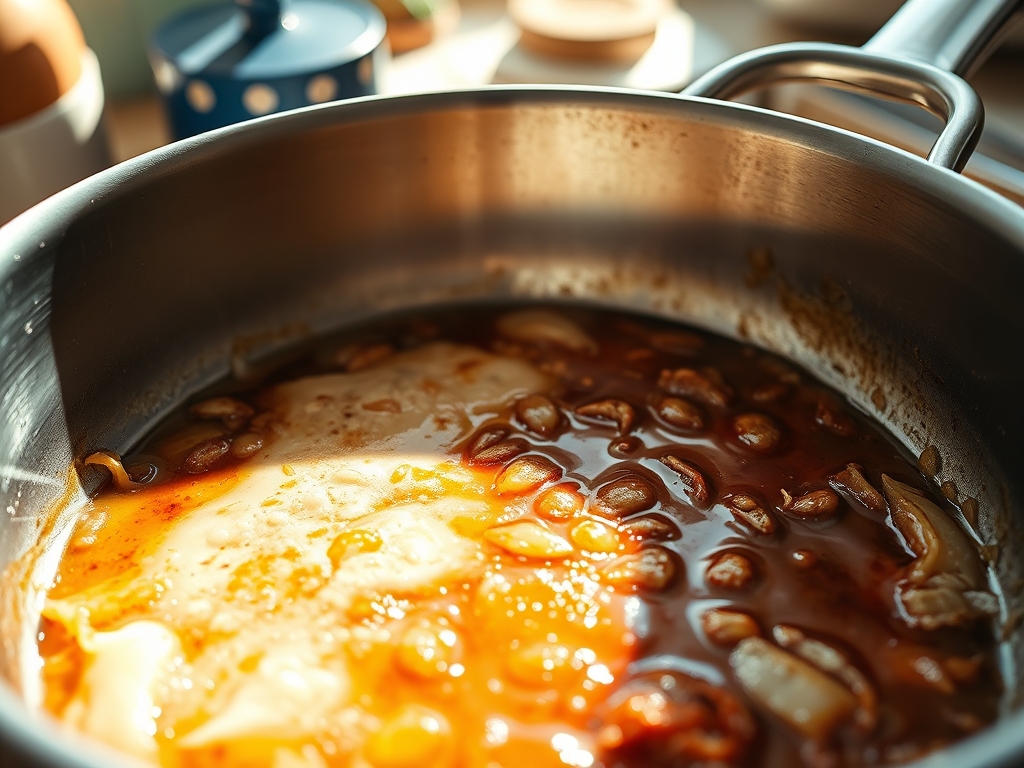
Once the vegetables are tender and charred at the edges, remove them from the oven. Immediately squeeze fresh lemon juice over the hot pan and use a spatula to deglaze any caramelized sugars stuck to the metal.
Pro Tip: The citric acid reacts with the roasted sugars to create a bright, viscous glaze that cuts through the richness of the olive oil and heightens the perception of salt.
Section B: Prep & Timing Fault-Lines:
The most common human error is the "Cold Start" fallacy. If you put your pan in before the oven hits the target temperature, the vegetables will leak water before the exterior can sear, leading to a mushy mess. Always use an independent oven thermometer to verify the internal temp. Another fault-line is the "Mixed Density" trap. If you find your broccoli is burning while your potatoes are hard, you must stagger your entry. Start the potatoes for 15 minutes, then add the faster-cooking aromatics and cruciferous greens later.
THE VISUAL SPECTRUM
Section C: Thermal & Visual Troubleshooting:
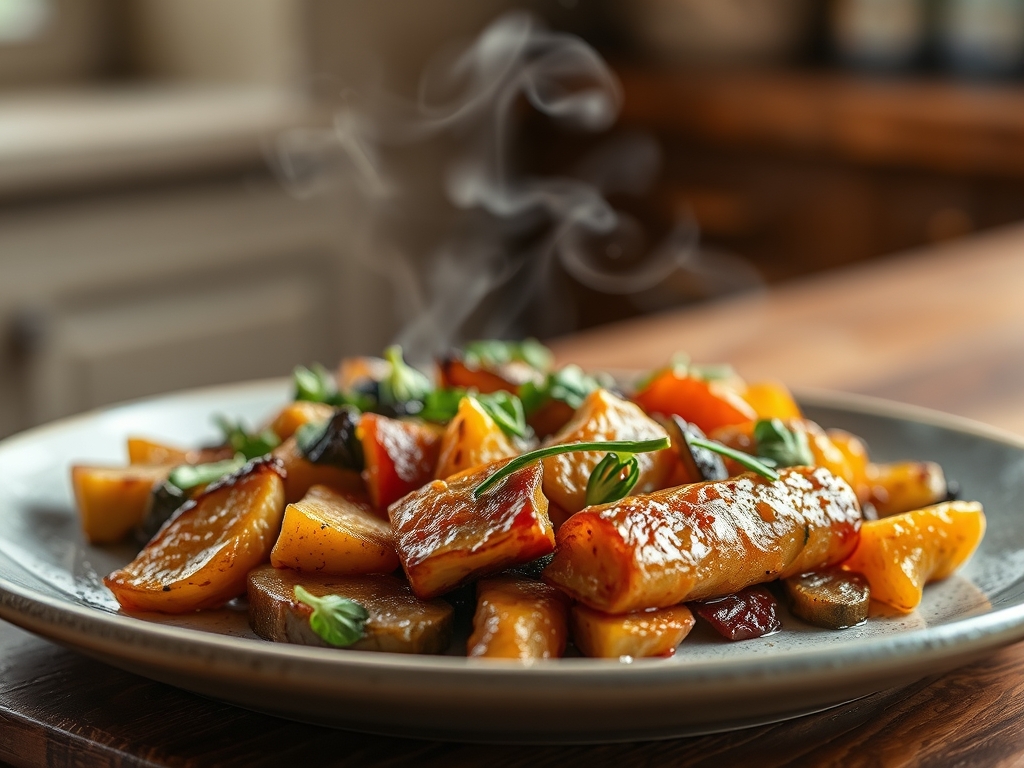
Referencing the Masterclass photo above, look for the "Char-Highlight." You want to see dark brown (not black) edges on the onions and peppers. If your dish looks dull or "matte," you likely under-oiled or the oven temperature was too low, preventing the rendering of natural sugars. If the colors are greyish, you have steamed the vegetables. To fix this mid-roast, crank the heat to the "Broil" setting for the final three minutes to flash-caramelize the surface. A perfect roast should have a "glossy" sheen, indicating that the oil has bonded with the released vegetable starches to create a savory lacquer.
THE DEEP DIVE
Macro Nutrition Profile:
Per serving, this dish provides approximately 180 calories, 9g of healthy monounsaturated fats, 22g of complex carbohydrates, and 5g of dietary fiber. It is a micronutrient powerhouse, loaded with Vitamin A, Vitamin C, and potassium.
Dietary Swaps:
- Vegan: Naturally compliant. Ensure your oil is high quality.
- Keto: Replace sweet potatoes with cauliflower florets or radishes to drop the net carb count significantly.
- GF: Naturally gluten-free. Ensure your spice blends do not contain anti-caking agents derived from grain.
Meal Prep & Reheating Science:
To maintain molecular structure during reheating, avoid the microwave. The microwave agitates water molecules, which turns the softened cell walls into mush. Instead, reheat in a 400F oven for 8 minutes or in an air fryer for 5 minutes. This re-crisps the exterior "crust" while keeping the interior moist.
THE KITCHEN TABLE
Why are my vegetables soggy?
You likely overcrowded the pan or didn't preheat the oven. When veggies are too close, they trap steam. Give them space to breathe so moisture can evaporate, allowing the Maillard reaction to occur on the surface.
Can I use frozen vegetables?
It is not recommended for a high-heat roast. Frozen vegetables have compromised cell walls from ice crystals. They release water too rapidly, resulting in a steamed texture. Stick to fresh produce for the best structural integrity and snap.
What is the best oil to use?
Use an oil with a medium-high smoke point and good flavor. Avocado oil or a high-quality Extra Virgin Olive Oil works perfectly at 425F. Avoid unrefined nut oils, as they can turn bitter and acrid under high heat.
Do I need parchment paper?
Parchment makes cleanup easy, but roasting directly on a dark metal pan provides superior heat conduction. If you want maximum browning and "crunch," skip the paper and apply a light coating of oil directly to the pan surface.