Forget the sluggish, starch-heavy labor of traditional risotto or the temperamental steam-cycles of long-grain rice. We are entering the realm of high-velocity hydration. In the professional pantry, couscous is not merely a side dish; it is a marvel of pre-gelatinized engineering designed for instantaneous deployment. This is the Pantry Couscous Audit. We are looking for structural integrity, grain separation, and a flavor profile that punches through the atmospheric noise of a busy weeknight. When boiling water meets these semolina pearls, a rapid-fire capillary action occurs. The exterior softens while the core retains a defiant, al dente snap. If your current output is a gummy, monolithic block of wheat, your infrastructure has failed. We are here to recalibrate your process. We want grains that tumble like golden sand, infused with aromatic lipids and a piquant brightness that wakes up the palate. We are moving from "filler" to "architectural foundation" in exactly five minutes. Prepare for a total system overhaul of your dry-storage assets.
THE DATA MATRIX
| Metric | Specification |
|---|---|
| Prep Time | 3 Minutes |
| Execution Time | 5 Minutes |
| Yield | 4 Standard Servings |
| Complexity (1-10) | 2 (Low Technical Barrier) |
| Estimated Cost per Serving | $0.85 USD |
THE GATHERS
Ingredient Protocol:
- 250g / 1.5 cups Dried Moroccan Couscous (Durum Wheat Semolina).
- 375ml / 1.5 cups Filtered Water or Bone Broth.
- 30ml / 2 tbsp Extra Virgin Olive Oil or Unsalted Butter.
- 5g / 1 tsp Kosher Salt.
- 2g / 0.5 tsp Freshly Cracked Black Pepper.
- 15ml / 1 tbsp Fresh Lemon Juice.
- 10g / 0.25 cup Fresh Flat-Leaf Parsley, finely chiffonaded.
Section A: Ingredient Quality Audit:
The primary failure point in a Pantry Couscous Audit is the age of the semolina. Old grains develop a dusty, stale oxidation that no amount of salt can mask. If your grains smell like cardboard, discard them. Another common fault-line is the liquid choice. Using plain tap water often introduces chlorine notes that disrupt the delicate wheat profile. Technical Fix: Always use filtered water or a high-sodium broth to infuse the grain from the inside out. If your olive oil lacks a peppery finish, it will not provide the necessary contrast to the starch. Ensure your lipids are fresh to facilitate proper emulsification during the fluffing stage.
THE MASTERCLASS
1. The Lipid Foundation
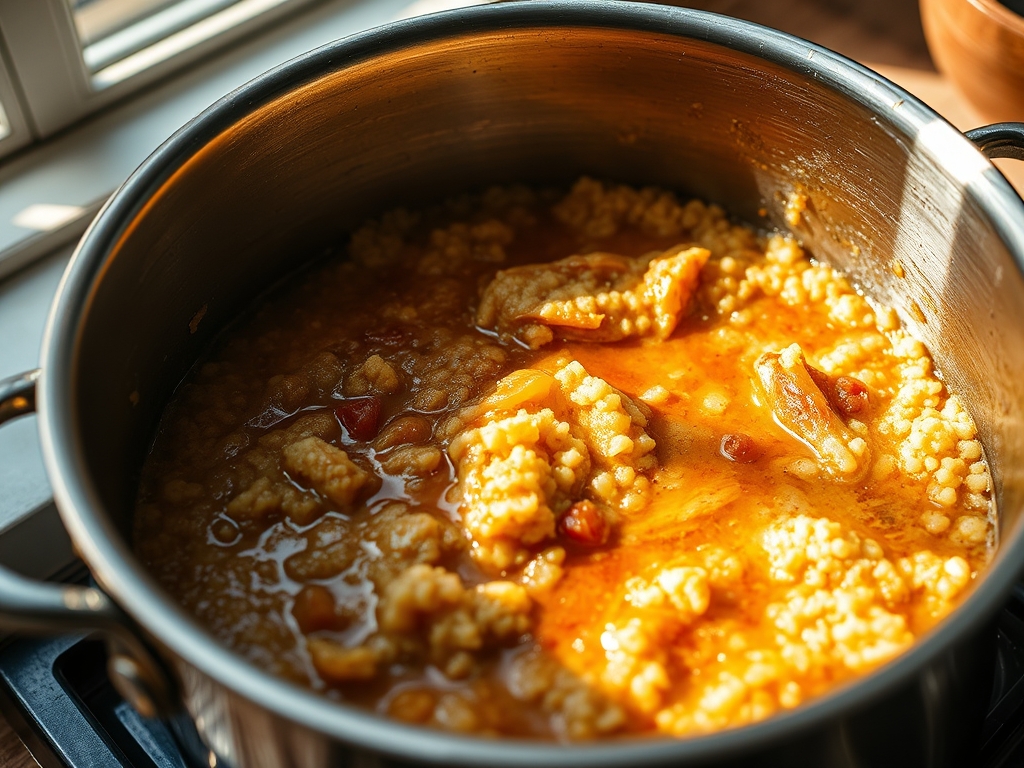
Place your saucier over medium-high heat. Add the olive oil and toast the dry couscous grains for 60 seconds before adding any liquid. This initiates a mild Maillard reaction, creating a nutty aromatic profile and coating each grain in a hydrophobic barrier to prevent clumping.
Pro Tip: Use a digital scale to measure your grains and liquid by weight rather than volume. This ensures a perfect 1:1.5 ratio, preventing the dreaded "soupy" bottom or "crunchy" top.
2. The Thermal Shock
Pour the boiling liquid over the toasted grains and immediately remove the vessel from the heat source. The goal is to trigger rapid steam swelling without the agitation of a rolling boil, which would break the delicate starch skins.
Pro Tip: Use a tight-fitting lid or a heavy-duty silicone cover. If steam escapes, the pressure drop will result in uneven hydration. Professional chefs often use a layer of plastic wrap under the lid to create an airtight seal.
3. The Hermetic Rest
Allow the grains to sit undisturbed for exactly five minutes. During this phase, the moisture migrates to the center of each pearl. Do not peek. Opening the lid releases the latent heat required to finish the "cook" and will result in a drop in internal temperature.
Pro Tip: A bench scraper is an excellent tool for moving finished couscous from the pot to a serving platter without crushing the grains, preserving the structural "fluff" you have worked to achieve.
4. The Aeration Protocol
Remove the lid and use a fork or a professional-grade whisk to aerate the grains. Drag the tines across the surface to break up any aggregates. Add your lemon juice and fresh herbs at this stage to preserve their volatile oils and vibrant color.
Pro Tip: Incorporating a small knob of cold butter during the fluffing stage creates a viscous coating that enhances the mouthfeel, making the dish feel significantly more luxurious than its five-minute timeline suggests.
Section B: Prep & Timing Fault-Lines:
The most frequent human error is "The Premature Fluff." If you agitate the grains before the five-minute mark, you interrupt the absorption cycle, leading to a texture that is simultaneously wet and hard. Another timing error involves the herbs. Adding parsley to boiling water will render the greens dull and brown. Always wait until the temperature has dropped below 140 degrees Fahrenheit (60 degrees Celsius) to fold in delicate aromatics.
THE VISUAL SPECTRUM
Section C: Thermal & Visual Troubleshooting:
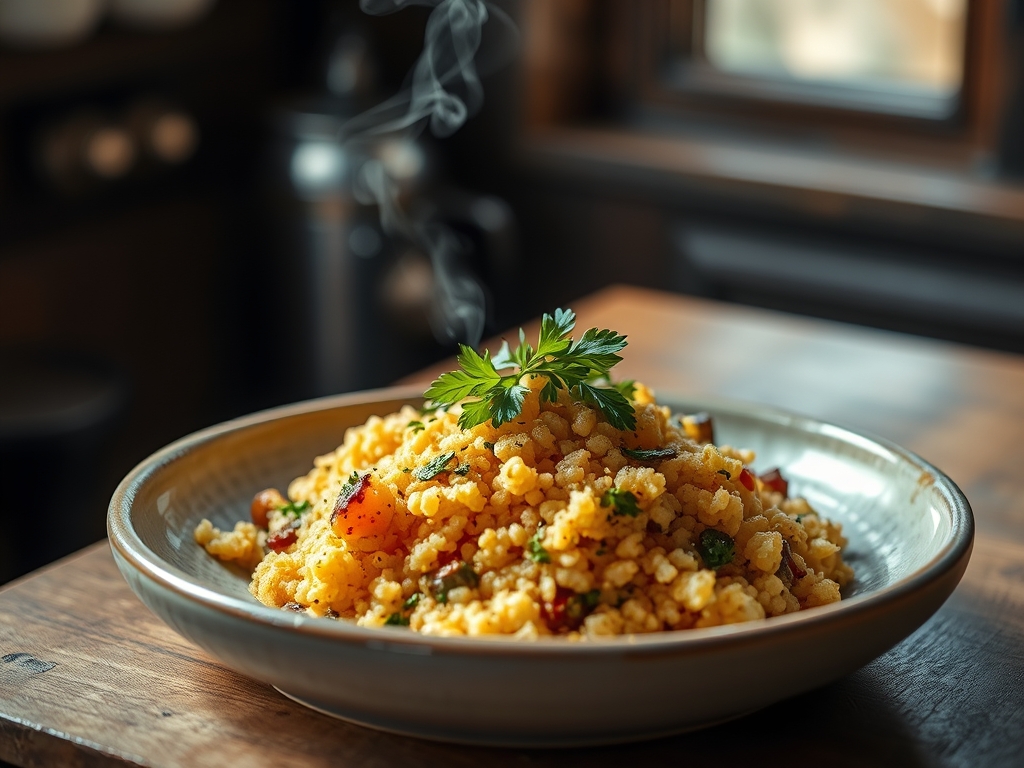
Referencing the Masterclass photo above, observe the distinct separation of the pearls. If your output looks like a singular mass, you skipped the toasting step or used too much liquid. If the color is monochromatic and pale, you lack the "Golden Hour" glow provided by high-quality olive oil and a proper deglaze of the toasted starch. Dull colors usually indicate a lack of acidity; a final spritz of lemon juice acts as a visual and flavor brightener, making the yellow hues of the durum wheat pop against the green of the herbs. If you see white, chalky centers in the grains, your liquid was not at a true boil when introduced.
THE DEEP DIVE
Macro Nutrition Profile:
Couscous is a carbohydrate-dense energy source. A standard serving contains approximately 175 calories, 6g of protein, and 36g of complex carbohydrates. It is naturally low in fat, though our lipid-fortified protocol increases the healthy monounsaturated fat content to roughly 8g per serving.
Dietary Swaps:
- Vegan: The standard protocol is already vegan if using olive oil and vegetable broth.
- Keto: There is no direct "grain" swap, but riced cauliflower treated with the same toasting method offers a similar visual profile with 90% fewer carbs.
- GF: Substitute with certified gluten-free fonio or quinoa; note that quinoa requires a longer simmer time and cannot be "steeped" like couscous.
Meal Prep & Reheating Science:
To maintain molecular structure during reheating, avoid the microwave if possible. The microwave agitates water molecules violently, which can turn the starch into a gummy paste. Instead, place the couscous in a fine-mesh strainer over a pot of simmering water for 2 minutes. This gently re-hydrates the grains without collapsing the air pockets created during the initial aeration.
THE KITCHEN TABLE
Why is my couscous always clumpy?
You likely skipped the oil-coating step. Fat acts as a lubricant that prevents the starch molecules from bonding together. Toasting the grains in oil before adding water ensures each pearl remains an independent agent.
Can I make this in a rice cooker?
Technically yes, but it is overkill. The "Keep Warm" setting on a rice cooker can actually overcook the couscous, leading to a mushy texture. The steep-and-rest method in a standard bowl or pot is superior for texture control.
What is the best liquid to use?
Chicken or vegetable stock is the gold standard. For a more exotic profile, try steeping a pinch of saffron or a cinnamon stick in the water before pouring it over the grains to infuse deep aromatic complexity.
How long does it stay fresh?
Couscous will maintain its structural integrity for 3 to 4 days in an airtight container. If it feels dry upon retrieval, simply fold in a teaspoon of warm water or olive oil before serving to restore the sheen.