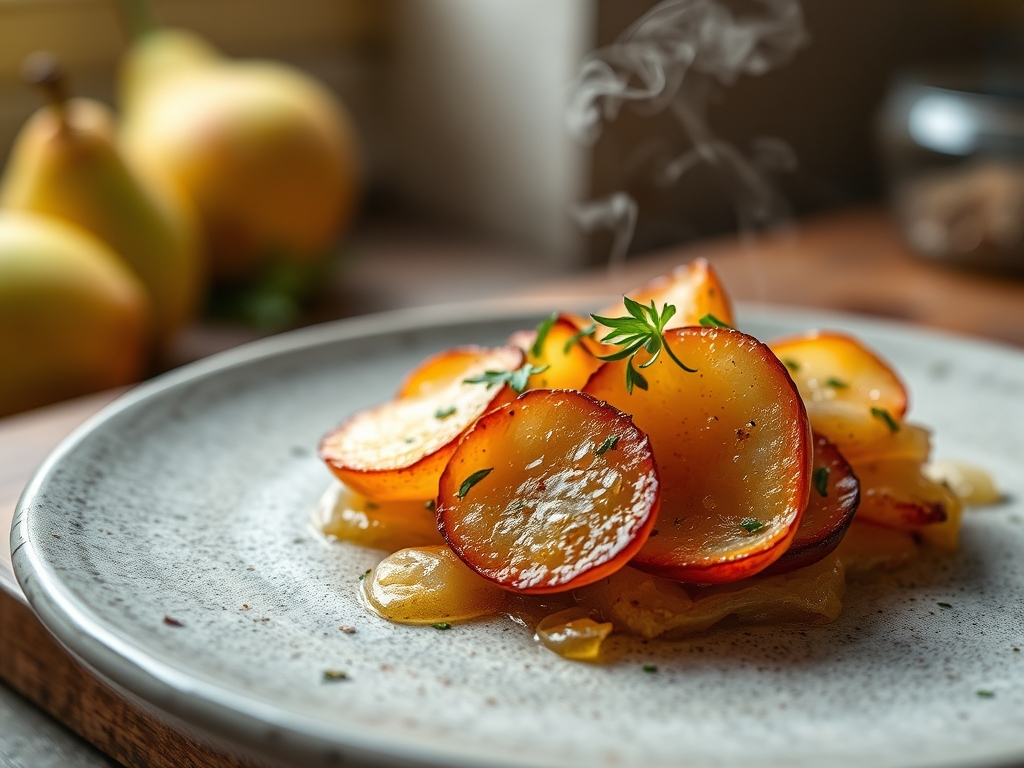
Imagine the sensory overload of a mid-century gala condensed into a single, shimmering plate. We are talking about the structural integrity of a Canned Pear Salad; a dish that defies the laws of culinary gravity and challenges the palate with a high-octane contrast of textures. The air in the kitchen becomes charged with the scent of piquant vinegar and the heavy, viscous syrup of premium Bartlett halves. You are not just tossing fruit in a bowl; you are conducting a symphony of fructose and lipid emulsification. The crunch of toasted walnuts must cut through the velvet sheen of the fruit like a precision blade. Every bite is a calculated risk between the sweetness of the syrup and the sharp, salty bite of a high-grade blue cheese or sharp cheddar. This is an architectural marvel of the pantry. It is fast, it is loud, and it demands absolute technical respect. If you treat this as a mere side dish, you have already lost the audit. This is the Canned Pear Salad, and it is time to optimize your output.
THE DATA MATRIX
| Metric | Specification |
|---|---|
| Prep Time | 12 Minutes |
| Execution Time | 5 Minutes |
| Yield | 4 Units |
| Complexity (1-10) | 3 |
| Estimated Cost per Serving | $1.85 |
THE GATHERS
Ingredient Protocol:
- 2 cans (825g / 29 oz) Premium Bartlett Pear Halves in heavy syrup.
- 120ml / 0.5 cup High-fat Mayonnaise or Greek Yogurt.
- 100g / 1 cup Sharp Cheddar Cheese, finely shredded.
- 60g / 0.5 cup Toasted Walnut Halves or Pecans.
- 4 Large leaves of Butter Lettuce or Marinated Kale.
- 15ml / 1 tbsp Fresh Lemon Juice (to balance the fructose).
- 4 Maraschino Cherries (for the visual focal point).
- 2g / 0.5 tsp Cracked Black Pepper.
Section A: Ingredient Quality Audit:
The primary failure point in this assembly is the pear texture. If your fruit arrives "mushy" or over-processed, the structural integrity of the salad collapses. To fix a soft pear, submerge the halves in an ice bath infused with lemon juice for five minutes to firm the exterior pectins. If your walnuts lack a distinct snap, they have likely absorbed ambient moisture. Toss them in a dry stainless steel pan over medium heat to render out residual oils and restore the crunch. Finally, if your mayonnaise is too thin, it will slide off the pear surface. Whisk in a teaspoon of Greek yogurt to increase the viscosity and ensure the dressing clings to the fruit's curve.
THE MASTERCLASS
1. The Desiccation Protocol
Drain the pear halves using a fine-mesh strainer and pat them dry with lint-free towels. Use a digital scale to ensure each half is uniform in weight if you are plating for a professional setting. Removing the surface moisture is critical for dressing adhesion.
Pro Tip: Use a bench scraper to move the pears without bruising the delicate flesh. The science here is simple; surface tension is your enemy. If the pear is wet, the fat-based dressing will slide off due to hydrophobic repulsion.
2. The Base Foundation
Lay the butter lettuce leaves on a chilled platter. If the lettuce is wilted, shock it in ice water to restore turgidity. This creates a crisp, structural cradle for the fruit.
Pro Tip: Use a mandoline or a very sharp chef's knife to trim any woody stems from the greens. A crisp base provides the necessary resistance to the soft fruit, creating a superior mouthfeel.
3. The Emulsion Application
Place the pear halves core-side up on the greens. Spoon exactly 15ml of mayonnaise into the center cavity of each pear. Do not overfill; the goal is a controlled dollop, not a flood.
Pro Tip: Use a small saucier spoon to create a clean, circular well in the center. This ensures the dressing stays localized, preventing a messy presentation that compromises the visual spectrum.
4. The Lipid and Protein Integration
Shower the shredded cheddar cheese over the mayonnaise. The cheese should be finely grated to increase the surface area, allowing it to "grip" the dressing. Top with a single walnut half and a cherry.
Pro Tip: Use a microplane for the cheese to achieve a "snow" effect. Smaller particles have a higher flavor-to-volume ratio, ensuring the piquant saltiness of the cheese balances the sugar in the pear without overwhelming the palate.
Section B: Prep & Timing Fault-Lines:
Temperature is the most common human error in this protocol. If the pears are room temperature, the salad feels heavy and cloying. Always chill your cans for at least four hours prior to the audit. If you are behind schedule, place the unopened cans in a salt-water ice slurry for 20 minutes to achieve rapid thermal reduction. Additionally, do not assemble the salad more than 15 minutes before service. The salt in the cheese will eventually draw moisture out of the pear, leading to a syrupy pool at the bottom of your dish.
THE VISUAL SPECTRUM
Section C: Thermal & Visual Troubleshooting:
Look at the Masterclass photo above. Notice the "matte" finish of the pear against the "gloss" of the cherry. If your pears look dull or grey, they have oxidized; a quick spray of citric acid solution will restore the brightness. If the cheese looks clumpy rather than fluffy, it was likely grated too far in advance or stored in a high-humidity environment. To fix this, aerate the cheese with a fork before topping. The walnut must be positioned at a 45-degree angle to create height. If the salad looks flat, your lettuce base is likely too small; swap for larger, more vibrant leaves to provide a color contrast that makes the pale yellow of the pear pop.
THE DEEP DIVE
Macro Nutrition Profile:
This dish is a high-energy fuel source. A single serving provides approximately 220 calories, with 14g of fat (primarily from the nuts and mayo), 22g of carbohydrates (fructose and fiber), and 5g of protein. It is a balanced metabolic bridge between a heavy entree and a light dessert.
Dietary Swaps:
- Vegan: Replace the mayonnaise with a whipped silken tofu and lemon zest emulsion; swap cheddar for a nut-based sharp "cheese" crumble.
- Keto: This is difficult due to the canned syrup. Use fresh pears poached in monk fruit sweetener and replace the mayo with full-fat sour cream.
- Gluten-Free: This dish is naturally gluten-free, but always audit your nut source for cross-contamination during the roasting process.
Meal Prep & Reheating Science:
Do not reheat. This is a cold-chain dependent dish. For meal prep, store the components in a deconstructed format. Keep the pears in their syrup until the moment of assembly to prevent the molecular breakdown of the fruit cell walls. The nuts should be stored in an airtight glass container at room temperature to maintain their crystalline structure and snap.
THE KITCHEN TABLE
Why is my dressing sliding off the pear?
Surface moisture is the culprit. You must desiccate the pear surface thoroughly with a paper towel. Without a dry surface, the fats in the mayonnaise cannot form a stable bond with the fruit's exterior.
Can I use fresh pears instead of canned?
You can, but the audit requires a specific texture. Fresh pears must be perfectly ripe or lightly poached in a simple syrup to achieve the signature "give" that defines a classic Canned Pear Salad.
What is the best cheese for maximum flavor?
A sharp, aged cheddar provides the best piquant contrast. The aging process creates salt crystals within the cheese that explode against the smooth, sweet pear flesh, creating a complex sensory experience.
How do I keep the lettuce from getting soggy?
Never dress the lettuce. The pear and its topping should provide all the moisture needed. Ensure the lettuce is bone-dry after washing by using a high-velocity salad spinner before plating.