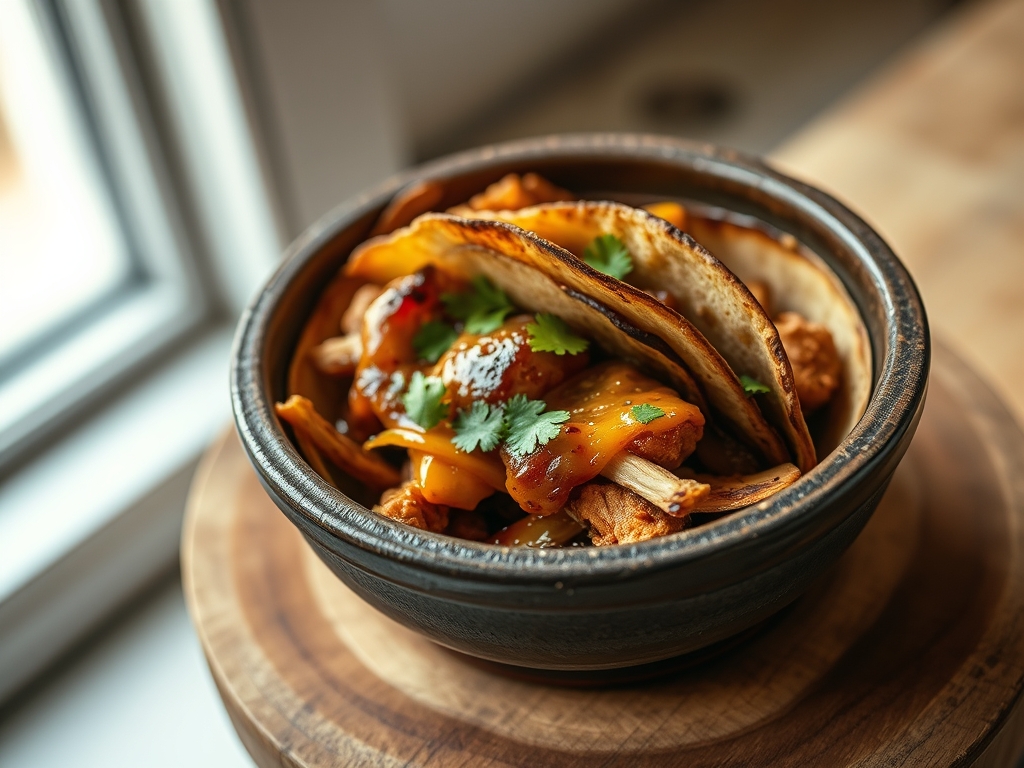
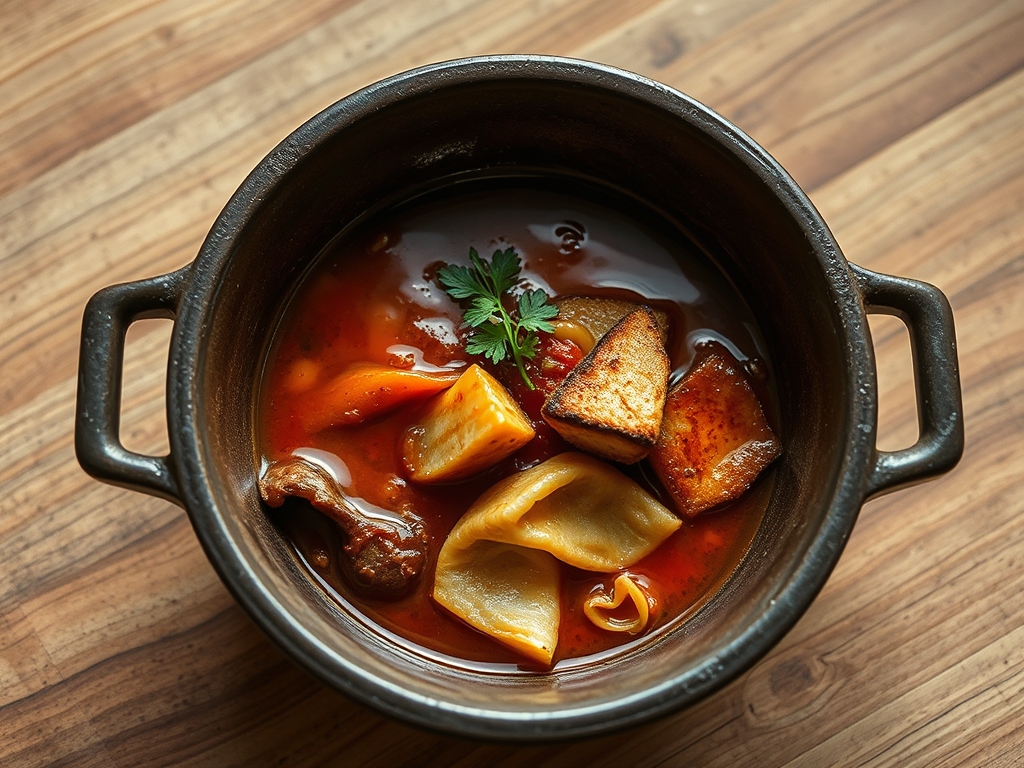
The kitchen is a theater of high-velocity physics where speed usually sacrifices depth. We are here to shatter that paradigm. Forget the days of simmering bones for seventy-two hours just to achieve a respectable mouthfeel. We are deploying a tactical strike on flavor. The 10 Minute Spicy Ramen is not a compromise; it is a precision-engineered solution for the modern palate. Imagine a bowl where the broth is a viscous, shimmering emulsion of fat and spice that clings to every strand of starch. The air should be thick with the piquant aroma of toasted sesame and fermented chili. We are looking for immediate gratification backed by rigorous culinary mechanics. We are talking about a dish that hits the table before your delivery app can even find a driver. This is about maximizing the Maillard reaction in record time and utilizing rapid hydration techniques to ensure your noodles maintain a perfect "al dente" snap. Prepare your station. We are moving from zero to peak umami in exactly six hundred seconds.
THE DATA MATRIX
| Metric | Specification |
|---|---|
| Prep Time | 3 Minutes |
| Execution Time | 7 Minutes |
| Yield | 1 Serving |
| Complexity (1-10) | 3 |
| Estimated Cost per Serving | $2.45 |
THE GATHERS
Ingredient Protocol:
- 1 pack / 85g High-quality instant ramen noodles (discard the flavor packet)
- 375ml / 1.5 cups Low-sodium chicken or vegetable stock
- 15ml / 1 tbsp Chili oil with crunchy bits
- 10ml / 2 tsp Toasted sesame oil
- 15ml / 1 tbsp Soy sauce (dark or light)
- 5g / 1 tsp Freshly grated ginger
- 2 cloves / 10g Garlic, finely minced
- 1 large / 50g Egg (room temperature)
- 10g / 2 stalks Green onions, finely sliced
- 5g / 1 tsp Toasted sesame seeds
Section A: Ingredient Quality Audit:
If your chili oil tastes like dusty cardboard, you have failed at the procurement stage. Cheap oils use rancid base fats that oxidize quickly. To fix a sub-par chili oil, infuse it briefly in a small saucier with a star anise pod and a strip of orange peel to mask the bitterness. If your ginger is fibrous and dry, do not attempt to mince it with a dull knife. Use a microplane to create a paste; this increases surface area and ensures the flavor is distributed throughout the liquid phase rather than leaving you with woody chunks. If the stock lacks body, whisk in a teaspoon of miso paste or a splash of fish sauce to artificially inflate the glutamate levels.
THE MASTERCLASS
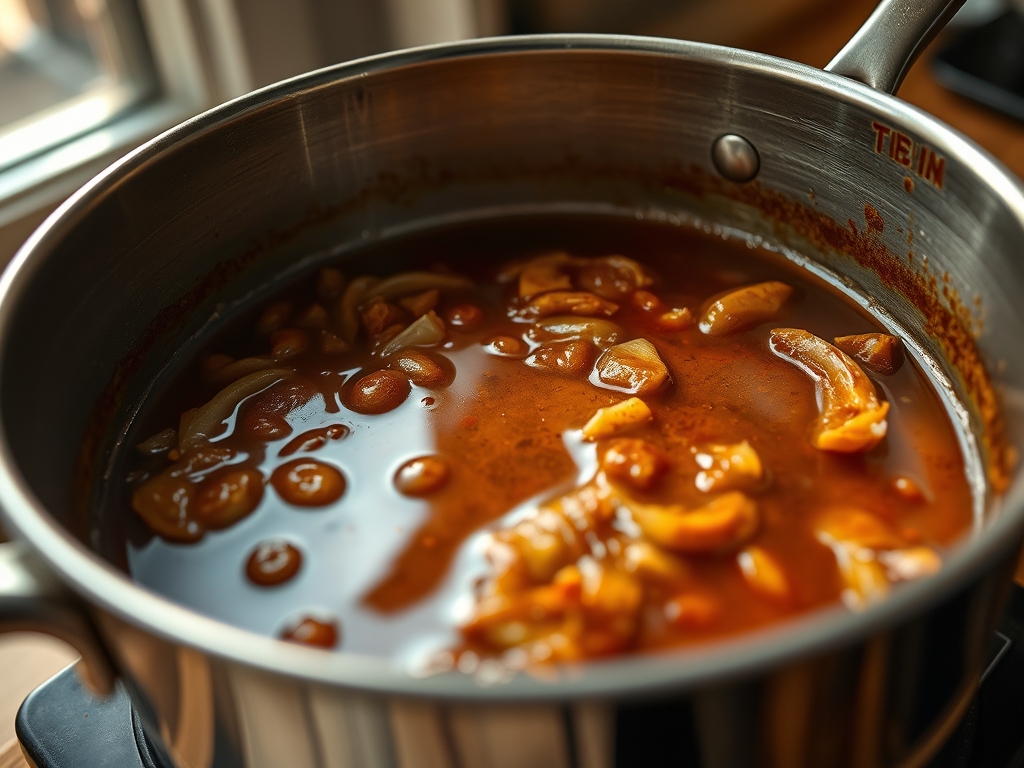
Step 1: The Aromatic Foundation
Place your saucier over medium-high heat and add the sesame oil. Once the oil begins to shimmer, toss in the minced garlic and grated ginger. You are looking for a rapid render of flavors without inducing a burn. The aromatics should soften and become fragrant within forty-five seconds.
Pro Tip: Use a digital scale to measure your aromatics. Consistency in weight ensures that the garlic does not overwhelm the delicate ginger notes. The science here is simple: heat breaks down the cellular walls of the aromatics, releasing essential oils into the fat carrier.
Step 2: The Liquid Emulsion
Pour in the stock and soy sauce. Bring the mixture to a rolling boil. This is the moment to add your chili oil. Use a small whisk to aerate the broth slightly; this helps integrate the fats with the water-based stock, creating a more cohesive mouthfeel.
Pro Tip: A saucier with rounded bottom edges is superior to a standard saucepan here. It prevents solids from getting trapped in the corners and burning, ensuring a perfectly homogenous broth.
Step 3: Starch Hydration
Drop the ramen noodles into the boiling broth. Use a pair of long kitchen tweezers or a silicone whisk to gently nudge the block apart. Do not overwork the noodles. You want them to hydrate evenly while maintaining their structural integrity.
Pro Tip: Monitor the timer on your digital scale. Most instant noodles reach peak hydration at the three-minute mark. Pulling them thirty seconds early allows for "carry-over cooking" as you plate, preventing the noodles from becoming a soggy, gelatinous mess.
Step 4: The Protein Integration
Carefully crack the egg directly into the center of the boiling broth. Reduce the heat to a simmer and cover the pot for two minutes. This will poach the egg in the spicy liquid, allowing the whites to set while the yolk remains liquid gold.
Pro Tip: If you prefer a cleaner look, use a bench scraper to clear your cutting board of green onions while the egg poaches. The residual heat of the broth is enough to cook the egg gently without toughening the proteins.
Section B: Prep & Timing Fault-Lines:
The most common failure in a 10 Minute Spicy Ramen is the "Cold Egg Syndrome." If you drop a refrigerator-cold egg into the broth, you will plummet the temperature of the liquid and stall the noodle hydration. Always temper your egg in a bowl of warm water for sixty seconds before cracking. Another timing error is the "Garlic Scorching." If your pan is too hot before the oil hits, the garlic will turn acrid and bitter instantly. If this happens, do not proceed. Wipe the pan and start over. The cost of three minutes is less than the cost of a ruined meal.
THE VISUAL SPECTRUM
Section C: Thermal & Visual Troubleshooting:
Referencing our Masterclass photo, you should see a vibrant, deep crimson hue in the broth. If your broth looks pale or muddy, you likely lacked enough chili oil or used a soy sauce with too much water content. The noodles should be visible just beneath the surface, looking glossy and distinct. If they appear clumped, you failed to aerate and stir during the first sixty seconds of hydration. The egg should have an opaque white exterior with a visible "wobble" indicating a soft yolk. If the yolk is pale yellow and firm, you overshot the poaching time. Finally, the green onions must be added at the very last second to maintain their neon-green contrast against the red broth. Dull, olive-colored onions mean they were boiled too long, destroying the chlorophyll.
THE DEEP DIVE
Macro Nutrition Profile:
A standard serving of this 10 Minute Spicy Ramen contains approximately 480 calories. You are looking at 14g of protein, 52g of carbohydrates, and 22g of fats. The sodium content is high, so consider this a recovery meal or a high-energy fuel source rather than a daily staple.
Dietary Swaps:
- Vegan: Swap chicken stock for a rich mushroom dashi and replace the egg with seared silken tofu or a handful of bok choy.
- Keto: Use shirataki (konjac) noodles. These require a different hydration strategy; rinse them thoroughly under cold water to remove the alkaline scent before adding to the broth.
- Gluten-Free: Utilize brown rice ramen or glass noodles. Ensure your soy sauce is replaced with Tamari or liquid aminos.
Meal Prep & Reheating Science:
To maintain molecular structure, never store the noodles in the broth. If you are prepping ahead, store the concentrated spicy base and the cooked noodles in separate containers. When reheating, bring the broth to a boil first, then drop the cold noodles in for only thirty seconds to "shock" them back to life without overcooking the starch.
THE KITCHEN TABLE
Why are my noodles always mushy?
You are likely leaving them in the pot too long. Instant noodles continue to absorb liquid even after you turn off the heat. Aim for a "firm" texture before plating; they will reach perfection by the time you sit down.
Can I use water instead of stock?
You can, but you will lose the foundational umami. If using water, you must double the aromatics and consider adding a teaspoon of bouillon or a squeeze of tomato paste to provide the necessary savory depth.
How do I make it even spicier?
Do not just add more oil. Add fresh Thai bird's eye chilies or a teaspoon of gochugaru (Korean chili flakes) during the aromatic sauté phase. This allows the heat to bloom in the fat for a more complex burn.
My broth is too salty, help!
This usually happens if you use a full-sodium stock and a heavy hand with soy sauce. Dilute the broth with a splash of boiling water or a teaspoon of rice vinegar. The acidity will balance the perceived saltiness.