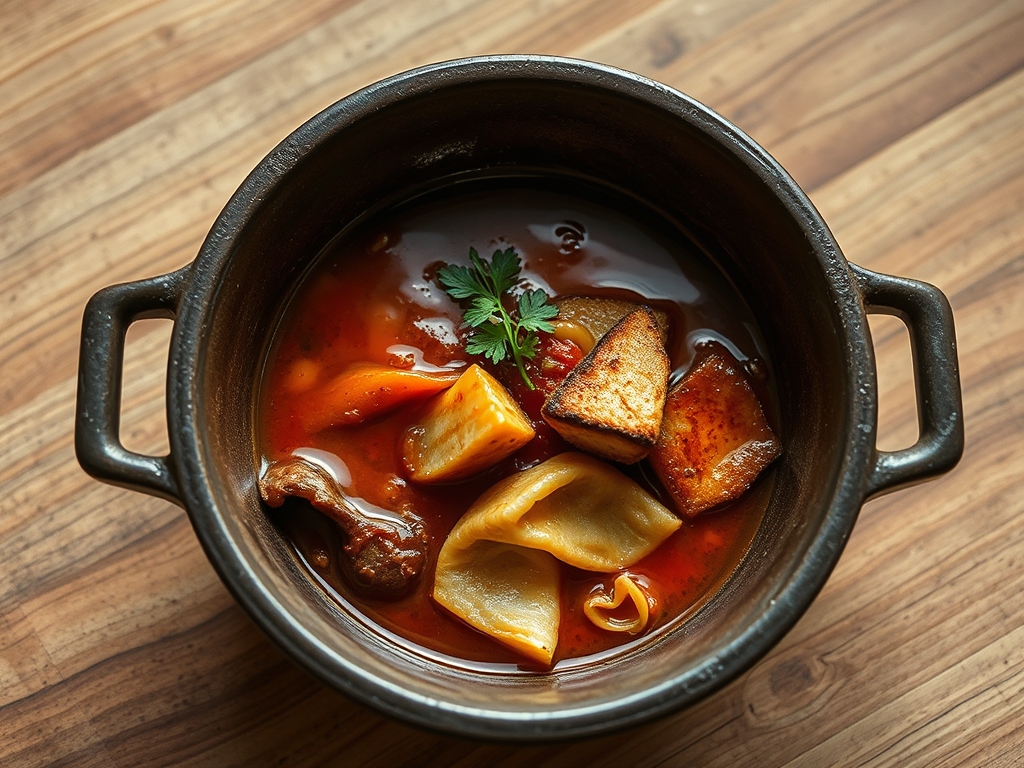
The kitchen is a theater of physics where seconds represent the difference between a culinary masterpiece and a soggy failure. When the clock is ticking and your metabolic demands are screaming for high-quality protein, you do not have the luxury of a slow braise or an overnight marinade. You need kinetic speed. We are talking about the high-velocity execution of 5 Minute Chicken Tacos. This is not just a meal; it is an exercise in streamlined infrastructure. Imagine the hiss of the pan as cold protein hits a shimmering layer of oil, triggering a rapid-fire chemical transformation. The air fills with the piquant aroma of toasted cumin and the sharp, bright citrus of lime. We are optimizing every movement, from the flick of the wrist with a bench scraper to the precise timing of the tortilla char. In the world of high-performance nutrition, efficiency is the ultimate seasoning. Prepare to audit your workflow and revolutionize your Tuesday nights with a blueprint for speed, flavor, and structural integrity.
THE DATA MATRIX
| Metric | Specification |
|---|---|
| Prep Time | 2 Minutes |
| Execution Time | 3 Minutes |
| Yield | 2 Servings |
| Complexity (1-10) | 3 |
| Estimated Cost per Serving | $3.50 |
THE GATHERS
Ingredient Protocol:
- 300g / 10.5oz Pre-cooked Rotisserie Chicken Breast (shredded)
- 4 Small Corn or Flour Tortillas
- 15ml / 1 tbsp Neutral High-Smoke Point Oil (Avocado or Grapeseed)
- 5g / 1 tsp Smoked Paprika
- 2g / 0.5 tsp Cumin Powder
- 1 Lime (quartered)
- 30g / 2 tbsp Fresh Cilantro (chopped)
- 45ml / 3 tbsp Crema or Greek Yogurt
- 10g / 1 tbsp Pickled Jalapenos (minced)
Section A: Ingredient Quality Audit:
The primary failure point in 5 Minute Chicken Tacos is moisture management. If your pre-cooked chicken is dry and stringy, it lacks the viscous mouthfeel required for a premium taco. To fix this, do not just heat the meat; you must rehydrate it. Use a splash of chicken stock or a squeeze of lime juice during the reheating phase to infuse the fibers with moisture. If your tortillas are brittle, they have lost their structural elasticity. A quick 10-second steam under a damp paper towel in the microwave will restore the starch bonds, preventing the dreaded "taco blow-out" during consumption.
THE MASTERCLASS
1. Thermal Priming and Fat Distribution
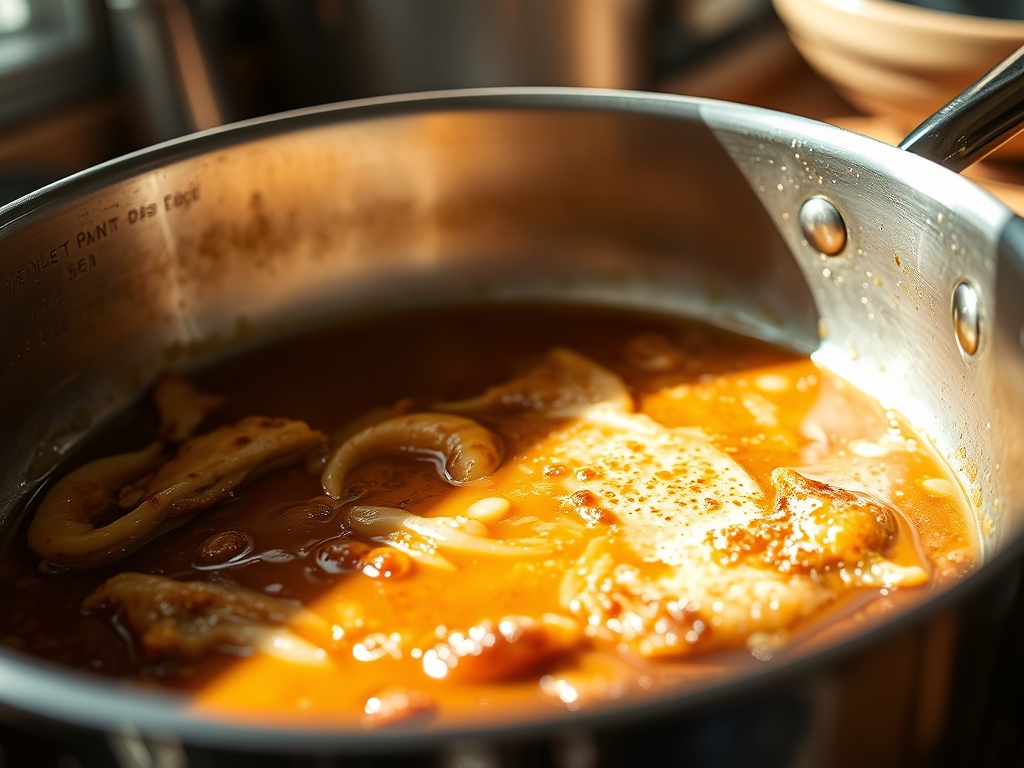
Set a heavy-bottomed stainless steel skillet or a saucier over high heat. Add your high-smoke point oil. You are looking for the "shimmer" phase where the oil moves with the fluidity of water.
Pro Tip: Use an infrared thermometer to ensure the pan surface reaches at least 400 degrees Fahrenheit. This ensures that the chicken undergoes the Maillard reaction immediately rather than steaming in its own juices.
2. Protein Aggitation and Spice Infusion
Toss the shredded chicken into the pan. Use a metal bench scraper or a high-heat spatula to move the meat constantly. Sprinkle the paprika and cumin directly onto the oil-slicked pan surface to bloom the spices.
Pro Tip: Blooming spices in hot fat releases fat-soluble flavor compounds that remain dormant in dry applications. This creates a more complex, piquant flavor profile in seconds.
3. Deglazing for Moisture Retention
Just as the chicken begins to develop golden-brown edges, squeeze half a lime into the pan. The liquid will instantly vaporize, creating a steam cloud that cleans the flavorful browned bits (fond) off the bottom of the pan and coats the meat.
Pro Tip: This is a rapid deglaze. The acid in the lime juice also acts as a tenderizer, breaking down any residual toughness in the pre-cooked protein fibers.
4. Tortilla Char and Assembly
Push the chicken to the perimeter of the pan and place the tortillas in the center for 15 seconds per side. Look for small charred "leopard spots" to appear. Remove from heat and stack immediately.
Pro Tip: Use a digital scale to portion exactly 75g of chicken per taco. This ensures consistent nutritional intake and prevents structural collapse of the tortilla due to overfilling.
Section B: Prep & Timing Fault-Lines:
The most common human error is "The Cold Core." This happens when the pan is not hot enough, resulting in chicken that is scorched on the outside but refrigerator-cold in the center. To mitigate this, ensure your protein is at room temperature for at least five minutes before it hits the steel. Another timing fault is the "Soggy Bottom," caused by adding watery salsa too early. Always layer your fats (crema or avocado) against the tortilla first to create a hydrophobic barrier before adding high-moisture ingredients.
THE VISUAL SPECTRUM
Section C: Thermal & Visual Troubleshooting:
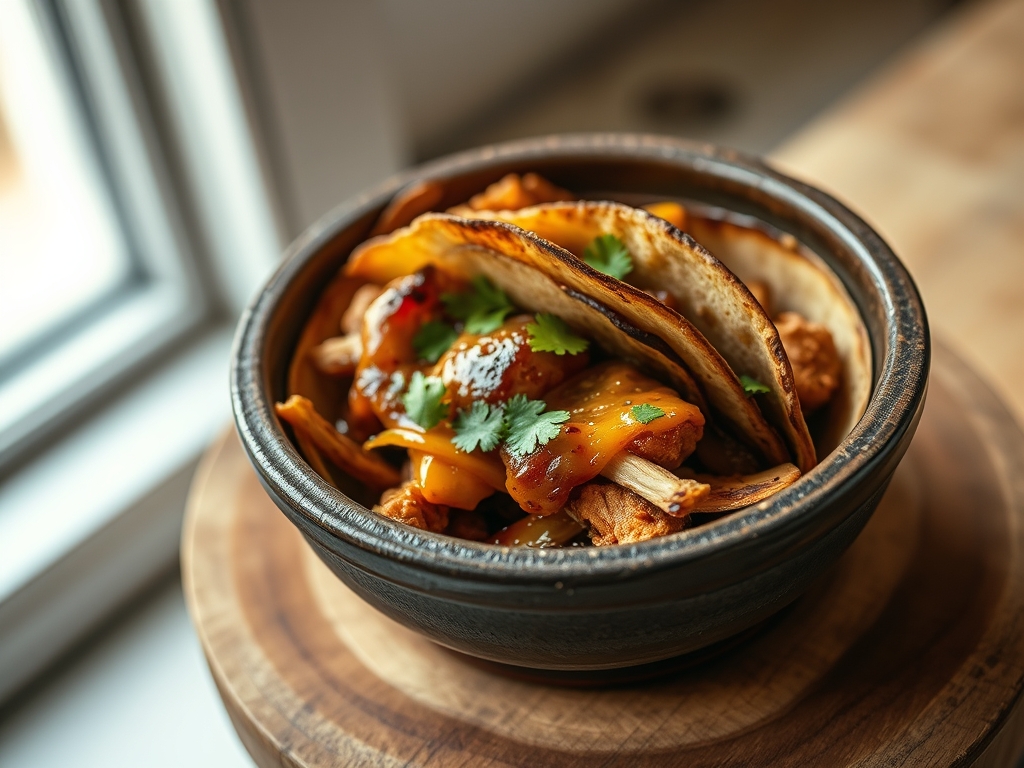
In the reference image, notice the vibrant contrast between the charred edges of the chicken and the bright green of the cilantro. If your tacos look "muddy" or grey, you have failed to render the fat properly or used old spices. Dull colors often indicate over-exposure to heat, which kills the chlorophyll in herbs. If your tortillas look pale and flabby, they lack the toasted micro-bubbles seen in the photo; increase your heat and decrease your dwell time. The crema should be viscous and hold its shape rather than running into a puddle, which indicates it has been thinned too much or the tacos were assembled while the meat was still emitting excessive steam.
THE DEEP DIVE
Macro Nutrition Profile:
A standard serving of two 5 Minute Chicken Tacos provides approximately 380 calories. This breaks down into 32g of high-bioavailability protein, 14g of fats (primarily monounsaturated if using avocado oil), and 28g of complex carbohydrates from corn tortillas. This ratio is optimized for post-workout recovery or a high-satiety midday fuel injection.
Dietary Swaps:
- Vegan: Replace chicken with pulled king oyster mushrooms or soy-based "chick'n" strips. Ensure you aerate the mushrooms in a dry pan first to remove excess moisture before adding oil.
- Keto: Swap tortillas for large butter lettuce leaves or a "chaffle" (cheese-waffle). Increase the healthy fat content by adding extra avocado.
- GF: Ensure corn tortillas are certified gluten-free, as many commercial brands use wheat flour as a binding agent.
Meal Prep & Reheating Science:
To maintain molecular structure during reheating, avoid the microwave if possible. The microwave agitates water molecules, often turning the chicken rubbery. Instead, use a toaster oven at 350 degrees Fahrenheit. If you must use a microwave, place a small cup of water inside to maintain a humid environment, preventing the protein from dehydrating and becoming cellularly dense.
THE KITCHEN TABLE
Why is my chicken always dry?
You are likely overcooking it. Since the chicken is already cooked, you are only aiming to infuse flavor and heat it through. High heat for a short duration (90 seconds) is superior to medium heat for longer.
Can I use chicken breast or thigh?
Thighs contain more connective tissue and fat, making them more forgiving under high heat. Breasts are leaner but require more precision to avoid a "woody" texture. Thighs offer a more viscous, succulent mouthfeel.
What is the best way to chop cilantro?
Use a very sharp chef's knife and a single-pass technique. Repeatedly hacking at the herbs bruises the cell walls, causing them to turn black and lose their bright, piquant essential oils.
How do I make the crema look professional?
Put your crema or yogurt into a small squeeze bottle. This allows you to control the flow and create the aesthetic zig-zag patterns seen in high-end gastropubs, which also ensures even distribution of acidity.