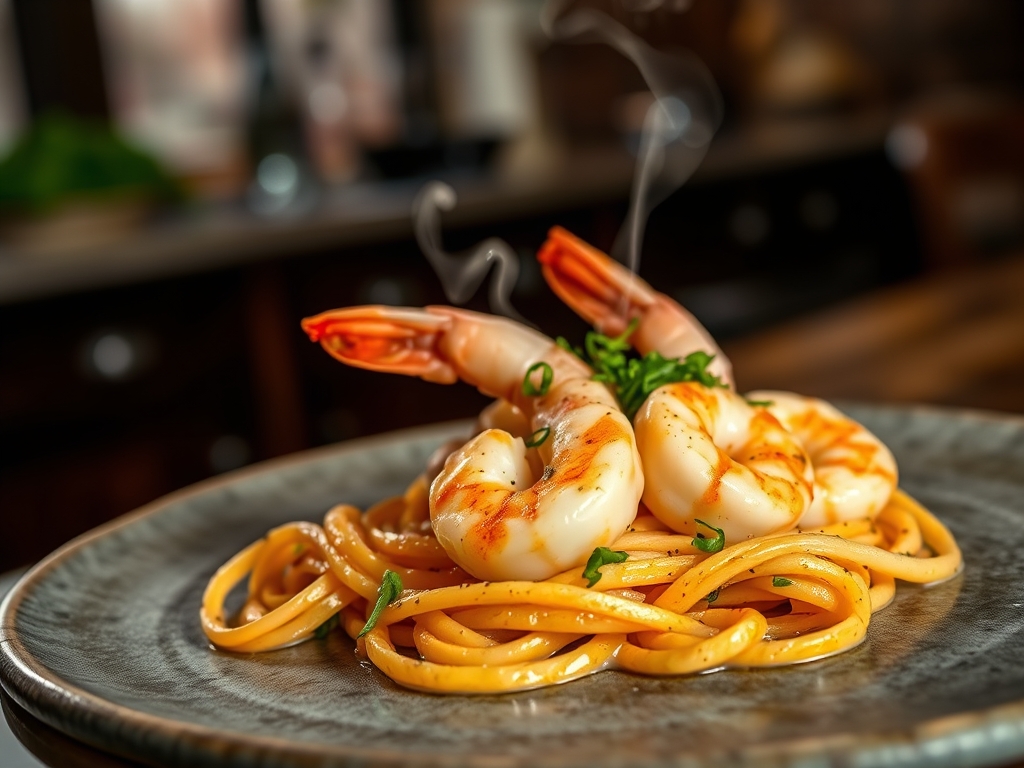
Listen closely because the clock is ticking and your reputation as a domestic executive is on the line. We are not just making dinner; we are engineering a high-velocity lipid delivery system. The 10 Minute Shrimp Scampi is the ultimate test of your kitchen infrastructure. It requires the coordination of a pit crew and the precision of a laboratory chemist. We are talking about the violent transformation of translucent crustacean protein into succulent, pink curls of perfection, all while forcing a volatile mixture of butter and wine into a stable, silky emulsion. This is not a slow simmer situation. This is a high-heat, high-stakes operation where every second counts. If you miss your window, you end up with rubbery pellets and a broken, greasy sauce. But if you hit your marks, you produce a dish that is piquant, luxurious, and undeniably professional. Grab your heavy-bottomed stainless steel and clear your station. We are going from zero to gourmet in exactly six hundred seconds.
THE DATA MATRIX
| Metric | Specification |
|---|---|
| Prep Time | 4 Minutes |
| Execution Time | 6 Minutes |
| Yield | 2 Servings |
| Complexity | 4 / 10 |
| Estimated Cost per Serving | $7.50 USD |
THE GATHERS
Ingredient Protocol:
- Shrimp (16/20 count, peeled/deveined): 450g / 1 lb
- Unsalted Butter (Cold, cubed): 56g / 4 tbsp
- Extra Virgin Olive Oil: 30ml / 2 tbsp
- Garlic (Microplaned): 4 large cloves
- Dry White Wine (Pinot Grigio or Sauvignon Blanc): 60ml / 1/4 cup
- Fresh Lemon Juice: 15ml / 1 tbsp
- Red Pepper Flakes: 1g / 1/2 tsp
- Fresh Parsley (Finely minced): 15g / 1/4 cup
- Kosher Salt: 5g / 1 tsp
- Black Pepper (Freshly cracked): 2g / 1/2 tsp
Section A: Ingredient Quality Audit:
If your shrimp smells like a pier at low tide, abort the mission. High-quality frozen shrimp are often superior to "fresh" counter shrimp because they are flash-frozen at sea, preserving the cellular integrity of the protein. If your garlic has sprouted green "hearts," remove them; those bitter embryos will ruin the delicate flavor profile. For the wine, never use "cooking wine" sold in grocery aisles. If you would not drink it from a glass, do not put it in your pan. The high sodium content in inferior wines will throw off your mineral balance and destroy the viscous quality of the sauce.
THE MASTERCLASS
Step-by-Step Execution:
1. The Thermal Launch
Set a high-quality saucier or heavy skillet over medium-high heat. Add the olive oil and half of the butter. Once the butter begins to foam, it indicates the water content is evaporating and the temperature is reaching the optimal range for the Maillard reaction.
Pro Tip: Use a digital infrared thermometer to ensure the pan surface reaches 350F (175C). This prevents the shrimp from steaming in their own juices and ensures a quick sear that locks in moisture.
2. The Protein Deployment
Season your shrimp with a digital scale measured amount of salt and pepper. Place them in the pan in a single layer. Do not crowd the infrastructure. Let them sear for exactly 90 seconds without movement to develop a golden crust.
Pro Tip: Crowding the pan drops the surface temperature instantly. If you are doubling the recipe, work in batches to maintain thermal mass and prevent the shrimp from becoming rubbery.
3. The Aromatic Infusion
Flip the shrimp using precision tongs. Immediately add the microplaned garlic and red pepper flakes. You only have 30 seconds here. The garlic should soften and become fragrant but must not turn brown.
Pro Tip: Garlic contains volatile oils that dissipate quickly. By adding it late in the process, you infuse the oil without risking the bitter compounds that occur during over-caramelization.
4. The Acidic Deglaze
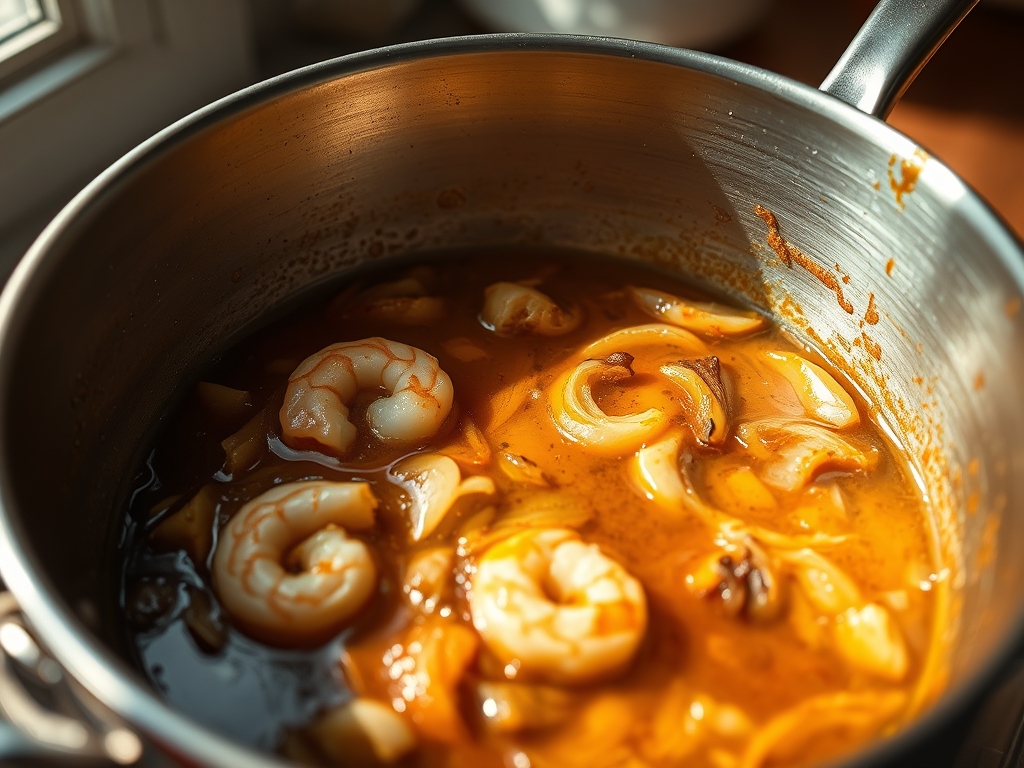
Pour in the white wine and lemon juice. Use a bench scraper or wooden spoon to scrape up the fond (the browned bits) from the bottom of the pan. This is where the flavor complexity lives. Let the liquid reduce by half.
Pro Tip: This is a deglaze operation. The alcohol in the wine acts as a solvent, capturing flavor molecules that are not water-soluble, creating a deeper, more resonant sauce profile.
5. The Lipid Emulsification
Turn the heat to low. Toss in the remaining cold butter cubes and the parsley. Vigorously whisk or swirl the pan until the butter melts into a creamy, viscous sauce. Remove from heat immediately.
Pro Tip: This is the science of rapid acid lipid emulsion. The cold butter prevents the sauce from "breaking" or separating into a greasy mess. The milk solids in the cold butter act as an emulsifier, binding the wine and oil together.
Section B: Prep & Timing Fault-Lines:
The most common failure in 10 Minute Shrimp Scampi is "The Stall." If you are still peeling garlic while the oil is smoking, you have already lost. This recipe requires a Mise en Place audit. Every ingredient must be measured and staged within arm's reach of the burner. If your shrimp are still damp, they will not sear; they will boil. Use a lint-free kitchen towel to bone-dry the protein before it touches the pan.
THE VISUAL SPECTRUM
Section C: Thermal & Visual Troubleshooting:
Referencing the Masterclass photo above, look for the "C" shape of the shrimp. A perfect shrimp is a "C," while an overcooked shrimp is an "O." If your sauce looks translucent rather than opaque and creamy, your emulsion has failed. This usually happens if the heat was too high when the final butter was added. To fix a broken sauce, add a teaspoon of hot water and whisk violently to re-establish the molecular bond. If the parsley looks brown and wilted, you added it too early; it should be a vibrant, neon green against the pale gold of the sauce.
THE DEEP DIVE
Macro Nutrition Profile:
Per serving, this dish delivers approximately 340 calories, 35g of protein, 4g of carbohydrates, and 18g of fat. It is a high-efficiency protein delivery system with minimal glycemic impact.
Dietary Swaps:
- Vegan: Substitute shrimp with king oyster mushroom medallions and use a high-quality plant-based butter alternative.
- Keto: This dish is inherently keto-friendly. Serve over zoodles or steamed asparagus.
- GF: Ensure your wine choice is certified gluten-free (most are, but some fining agents vary).
Meal Prep & Reheating Science:
Shrimp is notoriously difficult to reheat because the proteins continue to tighten when exposed to secondary heat. If you must reheat, do so in a pan over very low heat with a splash of water to aerate the sauce and prevent the lipids from separating. Avoid the microwave at all costs; it will turn your gourmet meal into a collection of pencil erasers.
THE KITCHEN TABLE
Can I use pre-minced garlic from a jar?
Negative. Jarred garlic is preserved in citric acid, which alters the pH balance of the sauce and introduces a metallic aftertaste. For a dish this fast, the structural integrity of fresh garlic is non-negotiable.
What if I do not want to use alcohol?
Substitute the wine with a high-quality seafood stock or chicken bone broth mixed with an extra teaspoon of lemon juice. You need that acidic component to cut through the heavy lipids of the butter.
Why is my sauce so thin?
You likely skipped the reduction phase or failed to use cold butter. The reduction concentrates the proteins and sugars; the cold butter provides the final thickening through emulsification.
Can I use large "Jumbo" shrimp?
Yes, but you must adjust your thermal timing. Larger shrimp require an additional 60 seconds per side. Use a digital probe thermometer to ensure an internal temperature of 120F (49C) for maximum succulence.