Listen to the snap of a high-density polyethylene cutting board meeting the edge of a sharpened chef knife. We are not just making lunch; we are engineering a nutritional powerhouse with the efficiency of a pit crew. The 10 Minute Chickpea Salad is the ultimate stress test for your kitchen infrastructure. It demands high-velocity prep and a deep understanding of textural contrast. Imagine the crunch of cold, hydrated cellulose against the creamy, starch-heavy profile of a perfectly rinsed legume. This is where high-speed logistics meet culinary finesse. We are bypassing the hours of soaking and simmering in favor of a rapid-fire assembly that respects your time without sacrificing the piquant complexity of a professional-grade dish. This salad is a masterclass in acid-base balance and emulsification. If you are tired of soggy, uninspired lunches that lack structural integrity, you have come to the right place. We are about to optimize your metabolic intake with a recipe that is as robust as it is rapid. Get your digital scale ready. It is time to execute.
THE DATA MATRIX
| Metric | Value |
|---|---|
| Prep Time | 6 Minutes |
| Execution Time | 4 Minutes |
| Yield | 2 Large Servings |
| Complexity | 2/10 |
| Estimated Cost per Serving | $1.45 USD |
THE GATHERS
Ingredient Protocol:
- 425g / 15oz Canned Chickpeas (garbanzo beans), drained and rinsed.
- 120ml / 0.5 cup English cucumber, diced into 5mm cubes.
- 60ml / 0.25 cup Red onion, finely minced.
- 15ml / 1 tbsp Fresh lemon juice, high acidity.
- 30ml / 2 tbsp Extra virgin olive oil, cold-pressed.
- 5g / 1 tsp Dried oregano or 15ml / 1 tbsp fresh parsley, chopped.
- 2g / 0.5 tsp Sea salt, fine grain.
- 1g / 0.25 tsp Cracked black pepper.
- 50g / 1.75oz Feta cheese, crumbled (optional for vegan).
Section A: Ingredient Quality Audit:
The primary failure point in a 10 Minute Chickpea Salad is the osmotic pressure within the legume itself. If your canned chickpeas are mushy, they have been over-processed in the retort pouch. To fix this, soak the drained beans in ice-cold filtered water for three minutes to firm up the pectin structures. If your cucumbers are leaching too much moisture, it indicates a breakdown in the cell walls. Deseed the cucumber using a spoon before dicing to prevent your salad from becoming a soup. Finally, if your olive oil tastes bitter, it has likely oxidized. Always store your oils in dark glass bottles away from thermal sources like the stovetop to preserve the delicate polyphenols.
THE MASTERCLASS
1. The Legume Decontamination
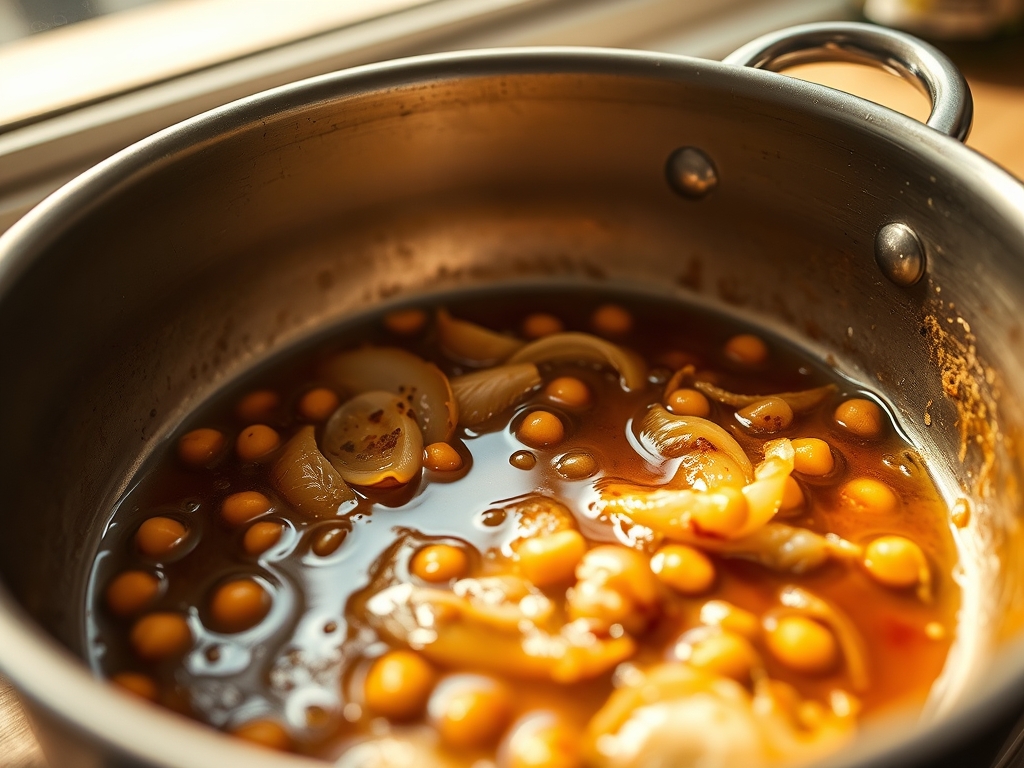
Drain the chickpeas into a stainless steel colander. Rinse under high-pressure cold water until the aquafaba residue is completely eliminated. Use a clean kitchen towel or a salad spinner to remove every drop of surface moisture.
Pro Tip: Surface moisture is the enemy of dressing adhesion. If the beans are wet, the oil-based dressing will slide off due to hydrophobic repulsion. Use a bench scraper to move the beans efficiently without bruising the skins.
2. Precision Geometric Reduction
Dice the cucumber, red onion, and bell peppers into uniform 5mm cubes. Consistency in size ensures that every forkful has a balanced ratio of aromatics to starches.
Pro Tip: Use a digital scale to ensure your ratios are exact. Uniformity in size also increases the total surface area, allowing the lemon juice to infuse the vegetables more rapidly through capillary action.
3. Emulsion Synthesis
In a small stainless steel saucier or mixing bowl, whisk the lemon juice, sea salt, and black pepper. Slowly stream in the olive oil while whisking vigorously to aerate and create a temporary emulsion.
Pro Tip: The citric acid in the lemon juice acts as a surfactant. By whisking the salt into the acid before adding the oil, you ensure the salt crystals fully dissolve, preventing "gritty" hot spots in the final flavor profile.
4. The Final Assembly
Combine the dried chickpeas, diced vegetables, and dressing in a large glass bowl. Fold gently using a silicone spatula to incorporate the dressing without crushing the legumes. Top with crumbled feta and herbs.
Pro Tip: Let the salad sit for two minutes before serving. This allows the salt to render a small amount of moisture from the vegetables, which mingles with the dressing to create a more viscous and flavorful coating.
Section B: Prep & Timing Fault-Lines:
The most common timing error is the "Warm Legume Trap." If you are using freshly boiled chickpeas instead of canned, they must be chilled to below 10 degrees Celsius before assembly. Adding acid and oil to a hot starch causes the oil to soak into the bean, resulting in a heavy, greasy texture rather than a crisp, bright finish. Furthermore, if you mince your herbs too early, the oxidative enzymes will turn them brown. Always chop your greens as the final step in the sequence to maintain the vibrant chlorophyll levels.
THE VISUAL SPECTRUM
Section C: Thermal & Visual Troubleshooting:
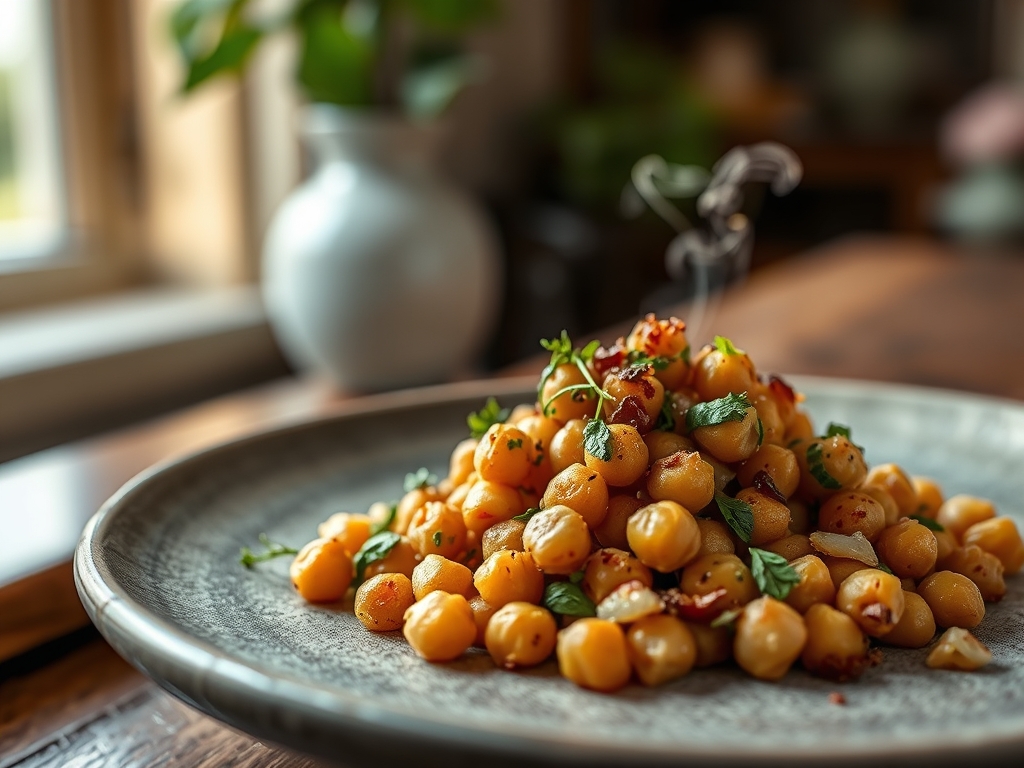
Referencing the Masterclass photo, notice the matte finish on the chickpeas contrasted with the specular highlights on the cucumbers. If your salad looks dull or "flat," you have likely under-acidified the mixture. A splash of vinegar or extra lemon juice will brighten the colors. If the red onions appear translucent rather than opaque and sharp, they have sat in the acid too long and have begun to "cook" via denaturing proteins. For the best visual impact, ensure your feta cheese is in distinct crumbles rather than a smeared paste; this is achieved by folding it in at the very last second with minimal agitation.
THE DEEP DIVE
Macro Nutrition Profile:
This 10 Minute Chickpea Salad is a macronutrient powerhouse. One serving provides approximately 350 calories, 12g of plant-based protein, 45g of complex carbohydrates, and 15g of healthy fats. The high fiber content (approx 10g) ensures a low glycemic response, preventing the mid-afternoon energy crash common with refined grain lunches.
Dietary Swaps:
- Vegan: Omit the feta or replace it with a cashew-based fermented "cheese" or brined olives for that essential salinity.
- Keto: Chickpeas are starch-heavy; to lower the carb count, reduce the chickpea volume by half and double the cucumber and hemp hearts.
- GF: This recipe is naturally gluten-free; just ensure your spices are not processed in a facility with wheat.
Meal Prep & Reheating Science:
Do not reheat this dish. The molecular structure of the raw vegetables relies on turgor pressure; heat will collapse the cell walls and turn the salad into a mushy stew. For meal prep, store the dressing in a separate 30ml container. This prevents the acid from breaking down the vegetable fibers over time, keeping the salad "crunch-stable" for up to 72 hours in a sealed environment.
THE KITCHEN TABLE
How do I stop the onions from being too sharp?
Soak the minced onions in cold water for five minutes then pat dry. This leaches out the propanethial S-oxide, the volatile gas responsible for the "burn," leaving behind a crisp, mild flavor that won't dominate the palate.
Can I use bottled lemon juice?
Avoid it if possible. Bottled juice often contains preservatives like sodium metabisulfite which alters the pH balance and introduces a metallic aftertaste. Fresh lemon juice provides active enzymes and a superior aromatic profile that defines the dish.
My dressing keeps separating at the bottom. Why?
This is standard physics. Without a chemical emulsifier like mustard or egg yolk, oil and juice will eventually separate. Give the salad a quick toss immediately before consumption to re-distribute the fats and acids across the surface area.
Why are my chickpeas peeling?
Vigorous washing or over-mixing can dislodge the translucent skins. While edible, they can look unappealing. Handle the legumes with a gentle folding motion using a wide spatula rather than a heavy spoon to maintain their structural integrity.