Stop treating your kitchen like a hobbyist playground and start treating it like a high-performance laboratory. We are not just tossing legumes into a ceramic pot; we are managing a complex series of chemical reactions designed to maximize the Maillard response and achieve peak viscous structural integrity. The Slow Cooker Chili is the ultimate test of your culinary infrastructure. It is a slow-motion collision of proteins, lipids, and piquant aromatics that requires more than just a "set it and forget it" mentality. It requires an audit of your thermal efficiency. Imagine the scent of toasted cumin and rendered beef fat permeating your workspace. This is not just a meal; it is a multi-hour extraction of flavor profiles that would be lost in a high-heat environment. We are looking for a specific density here. We want a bowl that holds its shape against the spoon, where the beans remain intact but yield to the slightest pressure, and the sauce is a deep, mahogany-red emulsion of spice and marrow.
THE DATA MATRIX
| Metric | Specification |
|---|---|
| Prep Time | 30 Minutes |
| Execution Time | 6 to 8 Hours (Low Thermal Setting) |
| Yield | 6 to 8 Standard Units (Servings) |
| Complexity (1-10) | 4 (Process Intensive) |
| Estimated Cost per Serving | $2.15 USD |
THE GATHERS
Ingredient Protocol:
- 900g / 2 lbs Lean Ground Beef (85/15 ratio)
- 2 Large Yellow Onions (400g), diced
- 4 Cloves Garlic (20g), minced
- 800g / 28 oz Crushed Tomatoes
- 400g / 15 oz Kidney Beans, rinsed and drained
- 400g / 15 oz Black Beans, rinsed and drained
- 30ml / 2 tbsp Tomato Paste
- 45ml / 3 tbsp Chili Powder
- 15ml / 1 tbsp Ground Cumin
- 5ml / 1 tsp Smoked Paprika
- 250ml / 1 cup Beef Bone Broth
- 15ml / 1 tbsp Worcestershire Sauce
- 10g / 2 tsp Kosher Salt
Section A: Ingredient Quality Audit:
If your ground beef appears grey or excessively wet in the packaging, you are dealing with high moisture content that will inhibit browning. Pat the protein dry with lint-free towels before it touches the pan. If your spices lack a pungent aroma, they have likely oxidized. To fix this, toast your spices in a dry saucier for 60 seconds until they become fragrant before adding them to the slow cooker. This re-activates the volatile oils. For beans that feel "chalky" even after cooking, the culprit is often hard water or acidic interference. Ensure you rinse canned beans thoroughly to remove excess sodium and metallic preservatives.
THE MASTERCLASS
1. Thermal Pre-Sear and Rendering
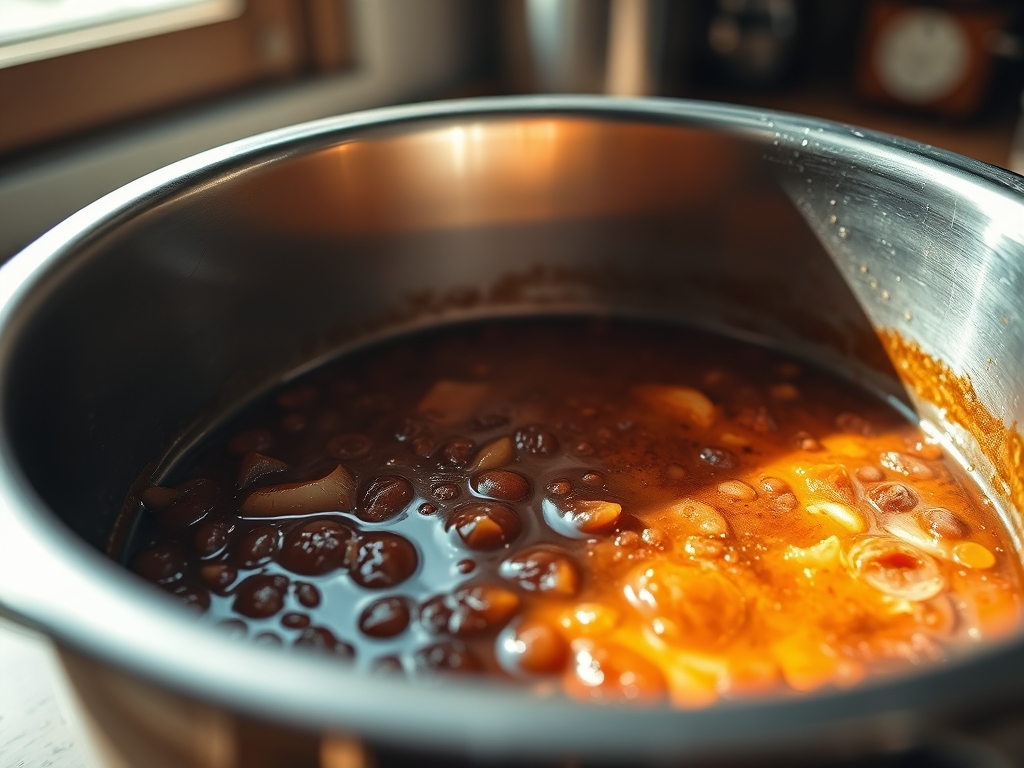
Place your ground beef in a heavy-bottomed pan over medium-high heat. Use a bench scraper or a stiff spatula to break the protein into uniform 1cm pieces. Do not stir constantly. Allow the meat to develop a deep brown crust to initiate the Maillard reaction.
Pro Tip: Use a digital scale to ensure your meat-to-aromatic ratio is precise. Browning the meat separately instead of dumping it raw into the slow cooker prevents a "boiled meat" texture and ensures the fats render properly.
2. Aromatic Activation
Remove the meat and add the diced onions to the residual fat. Sauté until translucent, then add the garlic and tomato paste. Stir until the paste turns from bright red to a dark rust color.
Pro Tip: This process is called "pincé." It caramelizes the sugars in the tomato paste, removing the raw metallic edge and providing a foundational viscous depth to the final sauce.
3. Deglaze and Transfer
Pour 60ml of the beef broth into the hot pan to deglaze. Use your spatula to scrape up every bit of the "fond" (the brown bits stuck to the bottom). Pour this concentrated flavor liquid into the slow cooker insert.
Pro Tip: The fond contains the highest concentration of umami. Skipping this step is a structural failure in flavor development. A high-quality stainless steel saucier is the ideal tool for this extraction.
4. Long-Phase Infusion
Add the browned beef, sautéed aromatics, beans, remaining broth, and all spices into the slow cooker. Stir to ensure the spices are evenly distributed throughout the matrix. Set the device to "Low" for 7 to 8 hours.
Pro Tip: Cooking on "Low" rather than "High" allows the collagen in the beef to break down into gelatin slowly. This creates a superior mouthfeel and prevents the beans from bursting due to aggressive thermal agitation.
Section B: Prep & Timing Fault-Lines:
The most common human error is the "Late Addition" of spices. If you add your chili powder in the final hour, the flavors will remain disjointed and harsh. They need the full 6-hour cycle to infuse into the fats. If your timing is off and the chili is too thin at the 6-hour mark, do not turn up the heat. Instead, take one cup of the beans, mash them into a paste, and stir them back in. This uses natural starches to thicken the emulsion without the need for flour or cornstarch.
THE VISUAL SPECTRUM
Section C: Thermal & Visual Troubleshooting:
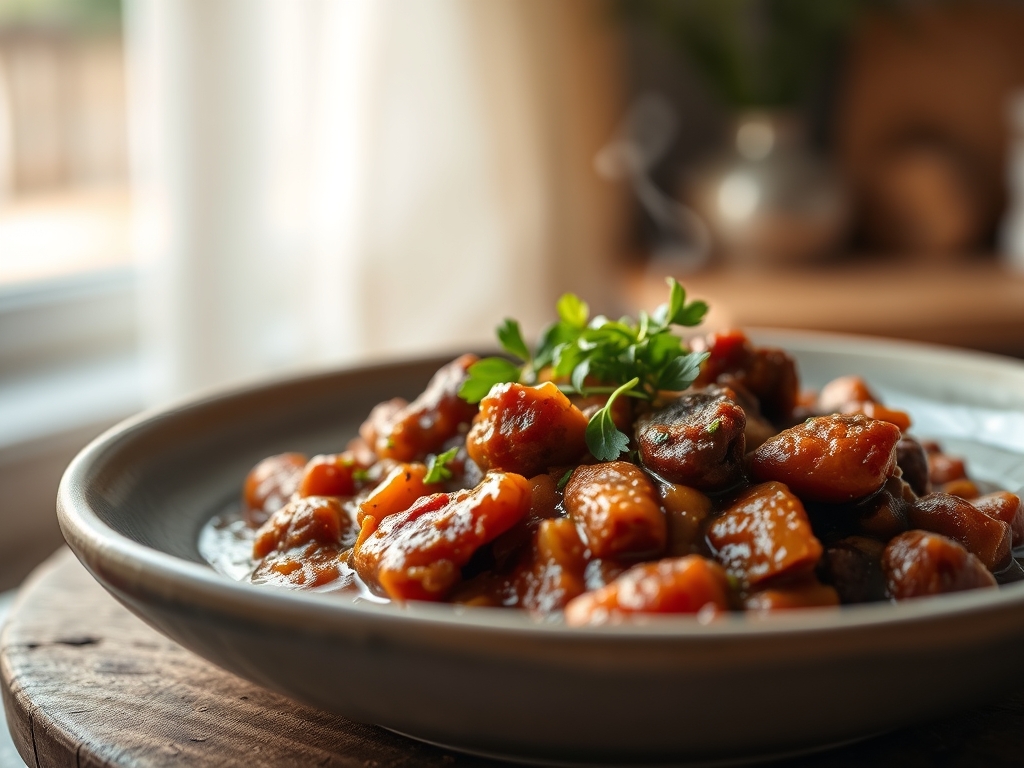
Referencing the Masterclass photo, your Slow Cooker Chili should exhibit a vibrant, glossy sheen. This indicates a successful fat-to-liquid emulsification. If the surface looks dull or "matte," you likely lacked enough fat during the searing phase; stir in a teaspoon of olive oil to restore the luster. If you see a layer of yellow oil pooling at the top, your beef was too fatty. Use a wide spoon to skim the excess off the surface. The colors should be distinct; the beans should be dark and defined against the deep red sauce. If the dish looks like a uniform brown sludge, you likely overcooked it or stirred too aggressively, breaking the cellular walls of the legumes.
THE DEEP DIVE
Macro Nutrition Profile:
A standard 300g serving provides approximately 340 calories, 28g of protein, 32g of carbohydrates, and 12g of fiber. The high fiber content from the dual-bean protocol ensures a low glycemic index, providing sustained energy release rather than a glucose spike.
Dietary Swaps:
For a Vegan variant, substitute the beef with 900g of firm lentils or a soy-based crumble and use vegetable umami broth. For Keto compliance, omit the beans entirely and increase the beef volume to 1.4kg, adding diced bell peppers for texture. This recipe is naturally Gluten-Free, provided your beef broth is certified.
Meal Prep & Reheating Science:
Chili is molecularly superior on day two. As the mixture cools, the spices continue to penetrate the proteins, and the starches stabilize. When reheating, do not use a microwave on high power, as this causes "localized boiling" which toughens the meat. Reheat on a stovetop over low heat, adding 30ml of water to restore the original viscous consistency.
THE KITCHEN TABLE
Why is my chili bitter?
Bitterness usually stems from scorched garlic or over-toasted spices. If the "pincé" phase goes too long, the sugars carbonize. Balance this by adding a pinch of brown sugar or a teaspoon of cocoa powder to neutralize the acidity.
Can I cook this on "High" in 4 hours?
You can, but you shouldn't. High heat tightens the muscle fibers in the beef before the collagen can melt. This results in "rubbery" meat and "mushy" beans. Low and slow is the only path to molecular excellence.
Should I drain the canned beans?
Always. The liquid in the can is high in sodium and contains oligosaccharides that cause digestive distress. Rinsing the beans allows you to control the salinity and the chemical composition of your stew.
How do I make it spicier without changing the texture?
Do not add more powder. Instead, infuse the base with a finely minced chipotle pepper in adobo sauce. This adds heat and a smoky complexity without altering the moisture levels or the density of the chili.