The kitchen is a theater of thermodynamics; nowhere is the drama more palpable than when sliding a slab of Atlantic pink into the dry, circulating heat of a convection chamber. We are talking about the gold standard of weeknight efficiency: Oven Baked Salmon. This is not merely a meal; it is a high-stakes audit of fat rendering and protein coagulation. When executed with precision, the result is a masterpiece of textural contrast where the exterior achieves a delicate, translucent shimmer while the interior remains a buttery, medium-rare mosaic. If you have ever been served a piece of fish that resembles a dry, chalky eraser, you have witnessed a failure of thermal management. We are here to eliminate those variables. By leveraging the radiant heat of the oven, we bypass the frantic splattering of the stovetop and enter a realm of controlled, hands-off excellence. The goal is simple: total structural integrity and a flavor profile that sings with the clarity of salt, fat, and acid.
THE DATA MATRIX
| Metric | Specification |
|---|---|
| Prep Time | 10 Minutes |
| Execution Time | 12 to 15 Minutes |
| Yield | 4 Servings |
| Complexity (1-10) | 3 |
| Estimated Cost per Serving | $7.50 to $11.00 USD |
THE GATHERS
Ingredient Protocol:
- 700g / 1.5 lbs Fresh Salmon Fillet (center-cut preferred)
- 30ml / 2 tbsp Extra Virgin Olive Oil
- 15g / 1 tbsp Unsalted Butter (melted)
- 10g / 2 tsp Kosher Salt
- 5g / 1 tsp Cracked Black Pepper
- 2 Large Lemons (thinly sliced)
- 15g / 3 cloves Garlic (microplaned)
- 5g / 1 tbsp Fresh Dill (chopped)
Section A: Ingredient Quality Audit:
Sub-par raw materials are the primary cause of culinary insolvency. If your salmon exhibits a "fishy" odor, it is already undergoing oxidative rancidity; a quick rinse in cold water and a 10-minute soak in a viscous brine of salt and sugar can neutralize minor odors, but fresh is always king. If the flesh feels "mushy" rather than firm, the cellular structure has been compromised by improper freezing. To fix this, increase your initial oven temperature by 10 degrees to accelerate surface dehydration. If using dried herbs instead of fresh, remember that they are more piquant and concentrated; reduce the volume by half to ensure you do not overpower the delicate lipids of the fish.
THE MASTERCLASS
1. Thermal Pre-Conditioning
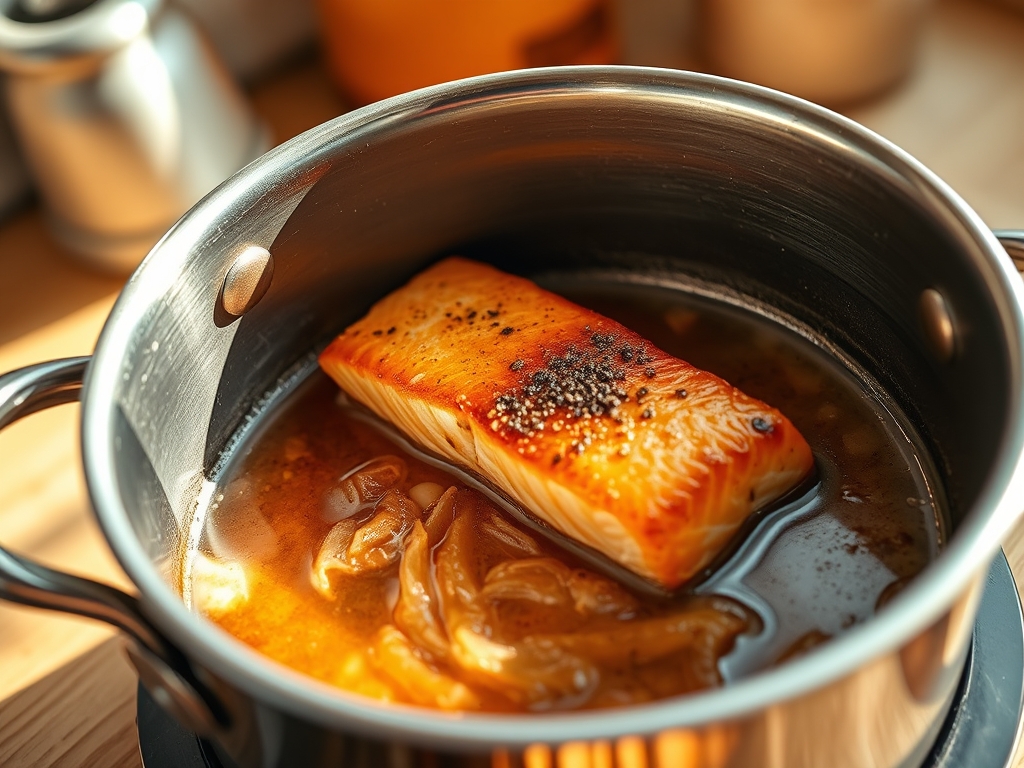
Preheat your oven to 200C / 400F. While the chamber stabilizes, remove the salmon from refrigeration and allow it to sit at room temperature for 15 minutes. Cold protein hitting a hot pan causes the muscle fibers to contract violently, squeezing out moisture and leaving you with a tough result.
Pro Tip: Use a digital scale to weigh your portions. Uniformity in mass ensures that every fillet reaches the target internal temperature simultaneously, preventing the "one raw, one burnt" scenario common in amateur kitchens.
2. Moisture Management and Surface Prep
Pat the salmon bone-dry using lint-free paper towels. Moisture is the enemy of the Maillard reaction; any water on the surface must evaporate before browning can begin. Once dry, brush the surface with a mixture of melted butter and olive oil to create a conductive fat layer.
Pro Tip: Use a saucier to gently melt your butter and infuse it with the microplaned garlic. This creates a more homogenous flavor profile and prevents the garlic from scorching in the dry heat of the oven.
3. The Structural Foundation
Line a heavy-gauge rimmed baking sheet with parchment paper. Lay down a bed of lemon slices to act as a thermal buffer between the metal and the fish. Place the salmon skin-side down on the citrus. Season aggressively with salt and pepper from a height of at least 12 inches to ensure even distribution.
Pro Tip: A bench scraper is the ideal tool for transferring large fillets from the cutting board to the baking sheet without compromising the structural integrity of the delicate flesh.
4. The Radiant Execution
Slide the tray into the center rack. Bake for 12 to 15 minutes, or until the internal temperature reaches 52C / 125F for a perfect medium. The fish should be opaque on the outside but still yield slightly to pressure.
Pro Tip: Use an instant-read probe thermometer. Relying on "vibes" or visual cues alone is a recipe for overcooking. The carryover heat will raise the temperature by another 2 to 3 degrees once removed from the oven.
Section B: Prep & Timing Fault-Lines:
The most common failure point is the "Albumin Leak." This is the white, gooey protein that seeps out of the fish when it is cooked too fast or too high. To mitigate this, ensure your oven is accurately calibrated. If you notice the white beads forming, immediately reduce the heat or pull the fish. Another timing error is the failure to account for fillet thickness; a 1-inch tail piece will cook 40% faster than a 2-inch center cut. Always group similar thicknesses together or remove smaller pieces earlier to maintain a consistent quality control standard across the board.
THE VISUAL SPECTRUM
Section C: Thermal & Visual Troubleshooting:
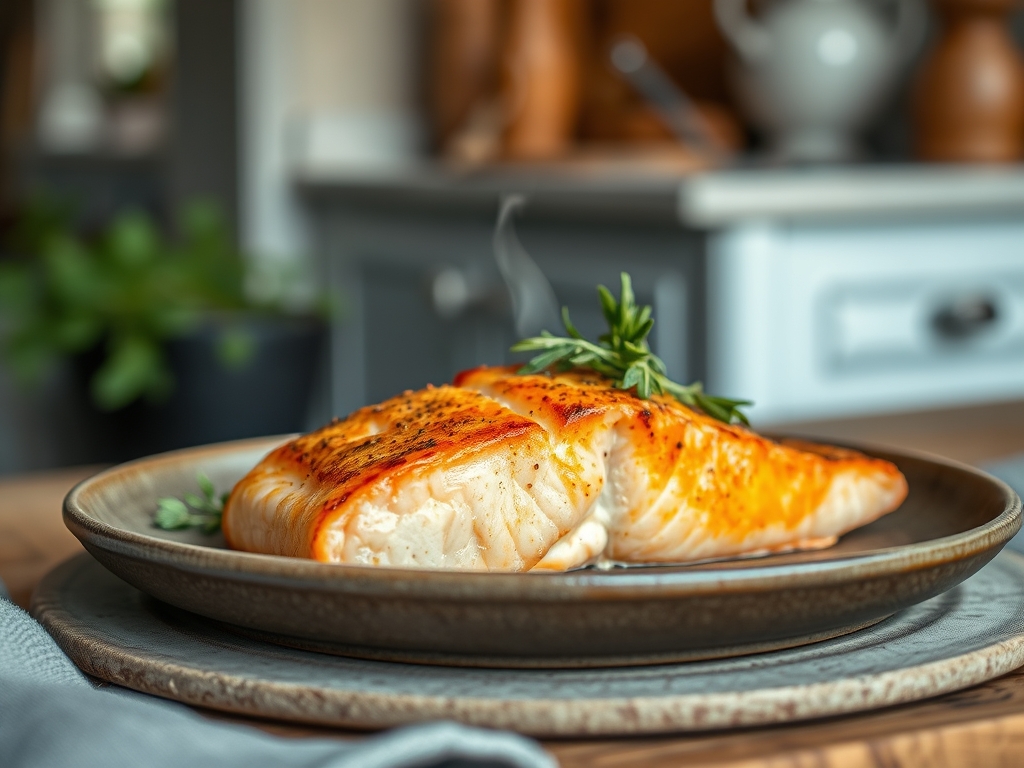
As seen in the Masterclass photo, a successful Oven Baked Salmon should possess a vibrant, saturated orange hue with distinct, white fat lines. If your fish looks dull or grey, it has been oxidized or overcooked. If the edges are charred but the center is translucent, your oven has "hot spots" or you placed the tray too close to the upper heating element. To fix uneven browning, rotate the pan 180 degrees halfway through the cycle. If the skin is soggy, you failed the moisture management phase; next time, ensure the skin is bone-dry and consider a light dusting of cornstarch to absorb residual humidity and promote crispness.
THE DEEP DIVE
Macro Nutrition Profile:
A standard 170g / 6oz serving of Oven Baked Salmon delivers approximately 350 calories, 34g of high-bioavailability protein, and 22g of healthy fats, primarily Omega-3 fatty acids. It is a nutrient-dense powerhouse with zero carbohydrates, making it a staple for metabolic efficiency.
Dietary Swaps:
- Vegan: Swap the salmon for a large "steak" of cauliflower or a firm block of tofu. Use coconut oil instead of butter.
- Keto: This recipe is naturally keto-compliant. Increase the butter ratio to boost the fat-to-protein macro balance.
- Gluten-Free: This protocol is inherently GF; just ensure your seasoning blends do not contain hidden anti-caking agents derived from wheat.
Meal Prep & Reheating Science:
To maintain the molecular structure during reheating, avoid the microwave at all costs. The microwave agitates water molecules, essentially steaming the fish from the inside out and turning it into rubber. Instead, reheat in a 150C / 300F oven with a splash of water and a foil cover to create a gentle, humid environment that prevents the lipids from breaking down.
THE KITCHEN TABLE
How do I know the salmon is done without a thermometer?
Press the thickest part of the fillet with a fork. If the flesh flakes easily along the natural white lines (the fat seams), it is ready. If it resists, it needs more time to render the connective tissue.
Why is my salmon skin always soggy?
The oven is a high-moisture environment. For crispy skin, you must sear the skin-side in a pan for 2 minutes before finishing in the oven. Alternatively, ensure the skin is perfectly dry and the oven is fully preheated.
Can I bake salmon from frozen?
Technically yes, but the quality suffers. The exterior will overcook while the center remains icy. For the best results, thaw in the refrigerator overnight to maintain the cellular integrity of the protein fibers.
What is the best way to infuse more flavor?
Create a viscous glaze using honey and soy sauce. Apply this during the final 3 minutes of cooking. This allows the sugars to caramelize without burning, providing a sweet and salty counterpoint to the rich fat.