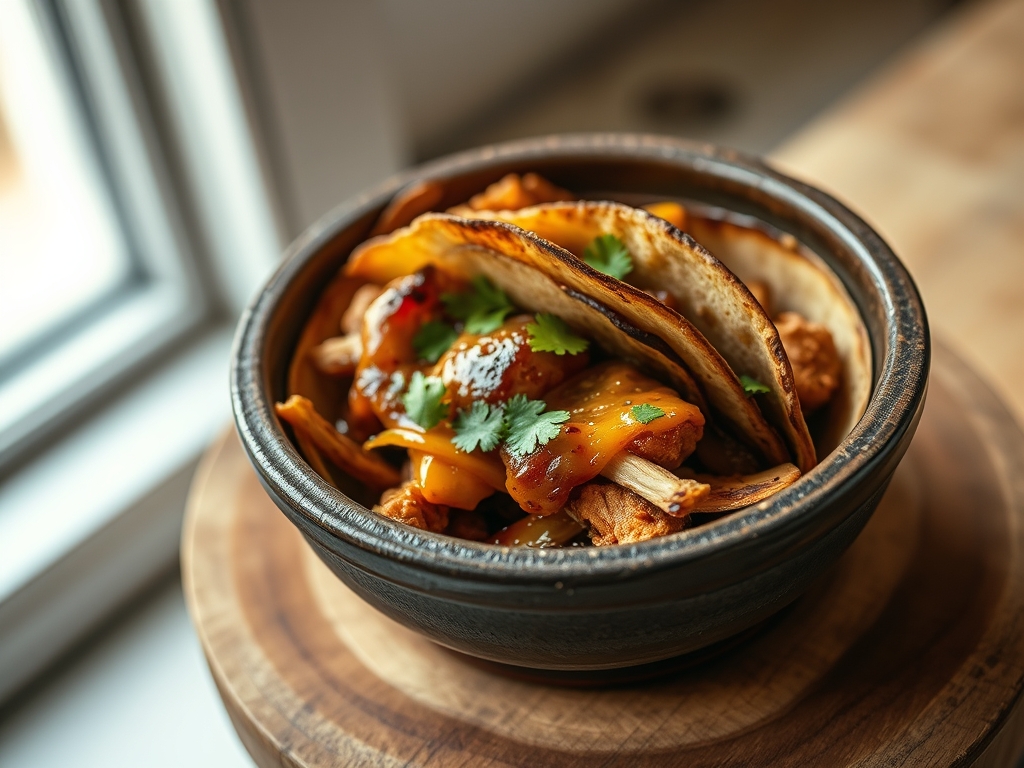
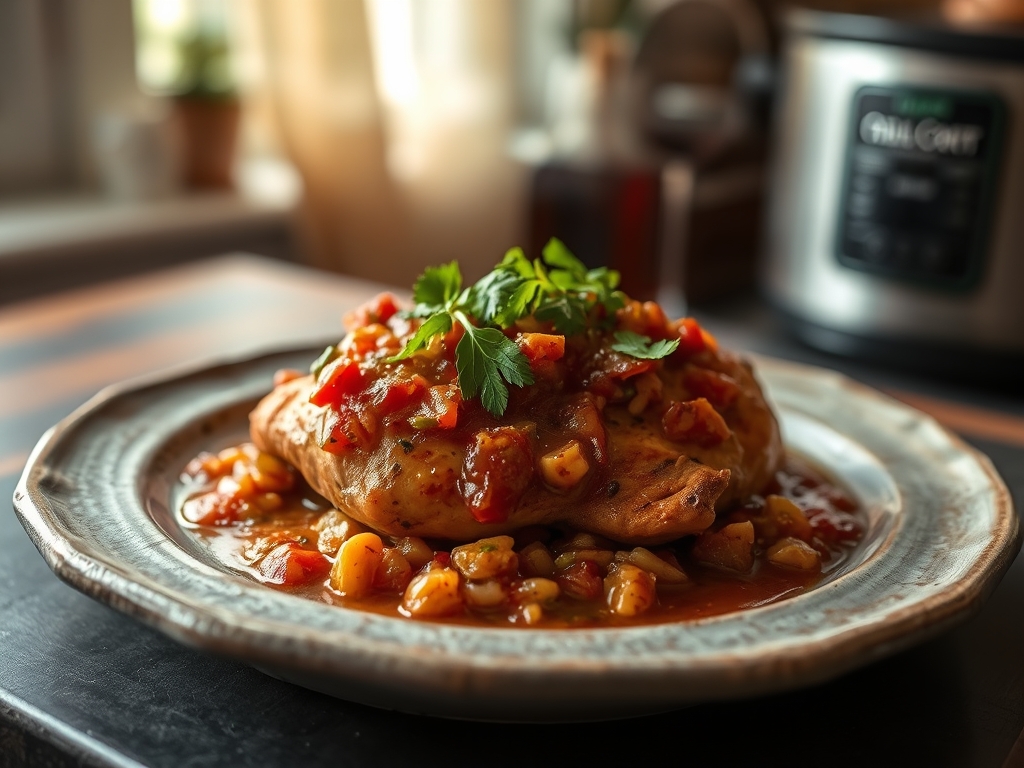
Listen to the sound of a kitchen operating at peak efficiency. It is not just the hum of the refrigerator or the rhythmic click of a burner; it is the silent, structural transformation of protein fibers under the influence of low, slow thermal energy. We are moving beyond the realm of basic home cooking and into the architecture of moisture retention. Today, we audit the Slow Cooker Salsa Chicken. This is the gold standard of passive poultry infrastructure. When executed with precision, the result is a mountain of succulent, piquant shreds that defy the usual desiccated fate of overcooked breast meat. We are looking for a specific textural profile: a viscous coating of salsa that clings to every fiber without drowning the integrity of the meat. This dish is a lesson in patience and pH balance. It is the ultimate high-yield asset for your culinary portfolio. If you have ever suffered through a dry, stringy taco filling, consider this your formal invitation to a higher tier of domestic engineering. We are about to render ordinary ingredients into a masterpiece of hydration.
THE DATA MATRIX
| Metric | Specification |
|---|---|
| Prep Time | 10 Minutes |
| Execution Time | 4 to 8 Hours (Thermal Dependent) |
| Yield | 6 to 8 Servings |
| Complexity (1-10) | 2 |
| Estimated Cost per Serving | $1.45 USD |
THE GATHERS
Ingredient Protocol:
- 900g / 2 lbs Boneless, skinless chicken breasts or thighs.
- 475ml / 2 cups High-quality chunky salsa (medium heat recommended).
- 15ml / 1 tbsp Freshly squeezed lime juice.
- 5g / 1 tsp Ground cumin (toasted for maximum aromatic volatility).
- 3g / 0.5 tsp Smoked paprika.
- 2 cloves Fresh garlic, microplaned.
- 10g / 0.25 cup Fresh cilantro, chopped (for post-process garnish).
Section A: Ingredient Quality Audit:
The primary failure point in Slow Cooker Salsa Chicken is the water content of the salsa itself. Cheap, mass-market salsas are often stabilized with gums or diluted with excessive water. If your salsa pours like a beverage, your chicken will boil rather than braise. Technical Fix: If your salsa lacks body, strain 100ml of the liquid through a fine-mesh sieve before adding it to the pot. Conversely, if your chicken breasts are "enhanced" with a saline solution (common in frozen bags), they will purge excessive liquid during the cook. To counteract this, reduce the initial salsa volume by twenty percent. Always audit your aromatics; if your garlic has sprouted a green germ, discard it. That germ introduces a bitter, sulfurous note that intensifies over a six-hour cook cycle.
THE MASTERCLASS
1. Protein Alignment and Seasoning:
Pat the chicken dry using lint-free paper towels to ensure the dry rub adheres to the surface. Place the chicken on a clean work surface and season both sides with cumin, paprika, and a pinch of salt. Use a digital scale to ensure your spice ratios are consistent across every batch.
Pro Tip: Drying the meat surface prevents the spices from sliding off into the liquid reservoir immediately. This allows the dry spices to form a concentrated flavor crust before the slow cooker generates enough steam to wash them down.
2. The Salsa Saturation:
Layer the seasoned chicken into the ceramic insert of the slow cooker. Pour the salsa over the top, ensuring every square centimeter of the protein is covered. Add the microplaned garlic and lime juice. Use a silicone spatula to tuck some of the salsa underneath the breasts to prevent bottom-side scorching.
Pro Tip: The acidity in the lime juice and salsa acts as a chemical denaturant. It begins to break down the tough connective tissues even before the heat kicks in; a process known as acid-assisted tenderization.
3. Thermal Execution:
Secure the lid. Set your device to "Low" for 6 to 7 hours or "High" for 3 to 4 hours. If you are using a high-end multicooker, ensure the steam vent is set to the "Sealing" position if required by your specific model to maintain internal humidity.
Pro Tip: High heat causes the muscle fibers to contract violently, squeezing out moisture like a wrung-out sponge. Using the "Low" setting allows the collagen to convert to gelatin slowly, which is the secret to that luscious, mouth-coating texture.
4. The Shredding Protocol:
Once the internal temperature reaches 74 degrees Celsius (165 degrees Fahrenheit), remove the chicken to a large bowl or use a bench scraper on a cutting board. Shred the meat into uniform strands. Return the shredded meat to the slow cooker and toss it with the residual juices for 15 minutes.
Pro Tip: This "resting and tossing" phase is crucial. The shredded fibers act as capillary tubes, drawing the piquant juices back into the center of the meat through osmotic pressure.
Section B: Prep & Timing Fault-Lines:
The most common human error is the "Peek-a-Boo" syndrome. Every time you lift the lid to check progress, you lose significant thermal energy and steam. This can add 20 to 30 minutes to your total cook time. Trust your digital probe thermometer rather than your eyes. Another fault-line is the "Over-Shred." If you process the chicken into a paste-like consistency, you lose the structural integrity required for a premium mouthfeel. Aim for distinct, recognizable strands.
THE VISUAL SPECTRUM
Section C: Thermal & Visual Troubleshooting:
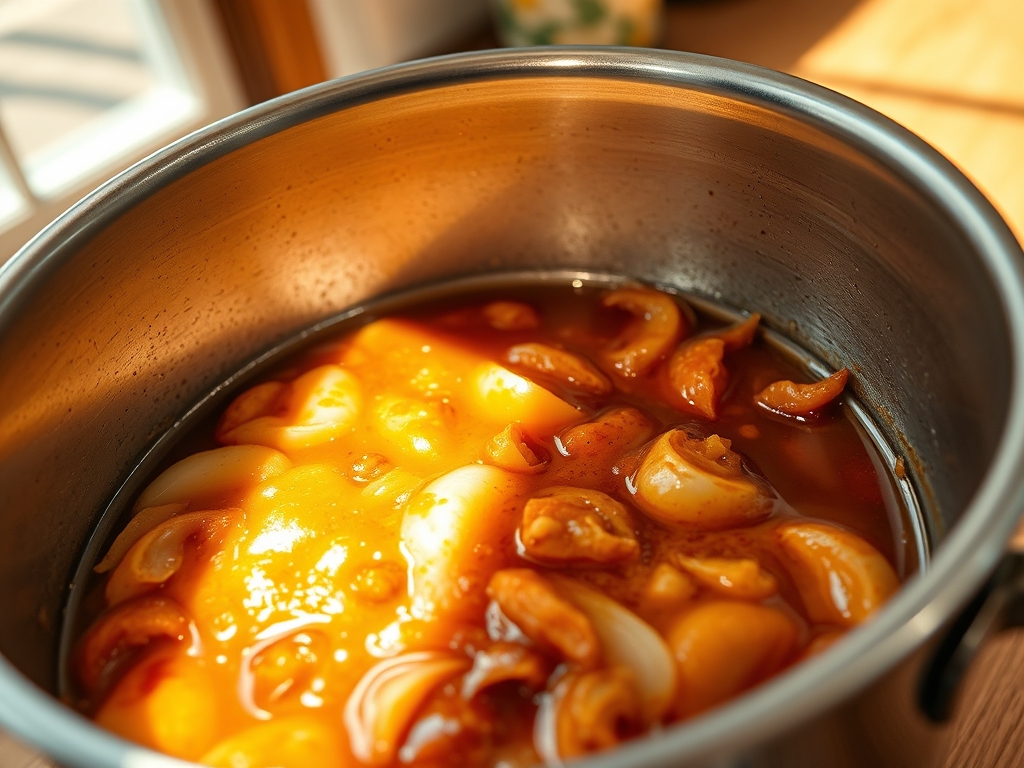
Referencing the Masterclass photo, observe the vibrant, sunset-orange hue of the sauce. If your dish looks dull or grey, you likely lacked enough paprika or used a salsa with too many green fillers. If the liquid appears thin and translucent rather than viscous, you have an emulsion failure. Technical Fix: Whisk 5g of cornstarch with 10ml of cold water to create a slurry; stir this into the pot during the final 20 minutes of cooking. This will infuse the sauce with a glossy, professional sheen. If the chicken looks "fuzzy" or frayed, it was likely overcooked by at least 60 minutes. The visual goal is defined, moist bundles of fiber that glisten under kitchen lighting.
THE DEEP DIVE
Macro Nutrition Profile:
A standard 150g serving provides approximately 220 calories, 35g of protein, 6g of carbohydrates, and 4g of fat. This makes it a high-density protein source with a very low glycemic impact.
Dietary Swaps:
- Vegan: Replace chicken with 900g of jackfruit (canned in brine, rinsed) or firm tofu blocks. Reduce cook time to 2 hours on High.
- Keto: Ensure your salsa has zero added sugars. Serve over cauliflower rice or in lettuce wraps.
- GF: Most salsa is naturally gluten-free, but always verify that your spices do not contain wheat-based anti-caking agents.
Meal Prep & Reheating Science:
To maintain the molecular structure during storage, cool the chicken completely before sealing it in airtight containers. When reheating, do not use a microwave on full power, as this will render the fat too quickly and toughen the fibers. Instead, use a saucier over medium-low heat and add a splash of chicken stock to re-hydrate the sauce.
THE KITCHEN TABLE
Can I use frozen chicken breasts?
Yes, but expect increased liquid volume. The ice crystals inside the meat damage the cell walls, causing more water to leak out during the thaw-cook cycle. Drain the excess liquid before shredding to maintain a viscous sauce consistency.
How do I make it spicier without ruining the balance?
Do not just add more salsa. Instead, infuse the base with a finely diced chipotle pepper in adobo sauce. This adds a smoky depth and concentrated heat without altering the moisture levels of the final product.
Why is my chicken tough even after 8 hours?
You likely used the "High" setting for too long or your slow cooker runs hot. Once the protein reaches its maximum contraction point, it cannot be "softened" further without turning into mush. Always aim for the "Low" setting.
What is the best way to store leftovers?
Store the chicken in its own juices. The liquid acts as a protective barrier against oxidation. In a sealed container, this infrastructure will remain stable in the refrigerator for up to four days or the freezer for three months.