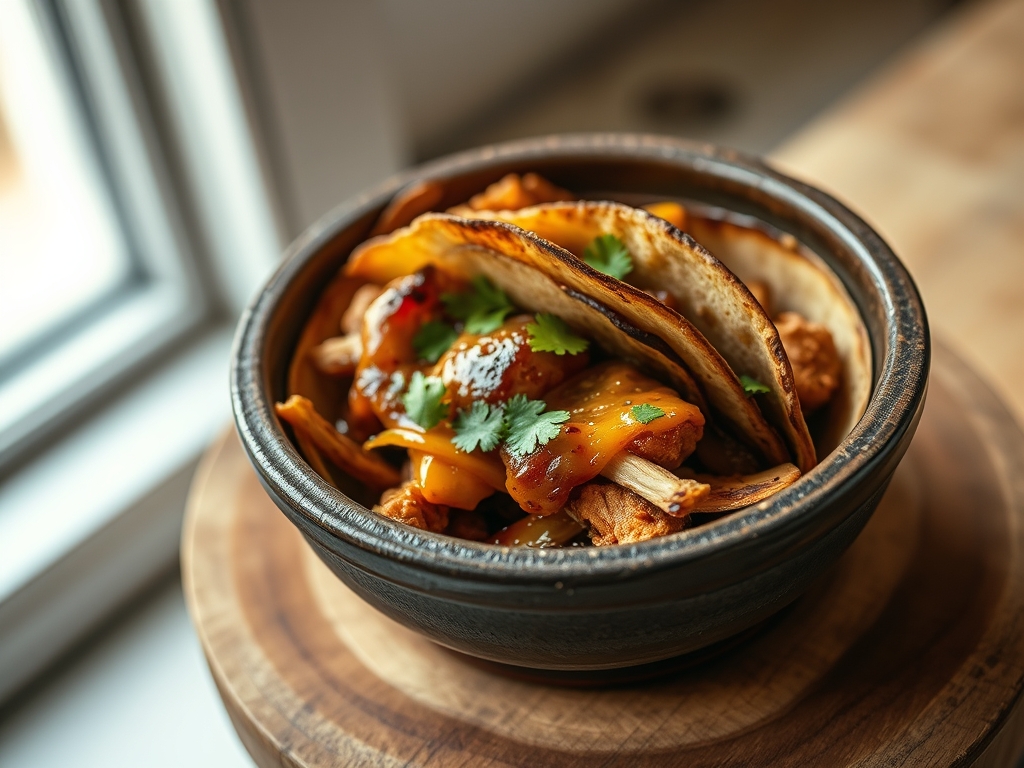
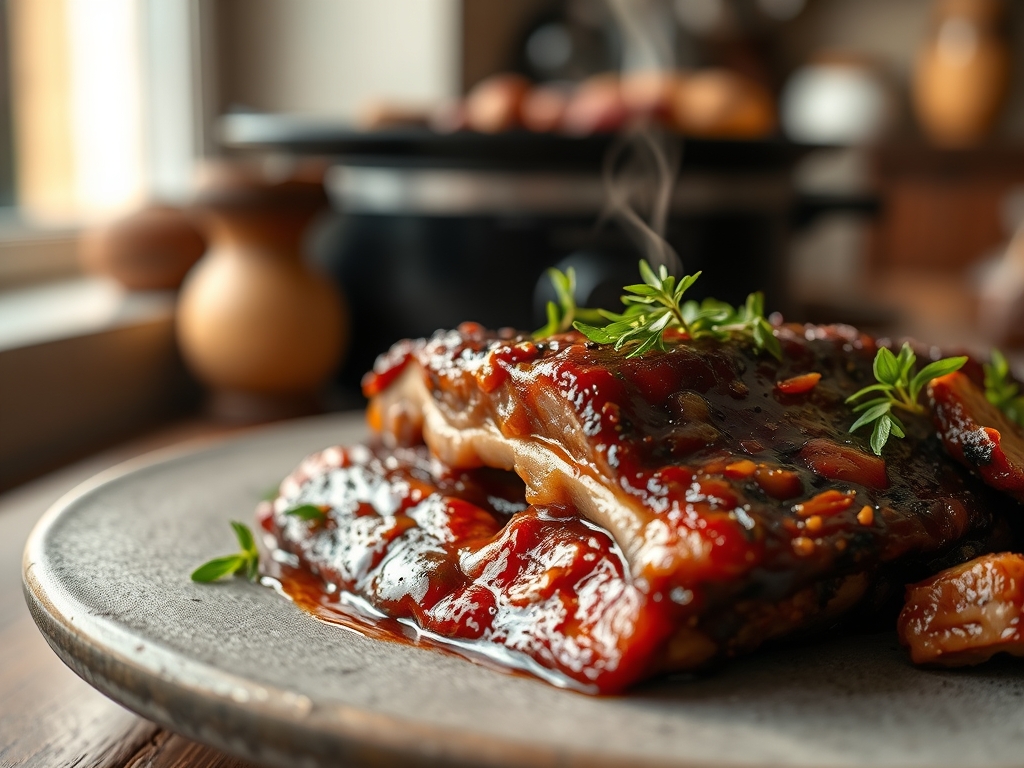
Imagine a culinary landscape where the structural integrity of collagen is systematically dismantled by the relentless, low-frequency hum of a ceramic vessel. We are not just making dinner; we are conducting a high-stakes thermal interrogation of porcine connective tissue. The goal is simple yet profound: total structural collapse. When you embark on the journey of Slow Cooker BBQ Ribs, you are engaging in a calculated waiting game where the prize is a bone that slides out with the effortless grace of a hot knife through cultured butter. The air in your kitchen will thicken with a viscous cloud of hickory and brown sugar, a scent so potent it practically has its own zip code. This is the infrastructure of passive cooking. You set the parameters, you calibrate the heat, and you walk away while the laws of thermodynamics do the heavy lifting. By the time the sun sets, those stubborn, fibrous racks will have surrendered, transforming into a piquant masterpiece of melted marbling and caramelized bark. Prepare yourself for a sensory audit that concludes in pure, unadulterated pork perfection.
THE DATA MATRIX
| Metric | Specification |
|---|---|
| Prep Time | 20 Minutes |
| Execution Time | 8 Hours (Low) / 4 Hours (High) |
| Yield | 4 to 6 Servings |
| Complexity | 3 / 10 |
| Estimated Cost per Serving | $4.50 – $6.00 |
THE GATHERS
Ingredient Protocol:
- 2.3 kg / 5 lbs Pork Baby Back Ribs (Membrane removed)
- 150g / 3/4 cup Brown Sugar (Packed)
- 15g / 1 tbsp Smoked Paprika
- 10g / 2 tsp Garlic Powder
- 10g / 2 tsp Onion Powder
- 5g / 1 tsp Cayenne Pepper
- 15g / 1 tbsp Kosher Salt
- 5g / 1 tsp Coarse Black Pepper
- 500ml / 2 cups High-Quality BBQ Sauce
- 60ml / 1/4 cup Apple Cider Vinegar
- 15ml / 1 tbsp Liquid Smoke (Optional)
Section A: Ingredient Quality Audit:
If your ribs arrive with the silver skin (pleura) still attached, your final texture will be compromised by a rubbery, impenetrable film. Use a butter knife to pry up a corner and a paper towel for grip to strip it away. If your spices are dull or clumped, they have oxidized; toast them in a dry saucier for 60 seconds to infuse the oils back into the surface. Sub-par BBQ sauce can be salvaged by adding a splash of bourbon or a hit of espresso powder to deepen the profile. If the pork smells overly metallic, it may be "enhanced" with a saline solution. Adjust your salt measurements downward by 30 percent to avoid a sodium-induced catastrophe.
THE MASTERCLASS
Step 1: Dry Rub Calibration
Apply the blended dry spices to the ribs using a digital scale to ensure even distribution. Massage the mixture into every crevice of the meat.
Pro Tip: This creates a dry brine. The salt draws moisture out, dissolves the sugar, and then re-enters the protein, seasoning the meat at a cellular level rather than just on the surface.
Step 2: Structural Positioning
Cut the racks into manageable 3-bone or 4-bone segments using a sharp chef's knife. Stand them upright against the walls of the slow cooker, meat side facing out.
Pro Tip: Placing ribs vertically allows the fat to render and drip down the length of the bone, essentially self-basting the meat in its own liquid gold.
Step 3: The Low and Slow Phase
Pour the vinegar and liquid smoke into the bottom of the vessel, ensuring you do not wash the rub off the meat. Set the interface to "Low" for 8 hours.
Pro Tip: Collagen begins to denature into gelatin at approximately 160 degrees Fahrenheit (71 Celsius). A slow cooker maintains this "sweet spot" perfectly, ensuring tenderness without boiling the proteins into mush.
Step 4: The Glaze Application
Carefully extract the ribs using wide silicone tongs. Place them on a foil-lined baking sheet and use a silicone brush to apply a thick layer of BBQ sauce.
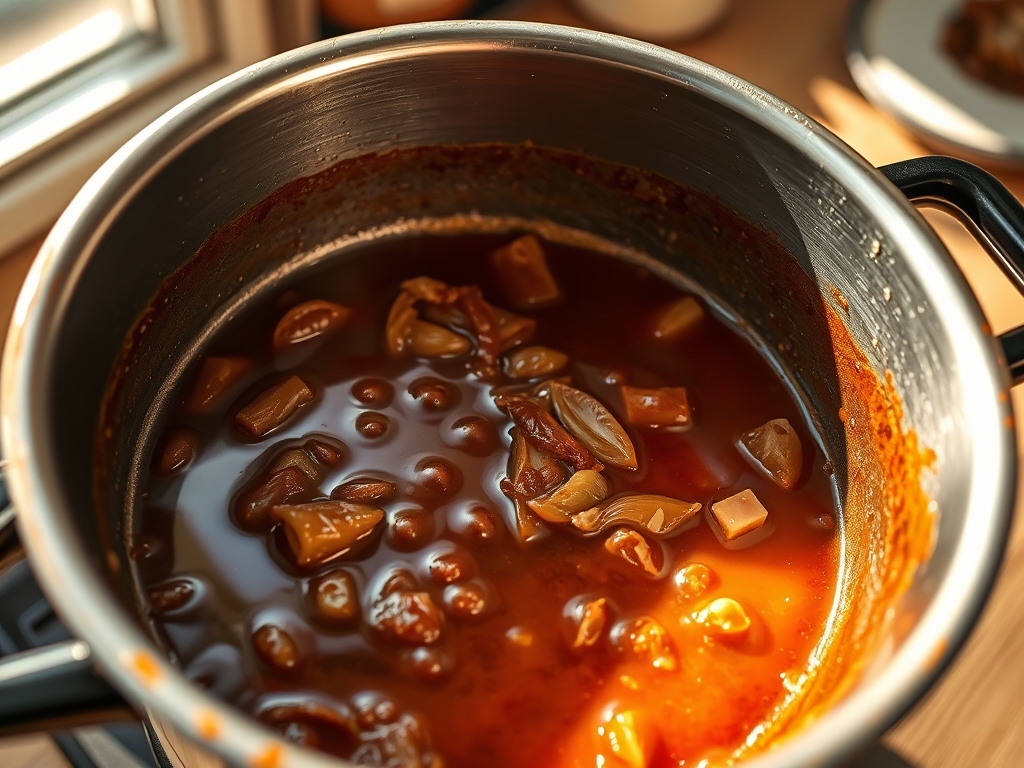
Pro Tip: Transfer any accumulated juices from the slow cooker into a saucier and reduce by half before mixing with your BBQ sauce to amplify the pork essence.
Step 5: Thermal Finishing
Place the glazed ribs under a high broiler for 3 to 5 minutes until the sauce begins to bubble and char.
Pro Tip: This triggers the Maillard reaction. The high heat causes sugars and amino acids to react, creating the complex, smoky "bark" typically reserved for outdoor smokers.
Section B: Prep & Timing Fault-Lines:
The most common human error is the "Peek-a-Boo" syndrome. Every time you lift the lid of the slow cooker, you lose approximately 20 minutes of accumulated thermal energy. Keep the lid sealed. If the meat is falling off the bone prematurely (before the 7-hour mark), your slow cooker may be running hot; switch to the "Warm" setting immediately. If the ribs are still tough, the collagen has not yet converted to gelatin. Do not panic. Extend the time by 45 minutes; science cannot be rushed.
THE VISUAL SPECTRUM
Section C: Thermal & Visual Troubleshooting:
Referencing the Masterclass photo, your ribs should exhibit a deep, mahogany sheen with localized areas of dark, caramelized "bark" from the broiler. If your ribs look grey or "boiled," you skipped the broiler step or failed to pat the meat dry before applying the rub. If the sauce is sliding off rather than clinging, the ribs were too oily; use a bench scraper to remove excess surface fat before glazing. The meat should be pulling back from the bone tips by approximately half an inch; this is the visual "done-ness" indicator that the connective tissue has successfully liquidated.
THE DEEP DIVE
Macro Nutrition Profile:
A standard serving (approx. 3 ribs) contains roughly 450 calories, 32g of protein, 28g of fat, and 18g of carbohydrates (largely from the sauce). To optimize the profile, utilize a sugar-free BBQ sauce or reduce the brown sugar in the rub.
Dietary Swaps:
- Keto: Replace brown sugar with an erythritol-based gold sweetener and use a vinegar-based, sugar-free sauce.
- Vegan: This infrastructure can be applied to thick-cut cauliflower steaks or seitan logs, though the cooking time reduces to 2 hours.
- GF: Ensure your liquid smoke and BBQ sauce are certified gluten-free, as many use barley-based thickeners.
Meal Prep & Reheating Science:
To maintain molecular structure during reheating, avoid the microwave, which vibrates water molecules and toughens the protein. Instead, wrap ribs in foil with a tablespoon of apple juice and heat in a 300-degree oven. This creates a localized steam environment that restores the viscous quality of the gelatin without drying out the fibers.
THE KITCHEN TABLE
Can I use beef ribs instead?
Yes, but increase the cook time. Beef ribs contain significantly more connective tissue and require a full 9 to 10 hours on low to reach the necessary state of structural failure.
Why are my ribs dry despite being in liquid?
You likely cooked them on "High" for too long. High heat causes muscle fibers to contract violently, squeezing out internal moisture. Always prioritize the "Low" setting for maximum succulence.
Do I need to sear the meat first?
While not strictly necessary for a slow cooker, a quick sear in a cast-iron skillet before the slow cooker phase will deglaze the pan for a richer sauce and jumpstart the flavor development.
Can I overcook these?
Absolutely. Beyond the 10-hour mark, the meat transitions from "tender" to "mealy." The goal is "fork-tender," not "disintegrated." Monitor the bone-pull for the most accurate diagnostic.