Listen to the sound of silence in a high-performance kitchen. It is not the absence of noise; it is the absence of error. When we discuss Baked Cod Fillets, we are not talking about a casual Tuesday night dinner. We are talking about the delicate management of a flaky, translucent protein that is one thermal spike away from structural failure. Cod is the ultimate test of a chef's restraint. It is a fish that demands a "hands off" approach to preserve its pristine, pearlescent layers. Imagine the moment the fork makes contact. The crust, a golden armor of piquant herbs and citrus-infused crumbs, shatters to reveal flesh so moist it practically glows. This is the goal of our technical audit today. We are moving past the guesswork of "cooking until done" and into the realm of precision thermal engineering. We are shielding the protein from the harsh reality of dry oven heat to ensure every bite is a masterclass in moisture retention and texture.
THE DATA MATRIX
| Metric | Specification |
|---|---|
| Prep Time | 12 Minutes |
| Execution Time | 15 Minutes |
| Yield | 4 Servings |
| Complexity | 3/10 |
| Estimated Cost per Serving | $6.50 – $8.50 |
THE GATHERS
Ingredient Protocol:
- 700g / 1.5 lbs Cold-water Cod Fillets (cut into 4 equal portions)
- 60ml / 4 tbsp Unsalted Butter (melted)
- 45g / 0.5 cup Panko Breadcrumbs
- 15g / 2 tbsp Fresh Parsley (finely minced)
- 5ml / 1 tsp Lemon Zest (microplaned)
- 2g / 0.5 tsp Smoked Paprika
- 5g / 1 tsp Kosher Salt
- 2g / 0.5 tsp Freshly Cracked Black Pepper
- 15ml / 1 tbsp Extra Virgin Olive Oil
Section A: Ingredient Quality Audit:
The primary failure point in Baked Cod Fillets is the moisture content of the raw material. If you are using frozen fillets, they often harbor "ice glazes" that lead to a viscous slurry in the pan rather than a clean bake. Technical Fix: Thaw the fish completely in the refrigerator on a wire rack over a sheet pan. This allows excess moisture to drip away. If the fish feels slimy or smells overly "fishy," the trimethylamine oxide has already begun to break down. You cannot fix old fish. However, if the fillets are slightly uneven in thickness, use a sharp chef knife to tuck the thin "tail" section under itself. This creates a uniform thermal mass, ensuring the entire fillet reaches the target internal temperature simultaneously.
THE MASTERCLASS
1. Thermal Calibration and Surface Preparation
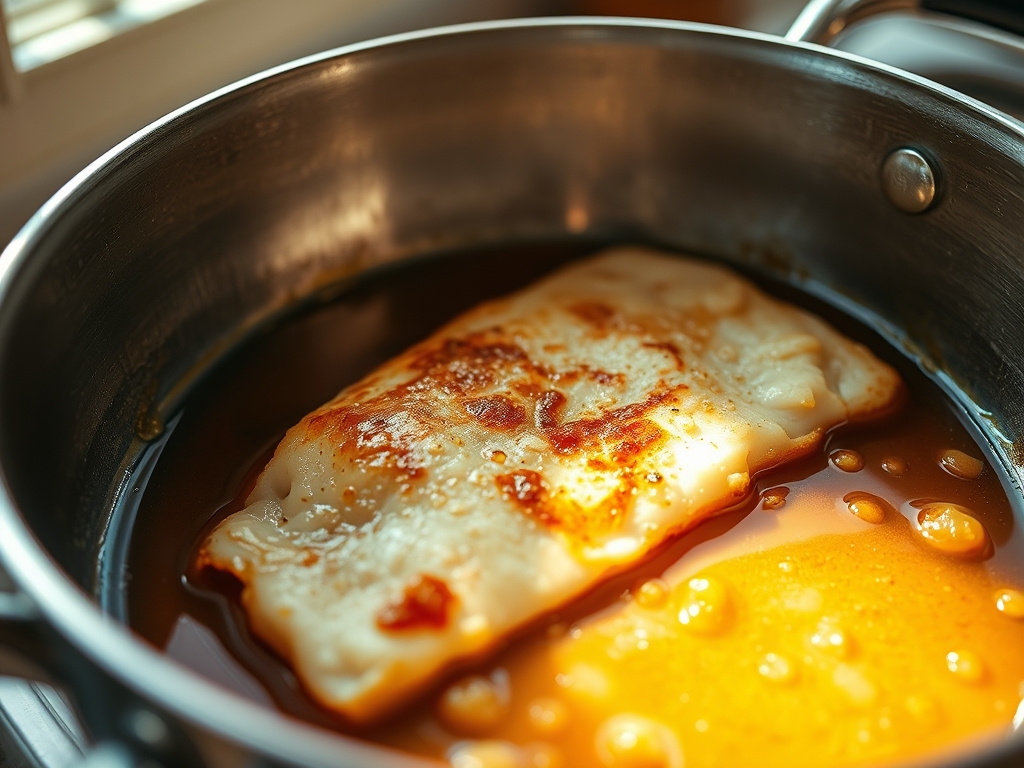
Preheat your convection oven to 200C / 400F. While the oven stabilizes, use a lint-free kitchen towel to pat the cod fillets aggressively dry. Moisture is the enemy of the Maillard reaction. Place the fillets on a digital scale to ensure even portioning; this guarantees that every piece finishes at the exact same second.
Pro Tip: Use a digital scale to weigh your portions. Professional consistency relies on uniform mass. If one fillet is 200g and another is 150g, you will inevitably overcook the smaller piece while waiting for the larger one to render its internal fats.
2. The Lipid-Infused Shield
In a small saucier, melt the butter over low heat until it begins to foam. Do not let it brown. Whisk in the lemon zest and paprika. This mixture serves as your primary flavor delivery system and a moisture barrier. Brush the tops of the fillets generously with the lipid mixture.
Pro Tip: The fat acts as a thermal insulator. By coating the fish in butter before adding the dry ingredients, you create a barrier that prevents the dry oven air from leaching moisture out of the delicate protein fibers.
3. Structural Crust Application
Combine the panko, parsley, salt, and pepper in a shallow bowl. Press the buttered side of the cod into the crumb mixture. Do not just sprinkle; use a bench scraper to lift the fillets and ensure the crust is packed tight. This creates a "shield" that will crisp up while the fish steams gently underneath.
Pro Tip: To aerate the crust for maximum crunch, toss the panko with a teaspoon of olive oil before applying. The oil has a higher smoke point than butter and will help the crumbs reach a golden-brown hue without burning the herbs.
4. The Precision Bake
Place the fillets on a parchment-lined sheet pan. Slide them into the center rack of the oven. Set a timer for 12 minutes, but begin checking at 10. You are looking for the fish to become opaque and for the flakes to begin to separate when nudged.
Pro Tip: Use an instant-read digital thermometer. Remove the cod when the internal temperature hits 54C / 130F. Residual carry-over cooking will bring it to the perfect 63C / 145F while it rests on the counter.
Section B: Prep & Timing Fault-Lines:
The most common human error is the "Cold Start" mistake. If you take the cod directly from a 3C / 38F refrigerator and put it into a 200C / 400F oven, the outside will overcook before the center loses its chill. Technical Fix: Let the fillets sit at room temperature for 15 minutes before baking. This narrows the "thermal gap" and ensures a more even cook. Additionally, if your oven has "hot spots," rotate the pan 180 degrees halfway through the timer to ensure the crust browns evenly across all four fillets.
THE VISUAL SPECTRUM
Section C: Thermal & Visual Troubleshooting:
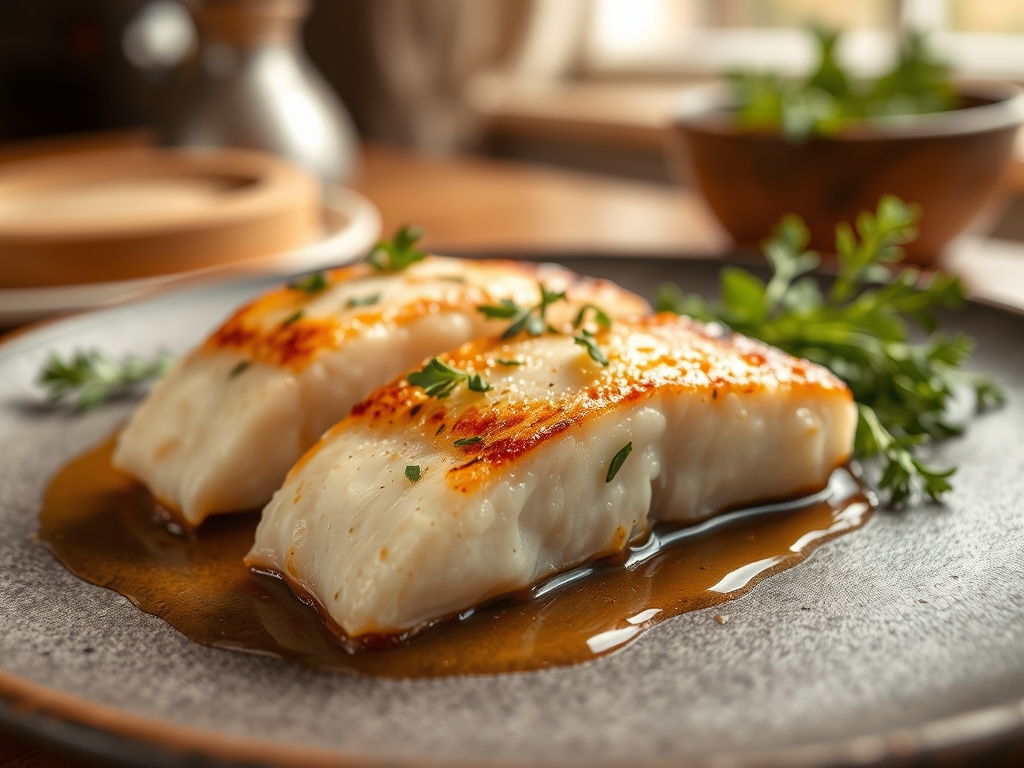
Referencing our Masterclass photo, the ideal Baked Cod Fillets should exhibit a vibrant, sunset-gold crust with flecks of emerald green from the parsley. If your crust looks pale and "soggy," your oven temperature was likely too low or you overcrowded the pan, creating a steam-room effect. Technical Fix: Space the fillets at least 5cm / 2 inches apart. If the fish looks "shrunken" and there is a lot of white liquid (albumin) on the pan, you have overcooked it. Albumin is squeezed out of the muscle fibers when they contract too tightly due to excessive heat. To prevent this, pull the fish earlier and rely on the carry-over heat. If the flakes are "rubbery" instead of "silky," you likely skipped the drying phase; the fish boiled in its own juices rather than baking.
THE DEEP DIVE
Macro Nutrition Profile:
A standard 175g serving of Baked Cod Fillets provides approximately 280 calories. You are looking at a massive 35g of high-quality protein with only 12g of fat (mostly from the butter) and 8g of carbohydrates from the panko. It is a lean, nutrient-dense powerhouse.
Dietary Swaps:
- Vegan: Replace cod with thick-cut cauliflower steaks and use a plant-based butter alternative.
- Keto: Swap panko for crushed pork rinds or almond flour to eliminate the carb load.
- GF: Use certified gluten-free breadcrumbs or crushed rice crackers for the crust.
Meal Prep & Reheating Science:
Cod is notoriously difficult to reheat because the microwave destroys its molecular structure, turning it into "fish jerky." To maintain the shield, reheat in a toaster oven at 150C / 300F with a small splash of water in the pan, covered loosely with foil. This creates a micro-steam environment that prevents the protein from toughening.
THE KITCHEN TABLE
How do I know the cod is fresh at the store?
Look for flesh that is translucent and "springy" to the touch. It should not leave an indentation when pressed. The scent should be reminiscent of clean seawater; any hint of ammonia is an immediate red flag for spoilage.
Can I use frozen cod for this recipe?
Absolutely, provided you follow the "thaw and dry" protocol. Frozen cod is often "flash-frozen" at sea, which preserves the cellular structure better than "fresh" fish that has been sitting on a bed of ice for five days.
Why did my breading fall off the fish?
You likely skipped the "pat dry" step or didn't use enough butter as a binder. The protein surface must be free of excess water so the lipids can create a mechanical bond between the flesh and the crumbs.
What is the best side dish for this?
Focus on acidity to cut through the buttery crust. A bright citrus salad or asparagus infused with lemon and garlic provides the necessary piquant contrast to the rich, flaky whitefish.
Can I use this method for other fish?
Yes. This technical shield works perfectly for haddock, pollock, or even halibut. Just adjust the timing based on the thickness of the fillet; thicker cuts like halibut will require an extra 3 to 5 minutes of thermal exposure.