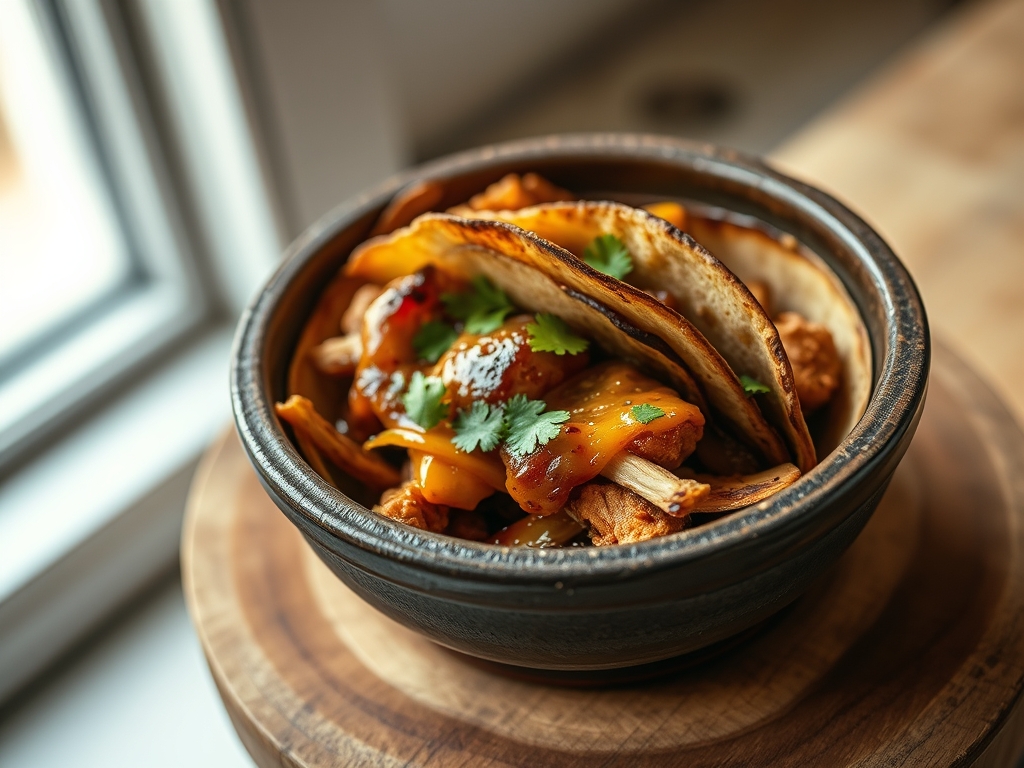
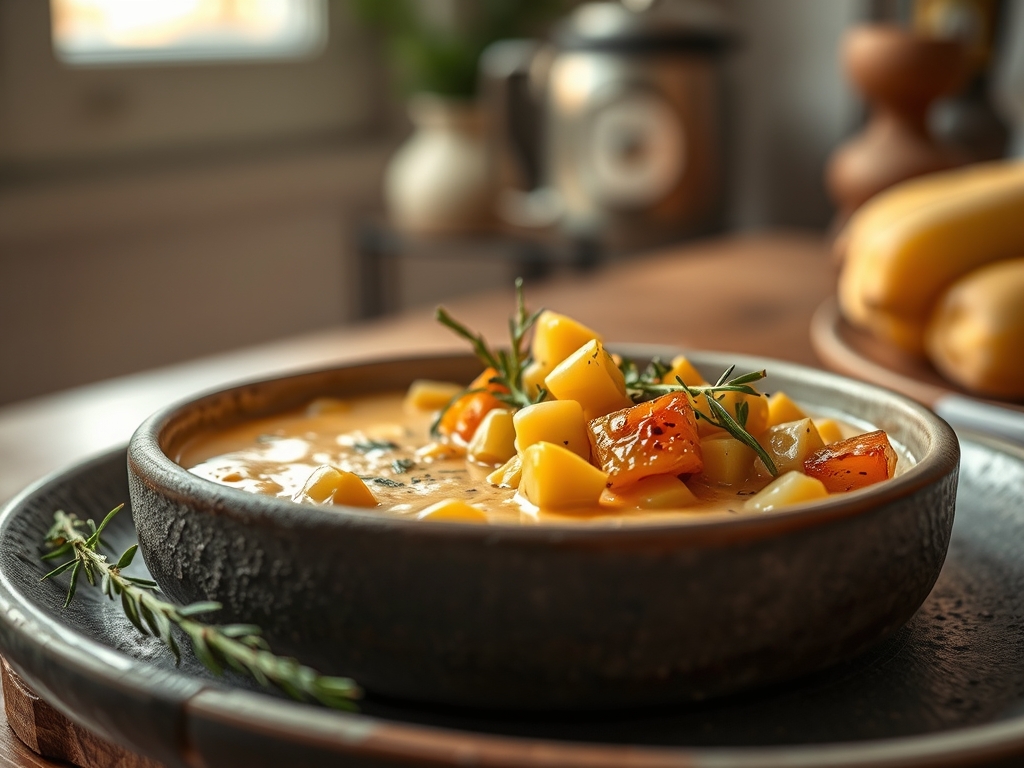
Listen to the silence of a kitchen under the command of a slow cooker. There is no frantic clatter of pans or the aggressive hiss of a high-flame sear. Instead, there is the slow, deliberate thermal breakdown of cellulose and the steady release of amylopectin. We are here to discuss the structural integrity of the ultimate comfort vessel: Slow Cooker Corn Chowder. This is not a mere soup; it is a pressurized study in starch suspension and lipid emulsification. When executed with precision, the result is a viscous, gold-hued elixir that coats the palate without the cloying weight of a poorly constructed roux. The goal is a delicate balance of sweetness from the kernels and a deep, savory backbone provided by rendered aromatics. Most home cooks treat the slow cooker as a dumpster for raw ingredients, but we are auditors of flavor. We demand a complex piquant profile and a texture that defies the gravity of a standard broth. Prepare to re-engineer your expectations of maize.
THE DATA MATRIX
| Metric | Specification |
|---|---|
| Prep Time | 25 minutes |
| Execution Time | 4 to 6 hours (Low) / 3 hours (High) |
| Yield | 6 Servings |
| Complexity (1-10) | 3 (Low Technical, High Flavor) |
| Estimated Cost per Serving | $1.85 USD |
THE GATHERS
Ingredient Protocol:
- 900g / 6 cups Frozen or fresh corn kernels
- 450g / 3 cups Yukon Gold potatoes; medium dice
- 150g / 1 cup Yellow onion; finely minced
- 120g / 1 cup Celery; sliced into thin crescents
- 100g / 4 strips Thick-cut bacon; diced
- 3 cloves Garlic; microplaned
- 710ml / 3 cups Low-sodium chicken or vegetable stock
- 240ml / 1 cup Heavy cream (minimum 36 percent milkfat)
- 5g / 1 tsp Smoked paprika
- 2g / 0.5 tsp Dried thyme
- Salt and freshly cracked black pepper to taste
- 30g / 0.25 cup Fresh chives; for garnish
Section A: Ingredient Quality Audit:
The most common failure in Slow Cooker Corn Chowder is the use of "woody" or starch-heavy field corn. If using fresh cobs, ensure the kernels are in the milk stage; they should spray a thin liquid when pierced. If your corn lacks sweetness, do not add granulated sugar. Instead, infuse the broth with the stripped corn cobs during the simmering phase to extract natural sugars and corn milk. If your potatoes are too waxy (like Red Bliss), the chowder will lack natural thickening power. Use Yukon Golds for the perfect middle ground between structural integrity and starch release. Finally, if your bacon is thin and watery, it will boil rather than render. Opt for dry-cured varieties to ensure a crisp texture and high-quality fat for the initial aromatic sweat.
THE MASTERCLASS
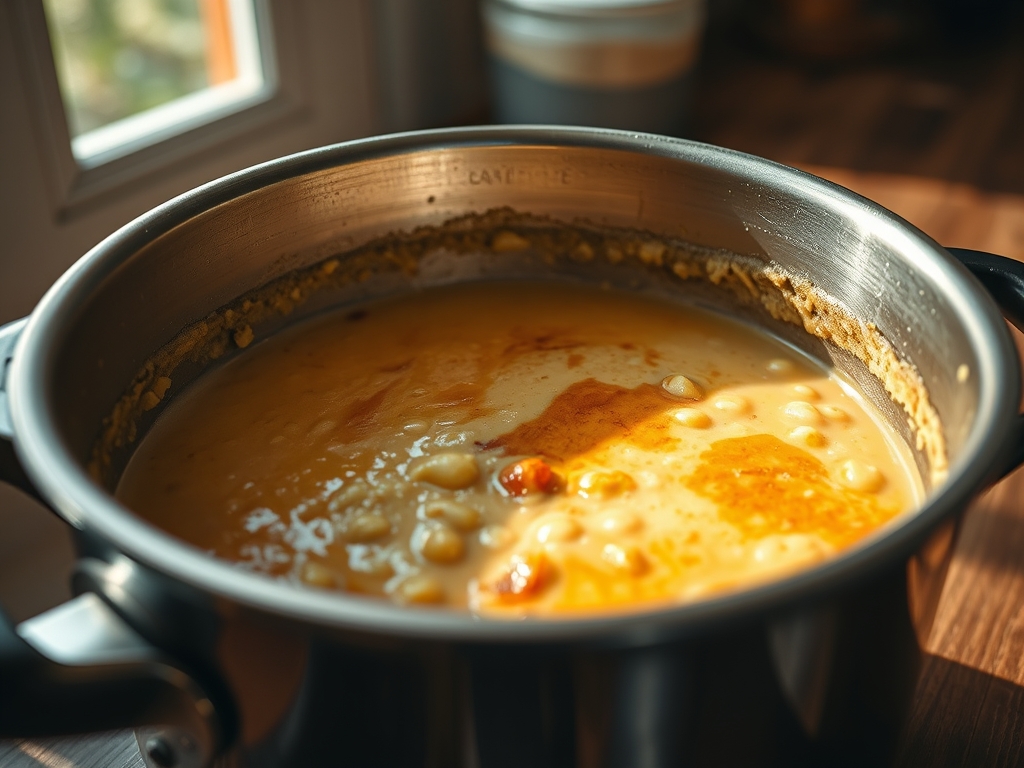
Step-by-Step Execution:
1. The Lipid Extraction
In a heavy-bottomed saucier or skillet over medium heat, cook the diced bacon until the fat is fully rendered and the bits are golden brown. Use a slotted spoon to remove the solids, leaving the liquid gold behind.
Pro Tip: This step utilizes the Maillard reaction to create complex flavor compounds that a slow cooker cannot achieve on its own. Using a digital scale to weigh your bacon ensures the fat-to-liquid ratio remains consistent for the emulsification phase.
2. Aromatic Integration
Add the onions and celery to the bacon fat. Sauté until translucent. Add the garlic and smoked paprika during the final sixty seconds to aerate the spices and release their fat-soluble volatile oils.
Pro Tip: Use a stainless steel bench scraper to efficiently transfer your finely minced aromatics from the cutting board to the pan. This prevents the loss of essential juices and ensures a uniform cook time.
3. The Vessel Loading
Transfer the sautéed aromatics and bacon fat into the slow cooker. Add the corn, diced potatoes, thyme, and stock. Do not add the cream yet; high-heat dairy exposure over long durations can lead to protein denaturation and curdling.
Pro Tip: The stock should just barely cover the solids. A common error is over-hydration. Remember that the vegetables will release their own moisture as their cellular walls collapse under heat.
4. Thermal Saturation
Set the device to Low for 6 hours or High for 3 hours. The goal is for the potatoes to be fork-tender but not disintegrated.
Pro Tip: Use a calibrated probe thermometer to ensure the internal temperature reaches at least 190 degrees Fahrenheit. This is the thermal threshold where potato starches fully gelatinize, creating the desired "creamy" mouthfeel.
5. The Emulsion Bridge
Once the timer expires, remove two cups of the mixture and process it in a high-speed blender or with an immersion blender until smooth. Stir this puree back into the pot along with the heavy cream and the reserved crispy bacon.
Pro Tip: This technique creates a natural starch-based thickener. By blending a portion of the corn and potatoes, you create a stable suspension that holds the heavy cream in place without the need for flour or cornstarch.
6. Final Calibration
Taste for seasoning. Add salt and pepper in small increments. Garnish with fresh chives to provide a sharp, fresh contrast to the rich, earthy base.
Pro Tip: Always season with salt at the end. As the liquid reduces slightly in the slow cooker, the salt concentration increases. Seasoning early can lead to an oversaturated, briny profile.
Section B: Prep & Timing Fault-Lines:
The greatest human error in slow cooking is "The Peek." Every time the lid is lifted, the internal temperature drops by approximately 15 degrees, extending the cook time by 20 minutes. If your potatoes are still firm after the allotted time, check your altitude and the age of your appliance. Older heating elements often lose their ability to maintain a consistent simmer. Furthermore, if you dice your potatoes into uneven chunks, you will face a "texture schism" where some pieces are mush while others remain raw. Use a mandoline or a steady hand to ensure 1/2-inch uniformity.
THE VISUAL SPECTRUM
Section C: Thermal & Visual Troubleshooting:
Referencing the Masterclass photo, the ideal Slow Cooker Corn Chowder should exhibit a vibrant, sunset-gold hue with distinct, visible flecks of smoked paprika and green chives. If your chowder looks grey or dull, you likely scorched the garlic or omitted the paprika. If the liquid appears broken or oily, the cream was added too early or the fat was not properly emulsified during the blending step. To fix a broken appearance, whisk in a small amount of warm milk or use an immersion blender to re-incorporate the fats. The surface should have a slight sheen, indicating a successful lipid-starch bond.
THE DEEP DIVE
Macro Nutrition Profile
Per serving, this chowder provides approximately 340 calories, 18g of fat, 38g of carbohydrates, and 9g of protein. It is a carbohydrate-dense fuel source, perfect for recovery after high-output physical activity.
Dietary Swaps
- Vegan: Replace bacon fat with avocado oil and use a high-fat coconut milk or cashew cream instead of heavy cream. Use a mushroom-based "bacon" for the smoky element.
- Keto: This is a high-carb dish due to the corn and potatoes. To modify, replace potatoes with cauliflower florets and reduce the corn volume, augmenting the bulk with extra celery and radishes.
- Gluten-Free: This recipe is naturally gluten-free as it relies on vegetable starch rather than a flour-based roux for thickness.
Meal Prep & Reheating Science
To maintain molecular structure, do not freeze this chowder. The ice crystals will puncture the starch granules, causing the soup to become watery and grainy upon thawing. For refrigeration, store in airtight glass containers for up to 4 days. When reheating, use a low-heat setting on the stove and stir constantly to prevent the cream from separating.
THE KITCHEN TABLE
Why is my chowder so thin?
You likely skipped the blending step. Pureeing a portion of the vegetables releases the starches necessary to create a viscous body. Alternatively, you may have added too much stock at the beginning of the process.
Can I use canned corn instead?
Yes, but ensure it is thoroughly drained and rinsed. Canned corn often sits in a salty brine that can disrupt the flavor balance. Fresh or frozen corn provides a superior "snap" and a cleaner sweetness profile.
Is the bacon strictly necessary?
While the bacon provides the primary lipid for sautéing, you can substitute it with unsalted butter or smoked olive oil. The goal is to provide a savory, smoky fat base to complement the sweet maize.
How do I prevent the cream from curdling?
Always add dairy at the very end of the cooking cycle. High heat and long durations cause the proteins in the cream to clump together. Tempering the cream by mixing it with a little hot broth first also helps.