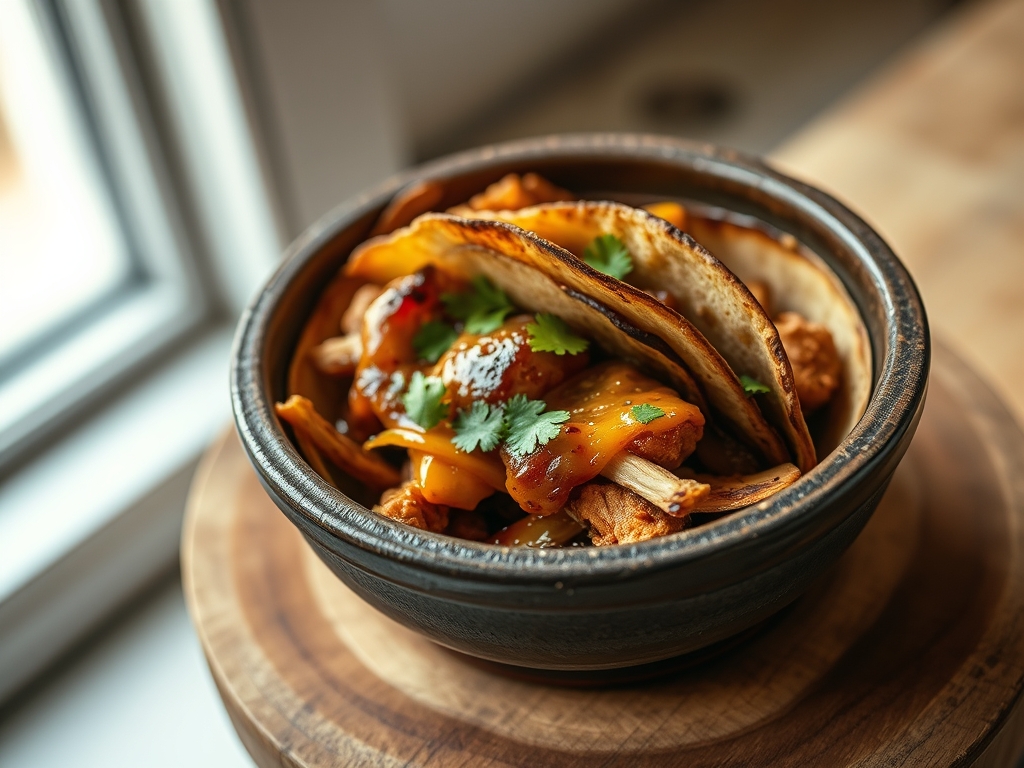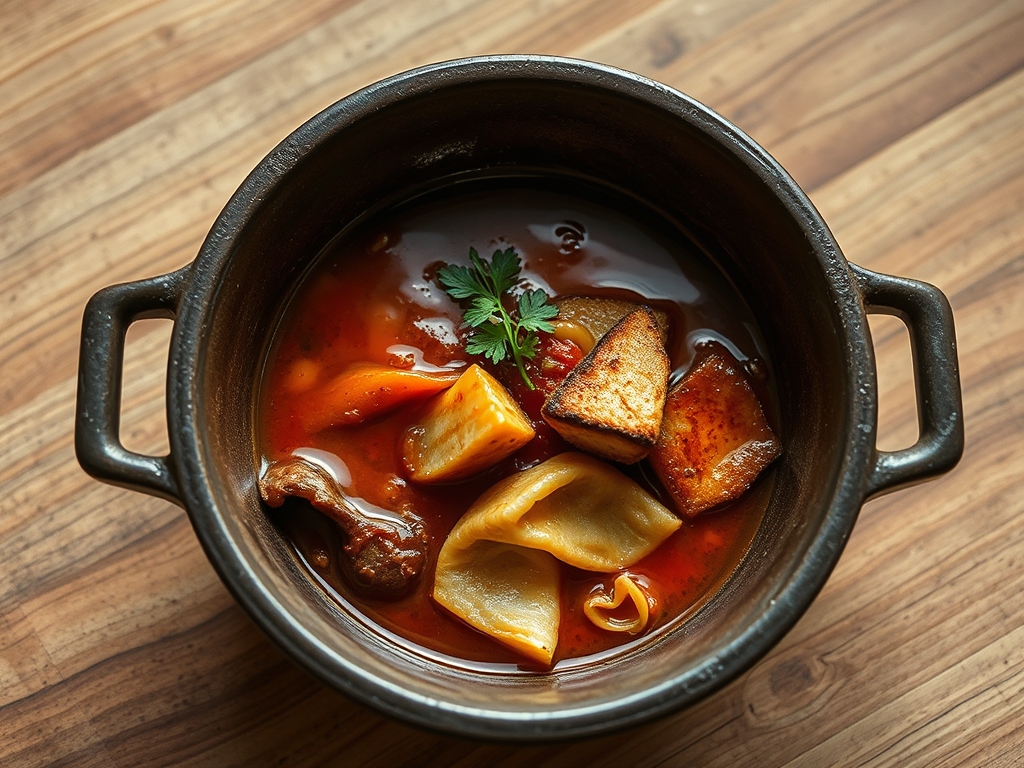
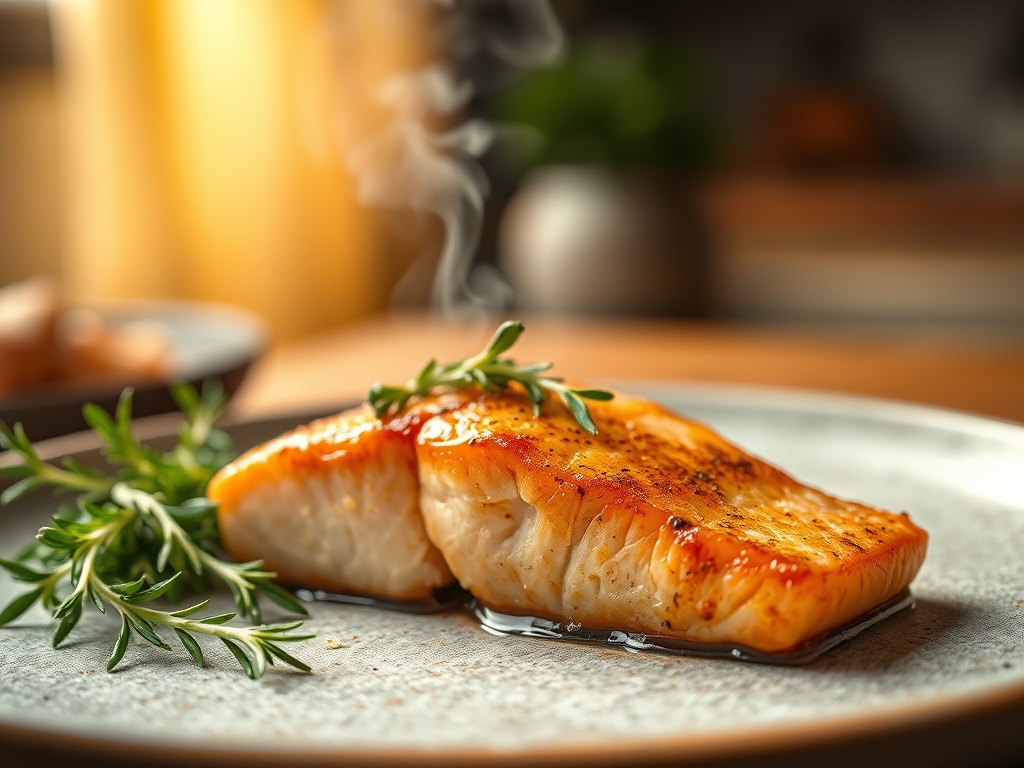
Listen closely because your refrigerator is a hostile environment for high-value proteins. When you embark on a mission for the perfect Meal Prep Salmon, you are not just cooking; you are performing a delicate thermal extraction designed to survive the brutal cycle of refrigeration and reheating. We have all seen the tragic results of amateur attempts: grey, chalky slabs of over-coagulated albumin that taste like disappointment and old seawater. This guide is your tactical manual for avoiding that fate. We are targeting a specific molecular outcome where the subcutaneous fat is perfectly rendered, the skin provides a structural lattice of crunch, and the interior remains a translucent, buttery medium-rare. By mastering the cold chain and understanding the physics of moisture retention, you will transform your weekly lunch from a chore into a high-performance fuel source. We are talking about vibrant, piquant glazes and textures that hold their integrity for seventy-two hours. Strap in, calibrate your digital thermometers, and prepare to audit your culinary infrastructure for maximum efficiency and flavor density.
THE DATA MATRIX
| Metric | Specification |
|---|---|
| Prep Time | 15 Minutes |
| Execution Time | 12 Minutes |
| Yield | 4 Portions |
| Complexity (1-10) | 4 |
| Estimated Cost per Serving | $6.50 – $8.50 |
THE GATHERS
Ingredient Protocol:
- 700g / 1.5 lbs Center-cut Atlantic or King Salmon (skin-on)
- 30ml / 2 tbsp Extra Virgin Olive Oil
- 15g / 1 tbsp Kosher Salt
- 5g / 1 tsp Cracked Black Peppercorns
- 60ml / 1/4 cup Low-Sodium Soy Sauce
- 45ml / 3 tbsp Raw Honey
- 15ml / 1 tbsp Rice Wine Vinegar
- 10g / 2 cloves Fresh Garlic (microplaned)
- 5g / 1 tsp Fresh Ginger (grated)
Section A: Ingredient Quality Audit:
The primary failure point in Meal Prep Salmon is starting with "previously frozen" fillets that have already suffered cellular rupture. If your fish is sitting in a pool of milky liquid (exuded protein), the moisture capacity is already compromised. Technical Fix: If you must use frozen fillets, perform a slow-tempering thaw in the refrigerator over 24 hours. To fix a lack of surface tension, use a dry-brine technique; coat the flesh in salt for 20 minutes before cooking to draw out excess moisture and tighten the protein structure. If the honey is too viscous to emulsify, microwave it for 10 seconds to decrease its density before whisking it into the soy base.
THE MASTERCLASS
1. Thermal Equilibrium and Moisture Control
Remove your salmon from the cold chain 20 minutes before heat application. Use a high-quality paper towel to pat the skin until it is bone-dry. Pro Tip: Moisture is the enemy of the Maillard reaction. If the skin is damp, the energy from your pan will be wasted on steam evaporation rather than browning. Use a bench scraper to gently press the skin flat against the cutting board to ensure even contact with the heat source later.
2. Emulsifying the Piquant Glaze
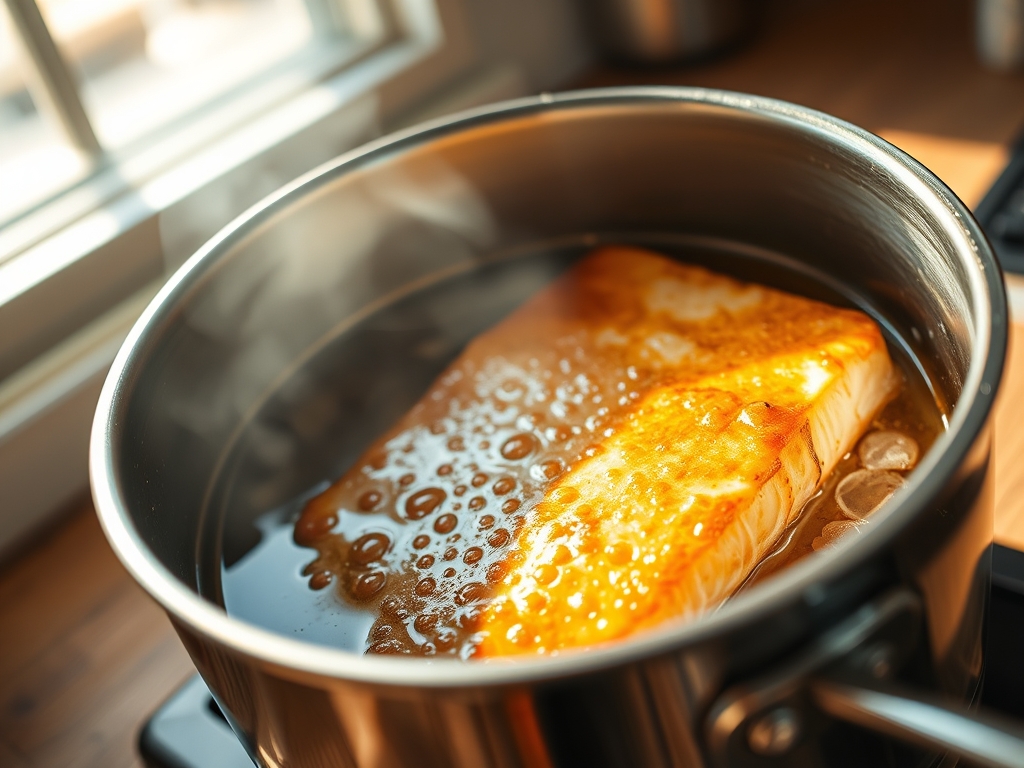
In a small saucier, combine the soy sauce, honey, vinegar, garlic, and ginger. Place over medium heat and whisk constantly until the sugars begin to infuse and the liquid reduces by one-third. Pro Tip: You are looking for a nappe consistency, where the sauce is thick enough to coat the back of a spoon. Use a digital scale to ensure your ratios are exact; too much sugar will cause the glaze to scorch before the fish reaches its internal target temperature.
3. High-Sear Execution
Heat your cast-iron skillet until it reaches 205C / 400F. Add the oil and wait for it to shimmer. Place the salmon skin-side down, pressing firmly with a flexible spatula for 30 seconds to prevent curling. Pro Tip: This initial pressure ensures the skin does not pull away from the flesh as the proteins contract. This creates a thermal shield that protects the delicate fats from over-rendering.
4. The Glaze Application and Rest
Flip the salmon when the skin is shattered-glass crispy. Immediately pour the glaze into the pan. Use a spoon to deglaze the pan drippings and baste the fish continuously for the final 60 seconds. Pro Tip: Use an instant-read thermometer to pull the fish at 52C / 125F. The carryover heat will bring it to a perfect 54C / 130F while resting. This prevents the "chalky" texture common in prepped meals.
Section B: Prep & Timing Fault-Lines:
The most common human error is the "crowded pan" syndrome. If you jam four fillets into a small skillet, the ambient temperature drops, and you end up poaching the fish in its own juices. Technical Fix: Work in batches or use two pans. Another fault-line is the "cold-shock" error; placing hot salmon directly into a plastic meal prep container. This creates condensation that turns your crispy skin into a soggy mess. Always allow the protein to reach room temperature on a wire rack before sealing the container.
THE VISUAL SPECTRUM
Section C: Thermal & Visual Troubleshooting:
Referencing the Masterclass photo, you should see a vibrant, deep amber lacquer on the surface. If your glaze looks dull or grey, you likely skipped the reduction phase in the saucier. If you see white "beads" popping out of the sides of the fish, you have overcooked it; that is albumin being squeezed out of the muscle fibers. Visual Cue Fix: If the salmon looks "matte," brush it with a tiny amount of toasted sesame oil right before sealing. This adds a hydrophobic layer that keeps the fish looking fresh and prevents the surface from oxidizing in the fridge. For uneven browning, ensure your pan is leveled on the burner; a slight tilt causes oil to pool, leaving half your fillet steamed and the other half fried.
THE DEEP DIVE
Macro Nutrition Profile:
A standard 170g serving of this Meal Prep Salmon provides approximately 340 calories, 38g of high-bioavailability protein, 18g of healthy fats (Omega-3s), and 8g of carbohydrates from the honey-soy glaze. It is a metabolic powerhouse designed for sustained cognitive function.
Dietary Swaps:
- Vegan: Substitute the salmon with extra-firm pressed tofu blocks and use agave instead of honey.
- Keto: Replace the honey with an allulose-based syrup and swap the rice vinegar for apple cider vinegar to keep net carbs near zero.
- GF: Simply swap the soy sauce for Tamari or liquid aminos to maintain the savory profile without the gluten.
Meal Prep & Reheating Science:
The key to reheating without ruin is the "Low and Slow" or "Steam Injection" method. When using a microwave, place a damp paper towel over the salmon. This creates a micro-steaming environment that rehydrates the protein fibers rather than vibrating the fat molecules until they explode. Alternatively, eat it cold; a well-executed salmon fillet with a high fat content is often more flavorful at 4C / 40F as the fats have solidified into a silky, pate-like texture.
THE KITCHEN TABLE
How long does Meal Prep Salmon stay safe to eat?
When stored in an airtight container at or below 4C / 40F, your salmon is optimal for three days. Beyond 72 hours, the lipid oxidation begins to produce a "fishy" aroma that compromises the sensory experience.
Can I freeze the finished meal prep containers?
Technically yes, but expect texture degradation. The ice crystals will pierce the cell walls of the cooked fish, leading to a mushy consistency upon thawing. It is better to prep twice a week for maximum freshness.
Why is my salmon skin sticking to the pan?
You likely tried to flip it too early. Protein undergoes "release" once the Maillard reaction has sufficiently carbonized the surface. If it sticks, wait 30 seconds; the fish will tell you when it is ready to move.
Is the grey stuff under the skin safe to eat?
Absolutely. That is the "fatty layer" rich in Omega-3 fatty acids. It has a stronger flavor than the pink flesh but contains the highest concentration of nutrients. Do not scrape it away; embrace the healthy fats.