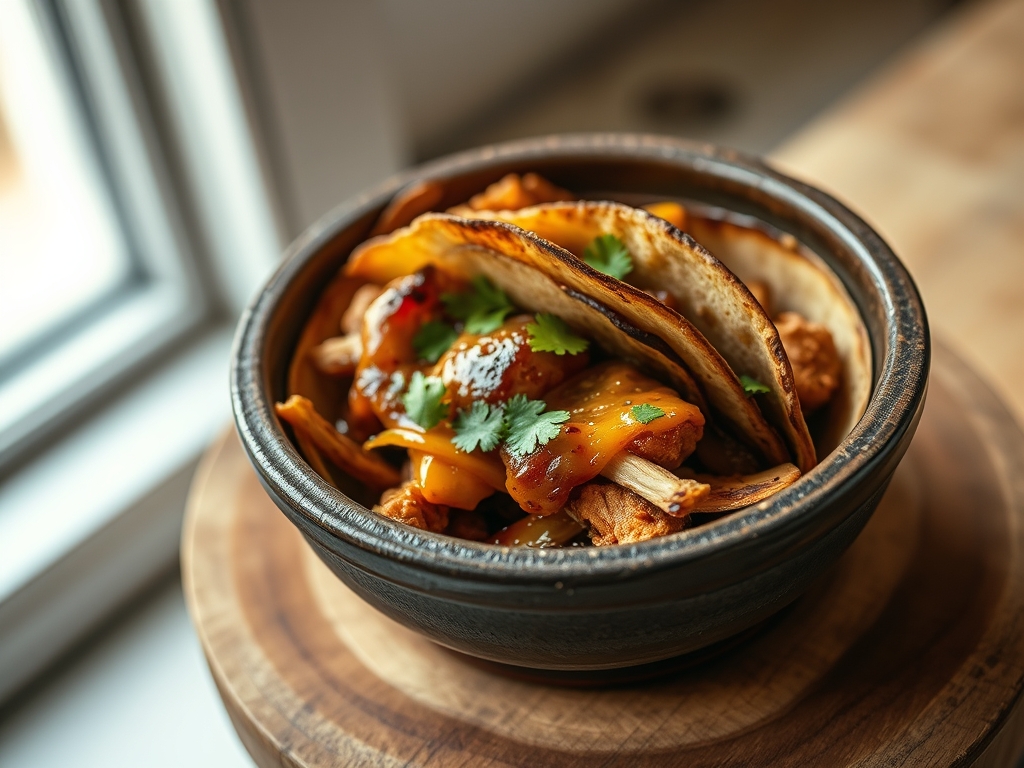
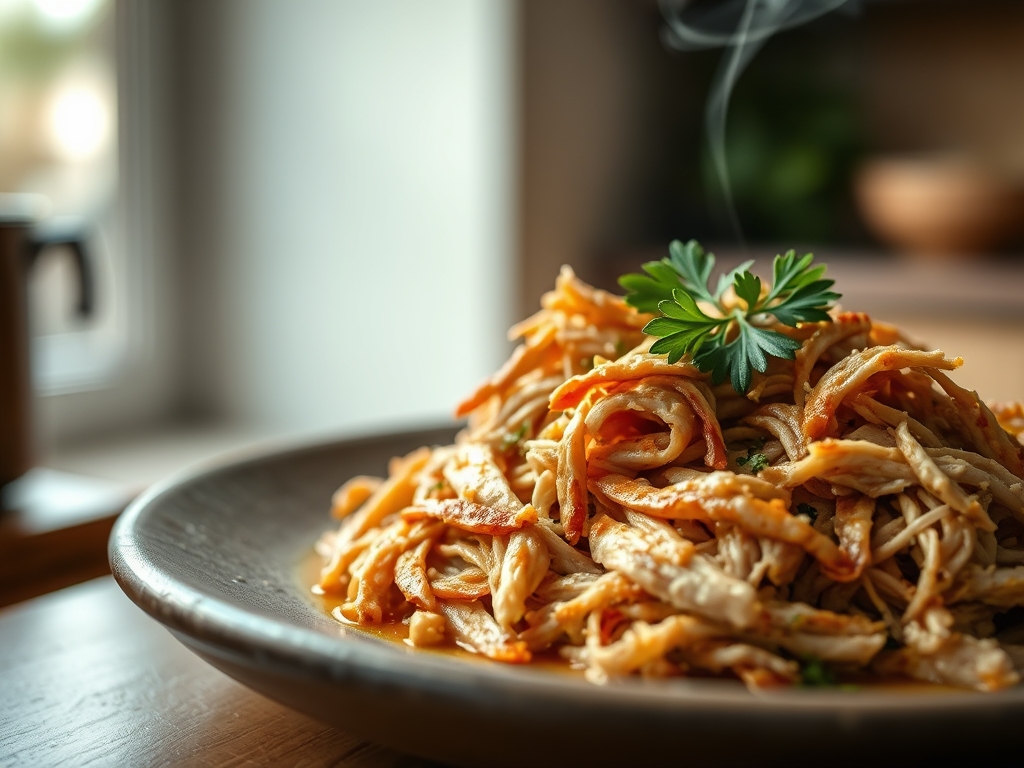
Listen to the hum of the industrial kitchen. It is the sound of efficiency meeting the inevitable laws of thermodynamics. When you are staring down a forty pound case of poultry, you are not just cooking; you are managing a protein-based logistics chain. The ultimate objective is Slow Cooker Shredded Chicken that defies the standard dry, stringy mediocrity found in high-volume cafeterias. We are aiming for a result that is succulent, structurally sound, and deeply infused with aromatics. This is not a casual weeknight endeavor. It is a masterclass in low-temperature moisture retention and the strategic breakdown of connective tissue. Imagine the scent of garlic and onion powder hitting the steam; it is sharp, savory, and promises a texture that yields to the slightest pressure of a fork. We are here to eliminate the guesswork. We are here to turn raw, pale muscle into a versatile, gold-standard asset for your meal prep arsenal. Let us audit the process from the ground up to ensure your output remains elite.
THE DATA MATRIX
| Metric | Specification |
|---|---|
| Prep Time | 15 Minutes |
| Execution Time | 4 Hours (High) / 8 Hours (Low) |
| Yield | 8-10 Servings |
| Complexity (1-10) | 2 |
| Estimated Cost per Serving | $1.15 |
THE GATHERS
Ingredient Protocol:
- 900g / 2 lbs Boneless Skinless Chicken Breasts or Thighs
- 120ml / 0.5 cup Low-Sodium Chicken Stock
- 10g / 2 tsp Garlic Powder
- 10g / 2 tsp Onion Powder
- 5g / 1 tsp Smoked Paprika
- 5g / 1 tsp Kosher Salt
- 2g / 0.5 tsp Cracked Black Pepper
- 15ml / 1 tbsp Extra Virgin Olive Oil
Section A: Ingredient Quality Audit:
If your raw poultry arrives with excessive "woody" texture (hard, pale fibers), your final product will remain chewy regardless of cook time. To fix this, use a digital scale to measure a brine solution of 6 percent salt to water and submerge the meat for thirty minutes before cooking. If your spices lack a piquant aroma, they are oxidized. Toast them in a dry saucier for sixty seconds before adding them to the slow cooker to wake up the volatile oils. If the chicken stock appears watery rather than viscous, whisk in a teaspoon of gelatin to mimic the mouthfeel of a traditional long-simmered bone broth.
THE MASTERCLASS
1. The Surface Preparation
Pat the chicken dry using lint-free towels. Apply the olive oil and dry rub evenly across all surfaces. This ensures that the spices adhere to the protein rather than washing off into the liquid immediately.
Pro Tip: Use a bench scraper to move large quantities of seasoned poultry into the vessel without losing the rub. This maintains the integrity of your flavor profile and keeps your workstation pristine.
2. The Liquid Foundation
Pour the chicken stock into the perimeter of the slow cooker. Do not pour it directly over the seasoned meat, as this will rinse away your carefully applied spice layer.
Pro Tip: The stock serves as a heat conductor. By keeping the volume low, you allow the chicken to render its own juices, creating a concentrated "pot liquor" that is far more flavorful than diluted broth.
3. Thermal Execution
Set the device to "Low" for a period of six to eight hours. While "High" works in four hours, the slower rise in temperature prevents the muscle fibers from contracting too violently and squeezing out internal moisture.
Pro Tip: Use a digital probe thermometer to check for an internal temperature of 165 degrees Fahrenheit. Overcooking past 175 degrees leads to "mushy" chicken where the fibers lose all structural definition.
4. The Mechanical Shred
Once the cycle is complete, remove the chicken to a large stainless steel bowl. Use two forks or a stand mixer with the paddle attachment on the lowest speed to break the meat into uniform shards.
Pro Tip: Aerate the meat as you shred it. This allows the steam to escape briefly before you re-introduce the cooking juices, which ensures the liquid is absorbed back into the fibers rather than just sitting on the surface.
5. Re-Integration and Emulsification
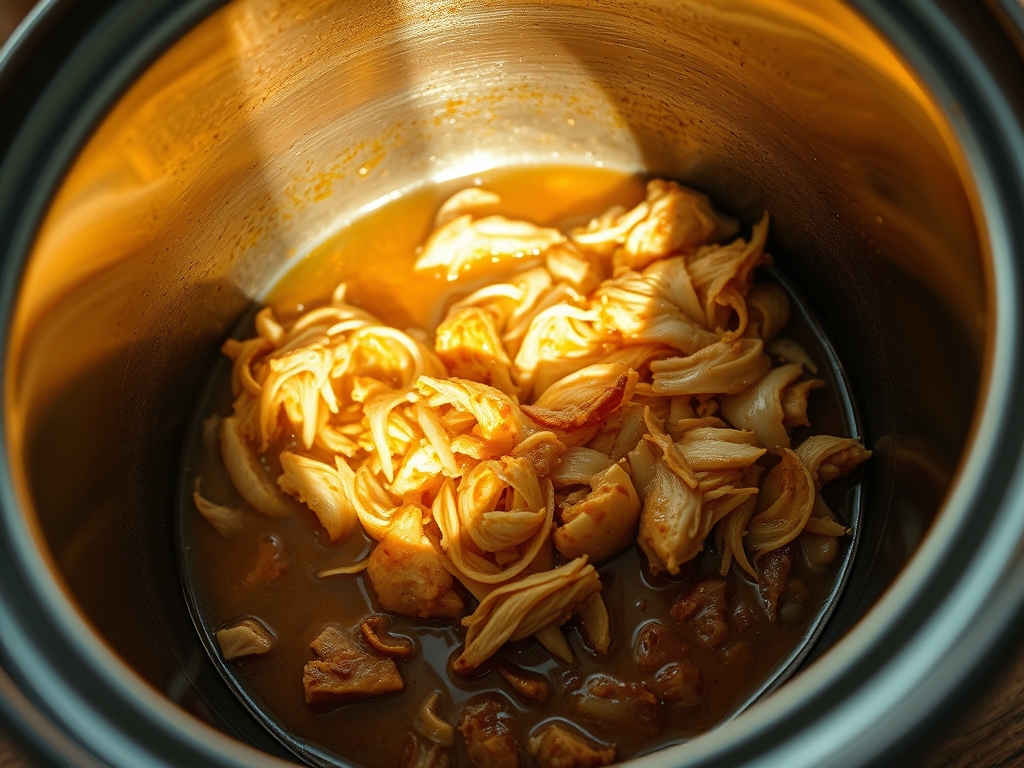
Return the shredded meat to the slow cooker and toss it with the remaining liquid. Let it sit on the "Warm" setting for fifteen minutes to allow for total absorption.
Pro Tip: If the liquid is too thin, use a small saucier to reduce the juices on the stovetop by half before pouring them back over the meat. This creates a glaze-like consistency that coats every strand.
Section B: Prep & Timing Fault-Lines:
The most common failure in high-output poultry is the "Temperature Danger Zone" (40 to 140 degrees Fahrenheit). If your slow cooker takes more than two hours to reach 140 degrees, the unit is faulty and poses a biohazard risk. Always pre-heat the ceramic insert if you are starting with refrigerated stock. Another fault-line is the "Shred Delay." If you wait for the meat to cool completely before shredding, the proteins set and the meat will tear into chunks rather than elegant, thin strands.
THE VISUAL SPECTRUM
Section C: Thermal & Visual Troubleshooting:
Referencing the Masterclass photo, your chicken should exhibit a matte, opaque finish with visible flecks of paprika and pepper. If the meat looks translucent or "glassy," it is undercooked and requires more time. If the edges are dark brown and crispy, the sugar content in your rub is too high or the "High" setting is creating hot spots. Rotate the ceramic insert 180 degrees halfway through the process to ensure even thermal distribution. If the color is dull or grey, you likely skipped the paprika; add a dash of fresh parsley or a squeeze of lemon juice at the end to provide a visual and acidic lift that cuts through the savory density.
THE DEEP DIVE
Macro Nutrition Profile
A standard 100g serving of this Slow Cooker Shredded Chicken provides approximately 165 calories, 31g of protein, and 4g of fat. It is a high-density protein source with zero carbohydrates, making it an ideal foundation for various dietary protocols.
Dietary Swaps
- Vegan: Replace chicken with canned young green jackfruit. Reduce cook time to 3 hours and use vegetable bouillon.
- Keto: Ensure the chicken stock has no added sugars. Increase the fat content by adding 30g of grass-fed butter during the final shredding phase.
- Gluten-Free: This recipe is naturally GF; however, always audit your spice blends for hidden anti-caking agents derived from wheat.
Meal Prep & Reheating Science
To maintain molecular structure during storage, pack the chicken in airtight containers with a generous amount of the cooking liquid. When reheating, avoid the microwave if possible. Instead, use a vacuum-seal bag in a water bath or a covered skillet over low heat. Adding a tablespoon of water or stock creates steam, which prevents the protein from becoming "rubbery" as it reaches serving temperature.
THE KITCHEN TABLE
Can I use frozen chicken directly in the slow cooker?
No. This is a significant safety risk. Frozen meat stays in the bacterial danger zone for too long. Always thaw your poultry completely in the refrigerator before beginning the thermal cycle to ensure food safety and even texture.
Why is my chicken tough even after eight hours?
You likely used "High" heat for too long or the lid was not sealed properly. If moisture escapes, the meat braises in dry air rather than steam. Ensure the lid gasket is intact and always use the "Low" setting.
How long does this keep in the refrigerator?
When stored in an airtight container at 40 degrees Fahrenheit or below, the chicken remains optimal for three to four days. For longer storage, freeze in portion-sized bags with the excess air removed to prevent oxidation and freezer burn.
Can I add vegetables to the pot?
Certainly. Root vegetables like carrots and onions hold up well. However, avoid soft greens or cruciferous vegetables like broccoli, as the long cook time will turn them into a sulfurous puree that ruins the flavor of the poultry.