Listen closely because the structural integrity of your lunch is currently under threat. We are moving away from the soggy, wilted tragedies of the past and entering the era of high-performance legume engineering. The Prepped Chickpea Salad is not merely a meal; it is a modular infrastructure designed to withstand the brutal pressures of a forty-hour work week without succumbing to osmotic collapse. When you combine the dense, fibrous architecture of the garbanzo bean with a high-acid vinegar matrix, you create a shelf-stable masterpiece that actually improves as the clock ticks. Imagine a bowl where every bite offers a piquant snap, where the vegetables remain turgid and the dressing stays perfectly viscous rather than separating into a greasy film. This is culinary logistics at its finest. We are talking about a dish that utilizes the power of marination to infuse flavor deep into the starch center of the legume while maintaining a crisp, vibrant exterior. It is time to audit your pantry and prep like a professional.
THE DATA MATRIX
| Metric | Specification |
|---|---|
| Prep Time | 20 Minutes |
| Execution Time | 10 Minutes |
| Yield | 4 Servings |
| Complexity (1-10) | 3 |
| Estimated Cost per Serving | $1.85 |
THE GATHERS
Ingredient Protocol:
- 425g / 15oz Canned Chickpeas (Rinsed and dried)
- 120ml / 0.5 cup Red Wine Vinegar
- 60ml / 0.25 cup Extra Virgin Olive Oil
- 150g / 1 cup English Cucumber (Diced)
- 100g / 0.75 cup Red Bell Pepper (Brunoise)
- 50g / 0.5 cup Red Onion (Finely minced)
- 5g / 1 tsp Dried Oregano
- 2g / 0.5 tsp Flaky Sea Salt
- 1g / 0.25 tsp Fresh Cracked Black Pepper
- 30g / 0.25 cup Fresh Flat-Leaf Parsley (Roughly chopped)
Section A: Ingredient Quality Audit:
If your chickpeas arrive from the can with a mushy, over-processed texture, your salad infrastructure will fail. To fix a soft legume, spread them on a sheet tray and allow them to air-dry for thirty minutes; this encourages a slight skin-tightening via evaporation. If your red wine vinegar lacks the necessary "punch" or tastes metallic, whisk in a teaspoon of honey to balance the pH and add body. For cucumbers that are overly watery, perform a "salt-stress" test: toss the diced cubes in a colander with a pinch of salt for ten minutes to render out excess moisture before integration. This prevents the dressing from becoming diluted by vegetable runoff.
THE MASTERCLASS
1. The Legume Desiccation Phase
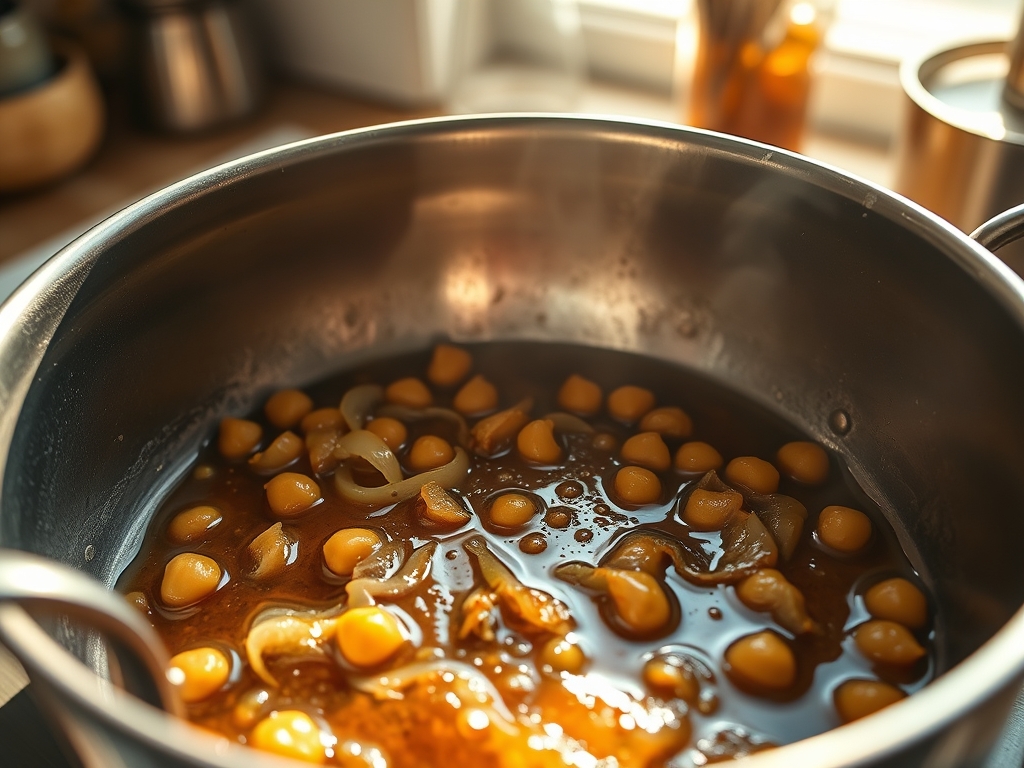
Place your rinsed chickpeas onto a clean kitchen towel or use a bench scraper to move them across a paper-towel-lined surface. You must remove every trace of aquafaba (the canning liquid) to ensure the vinaigrette adheres to the surface rather than sliding off.
Pro Tip: This is about surface tension. If the bean is wet, the oil-based dressing cannot form a stable bond with the legume's skin. Using a digital scale to ensure equal portions helps maintain a consistent flavor-to-fiber ratio.
2. The Acid-Base Emulsification
In a small saucier or stainless steel mixing bowl, combine the red wine vinegar, dried oregano, salt, and pepper. Slowly stream in the olive oil while whisking vigorously to aerate the mixture and create a temporary emulsion.
Pro Tip: Vinegar acts as a denaturant. By mixing the spices directly into the acid first, you infuse the liquid with the volatile oils of the oregano before the olive oil coats the palate.
3. Precision Vegetable Architecture
Utilize a sharp chef's knife to achieve a consistent brunoise on your peppers and onions. Every piece of vegetable should be roughly the size of half a chickpea. This ensures that every forkful contains a perfect distribution of textures.
Pro Tip: Uniformity isn't just for aesthetics; it governs the rate of pickling. Smaller, uniform cuts allow the vinegar to penetrate the cell walls at the same speed, preventing some pieces from being raw while others are overly soft.
4. The Modular Integration
Combine the dried chickpeas, diced vegetables, and the emulsified dressing in a large glass bowl. Use a silicone spatula to fold the ingredients together gently to avoid bruising the delicate herbs or breaking the chickpea skins.
Pro Tip: Kinetic energy matters. Over-mixing can cause the cucumber to release water prematurely. Use a light touch to ensure the dressing is viscous enough to coat but not drown the components.
Section B: Prep & Timing Fault-Lines:
The most common human error in this protocol is the "Immediate Consumption Fallacy." While you can eat this immediately, the molecular structure requires at least thirty minutes of refrigeration to allow the vinegar to soften the outer husk of the chickpea. If the salad sits at room temperature for too long during prep, the onions may begin to oxidize and produce a sulfurous aroma. Always maintain a cold-chain environment. If your kitchen is over 75 degrees, prep your vegetables over a bowl of ice to maintain turgidity and color.
THE VISUAL SPECTRUM
Section C: Thermal & Visual Troubleshooting:
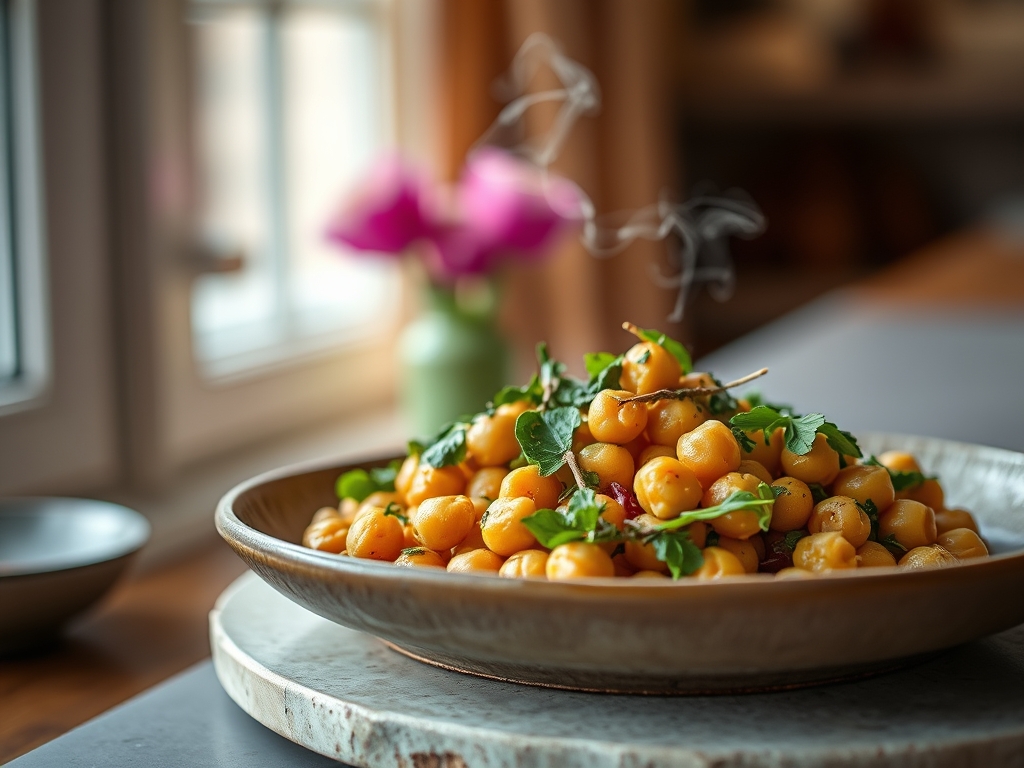
Look at the Masterclass photo above. Notice the high-gloss sheen on the chickpeas; this indicates a successful emulsion where the oil has not separated. If your salad looks dull or "matte," you likely have too much starch residue on the beans. Rinse them more thoroughly next time. If you see a pool of clear liquid at the bottom of the bowl, your cucumbers were not properly drained. To fix this mid-service, add a pinch of extra salt to the bottom of the bowl to draw out more liquid, then decant the excess fluid. The vibrant red of the peppers should "pop" against the pale cream of the beans. If the colors look muddy, your vinegar may be too dark; switch to a high-quality, filtered red wine vinegar for better visual clarity.
THE DEEP DIVE
Macro Nutrition Profile:
This salad is a powerhouse of complex carbohydrates and plant-based protein. One serving typically contains 280 calories, 12g of protein, 35g of carbohydrates, and 10g of heart-healthy fats. The high fiber content (approx 9g per serving) ensures a slow glucose release, preventing the mid-afternoon energy crash common with grain-based lunches.
Dietary Swaps:
- Vegan: Naturally compliant.
- Keto: Replace chickpeas with roasted cauliflower florets and hemp hearts to reduce the net carb count while maintaining the crunch.
- GF: Naturally gluten-free, but ensure your vinegar is not malt-based.
Meal Prep & Reheating Science:
Do not reheat this dish. The heat will cause the cucumbers to collapse into a translucent mush and the olive oil to lose its fruity top notes. For meal prepping, store the parsley separately and toss it in just before consumption to maintain the bright green chlorophyll levels. The chickpea's cellular structure acts as a natural preservative when submerged in a high-acid environment, allowing this salad to remain viable in the refrigerator for up to five days.
THE KITCHEN TABLE
Why are my chickpeas still crunchy after soaking in dressing?
Canned chickpeas are pre-cooked, so "crunch" usually indicates a thick outer skin. To fix this, allow the salad to marinate for a full twenty-four hours. The acetic acid in the vinegar will eventually break down those tough cellulose bonds.
Can I use bottled dressing for this recipe?
You can, but you sacrifice structural control. Bottled dressings often contain xanthan gum and high-fructose corn syrup which can create a slimy mouthfeel when combined with legume starches. A fresh emulsion provides a much cleaner, sharper finish.
How do I stop the red onions from overpowering everything?
If you find raw onions too aggressive, soak the minced pieces in ice water for ten minutes before adding them to the salad. This leaches out the harsh propanethial S-oxide gas while keeping the onion crisp and piquant.
Is it possible to over-marinate this salad?
After day five, the cucumbers will lose their structural integrity and begin to leak water into the dressing. While the chickpeas will remain safe to eat, the overall texture will degrade from "crisp" to "soft." Consume within 120 hours.