Forget the flaccid, waterlogged cubes of disappointment that haunt the standard salad bar. We are here to conduct a structural overhaul of your protein strategy. When we talk about Batch Baked Tofu, we are not merely discussing a meal; we are discussing a high-yield industrial asset for your refrigerator. The goal is a specific textural contrast: a resilient, golden exterior that shatters slightly under tension, protecting a dense, custardy interior. This requires more than just heat. It requires a fundamental understanding of moisture activity and surface tension. We are aiming for a Maillard reaction so aggressive it would make a steakhouse blush. We want a piquant glaze that clings with viscous intensity, ensuring every cube is a flavor bomb rather than a bland sponge. This is the audit of your culinary workflow. We are stripping away the inefficiency of small-batch cooking and replacing it with a streamlined, high-output protocol that treats tofu with the technical respect it deserves. Prepare to transform soy curd into a high-performance culinary component.
THE DATA MATRIX
| Metric | Specification |
|---|---|
| Prep Time | 20 Minutes |
| Execution Time | 35 Minutes |
| Yield | 4-6 Performance Portions |
| Complexity (1-10) | 3 (Process Driven) |
| Estimated Cost per Serving | $1.15 USD |
THE GATHERS
Ingredient Protocol:
- Extra-Firm Tofu: 900g / 2 Blocks (Vacuum-sealed preferred)
- Low-Sodium Soy Sauce: 60ml / 0.25 Cup
- Toasted Sesame Oil: 30ml / 2 Tablespoons
- Rice Vinegar: 15ml / 1 Tablespoon
- Cornstarch or Arrowroot: 30g / 4 Tablespoons
- Garlic Powder: 5g / 1 Teaspoon
- Smoked Paprika: 3g / 0.5 Teaspoon
- Neutral High-Smoke Point Oil: 45ml / 3 Tablespoons
Section A: Ingredient Quality Audit:
If your tofu feels soft or "silken" despite the label, your structural integrity is compromised. Sub-par tofu contains excess water that will steam rather than crisp. To fix this, increase your pressing time by 20 minutes or use a digital scale to ensure you are applying at least 2kg of weight. If your soy sauce lacks depth, it may be a chemically hydrolyzed imitation. Switch to a traditionally brewed version to ensure the presence of complex amino acids that facilitate better browning. If the cornstarch clumps, it is likely reacting to ambient humidity; sift it through a fine-mesh strainer to ensure a micro-thin coating that will aerate the surface during the bake.
THE MASTERCLASS
1. The Compression Phase
Drain the liquid from the tofu packaging and wrap the blocks in lint-free kitchen towels. Place them on a flat surface and weight them down using a heavy cast-iron skillet or a dedicated tofu press. Allow the moisture to render out for at least 15 minutes.
- Pro Tip: Reducing the water activity (Aw) is the only way to achieve a crisp exterior. Use a bench scraper to move the pressed blocks without fracturing the delicate protein lattice.
2. Precision Geometry
Slice the tofu into uniform 2cm cubes. Consistency is not an aesthetic choice; it is a thermal necessity. Uniform surface area ensures that every piece finishes the cooking cycle at the exact same moment, preventing the dreaded mix of burnt and soggy units.
- Pro Tip: A sharp chef's knife is essential here to prevent tearing. Use your digital scale to weigh a few cubes if you are training your eye for industrial consistency.
3. The Emulsion Coating
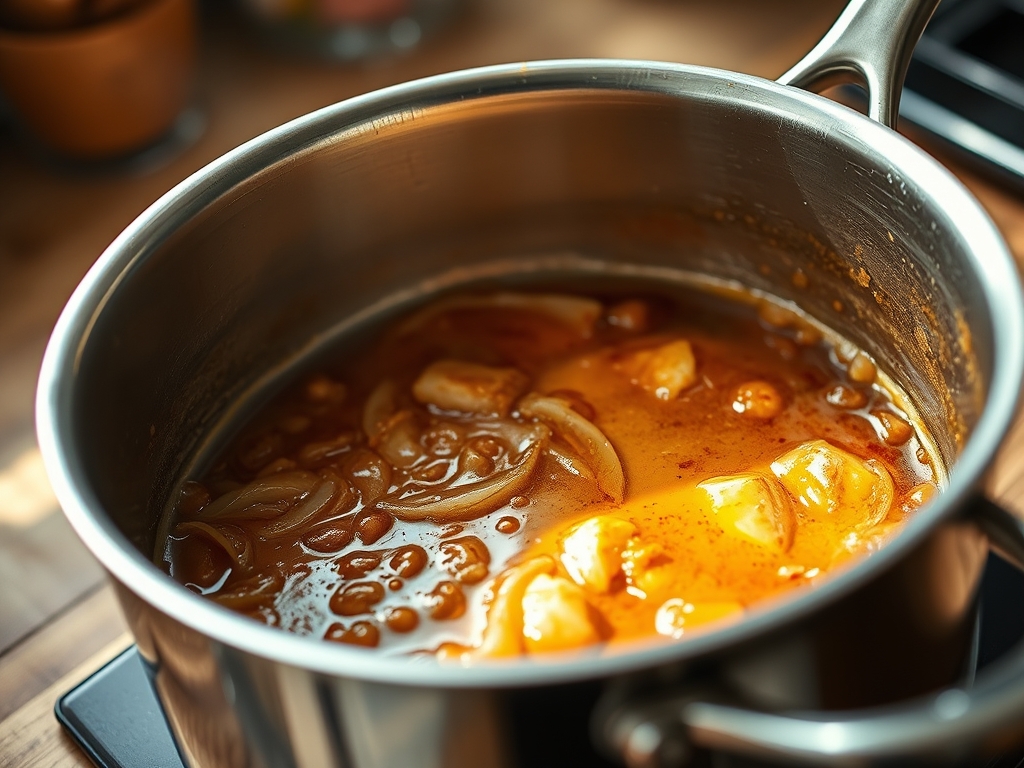
In a large saucier or mixing bowl, whisk together the soy sauce, sesame oil, and spices. Toss the tofu cubes gently until they are fully coated. Once the liquid is absorbed, sprinkle the cornstarch over the batch and toss again until a tacky, matte film forms on the surface.
- Pro Tip: The starch reacts with the residual moisture to create a "slurry" that dehydrates in the oven, forming a rigid, crunchy shell. This is the secret to a viscous mouthfeel.
4. Thermal Application
Spread the cubes onto a parchment-lined baking sheet, ensuring no two pieces are touching. Overcrowding the pan creates a localized steam environment which kills the crunch. Bake at 200C (400F) for 25 to 30 minutes, flipping once at the halfway mark.
- Pro Tip: Use an infrared thermometer to verify your oven's true temperature. Inconsistent heat distribution is the primary cause of "zonal burning" in Batch Baked Tofu.
Section B: Prep & Timing Fault-Lines:
The most common human error is the "Cold Start." Putting tofu into an oven that hasn't reached its target temperature results in oil absorption rather than surface cauterization. Always preheat for at least 20 minutes. If your timing is off and the tofu sits in the marinade for over an hour, the salt will draw out too much internal moisture, leaving the center hollow and tough. Keep marinade times under 15 minutes for optimal density.
THE VISUAL SPECTRUM
Section C: Thermal & Visual Troubleshooting:
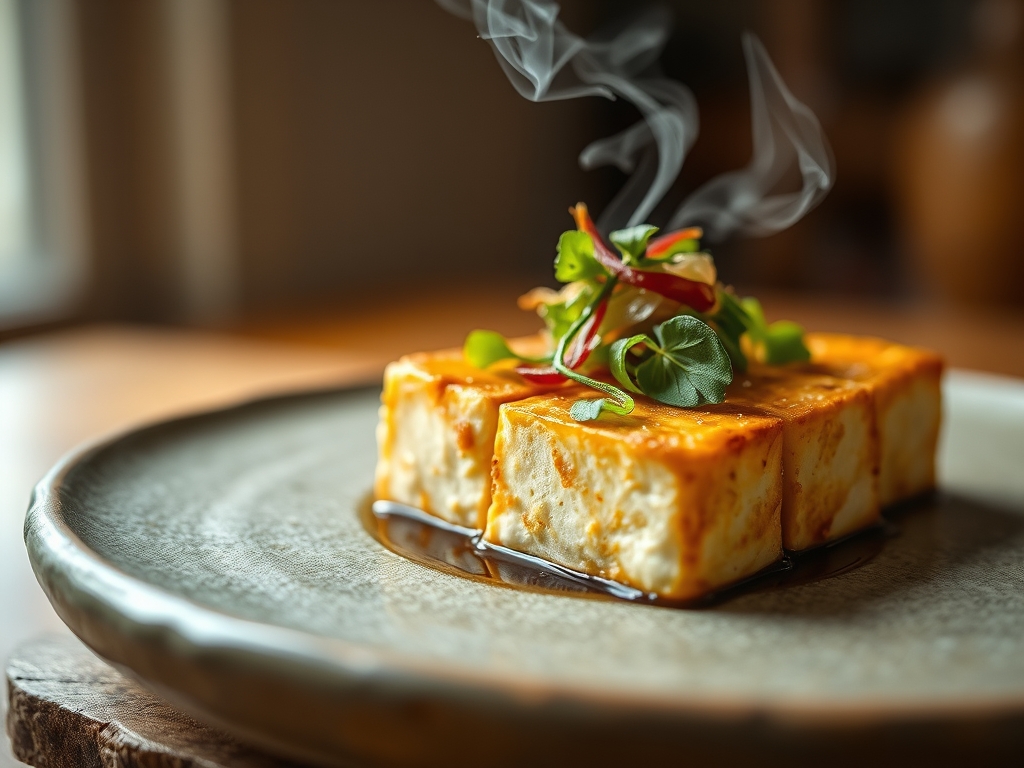
Look at the Masterclass photo. Notice the deep amber hue and the "shattered" edges of the starch coating. If your tofu looks pale and "sweaty," your oven temperature is too low or your starch-to-oil ratio is skewed toward the liquid. To fix this, turn on the convection fan or increase the heat by 10 degrees for the final five minutes. If the edges are black but the faces are white, you have likely used a marinade with too much sugar (like honey or hoisin) which carmelizes too quickly. Deglaze your pan with a splash of vinegar next time to balance the sugars.
THE DEEP DIVE
Macro Nutrition Profile:
A standard 150g serving of this Batch Baked Tofu provides approximately 18g of plant-based protein, 12g of healthy fats, and 6g of carbohydrates. It is a nutrient-dense powerhouse designed for cellular repair and sustained energy release.
Dietary Swaps:
- Vegan: Naturally compliant. Ensure your sugar source in any added glazes is bone-char free.
- Keto: Replace the cornstarch with almond flour or crushed pork rinds (if not vegan) and use liquid aminos instead of soy sauce.
- GF: Swap soy sauce for Tamari or Coconut Aminos to ensure zero gluten contamination.
Meal Prep & Reheating Science:
To maintain the molecular structure during storage, allow the tofu to cool completely on a wire rack before refrigerating. This prevents condensation from softening the crust. When reheating, avoid the microwave, which vibrates water molecules and turns the starch "rubbery." Instead, use an air fryer or a dry pan to infuse the exterior with heat and restore the original crunch.
THE KITCHEN TABLE
Why is my tofu sticking to the parchment paper?
This usually indicates the starch hasn't fully set or the oven was too cool. Ensure you use high-quality silicone-coated parchment and that your oven is fully preheated to 200C before the tray enters the chamber.
Can I skip the pressing step if I am in a rush?
You can, but you will sacrifice texture. Unpressed tofu will be spongy and soft. If you must skip it, pat the cubes dry with paper towels and increase the cornstarch by 50% to absorb surface moisture.
How long does Batch Baked Tofu last in the fridge?
When stored in an airtight glass container, it maintains peak structural integrity for 5 to 6 days. This makes it the ultimate "infrastructure" protein for a busy week of high-performance nutrition.
What is the best way to add extra flavor after baking?
Toss the hot cubes in a piquant sauce like Sriracha-lime or a peanut satay immediately after they exit the oven. The residual heat will help the sauce infuse into the crust without making it soggy.