
The kitchen is a laboratory of kinetic energy where the difference between a soggy mess and a high-performance fuel cell lies in the precision of your molecular assembly. We are not just tossing ingredients into a bowl; we are engineering Prepped Energy Bites designed to bypass the mid-afternoon insulin spike while delivering a sustained release of glycogen. Imagine the snap of chilled cacao against the resistance of a dense, fibrous date paste. The air should smell of toasted lipids and the deep, fermented musk of premium vanilla. When you bite into a properly calibrated cluster, you should experience a textural symphony of crunch and chew that signals immediate satiety. This is an audit of efficiency. We are optimizing your caloric output by streamlining the production of these portable powerhouses. If your current snack game feels like a low-grade sludge, it is time to recalibrate your pantry infrastructure. We are moving beyond the amateur realm of "no-bake balls" into the sophisticated territory of modular, nutrient-dense architecture. Prepare for a total systemic overhaul of your snack cycle.
THE DATA MATRIX
| Metric | Specification |
|---|---|
| Prep Time | 15 Minutes |
| Execution Time | 30 Minutes (Inc. Chilling) |
| Yield | 24 Units |
| Complexity (1-10) | 3 |
| Estimated Cost per Serving | $0.42 |
THE GATHERS
Ingredient Protocol:
- 475ml / 2 cups Medjool dates (pitted and packed)
- 350ml / 1.5 cups Raw walnuts or pecans
- 60ml / 0.25 cup Raw cacao powder
- 30ml / 2 tbsp Chia seeds
- 15ml / 1 tbsp Virgin coconut oil (solid state)
- 5ml / 1 tsp Sea salt (flaked)
- 2.5ml / 0.5 tsp Pure vanilla bean paste
Section A: Ingredient Quality Audit:
The primary failure point in Prepped Energy Bites is the moisture content of the fruit base. If your dates are desiccated and leathery, the food processor will struggle to create a viscous paste; this leads to a crumbly product that refuses to bind. The fix: Submerge dry dates in 80C water for ten minutes, then pat dry before processing. Furthermore, if your nuts have oxidized, they will impart a piquant, bitter aftertaste that ruins the flavor profile. Always taste your fats before integration. If the walnut oil has turned, no amount of cacao can mask the rancidity. Use a digital scale to ensure your ratios are exact; volume measurements for sticky dates are notoriously unreliable and can throw off your glycemic load calculations.
THE MASTERCLASS
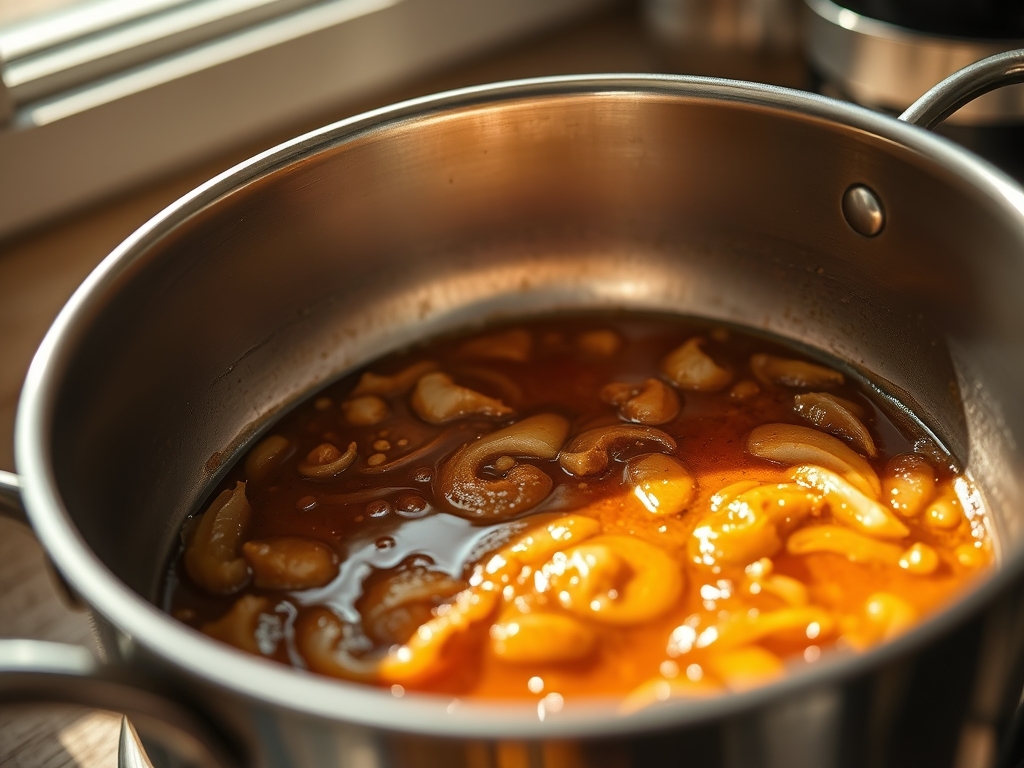
Step 1: The Lipid Toasting Phase
Place your walnuts in a dry saucier or stainless steel skillet over medium heat. Agitate the pan constantly to render the natural oils without scorching the delicate proteins. You are looking for a golden hue and a fragrant, nutty aroma.
Pro Tip: This process initiates the Maillard reaction, transforming simple starches into complex flavor compounds. Using a bench scraper to move the nuts ensures even heat distribution and prevents localized burning.
Step 2: Date Paste Emulsification
Pulse the pitted dates in a high-speed processor until they form a single, cohesive ball of paste. If the mixture is too resistant, add the coconut oil to infuse the fiber with a lubricating fat source.
Pro Tip: The goal here is to create a matrix that can suspend the dry inclusions. A digital scale helps verify that the paste-to-dry ratio remains at a strict 2:1 for optimal structural integrity.
Step 3: Dry Inclusion Integration
Add the cacao, chia seeds, salt, and vanilla to the processor. Pulse until the color is uniform. Finally, add the toasted walnuts and pulse briefly; you want distinct chunks for texture, not a homogenized silt.
Pro Tip: Over-processing at this stage will aerate the fats and cause the bites to become greasy at room temperature. Use short, controlled bursts to maintain the "modular" look seen in professional audits.
Step 4: Geometric Standardization
Transfer the mass to a parchment-lined tray. Use a small spring-loaded scoop to portion the dough, then roll between dampened palms to create perfect spheres.
Pro Tip: Dampening your hands prevents the sugars from sticking to your skin. A bench scraper is excellent for cleaning the work surface of any stray cacao dust or date residue during the portioning phase.
Section B: Prep & Timing Fault-Lines:
Temperature control is the silent killer of the perfect bite. If you attempt to roll the mixture while the toasted nuts are still hot, the coconut oil will liquefy and seep out, resulting in a "sweaty" appearance. Allow the toasted components to reach 25C before integration. If the dough becomes too soft to handle, refrigerate the entire bowl for 15 minutes to stabilize the lipids. Timing is also critical during the pulsing phase; thirty seconds too long in the processor will turn your "clusters" into a literal nut butter, destroying the desired mouthfeel.
THE VISUAL SPECTRUM
Section C: Thermal & Visual Troubleshooting:
Referencing the Masterclass photo, your Prepped Energy Bites should exhibit a matte finish with visible flecks of salt and distinct nut fragments. If your bites appear shiny or wet, the emulsion has broken due to excess heat or over-mixing. To fix a "dull" appearance, a light dusting of cacao or a sprinkle of hemp hearts can provide a professional, textured aesthetic. If the bites are falling apart, your "glue" (the date paste) was likely too dry; you can infuse the mixture with a teaspoon of warm water or honey to restore the adhesive properties. Ensure the color is a deep, obsidian brown; a light tan color suggests an under-utilization of cacao or poor distribution of the cocoa solids.
THE DEEP DIVE
The Macro Nutrition Profile of these clusters is designed for the high-output individual. Each serving provides approximately 12g of complex carbohydrates, 7g of healthy fats, and 3g of fiber. The inclusion of chia seeds ensures a steady release of energy, preventing the "crash" associated with processed sugars.
For Dietary Swaps, the system is highly flexible. To make these Vegan, ensure your cacao is ethically sourced and free of milk solids. For a Keto variation, replace the dates with a combination of almond butter and erythritol, though this will significantly alter the binding mechanics. To remain GF (Gluten-Free), simply ensure your workspace is decontaminated from grain dust.
Meal Prep Science: These bites are molecularly stable when stored in an airtight container. In the refrigerator, the coconut oil stays solid, maintaining the "snap" of the bite. If freezing, the high fat content prevents ice crystal formation, meaning they can be consumed directly from sub-zero temperatures without a loss in textural quality. Do not reheat; high temperatures will cause the volatile oils in the walnuts to degrade and the date sugars to caramelize into a hard, tooth-cracking shell.
THE KITCHEN TABLE
Why are my bites so sticky?
The date-to-dry ratio is likely skewed. Add more ground flax or cacao to absorb excess moisture. Ensure your hands are slightly damp when rolling to prevent the sugars from adhering to your skin during the shaping process.
Can I use a different nut?
Absolutely. Almonds or cashews work perfectly, provided they are toasted to render their oils. Avoid using peanuts if you want a more "neutral" energy profile, as the flavor of roasted peanuts tends to dominate the more subtle cacao notes.
How long do these stay fresh?
In a refrigerated environment, these Prepped Energy Bites maintain peak structural integrity for up to 14 days. For long-term storage, the freezer will preserve the molecular structure and flavor profile for up to three months without any significant degradation.
Do I need a food processor?
While a processor is the standard tool for creating a viscous paste, you can use a heavy-duty blender on a low setting. If working by hand, mince the dates into a fine paste before folding in the other dry ingredients.