Stop treating your pantry as a graveyard for forgotten aluminum cylinders and start viewing it as a high-velocity flavor laboratory. We are not here to discuss a slow-simmered, twelve-hour Texas brisket experiment; we are here to master the Canned Bean Chili, a marvel of modern culinary infrastructure that prioritizes efficiency without sacrificing the Maillard reaction or structural integrity. Imagine the sound of a pressurized seal breaking, the rhythmic clatter of a stainless steel colander, and the immediate, sharp aroma of cumin hitting a hot saucier. This is a tactical strike on hunger. We are looking for a result that is viscous, piquant, and deeply savory. The goal is a bowl that looks like it spent all day on the range but was actually engineered in under thirty minutes. If your current chili is a watery, monochromatic disappointment, consider this your official system reboot. We are about to optimize your legumes, calibrate your aromatics, and transform humble shelf-stable goods into a masterpiece of rapid-response gastronomy.
THE DATA MATRIX
| Metric | Specification |
|---|---|
| Prep Time | 10 Minutes |
| Execution Time | 20 Minutes |
| Yield | 4 Standard Units (Servings) |
| Complexity | 3/10 |
| Estimated Cost per Serving | $1.75 USD |
THE GATHERS
Ingredient Protocol:
- Aromatic Base: 1 medium yellow onion (approx. 200g / 1.5 cups), finely diced.
- The Catalyst: 3 cloves fresh garlic (15g / 1 tbsp), minced.
- The Pulse Core: 2 cans black or kidney beans (800g / 28 oz total), drained and rinsed.
- Liquid Infrastructure: 1 can crushed tomatoes (400g / 14 oz).
- Lipid Component: 30ml / 2 tbsp neutral high-smoke point oil.
- Spice Matrix: 15g / 1 tbsp chili powder, 5g / 1 tsp ground cumin, 2g / 0.5 tsp smoked paprika.
- The Deglaze: 120ml / 0.5 cup vegetable or beef stock.
- Seasoning: 5g / 1 tsp kosher salt and 2g / 0.5 tsp cracked black pepper.
Section A: Ingredient Quality Audit:
The primary failure point in rapid chili is the metallic aftertaste often found in canned legumes. If your beans taste like the tin they inhabited, you must perform a rigorous rinse under cold filtered water until the effluent runs clear. Sub-par spices are the second threat; if your cumin smells like dust rather than a pungent earthiness, it has oxidized. To fix this, toast your spices in a dry pan for sixty seconds before adding oil to awaken the volatile oils. Finally, if your canned tomatoes are overly acidic, a microscopic pinch of baking soda (0.5g) will neutralize the pH balance without requiring an hour of reduction.
THE MASTERCLASS
1. Thermal Priming and Aromatic Softening
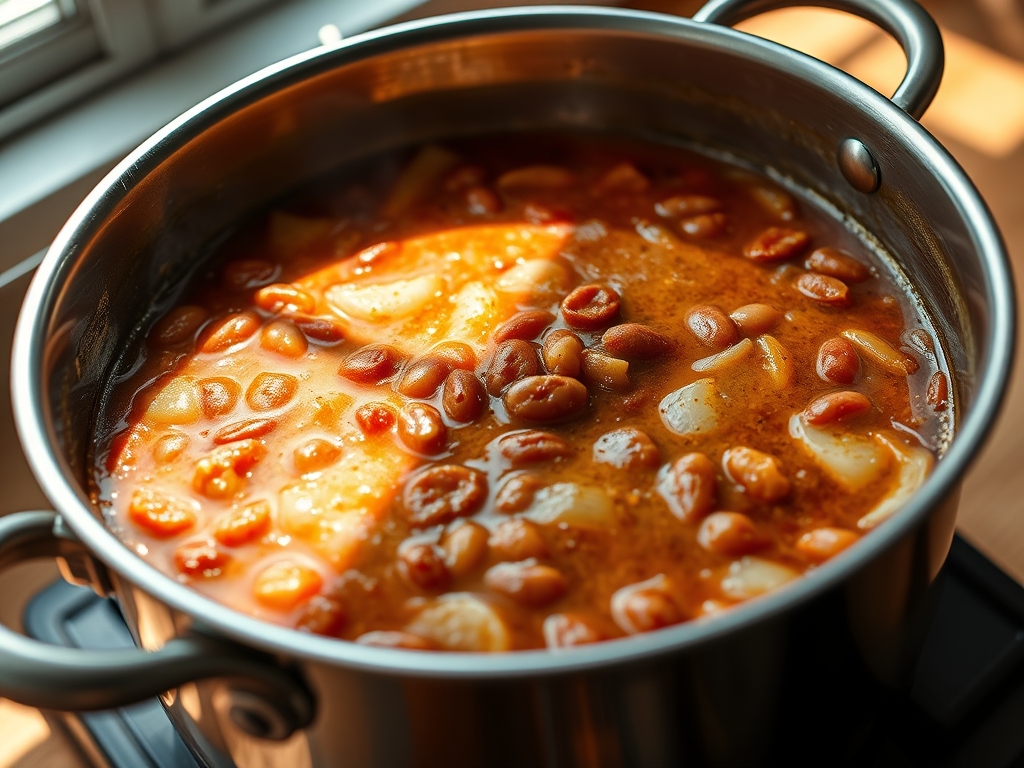
Place your saucier or heavy-bottomed Dutch oven over medium-high heat. Add the oil and wait for the shimmer. Toss in the onions and utilize a silicone spatula to ensure total surface contact. Sauté until translucent, roughly five minutes.
Pro Tip: Use a digital scale to weigh your aromatics for consistent flavor profiles. The science here is sweating; we want to release moisture to concentrate sugars without full caramelization, which keeps the base bright and energetic.
2. The Spice Infusion and Maillard Bridge
Push the onions to the perimeter and drop the garlic and spice matrix into the center. Stir vigorously for 45 seconds until the kitchen smells like a spice market. Immediately deglaze the pan with your stock, scraping the bottom to release the fond.
Pro Tip: This is the blooming phase. Fat-soluble flavor compounds in chili powder and cumin require a lipid medium to fully deploy their molecular structure. A bench scraper is excellent for clearing the cutting board of any stray garlic bits to ensure zero waste.
3. Structural Integration of Pulses
Incorporate the rinsed beans and crushed tomatoes. Stir to combine, ensuring every bean is coated in the spice-infused liquid. Bring the mixture to a rapid simmer, then reduce the heat to low.
Pro Tip: Use the back of a wooden spoon to crush approximately 10 percent of the beans against the side of the pot. This releases natural starches which act as a thickening agent, creating a viscous mouthfeel without the need for flour or cornstarch.
4. The Final Reduction and Calibration
Simmer for 10 to 12 minutes. The liquid should reduce until the chili holds its shape on a spoon. Taste and adjust the salinity. If the profile lacks depth, a teaspoon of soy sauce or Worcestershire sauce can provide an immediate umami boost.
Pro Tip: Use an infrared thermometer to ensure the internal temperature has reached at least 165 degrees Fahrenheit. Rapid heating ensures the pectin in the tomatoes breaks down just enough to merge with the bean starches.
Section B: Prep & Timing Fault-Lines:
The most common human error is the "Cold Start." Adding ingredients to a cold pot leads to oil absorption rather than searing, resulting in a greasy texture. Always wait for the shimmer. Another fault-line is the "Evaporation Oversight." If you leave the lid off at a high boil, you will lose too much moisture and end up with a salty paste. If this occurs, whisk in 30ml of hot water at a time to restore the emulsification.
THE VISUAL SPECTRUM
Section C: Thermal & Visual Troubleshooting:
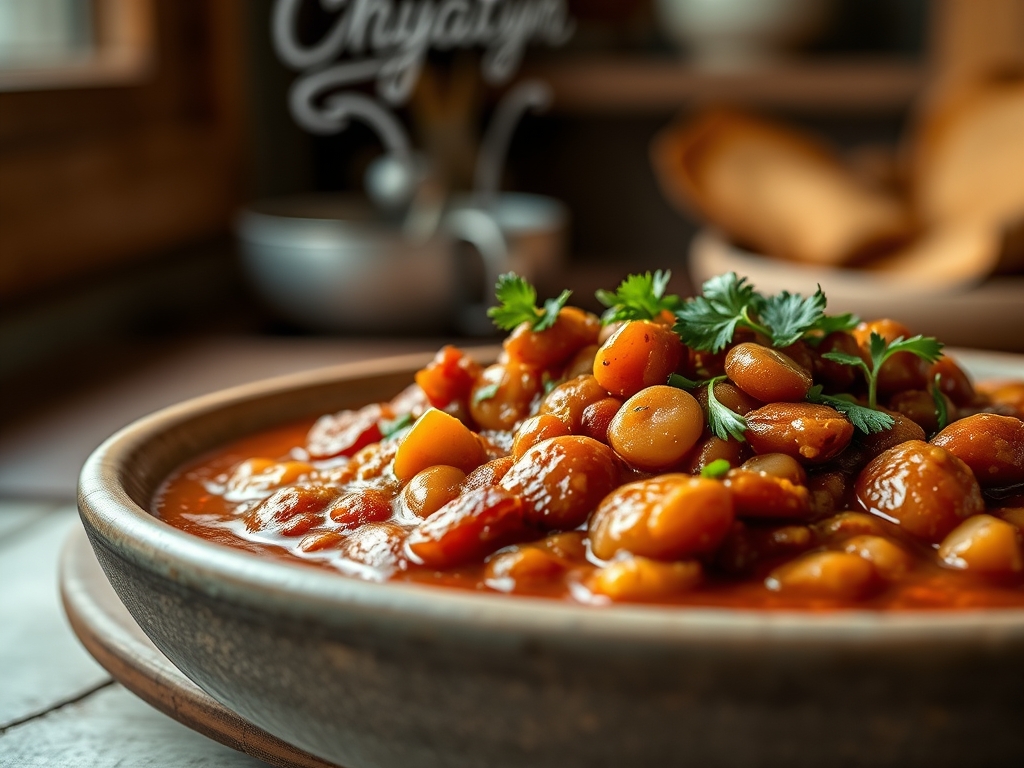
Referencing the Masterclass photo, your Canned Bean Chili should exhibit a deep, rust-red hue rather than a bright, watery orange. If your chili looks dull, you likely skipped the spice-blooming step; fix this by stirring in a tiny amount of paprika toasted in oil. If the beans appear "shredded" or "mushy," you over-agitated the pot. Next time, use a folding motion. If you see a layer of oil on top, your emulsion has broken. To repair, stir in a tablespoon of tomato paste and give it a vigorous whisk to re-bind the fats and liquids. The visual cue for success is a glossy sheen and a "lava-like" flow when the spoon is dragged through the center.
THE DEEP DIVE
Macro Nutrition Profile:
A standard serving of this infrastructure provides approximately 280 calories, 15g of fiber, and 12g of plant-based protein. It is a high-satiety fuel source with a low glycemic index, making it ideal for sustained cognitive performance.
Dietary Swaps:
- Vegan: This recipe is natively vegan. Ensure your stock is vegetable-based.
- Keto: Replace 50 percent of the beans with sautéed mushrooms or cauliflower florets to reduce the carbohydrate load.
- GF: Naturally gluten-free; however, verify that your spice blends do not contain anti-caking agents derived from wheat.
Meal Prep & Reheating Science:
Chili is one of the few substances that improves with age. As it cools, the flavors undergo syneresis and redistribution, leading to a more harmonious profile the next day. When reheating, use a microwave-safe glass container and add a splash of water to prevent the beans from becoming desiccated. Heat in 60-second intervals, stirring between each to ensure even thermal distribution.
THE KITCHEN TABLE
Why are my beans still tough?
You likely added an acid like vinegar or too much lime juice too early. Acid strengthens the cell walls of legumes. Always save your acidic finishers for the final thirty seconds of the cook cycle.
Can I use dried beans instead?
Yes, but you exit the "Rapid" protocol. Dried beans require an overnight soak and a two-hour simmer. For this specific technical audit, canned beans are the superior choice for time-to-table efficiency.
How do I add more heat?
Integrate finely diced jalapeños during the aromatic softening phase. For a smoky heat, add a tablespoon of adobo sauce from a can of chipotle peppers. This introduces capsaicin and complex smoky notes simultaneously.
What is the best way to garnish?
To balance the density of the chili, use high-contrast toppings. Cold sour cream provides a thermal contrast, while fresh cilantro or scallions add a necessary aerate quality to the heavy, savory base.