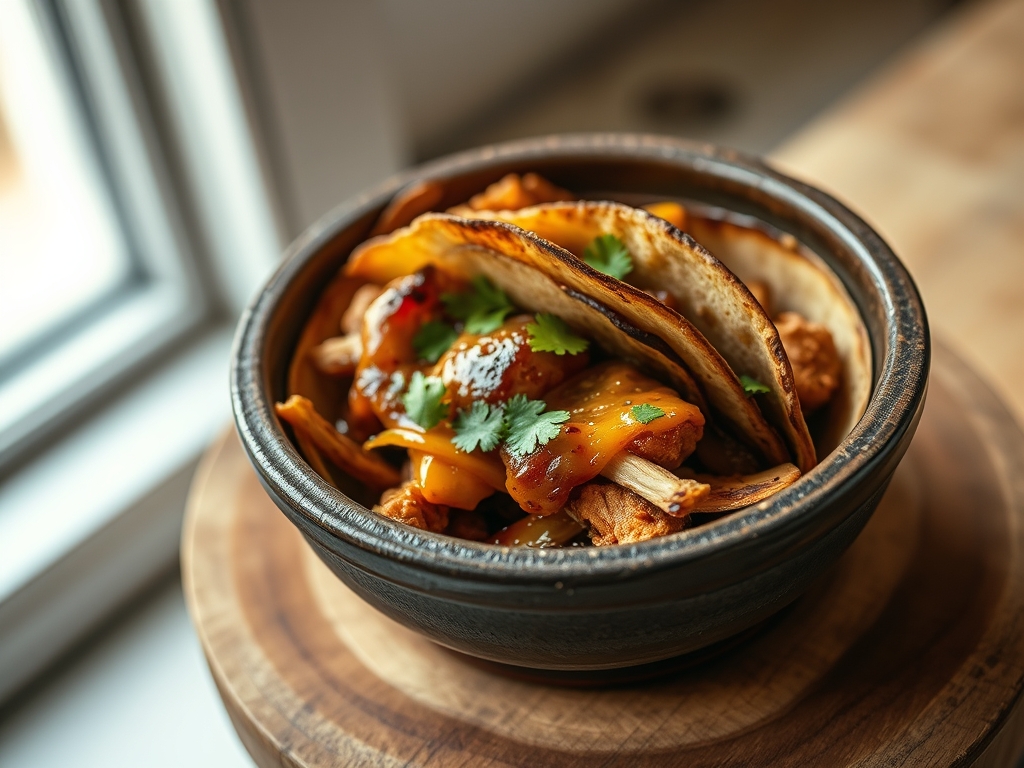
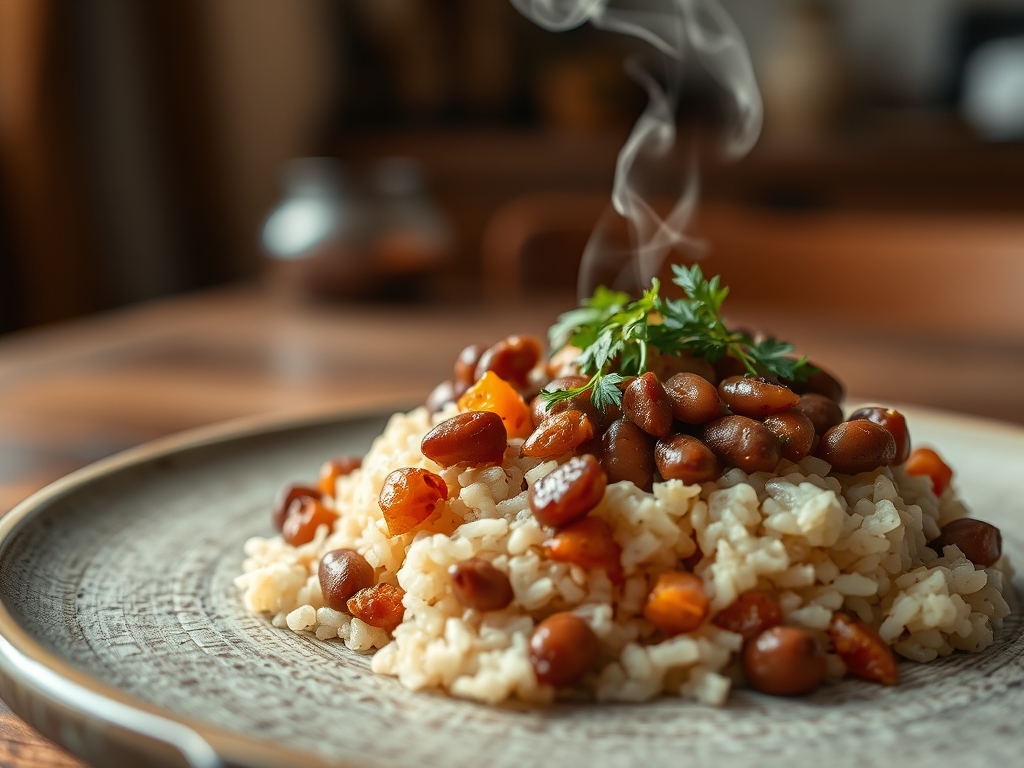
Forget the humble reputation and the frugal connotations because we are currently initiating a Rice and Beans Audit to overhaul your culinary foundation. Most home cooks treat this pairing as a desperate Tuesday night survival tactic; they dump canned legumes into a pot of mushy starch and wonder why the result lacks soul. That ends today. We are looking for the perfect structural integrity of long-grain rice and the creamy, rendered luxury of a well-seasoned bean. We are hunting for the Maillard reaction on the aromatics and the precise emulsification of bean starches with high-quality fats. This is not just a meal; it is a high-performance protein synthesis protocol designed to fuel the human machine. We want a bowl that vibrates with piquant spices and boasts a texture so refined it could pass a military inspection. If your current pantry staples feel like a chore, your technical infrastructure is failing. It is time to audit your process, recalibrate your heat, and transform basic carbohydrates into a masterclass of flavor engineering.
THE DATA MATRIX
| Metric | Specification |
|---|---|
| Prep Time | 15 Minutes |
| Execution Time | 45 Minutes |
| Yield | 4 Standard Servings |
| Complexity | 4/10 |
| Estimated Cost per Serving | $1.15 USD |
THE GATHERS
Ingredient Protocol:
- 475ml / 2 cups Long-grain white rice (Jasmine or Basmati)
- 800g / 2 cans (15oz) Black beans or Kidney beans, rinsed
- 15ml / 1 tbsp Neutral oil (Grapeseed or Avocado)
- 115g / 1 medium Yellow onion, finely diced
- 3 cloves Garlic, minced via microplane
- 5g / 1 tsp Smoked paprika
- 2.5g / 0.5 tsp Cumin, toasted and ground
- 710ml / 3 cups Vegetable or chicken stock
- 15ml / 1 tbsp Fresh lime juice
- 10g / 0.25 cup Fresh cilantro, chopped
Section A: Ingredient Quality Audit:
If your rice smells like dusty cardboard, the volatile oils have oxidized. The fix is a rigorous triple-rinse in cold water to remove excess surface starch and debris. If your canned beans are "mushy" straight from the tin, they were over-processed at the factory. You can salvage this by infusing them in a shallow saucier with minimal liquid to encourage slight dehydration and firming. For spices that have lost their punch, do not simply add more. Instead, bloom them in hot oil for 60 seconds to awaken the fat-soluble flavor compounds before adding any liquid components.
THE MASTERCLASS
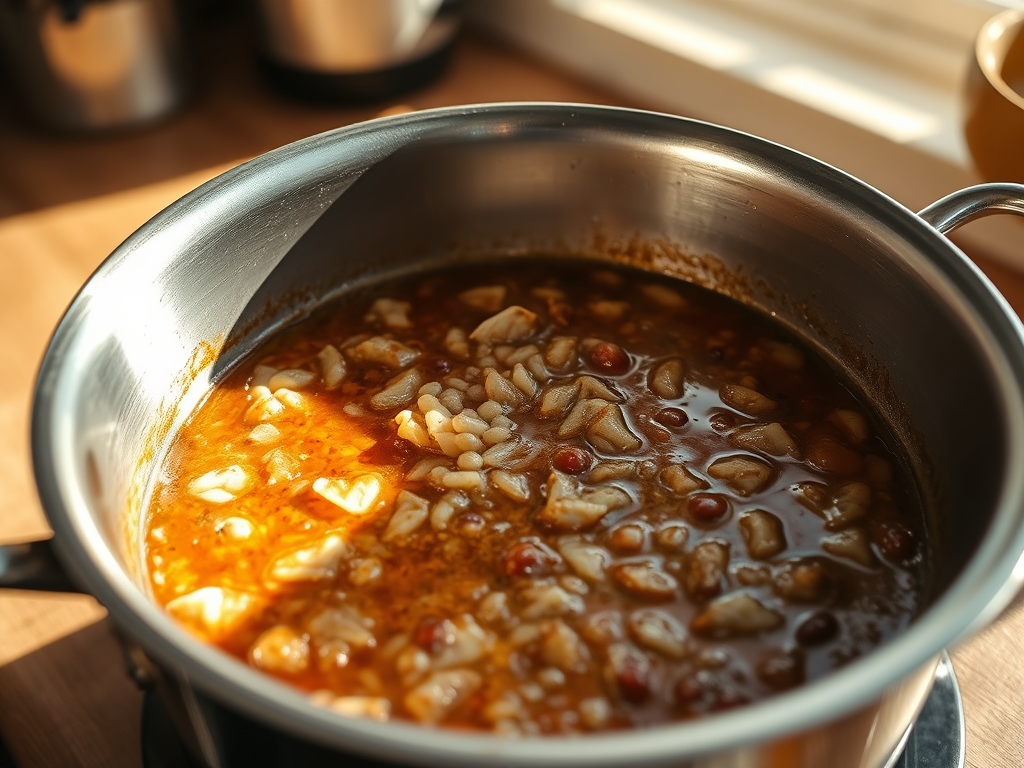
1. The Aromatic Foundation
Begin by heating your oil in a heavy-bottomed saucier over medium heat. Add your diced onions and use a bench scraper to transfer every bit of material from the board to the pan. Sauté until the onions are translucent and the edges begin to render into a golden hue.
Pro Tip: This stage is about building a flavor base through the Maillard reaction. Sweating the onions slowly allows the natural sugars to caramelize without burning, creating a deeper umami profile that water-based simmering cannot achieve.
2. Toasting the Starch
Add the dry, rinsed rice directly to the pan with the aromatics. Stir constantly for 3 minutes until the grains transition from translucent to an opaque, pearly white.
Pro Tip: Toasting the rice coats each grain in fat, which creates a physical barrier. This prevents the grains from sticking together later, ensuring a fluffy, distinct texture rather than a homogenous clump. Use a digital scale to ensure your rice-to-liquid ratio is exactly 1:1.5 by weight for perfect hydration.
3. The Liquid Infusion
Pour in your stock and add the toasted spices. Bring the mixture to a rapid boil, then immediately drop the heat to the lowest possible setting. Cover with a tight-fitting lid to trap the steam.
Pro Tip: Use a heavy lid to maintain internal pressure. If your lid is light, place a clean kitchen towel between the pot and the lid to create a better seal. This ensures the steam infuses the grain evenly from the core outward.
4. Integrating the Legumes
At the 15-minute mark, quickly lift the lid and fold in the rinsed beans. Do not stir aggressively; simply nestle them into the top layer of rice. Replace the lid for the final 5 minutes of cooking.
Pro Tip: Adding beans too early can lead to "graying" of the rice as the bean pigments bleed. Adding them late allows the residual heat to warm them through while preserving the visual integrity of the white rice.
5. The Aeration Phase
Remove from heat and let the pot sit, undisturbed, for 10 minutes. Finally, use a fork or a silicone spatula to aerate the mixture, folding in the lime juice and fresh cilantro.
Pro Tip: This resting period allows the moisture to redistribute. If you fluff the rice immediately, the grains are too fragile and will fracture, releasing starch and creating a "gummy" mouthfeel.
Section B: Prep & Timing Fault-Lines:
The most common failure in a Rice and Beans Audit is "The Mush Factor." This occurs when the cook ignores the clock or uses a burner that is too hot. If your liquid evaporates before the rice is tender, do not just splash in cold water. Add 30ml of boiling stock and keep the lid sealed. If your rice is done but there is still liquid at the bottom, remove the lid and turn the heat to high for 60 seconds to deglaze and evaporate the excess, then immediately pull it off the heat to rest.
THE VISUAL SPECTRUM
Section C: Thermal & Visual Troubleshooting:
Look at the Masterclass photo above. Notice the individual grain definition; each grain of rice stands alone. If your dish looks like a purple-tinted porridge, you over-stirred or failed to rinse the beans. If the color is dull, you likely skipped the spice-blooming step. To fix a dull appearance, finish the dish with a "brightener" such as a drizzle of extra virgin olive oil or a dusting of fresh zest. The visual goal is a vibrant contrast between the dark, earthy beans and the bright, fluffy rice, punctuated by the neon green of fresh herbs.
THE DEEP DIVE
Macro Nutrition Profile:
A standard serving provides approximately 350 calories, 12g of complete protein, and 10g of dietary fiber. By combining the sulfur-containing amino acids in rice with the lysine in beans, you create a complete protein chain equivalent to animal sources.
Dietary Swaps:
- Vegan: Already compliant if using vegetable stock.
- Keto: Replace rice with cauliflower rice, but reduce the liquid volume by 80% as cauliflower releases its own moisture.
- GF: Naturally gluten-free, but ensure your stock brand is certified.
Meal Prep & Reheating Science:
Rice undergoes retrogradation when cooled, where the starches crystallize and become firm. To reheat without losing molecular structure, add a teaspoon of water per cup of rice and cover tightly before microwaving. This creates a steam chamber that re-hydrates the starch crystals back to their original soft state.
THE KITCHEN TABLE
Why is my rice always crunchy?
You likely have a "steam leak" or your heat is too high, causing evaporation before absorption. Ensure your lid is airtight and use the lowest setting on your smallest burner to maintain a gentle simmer.
Can I use dried beans instead of canned?
Absolutely. However, you must soak them for 8 hours and simmer them separately until tender before the integration step. Dried beans offer superior texture and a more robust, viscous cooking liquor.
How do I fix bland rice and beans?
Increase the acidity. A splash of apple cider vinegar or extra lime juice acts as a flavor megaphone, amplifying the salt and spices without adding more sodium.
What is the best pot for this?
A heavy-bottomed stainless steel saucier or a cast-iron Dutch oven. These vessels distribute heat evenly, preventing the dreaded "hot spots" that burn the bottom layer of rice.