Forget the soggy tuna sandwiches of your childhood. We are entering the realm of high-octane lipid management where the humble tin meets the searing heat of artisanal sourdough. Sardine Toast Prep is not merely a lunch routine; it is a structural engineering project designed to deliver maximum omega-3 fatty acids with a piquant punch that wakes up the central nervous system. Imagine the sizzle of a cast iron pan as it meets cold butter. Picture the glistening, silver-skinned fillets being gently liberated from their oil-filled canisters. We are looking for a specific textural contrast: the crunch of a carbonized crust against the tender, flaky interior of the fish. This is about precision. It is about the ratio of acid to fat. It is about the unapologetic confidence required to mash a small oily fish into a masterpiece of culinary infrastructure. If you are ready to audit your pantry and elevate your toast game to a professional standard, clear the counter. The audit begins now.
THE DATA MATRIX
| Metric | Specification |
|---|---|
| Prep Time | 8 Minutes |
| Execution Time | 5 Minutes |
| Yield | 2 Servings |
| Complexity (1-10) | 3 |
| Estimated Cost per Serving | $4.50 |
THE GATHERS
Ingredient Protocol:
- 2 Tins (240g / 8.5 oz) High-quality sardines in olive oil.
- 4 Slices (200g / 7 oz) Sourdough or dense rye bread.
- 30ml / 2 tbsp Extra virgin olive oil for drizzling.
- 15g / 1 tbsp Unsalted butter.
- 1 Large (5g) Clove of garlic, peeled.
- 5ml / 1 tsp Fresh lemon juice.
- 2g / 1/2 tsp Lemon zest.
- 10g / 2 tbsp Fresh flat-leaf parsley, finely chopped.
- 1g / 1 pinch Red pepper flakes.
- 2g / 1/2 tsp Maldon sea salt flakes.
Section A: Ingredient Quality Audit:
The primary failure point in Sardine Toast Prep is the selection of low-grade lipids. If your sardines are packed in soy or sunflower oil, the flavor profile will be metallic and flat. Technical Fix: Drain the inferior oil completely and submerge the fillets in a high-phenolic extra virgin olive oil for ten minutes before assembly to infuse them with better fats. If your bread is too airy (like a standard white loaf), it will lack the structural integrity to support the heavy fish. Use a dense, long-fermentation sourdough to ensure the crumb can absorb the juices without becoming a structural hazard. Finally, if your lemon is dry, zest it first to release the essential oils before juicing.
THE MASTERCLASS
1. The Foundation Sear
Place your cast iron skillet over medium-high heat. Add the butter and a splash of oil to raise the smoke point. Once the butter begins to foam and render, place the sourdough slices in the pan. Use a heavy bacon press or a secondary skillet to apply even pressure across the surface of the bread.
Pro Tip: This pressure ensures maximum surface area contact, accelerating the Maillard reaction. The sugars and amino acids in the crust will transform into a complex, savory matrix. Use a bench scraper to check the underside for a uniform golden-brown hue.
2. The Garlic Infusion
Remove the bread once it achieves a resonant crunch. Immediately rub the raw garlic clove across the hot, abrasive surface of the toast. The heat will slightly cook the garlic as it grates against the bread, leaving behind a pungent, aromatic film.
Pro Tip: Do not over-rub. A light touch is required to avoid an overpowering sulfurous bite. Professionals use a digital scale to ensure each slice receives roughly the same amount of aromatic friction.
3. The Lipid Decanting
Open the sardine tins and use a small offset spatula to lift the fillets. If you prefer a warm topping, flash-sear the sardines in the same pan used for the bread for exactly 30 seconds per side. This will aerate the fats and make the texture more luxurious.
Pro Tip: Use a saucier if you intend to create a warm emulsion with the tin oil and lemon juice. Whisking the oil with a splash of water and acid creates a viscous dressing that coats the fish perfectly.
4. The Final Assembly
Layer the fillets onto the garlic-rubbed toast. Sprinkle the lemon zest, red pepper flakes, and parsley over the top. Finish with a generous pinch of sea salt and a final drizzle of fresh oil.
Pro Tip: The salt must be flaky. Large crystals provide a textural "pop" that cuts through the richness of the fish. Use a microplane for the zest to ensure it is fine enough to distribute flavor without adding bitterness from the white pith.
Section B: Prep & Timing Fault-Lines:
The most common human error is the "Cold Fish Syndrome." If the sardines are straight from a cold pantry and the toast is lukewarm, the fat will feel waxy on the palate. Technical Fix: Ensure the toast is hot enough to slightly melt the sardine fats upon contact. If your timing is off, use a culinary torch to gently reheat the surface of the fish once it is on the bread. Another fault-line is the "Soggy Bottom." If you apply the lemon juice directly to the bread, it will disintegrate. Always apply acids to the fish or the greens, never the structural foundation.
THE VISUAL SPECTRUM
Section C: Thermal & Visual Troubleshooting:
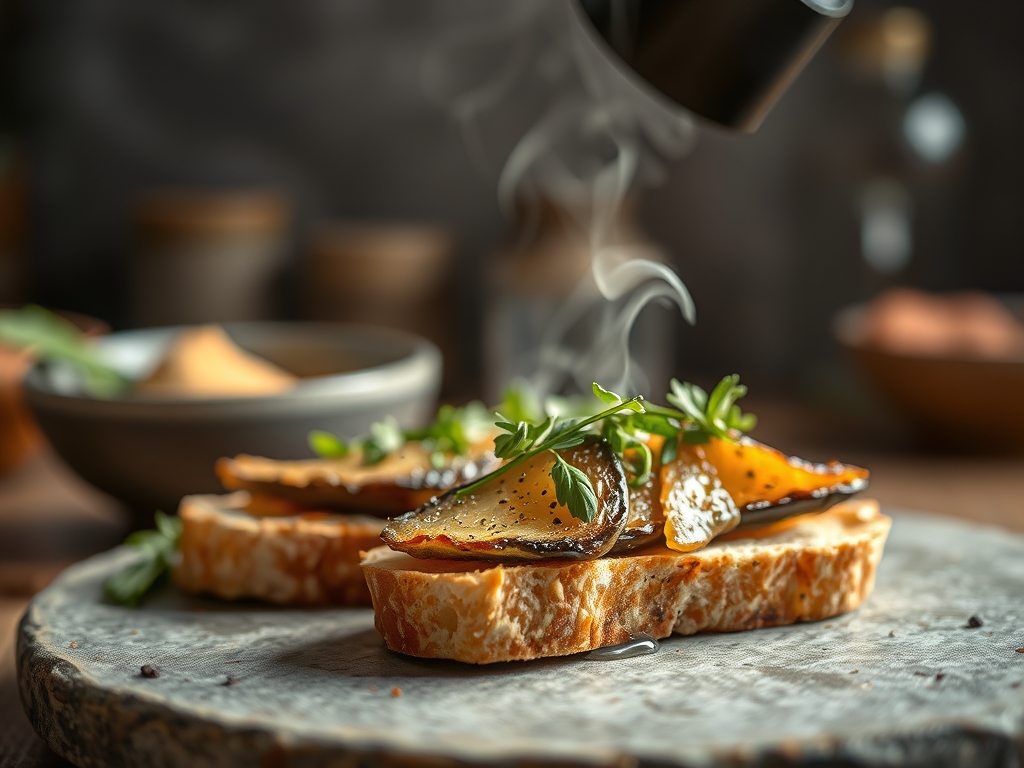
Referencing the Masterclass photo, your toast should exhibit a high-contrast color palette. If your toast looks pale, you have failed to achieve the necessary thermal threshold; increase your pan temperature. If the sardines look "muddy," you likely over-mixed them in the tin. The fillets should remain whole and glistening. If the parsley looks wilted, it was applied to a surface that was too hot. Wait thirty seconds after searing the bread before adding fresh herbs. The visual cue for success is a "shattered glass" texture on the bread crust paired with the iridescent sheen of the sardine skin.
THE DEEP DIVE
Macro Nutrition Profile:
This dish is a powerhouse of bioavailable nutrients. A standard two-slice serving provides approximately 35g of high-quality protein, 22g of heart-healthy fats (primarily monounsaturated and Omega-3s), and 40g of complex carbohydrates. It is also an exceptional source of Vitamin D and Calcium, especially if you consume the soft, edible bones of the sardines.
Dietary Swaps:
- Vegan: Replace sardines with marinated, grilled hearts of palm or "toona" made from mashed chickpeas and seaweed. Use vegan butter or extra oil for the sear.
- Keto: Eliminate the bread. Serve the sardine mixture over a bed of charred radicchio or inside sturdy romaine lettuce boats.
- GF: Utilize a high-density gluten-free seeded loaf. Note that GF bread often requires more oil to achieve a proper sear without burning.
Meal Prep & Reheating Science:
To maintain molecular structure, do not assemble the toast in advance. Store the toasted bread in a dry container and the sardine mixture in a separate airtight glass jar. When ready to consume, flash-toast the bread in a toaster oven for 60 seconds to restore the crispness before adding the toppings. Reheating sardines in a microwave is a violation of culinary ethics and will result in a rubbery texture and a lingering aroma that will alienate your colleagues.
THE KITCHEN TABLE
Can I use sardines in tomato sauce?
Yes, but you must deglaze the pan with a bit of white wine to balance the sweetness. The prep remains the same, but skip the lemon juice as the tomato provides sufficient acidity for the lipid audit.
Why is my toast always burnt on the edges?
This indicates an uneven heat distribution in your pan. Move the bread frequently or use a heavy-bottomed stainless steel pan to ensure the thermal energy is dispersed across the entire surface of the sourdough slice.
How do I get rid of the sardine smell?
Clean your tools immediately with cold water and lemon juice. Cold water prevents the fish proteins from "setting" into the pores of your sponges or wooden boards. A stainless steel "soap bar" also works wonders for your hands.
Is it safe to eat the bones?
Absolutely. The canning process softens the bones until they are essentially pressurized calcium. They provide a subtle crunch and are vital for the nutritional integrity of the Sardine Toast Prep. Do not remove them.