The kitchen is not a sanctuary; it is a high-performance laboratory where the stakes are measured in flavor density and structural integrity. Forget the slow-simmered myths of your grandmother. We are here to talk about the Lentil Soup Pantry, a masterclass in rapid-response nutrition and dehydrated fiber stability. Imagine the scent of toasted cumin colliding with the sharp, piquant aroma of sautéed aromatics. This is the sensory baseline for a dish that demands zero apologies for its speed. We are leveraging the unique surface-area-to-volume ratio of the split red lentil to achieve a viscous, velvet-smooth consistency in under thirty minutes. This is not just soup; it is a thermal event. When you crack open that pantry door, you are looking at a pressurized system of stored potential energy. Every dried pulse is a battery of protein waiting to be activated by the correct application of moisture and heat. If you cannot produce a world-class meal from a standing start in less time than it takes to watch a sitcom, you are simply not optimizing your culinary infrastructure.
THE DATA MATRIX
| Metric | Specification |
|---|---|
| Prep Time | 8 Minutes |
| Execution Time | 22 Minutes |
| Yield | 4 Standard Units (Servings) |
| Complexity | 3 / 10 |
| Estimated Cost per Serving | $1.15 USD |
THE GATHERS
Ingredient Protocol:
- 250g / 1.25 cups Red Split Lentils (Rinsed until effluent is clear)
- 1.2 Liters / 5 cups Vegetable or Bone Broth (High sodium-buffer capacity)
- 1 Large Yellow Onion / 200g (Finely diced)
- 2 Large Carrots / 150g (Brunoise cut)
- 3 Cloves Garlic / 15g (Microplaned)
- 30ml / 2 tbsp Extra Virgin Olive Oil (High polyphenol count)
- 5ml / 1 tsp Ground Cumin (Freshly toasted)
- 2.5ml / 0.5 tsp Smoked Paprika (Pimenton de la Vera)
- 15ml / 1 tbsp Lemon Juice (To brighten the pH)
- 5g / 1 tsp Kosher Salt (Adjust to baseline)
Section A: Ingredient Quality Audit:
Sub-par raw materials are the primary failure point in any Lentil Soup Pantry deployment. If your lentils are ancient, they will suffer from hard-to-cook (HTC) defect, where the cell walls refuse to hydrate regardless of thermal input. Technical Fix: Add a pinch of baking soda to the boiling liquid; the alkaline environment accelerates the breakdown of hemicellulose. If your spices smell like dusty cardboard, they have lost their volatile oils. Technical Fix: "Bloom" them in hot oil for 60 seconds to re-activate the remaining aromatic compounds through lipid-solubility.
THE MASTERCLASS
1. Thermal Activation of Aromatics
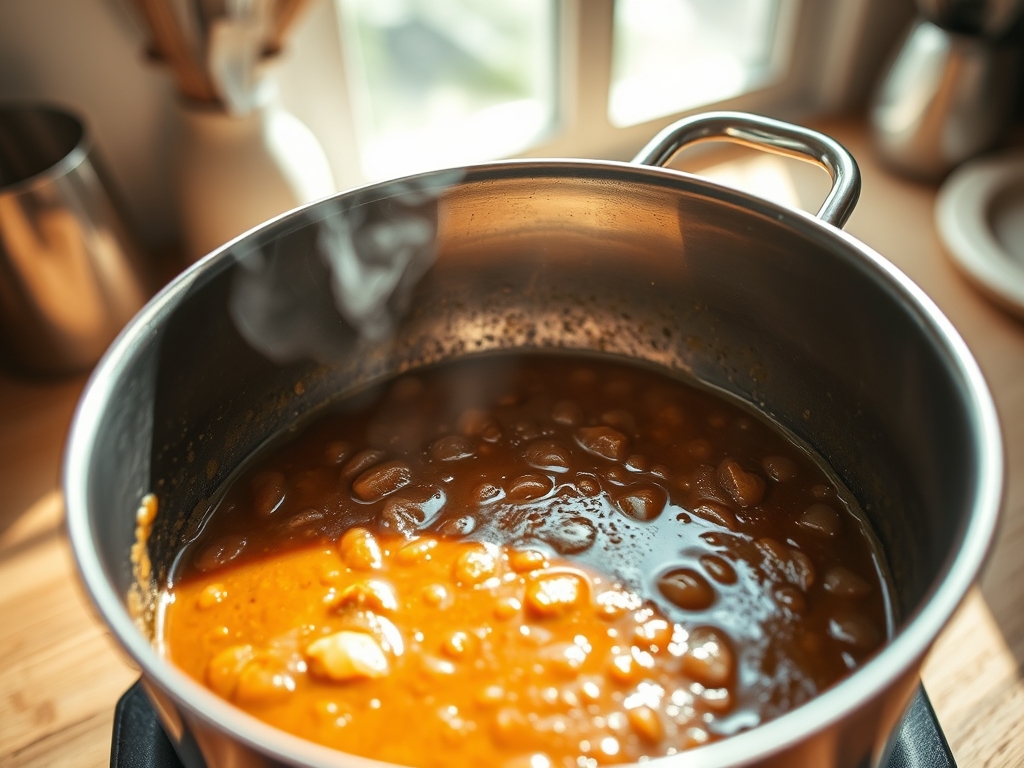
Deploy your heavy-bottomed saucier or Dutch oven over medium-high heat. Add the olive oil and wait for the shimmer that indicates a drop in viscosity. Toss in the onions and carrots. You are looking to render the moisture out of the vegetables until they are translucent but not browned.
Pro Tip: Use a digital scale to weigh your aromatics rather than relying on volumetric "cups." Consistency in mass ensures consistency in the final flavor profile. Precision is the enemy of mediocrity.
2. The Maillard Interaction
Add the garlic, cumin, and paprika. Stir constantly with a high-heat silicone spatula or bench scraper to prevent localized hotspots from scorching the delicate garlic phenols. The goal is to toast the spices until the air in your kitchen feels heavy with a piquant, earthy musk.
Pro Tip: This stage is about infusing the lipid base. Spices are fat-soluble; by frying them briefly, you ensure the flavor is carried through the entire aqueous solution later.
3. Hydration and Pulse Deployment
Introduce the rinsed red lentils to the pot. Stir for 60 seconds to coat every grain in the spiced oil. This "toasting" of the dry pulse adds a nutty dimension to the finished product. Pour in the broth and use a wooden spoon to deglaze the bottom of the vessel, scraping up any caramelized sugars.
Pro Tip: Red lentils lack the tough outer skin of green or black varieties. This lack of structural reinforcement is what allows them to disintegrate into a naturally viscous puree without the need for mechanical blending.
4. Controlled Simmer and Emulsification
Bring the mixture to a hard boil, then immediately drop to a low simmer. Cover the pot. The lentils will undergo a rapid transition from solid discs to soft, aerated clouds. This should take exactly 15 to 18 minutes.
Pro Tip: Use an immersion blender for exactly five seconds if you prefer a smoother texture. This releases just enough starch to create a creamy mouthfeel without turning the soup into a monolithic paste.
Section B: Prep & Timing Fault-Lines:
Timing errors usually stem from a failure to account for "carry-over" hydration. If you cook the lentils until they look perfect in the pot, they will be over-saturated by the time they hit the table. Technical Fix: Pull the pot from the heat when the lentils are "al dente" in appearance; the residual thermal energy will finish the job. If your soup is too thick, do not just add water. Add a splash of broth or a hit of acid (vinegar/lemon) to maintain the flavor density while adjusting the flow rate.
THE VISUAL SPECTRUM
Section C: Thermal & Visual Troubleshooting:
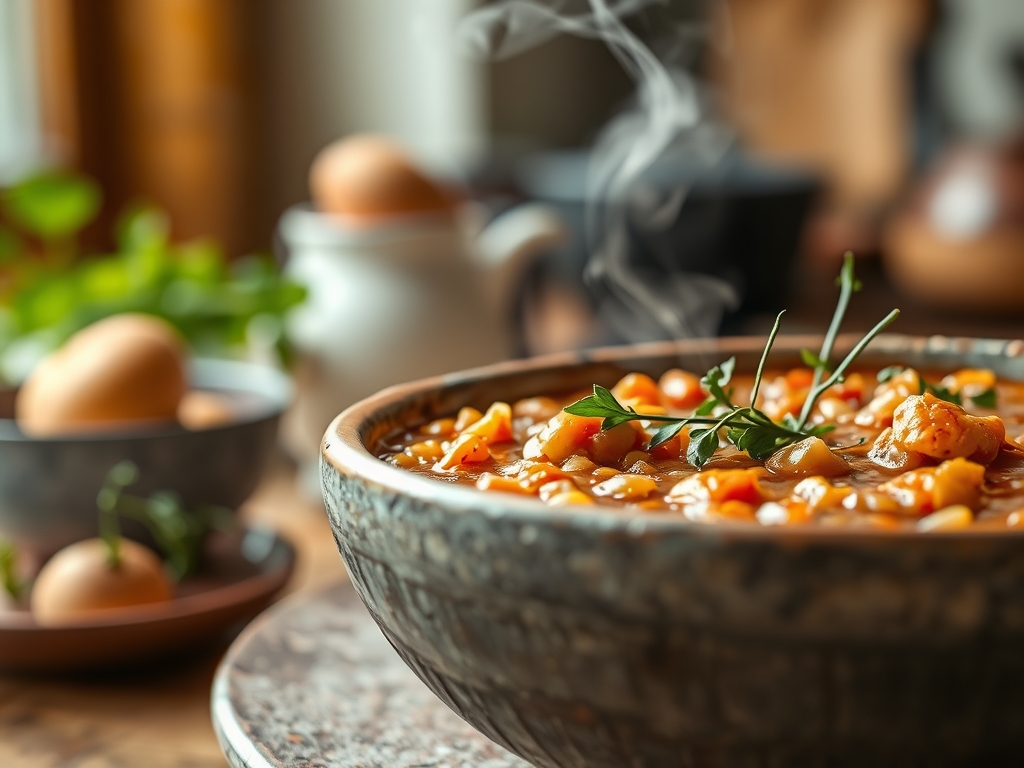
Observe the Masterclass photo above. Notice the vibrant, sunset-orange hue and the way the oil droplets sit on the surface like golden beads. If your soup looks dull or grey, you likely overcooked the pulses or used a broth with too many dark impurities. The Fix: A final stir of fresh lemon juice and a drizzle of raw olive oil will aerate the surface and provide a visual "pop." If the soup appears broken or watery, your starch release was insufficient. The Fix: Whisk in a teaspoon of tomato paste or a slurry of cornstarch to re-establish the emulsion. The visual cue for success is a "velvet" sheen that coats the back of a spoon.
THE DEEP DIVE
Macro Nutrition Profile:
A single serving of this pantry-stable powerhouse delivers approximately 18g of plant-based protein, 15g of dietary fiber, and a significant dose of non-heme iron. It is a low-glycemic index fuel source that prevents the dreaded post-lunch insulin spike.
Dietary Swaps:
- Vegan: Already compliant. Ensure your broth is vegetable-based.
- Keto: Red lentils are too carb-heavy for strict keto. Swap lentils for riced cauliflower and reduce the simmer time to 8 minutes.
- GF: Naturally gluten-free. Audit your broth brand for hidden thickening agents.
Meal Prep & Reheating Science:
Lentils are notorious for absorbing liquid during refrigeration. When reheating, the molecular structure of the starch has "set." You must introduce 50ml of liquid per serving and reheat slowly to avoid scorching the bottom. Avoid the microwave if possible; a small saucepan allows you to whisk the soup and re-incorporate the fats for a silkier finish.
THE KITCHEN TABLE
Why are my lentils still crunchy after 30 minutes?
Your water might be too "hard" (mineral-heavy) or your lentils are old. Minerals like calcium bind to the cell walls, preventing hydration. Add a pinch of salt only after the lentils have softened to avoid toughening the skins.
Can I use green lentils instead of red?
You can, but the infrastructure changes. Green lentils have an intact outer husk and will require 40 to 45 minutes of simmer time. They will also maintain their shape rather than melting into a thick, viscous base.
How do I fix a soup that is too salty?
Do not add more water; it dilutes the flavor profile. Instead, add a peeled potato to the pot for 10 minutes to absorb excess sodium, or increase the acidity with extra lemon juice to mask the salt perception.
What is the best way to store leftovers?
Transfer to an airtight glass container within two hours of cooking. The soup will stay structurally sound for up to five days. For long-term storage, freeze in flat silicone bags to maximize surface area for faster thawing.