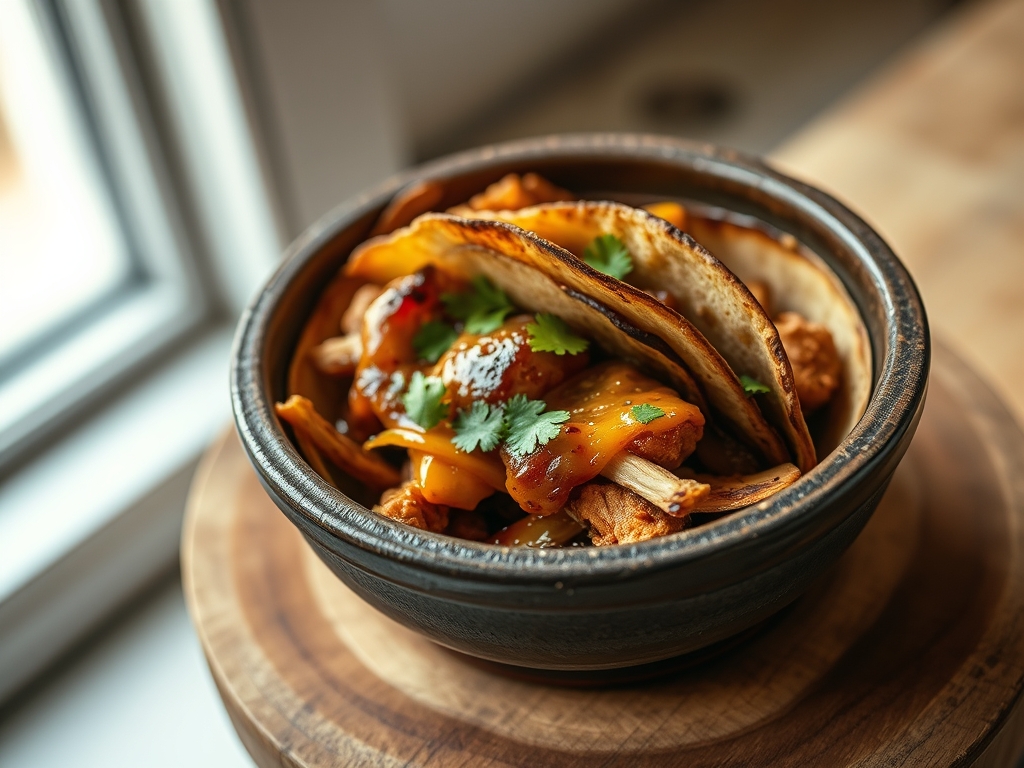
Listen to the sound of the pantry door swinging open; it is the sound of a culinary emergency being averted by the sheer structural integrity of the humble tin. We are not merely opening a can; we are excavating the foundation of a high-speed, high-protein masterpiece known as Canned Salmon Cakes. This is where the mundane meets the molecular. You have a shelf-stable protein source that, when treated with the correct binding agents and thermal intensity, transforms from a compressed block of pink fiber into a golden, crispy disk of oceanic excellence. The air should immediately fill with a piquant aroma of citrus zest and oceanic salt as you flake the meat. We are looking for that perfect shatter-crisp exterior that gives way to a moist, aerated interior. This is the ultimate infrastructure project for the time-crunched epicurean. Forget the soggy, lackluster patties of school cafeterias past. We are building a structural marvel using marine fibers, binders, and the violent, beautiful heat of a well-seasoned skillet.
THE DATA MATRIX
| Metric | Specification |
|---|---|
| Prep Time | 12 Minutes |
| Execution Time | 8 Minutes |
| Yield | 6 Large Cakes |
| Complexity (1-10) | 3 (Entry Level Mastery) |
| Estimated Cost per Serving | $2.15 USD |
THE GATHERS
Ingredient Protocol:
- 425g / 15oz Premium Canned Pink or Sockeye Salmon
- 125ml / 0.5 cup Panko breadcrumbs (for the internal matrix)
- 60ml / 0.25 cup Finely minced red bell pepper
- 45ml / 3 tbsp High-fat mayonnaise (the emulsifier)
- 15ml / 1 tbsp Dijon mustard (for piquant acidity)
- 1 Large Egg (the primary protein binder)
- 5ml / 1 tsp Freshly grated lemon zest
- 2g / 0.5 tsp Smoked paprika
- 30ml / 2 tbsp Neutral high-smoke point oil (for the render)
- Fresh dill and scallions to taste
Section A: Ingredient Quality Audit:
If your salmon appears overly viscous or mushy upon opening, do not panic. This is often a result of excess canning liquid. Drain the tin aggressively using a fine-mesh sieve and press the solids with a spoon to ensure a dry starting material. If your breadcrumbs have lost their snap due to humidity, spread them on a sheet pan and toast them at 150C / 300F for five minutes to re-establish their hygroscopic properties. For those using low-fat mayonnaise, be warned: the reduced lipid content will result in a weaker emulsion. Compensate by adding an extra teaspoon of olive oil to the mix to ensure the cakes do not crumble under thermal stress.
THE MASTERCLASS
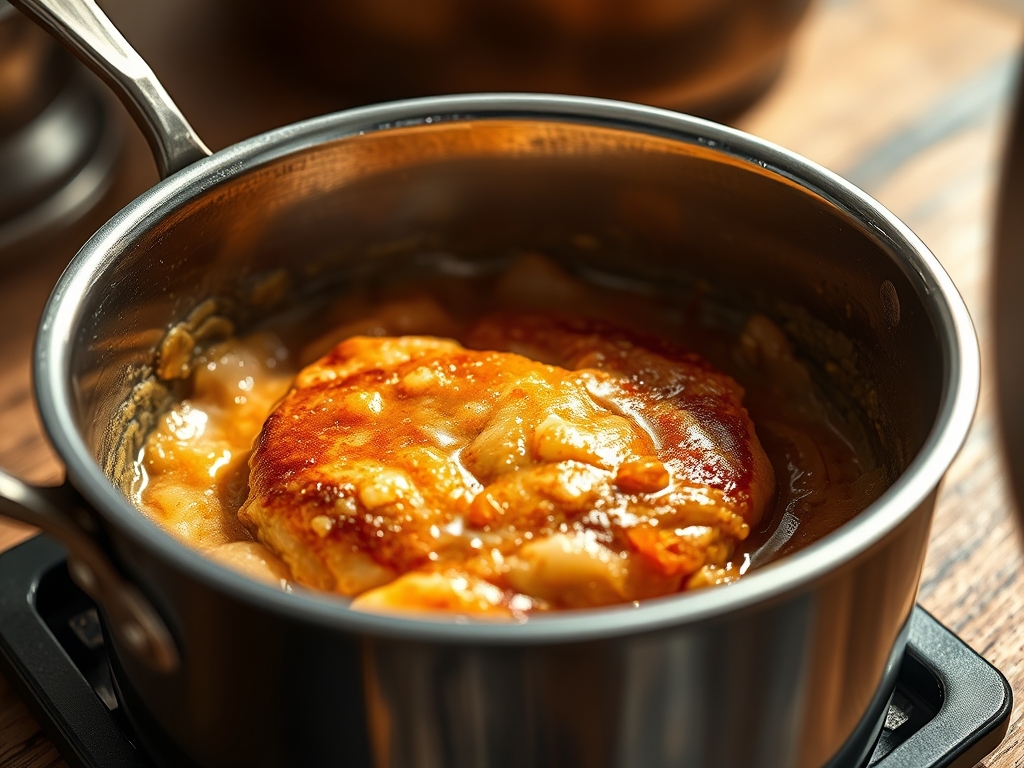
1. The Fiber Deconstruction
Empty the salmon into a wide stainless steel mixing bowl. Use a fork or a bench scraper to flake the meat into consistent 1cm chunks. Do not over-process the fish into a paste; you want to maintain the integrity of the marine fibers to provide a variegated mouthfeel.
Pro Tip: Use a digital scale to ensure your salmon-to-binder ratio is exact. Too much binder turns the cake into a bread ball; too little causes a structural collapse during the flip.
2. The Emulsion Integration
In a separate small saucier or bowl, whisk the egg, mayonnaise, mustard, and spices until a stable emulsion forms. Pour this liquid over the flaked salmon and fold gently. This coating ensures that every fiber is insulated by fat and protein, which will infuse the cake with moisture during the frying process.
Pro Tip: Allowing the mixture to hydrate for five minutes before forming patties allows the Panko to absorb excess moisture, creating a more cohesive internal structure.
3. The Structural Formation
Divide the mixture into six equal portions. Gently press them into disks roughly 2cm thick. If the mixture sticks to your hands, lightly dampen your palms with water. Ensure the edges are smooth and tucked in to prevent frayed ends from burning in the pan.
Pro Tip: Use a ring mold if you demand architectural precision. A uniform thickness ensures that the heat transfer is consistent across the entire surface area of the cake.
4. The Maillard Execution
Heat your heavy-bottomed skillet over medium-high heat. Add the neutral oil. Once the oil shimmers, carefully place the cakes into the pan. Sear for 3 to 4 minutes per side until a deep, mahogany crust forms. This is the Maillard reaction in full effect, transforming amino acids and sugars into a complex flavor profile.
Pro Tip: Do not crowd the pan. Crowding lowers the surface temperature of the skillet, causing the cakes to steam rather than sear, which results in a pale, flaccid exterior.
Section B: Prep & Timing Fault-Lines:
The most common failure in Canned Salmon Cakes is "The Premature Flip." If you attempt to turn the cake before the protein has fully coagulated and the crust has formed, the cake will shear in half. Wait for the visual cue of opaque, cooked edges before intervening with a spatula. Additionally, if your oil temperature is too low, the breadcrumbs will act as a sponge, soaking up grease and resulting in a heavy, oily product. Use an infrared thermometer to verify the oil is at least 175C / 350F before the first drop.
THE VISUAL SPECTRUM
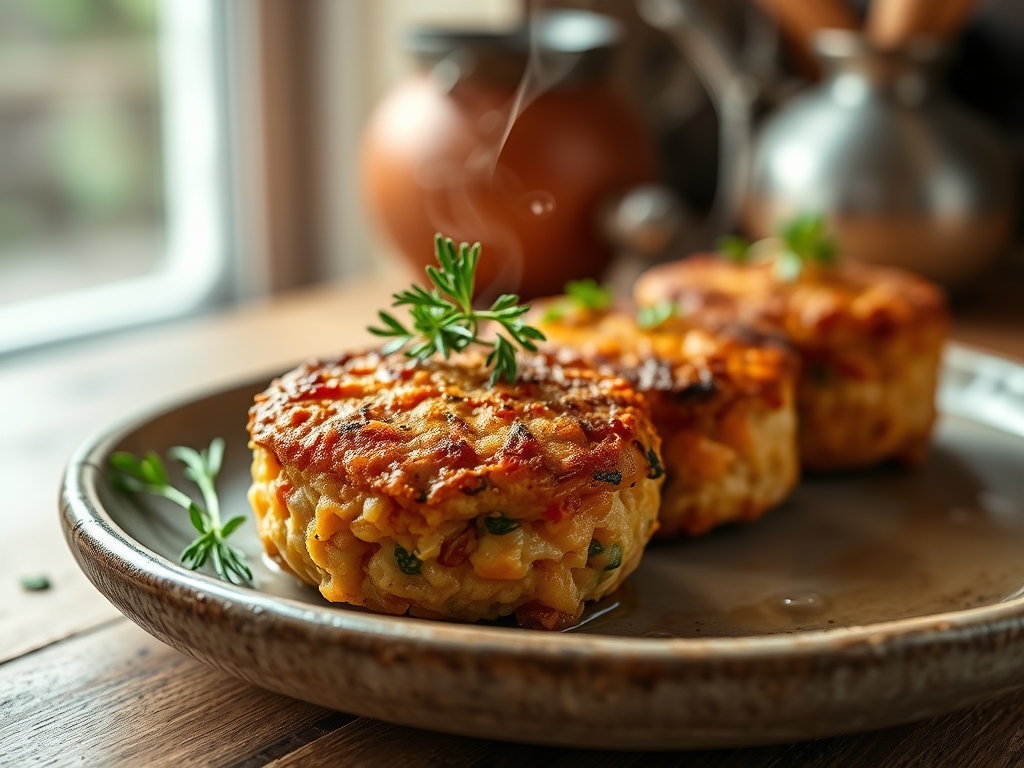
Section C: Thermal & Visual Troubleshooting:
Referencing the Masterclass photo above, observe the "Golden Hour" hue of the crust. If your cakes are coming out dark brown or black, your sugar content (from the mustard or bell peppers) is scorching; lower the flame immediately. If the cakes look "pock-marked" or unevenly colored, it indicates your pan is not level or your oil distribution is insufficient. The photo shows a distinct "lift" in the patties; this is achieved by not pressing down on them with the spatula while they cook. Pressing expels the internal moisture and creates a dense, leaden puck. Finally, if the green herbs look dull or grey, you have overcooked them. Fold fresh herbs in at the very last second of mixing to preserve their vibrant chlorophyll.
THE DEEP DIVE
Macro Nutrition Profile:
Each serving (2 cakes) provides approximately 28g of high-quality protein, 14g of healthy fats (including Omega-3 fatty acids), and 12g of carbohydrates. This is a high-density fuel source designed for cognitive function and muscle recovery.
Dietary Swaps:
- Keto: Replace Panko with crushed pork rinds or almond flour.
- Gluten-Free: Utilize certified GF breadcrumbs or gluten-free rolled oats processed into a coarse flour.
- Vegan: This is a "Marine Fiber" specific guide, but one could substitute mashed chickpeas and a flax-egg, though the structural integrity will be significantly more volatile.
Meal Prep & Reheating Science:
To maintain the molecular structure when reheating, avoid the microwave at all costs. The microwave agitates water molecules, which turns the crispy crust into a rubbery sheath. Instead, use an air fryer at 190C / 375F for 4 minutes or a dry skillet over medium heat. This re-activates the surface fats and restores the "shatter-crisp" texture without drying out the interior.
THE KITCHEN TABLE
Why do my salmon cakes fall apart in the pan?
This is usually a moisture imbalance. If the mix is too wet, the egg cannot bridge the gaps between fibers. Add a tablespoon more of Panko or chill the patties for 20 minutes before frying to firm up the fats.
Can I use fresh salmon instead of canned?
Certainly, but you must finely chop or pulse the raw fish first. Canned salmon is pre-cooked, which provides a specific "short" fiber texture that binds differently than raw muscle tissue. Adjust your cooking time upward for raw fish.
What is the best sauce for these cakes?
A classic remoulade or a simple lemon-dill yogurt sauce works best. The acidity cuts through the fatty profile of the salmon and the fried exterior, providing a necessary sensory balance to the dish.
How long can I store the raw mixture?
The prepared mixture can be refrigerated for up to 24 hours. Beyond that, the salt in the canned salmon begins to cure the egg, which can lead to a rubbery texture once cooked. For best results, fry immediately.