Stop treating that dehydrated brick of starch like a last resort. You are not a starving student; you are a culinary architect currently facing a resource deficit. The standard instant noodle packet is a skeletal frame waiting for structural reinforcement. Most people approach this task with the enthusiasm of a wet napkin, boiling water and praying for a miracle. We do not pray here; we engineer. A true Pantry Ramen Upgrade requires you to look past the salt-laden flavor packet and see the potential for a viscous, rich, and deeply savory broth that clings to every strand. We are talking about the difference between a sad bowl of salty water and a bowl that commands respect. The goal is to transform shelf-stable components into a high-fidelity dining experience through the strategic application of fat, acid, and heat. Strap in. We are about to audit your kitchen cabinets and turn those forgotten ingredients into a masterpiece of texture and piquancy that would make a Michelin inspector weep.
THE DATA MATRIX
| Metric | Specification |
|---|---|
| Prep Time | 10 Minutes |
| Execution Time | 12 Minutes |
| Yield | 1 Serving |
| Complexity (1-10) | 4 |
| Estimated Cost per Serving | $2.15 |
THE GATHERS
Ingredient Protocol:
- 1 Pack Instant Ramen (Noodles only, discard or save the packet)
- 350ml / 1.5 cups High-Quality Chicken or Vegetable Stock
- 15ml / 1 tbsp Toasted Sesame Oil
- 30ml / 2 tbsp Creamy Peanut Butter or Tahini
- 15ml / 1 tbsp Soy Sauce (Low sodium preferred)
- 5ml / 1 tsp Chili Crisp or Sriracha
- 1 Large Egg (Room temperature)
- 5g / 1 tsp Freshly Grated Ginger
- 2 Cloves Garlic (Microplaned)
- 1 Spring Onion (Thinly sliced on the bias)
- 2g / 0.5 tsp Toasted Sesame Seeds
Section A: Ingredient Quality Audit:
The primary failure point in a Pantry Ramen Upgrade is the use of stale aromatics. If your garlic is sprouting green stems or your ginger feels like a shriveled cork, the flavor profile will be bitter rather than piquant. To fix this, store ginger in the freezer and grate it while frozen to maintain cellular integrity. If your peanut butter has separated, do not just pour off the oil. Use a small whisk to re-emulsify the fats before adding them to your base. Furthermore, if your stock is bland, infuse it with a piece of dried kombu or a few dried shiitake mushrooms for ten minutes before starting the main boil. This adds a layer of natural glutamates that the flavor packet simply cannot mimic.
THE MASTERCLASS
1. The Aromatic Foundation
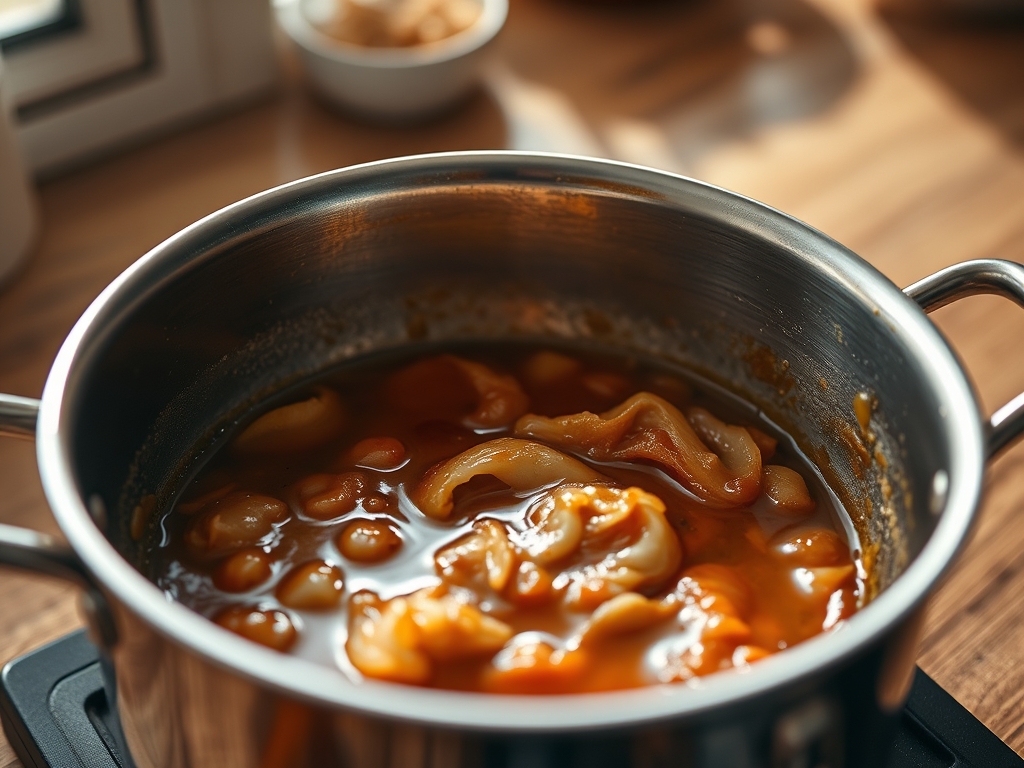
Place a small saucier over medium-low heat. Add the sesame oil and once it begins to shimmer, introduce the microplaned garlic and ginger. Sauté for exactly 45 seconds until fragrant but not browned.
Pro Tip: Use a digital scale to ensure your oil-to-aromatic ratio is precise. Sweating the aromatics at a lower temperature prevents the garlic from turning acrid, which would ruin the delicate balance of the finished broth.
2. Emulsifying the Base
Whisk the peanut butter, soy sauce, and chili crisp into the saucier. Slowly stream in 50ml of the stock while whisking vigorously to create a smooth paste. Once uniform, add the remaining stock.
Pro Tip: This is a classic emulsification process. By adding the liquid gradually, you allow the fats in the peanut butter to suspend evenly within the water-based stock, resulting in a viscous, creamy mouthfeel rather than a broken, oily mess.
3. Precision Noodle Hydration
Bring the broth to a gentle simmer. Do not reach a rolling boil. Submerge the noodle brick and use a pair of long kitchen tweezers or a silicone whisk to gently agitate the strands as they soften.
Pro Tip: Most people overcook their noodles. Aim for "al dente" by removing the saucier from the heat 30 seconds before the package instructions suggest. The residual heat will continue to cook the starch without compromising the structural integrity of the noodle.
4. The Poached Component
Push the noodles to one side of the saucier. Carefully crack the room-temperature egg into the simmering broth. Cover the pan with a lid and let it poach for exactly three minutes.
Pro Tip: A room-temperature egg prevents the broth temperature from dropping too sharply. Using a lid creates a localized steam environment, ensuring the whites set perfectly while the yolk remains liquid and ready to enrich the broth.
5. Final Assembly and Aeration
Transfer the noodles and broth to a pre-warmed ceramic bowl. Use a bench scraper to neatly gather any stray aromatics from your cutting board. Garnish with the sliced spring onions and sesame seeds.
Pro Tip: Pre-warming the bowl prevents thermal shock, which can cause the emulsified fats in your broth to separate. A quick 30-second rinse with hot water is all it takes to maintain the ideal serving temperature.
Section B: Prep & Timing Fault-Lines:
The most common human error is the "boil and dump" mentality. If you boil the noodles in plain water and then try to add the flavor base, the noodles will not absorb the seasoning. They must be hydrated within the flavored broth to ensure the starch molecules bind with the fats and salt. Additionally, if your egg yolk breaks during the poach, do not panic. Whisk it directly into the broth to create a "creamy" egg-drop style soup. It is a pivot, not a failure. Always use a timer; thirty seconds is the difference between a silken noodle and a mushy disaster.
THE VISUAL SPECTRUM
Section C: Thermal & Visual Troubleshooting:
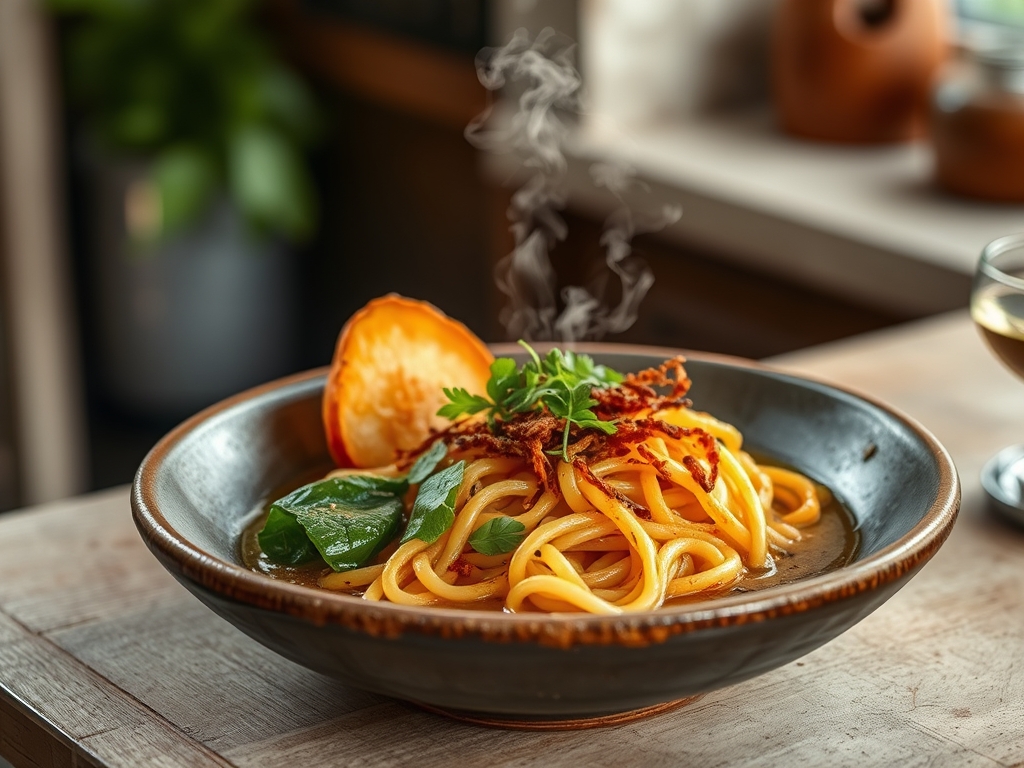
Look at the reference image. The broth should possess a deep, golden-tan hue with visible droplets of red chili oil floating on the surface. If your broth looks grey or muddy, you likely over-mixed the peanut butter or used a dark soy sauce that overwhelmed the color. If the spring onions look wilted, you added them too early; they should be vibrant green and provide a crisp textural contrast. Notice the egg in the photo: the white is opaque and firm, while the yolk is slightly translucent. If your egg looks like a shredded cloud, your broth was at a rolling boil rather than a gentle simmer. To fix dull colors, a splash of lime juice or rice vinegar at the very end will brighten the visual and flavor profile simultaneously.
THE DEEP DIVE
Macro Nutrition Profile:
A standard reinforced bowl provides approximately 580 calories. You are looking at 18g of protein (from the egg and peanut butter), 32g of fats (primarily unsaturated from sesame and nuts), and 55g of carbohydrates. The sodium content remains high, so balance this by consuming additional water throughout the day.
Dietary Swaps:
- Vegan: Replace the egg with silken tofu cubes and ensure your noodles are egg-free.
- Keto: Swap the wheat noodles for shirataki (konjac) noodles and use almond butter instead of peanut butter to lower the carb count.
- GF: Utilize brown rice or millet-based ramen cakes and substitute soy sauce with tamari or liquid aminos.
Meal Prep & Reheating Science:
If you must prep this ahead, store the broth and noodles separately. Storing them together leads to "starch bloat" where the noodles absorb all the liquid and lose their texture. Reheat the broth until it reaches 74C (165F) before adding fresh noodles. This maintains the molecular structure of the fats and prevents the broth from becoming gritty.
THE KITCHEN TABLE
Why is my ramen broth so thin?
You likely skipped the emulsification step. Ensure you whisk the fat source (peanut butter or tahini) into a small amount of liquid first to create a thick paste before adding the rest of the stock.
Can I use the flavor packet?
You can, but reduce the soy sauce to zero. The packet is essentially flavored salt. Using both will result in a sodium level that masks the subtle notes of ginger and sesame oil.
How do I get the perfect egg?
Temperature control is king. The water should have small bubbles, not a violent churn. Cracking the egg into a small ramekin first allows for a more controlled entry into the poaching liquid.
My noodles are sticking together!
This happens when the starch is not agitated. Use your kitchen tweezers to pull the noodles apart as soon as they soften. A splash of acid like rice vinegar can also help keep strands distinct.