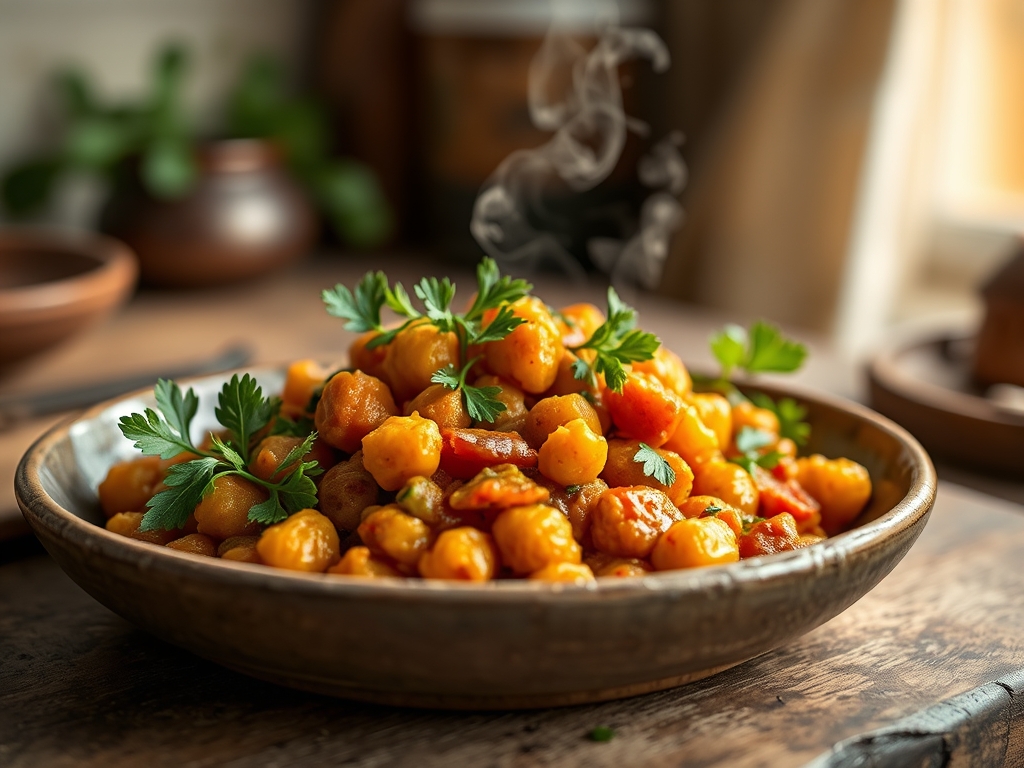
The kitchen is a laboratory of high stakes and higher heat where the humble legume undergoes a radical metamorphosis. We are not just making dinner; we are conducting a high-velocity extraction of flavor from the depths of your dry storage. The Pantry Chickpea Curry is the ultimate stress test for your culinary infrastructure. It demands a symphony of aromatics, a precise application of thermal energy, and the structural integrity of a well-hydrated garbanzo. When the oil hits the pan and the mustard seeds begin their frantic ballistic trajectory, you are witnessing the birth of a piquant masterpiece. We are looking for that specific moment of transition where the raw, metallic edge of the turmeric yields to a deep, earthy resonance. This is about more than sustenance. It is about the mastery of the pantry ecosystem. We will optimize every millisecond of the simmer to ensure the sauce achieves a viscous, tongue-coating perfection that defies its humble origins. Strap in, calibrate your sensors, and prepare for a total sensory overhaul.
THE DATA MATRIX
| Metric | Specification |
|---|---|
| Prep Time | 10 Minutes |
| Execution Time | 20 Minutes |
| Yield | 4 Standard Units |
| Complexity (1-10) | 3 (Low Barrier, High Ceiling) |
| Estimated Cost per Serving | $1.15 USD |
THE GATHERS
Ingredient Protocol:
- 2 cans (800g / 28oz) Chickpeas, drained and rinsed.
- 1 large (200g / 7oz) Yellow onion, finely diced.
- 3 cloves (15g / 0.5oz) Garlic, microplaned.
- 1 piece (25g / 0.9oz) Fresh ginger, grated.
- 1 can (400ml / 13.5oz) Full-fat coconut milk.
- 1 can (400g / 14oz) Crushed tomatoes.
- 2 tbsp (30ml / 1oz) Neutral high-smoke point oil.
- 1 tbsp (15g / 0.5oz) Garam masala.
- 1 tsp (5g / 0.17oz) Turmeric powder.
- 1 tsp (5g / 0.17oz) Cumin seeds.
- To taste: Sea salt and cracked black pepper.
Section A: Ingredient Quality Audit:
Sub-par raw materials are the primary cause of culinary failure. If your spices have been languishing in a cabinet since the previous administration, they have lost their volatile oils. Technical Fix: Toast stale ground spices in a dry saucier for 30 seconds before adding fats to "wake up" the remaining aromatic compounds. If your canned chickpeas are mushy, they will compromise the structural integrity of the dish. Technical Fix: Roast them at 200C (400F) for 10 minutes prior to incorporation to reinforce the exterior skin through dehydration. If the coconut milk has separated into a hard wax and a thin liquid, do not panic. Simply aerate the mixture with a high-speed whisk or immersion blender to restore the emulsion before deployment.
THE MASTERCLASS
Step-by-Step Execution:
1. Thermal Priming and Aromatic Activation
Place your heavy-bottomed saucier over medium-high heat. Add the neutral oil and wait for the shimmer. Drop in the cumin seeds. When they begin to dance and emit a nutty aroma, you have achieved successful infusion.
Pro Tip: Use an infrared thermometer to ensure the oil is between 175C and 190C. This temperature range triggers the rapid release of essential oils without scorching the delicate seed hulls.
2. The Allium Reduction
Introduce the diced onions to the fat. Use a bench scraper to ensure every fragment of onion enters the pan. Sauté until translucent, then push the heat until the edges begin to render and turn golden brown.
Pro Tip: The Maillard reaction is your best friend here. Adding a pinch of baking soda (0.5g) will accelerate the breakdown of pectin, allowing the onions to caramelize in half the time.
3. The Paste Synthesis
Add the garlic, ginger, and dry spices. Stir constantly for 60 seconds. The kitchen should now smell like a high-end spice market. If the mixture sticks, deglaze the pan with a single tablespoon of water to lift those flavorful browned bits.
Pro Tip: A digital scale is vital for spice ratios. Consistency in flavor profiles is the hallmark of a professional kitchen; do not "eye-ball" the turmeric unless you want a bitter, metallic finish.
4. Liquid Phase Integration
Pour in the crushed tomatoes and coconut milk. Stir until the color is a uniform, vibrant orange. Bring the mixture to a gentle boil, then reduce the heat to a simmer.
Pro Tip: Use a silicone spatula to scrape the "fond" from the bottom of the pan. This concentrated layer of protein and sugar provides the deep "umami" backbone of the Pantry Chickpea Curry.
5. Legume Saturation
Fold in the chickpeas. Let the mixture simmer for 10 to 12 minutes. This allows the legumes to undergo osmotic exchange, absorbing the spiced liquid while releasing starches that thicken the sauce.
Pro Tip: For a more viscous texture, use a potato masher to crush roughly 10 percent of the chickpeas directly in the pan. The released starches act as a natural thickening agent.
Section B: Prep & Timing Fault-Lines:
Timing errors usually occur during the aromatic phase. If you add garlic too early, it burns and turns acrid. If you add the coconut milk too late, the tomatoes will over-concentrate and become overly acidic. Use a digital timer to track your sauté phases. Furthermore, ensure your mise en place is complete before the heat is turned on. Trying to grate ginger while onions are burning is a recipe for a high-cortisol disaster.
THE VISUAL SPECTRUM
Section C: Thermal & Visual Troubleshooting:
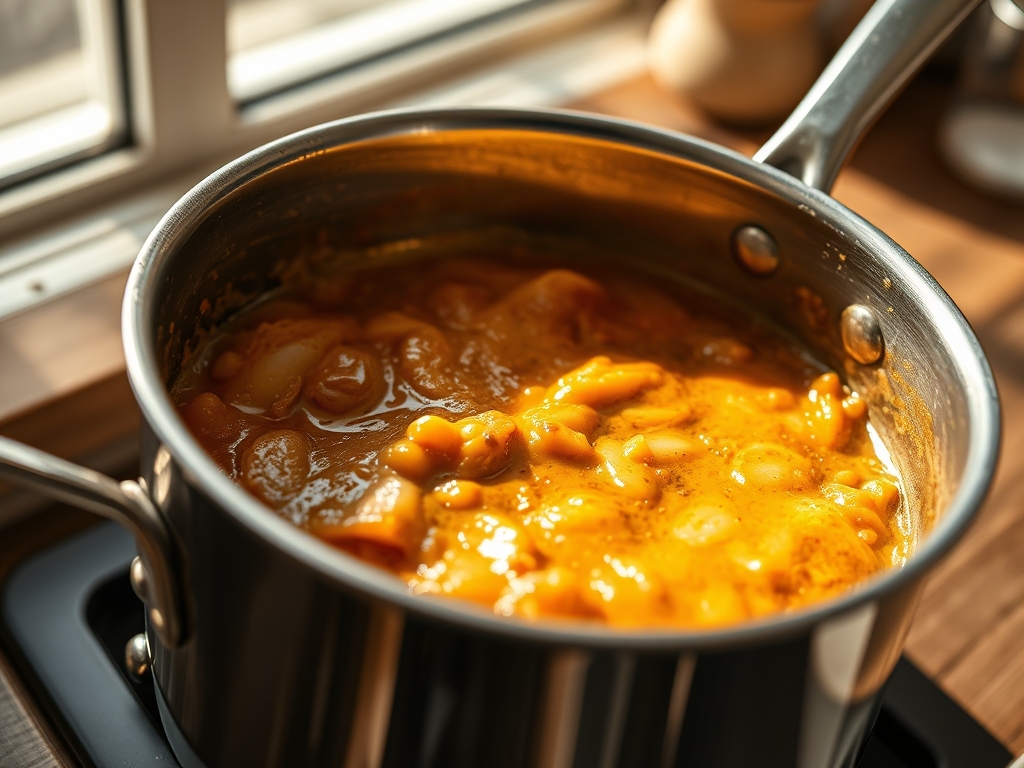
Analyze the Masterclass photo above. Notice the deep, ochre hue and the slight sheen on the surface of the sauce. If your curry looks dull or grey, you likely under-toasted your spices or used "light" coconut milk which lacks the fat necessary for a glossy finish. If the oil has separated and is floating on top, your simmer was too aggressive, breaking the emulsion. Technical Fix: Whisk in a tablespoon of cold Greek yogurt or heavy cream at the very end to re-bind the fats. If the chickpeas look shriveled, they were likely over-boiled; reduce your final simmer time by 3 minutes in the next iteration.
THE DEEP DIVE
Macro Nutrition Profile:
A standard serving provides approximately 380 calories. The breakdown is roughly 45g Carbohydrates, 18g Fats (primarily medium-chain triglycerides from the coconut milk), and 12g Protein. It is a fiber powerhouse, delivering 14g per serving, which ensures a slow glucose release and sustained satiety.
Dietary Swaps:
- Vegan: This recipe is naturally plant-based. Ensure your Garam Masala does not contain hidden ghee.
- Keto: Replace chickpeas with roasted cauliflower florets to slash the carb count while maintaining the flavor profile.
- GF: This dish is naturally gluten-free. Serve with cauliflower rice or GF flatbread.
Meal Prep & Reheating Science:
The Pantry Chickpea Curry is actually superior on day two. As the mixture cools, the flavors continue to marry through molecular diffusion. When reheating, avoid the microwave if possible. Use a small saucepan over low heat and add a splash of water (15ml) to loosen the starches. This prevents the sauce from becoming "pasty" and preserves the delicate emulsion of the coconut milk.
THE KITCHEN TABLE
Why is my curry bitter?
Bitterness usually stems from scorched spices or over-toasted garlic. Next time, add a splash of liquid sooner to lower the pan temperature. You can balance current bitterness with a teaspoon of sugar or a squeeze of lime juice.
Can I use dried chickpeas?
Yes, but they require a 12-hour soak and a 60-minute pre-boil. Canned chickpeas are the standard for "Rapid" audits due to their consistent hydration levels and immediate availability for high-speed culinary execution.
My sauce is too thin!
Continue to simmer uncovered to allow for evaporation. Alternatively, the "mash technique" mentioned in Step 5 will release starches that naturally thicken the liquid phase without the need for flour or cornstarch.
What is the best way to store leftovers?
Use airtight glass containers to prevent the turmeric from staining your plastic-ware. The curry will remain stable in the refrigerator for up to 5 days or can be frozen for up to 3 months without structural degradation.