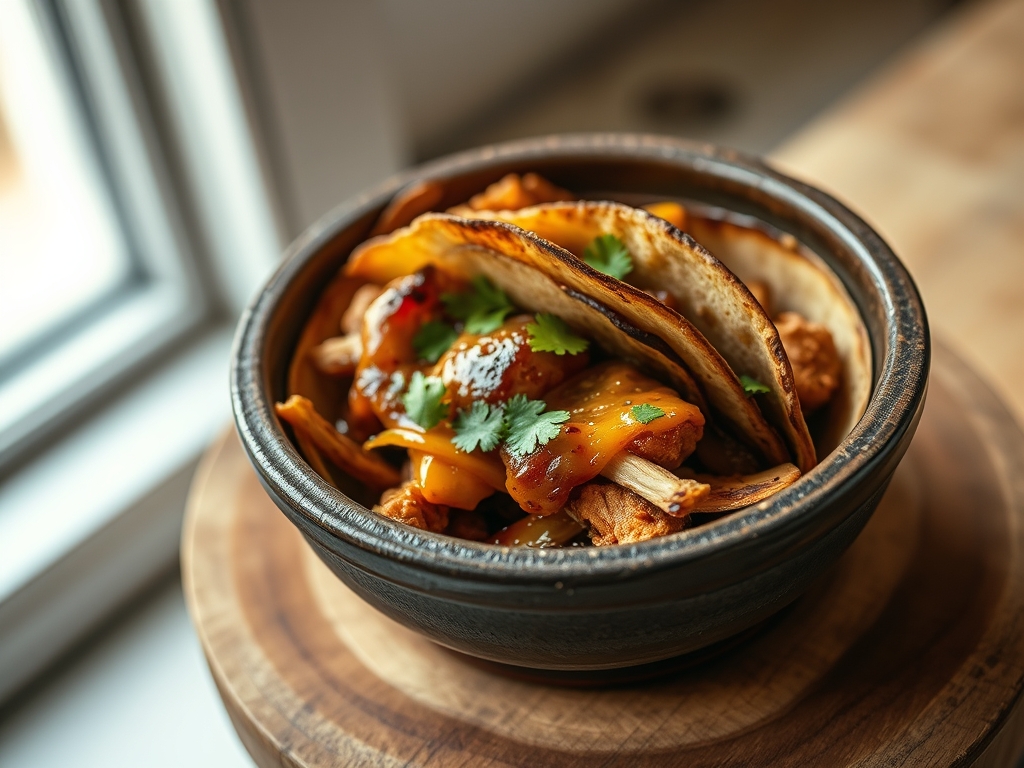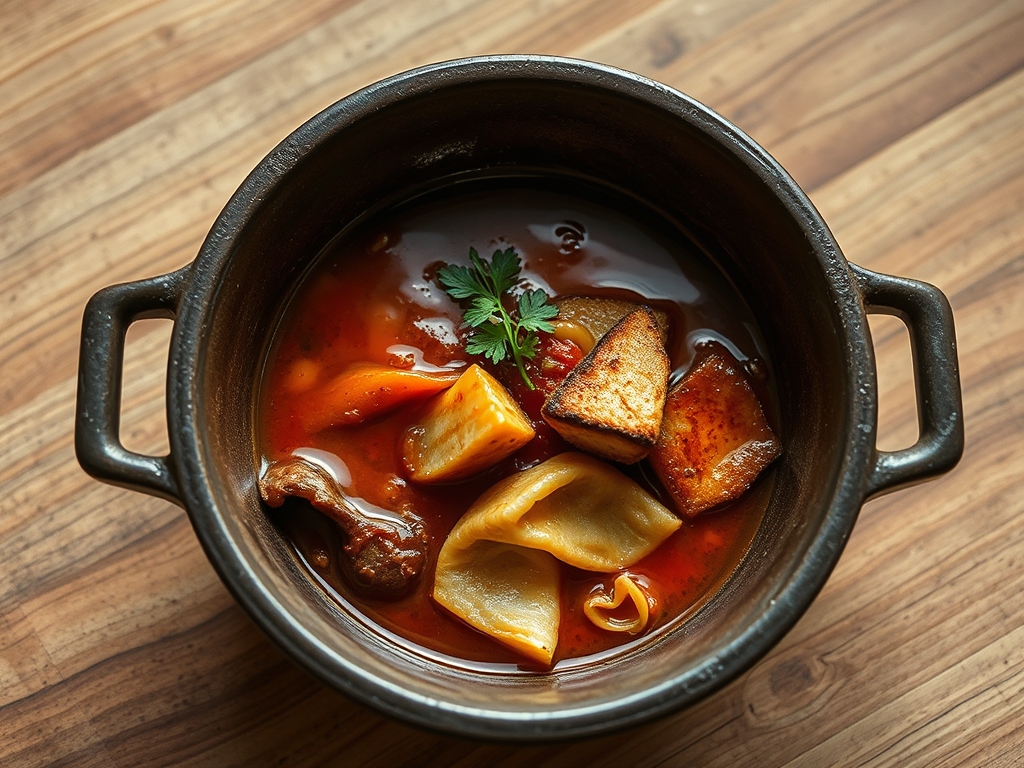
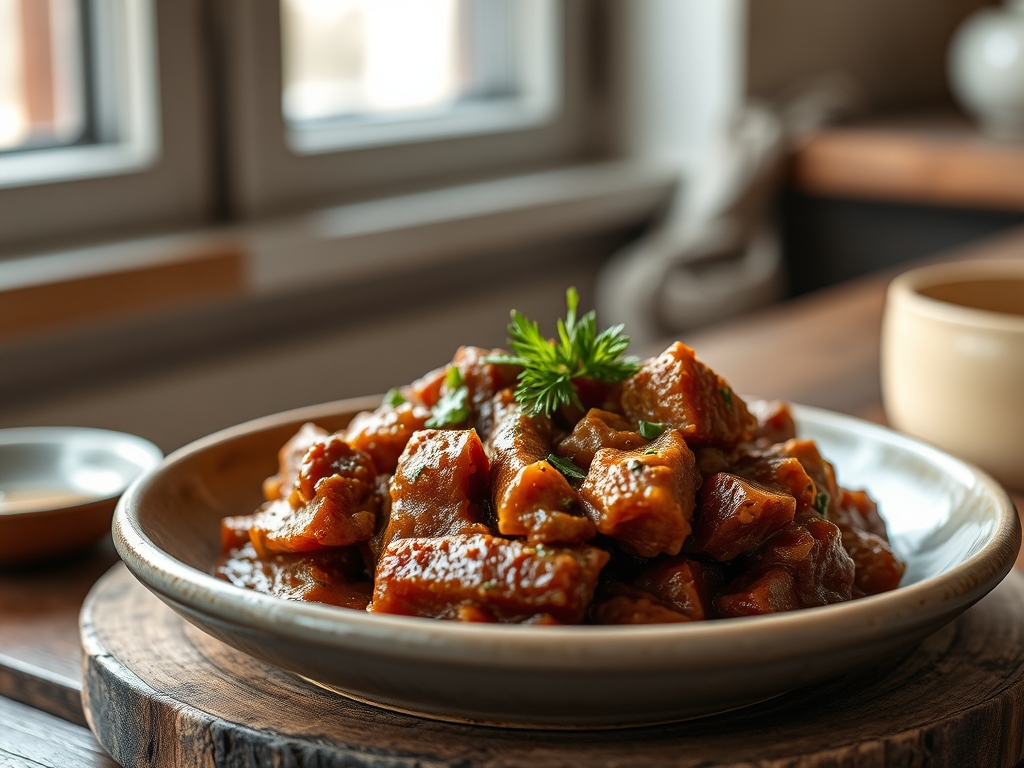
Listen up because your pantry is currently a graveyard of untapped potential. You are staring at a tin of mass-produced, shelf-stable protein suspended in a saline-heavy suspension, thinking it is the end of the road. It is not. We are here to perform a Canned Beef Stew Upgrade that transforms gelatinous mediocrity into a high-octane, restaurant-grade masterpiece. This is about structural reinforcement. We are going to deconstruct the existing viscosity, re-engineer the flavor profile through targeted aromatics, and introduce fresh textures that defy the limitations of the canning process. We are talking about deep, umami-rich depths and vegetables that actually retain their cellular integrity. This is not just a meal; it is a tactical overhaul of culinary infrastructure. We will utilize high-heat searing to trigger the Maillard reaction where the factory left off. We will introduce acids to brighten the dull, metallic undertones. By the time we are finished, that humble tin will be a distant memory, replaced by a robust, viscous symphony of beef and brine. Put on your apron; we have work to do.
THE DATA MATRIX
| Metric | Specification |
|---|---|
| Prep Time | 10 Minutes |
| Execution Time | 20 Minutes |
| Yield | 2 Standard Servings |
| Complexity | 3 / 10 |
| Estimated Cost per Serving | $4.50 USD |
THE GATHERS
Ingredient Protocol:
- 1 unit (560g / 20oz) High-quality Canned Beef Stew
- 15ml / 1 tbsp Extra Virgin Olive Oil
- 100g / 3.5oz Pearl Onions, peeled
- 120g / 4oz Cremini Mushrooms, quartered
- 30ml / 2 tbsp Worcestershire Sauce
- 5g / 1 tsp Smoked Paprika
- 2 cloves / 10g Fresh Garlic, minced
- 60ml / 0.25 cup Dry Red Wine (Cabernet or Merlot)
- 5g / 1 tbsp Fresh Parsley, finely chopped
- 2g / 0.5 tsp Black Pepper, freshly cracked
Section A: Ingredient Quality Audit:
The primary failure point in a Canned Beef Stew Upgrade is the inherent sodium ceiling. Most commercial stews are already saturated with salt. If your base material tastes like a salt lick, do not add more sea salt. Instead, use umami-boosters like mushrooms or tomato paste to provide depth without increasing the salinity. If the beef chunks feel "mushy," they have been over-processed in the retort pouch. You cannot fix the internal texture of the beef, but you can distract the palate by adding high-texture elements like flash-seared mushrooms or crisp-tender peas at the very end of the thermal cycle.
THE MASTERCLASS
1. The Aromatic Foundation
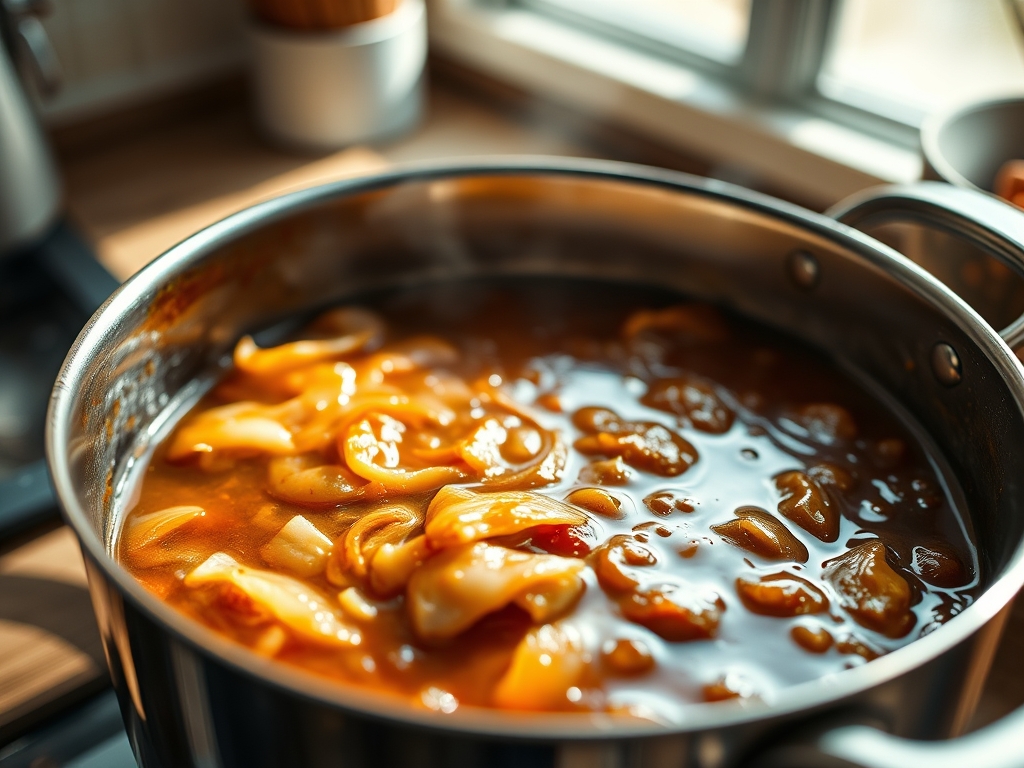
Place a heavy-bottomed saucier over medium-high heat. Add the olive oil and allow it to shimmer. Toss in the pearl onions and mushrooms. Do not crowd the pan. You want to achieve a hard sear to develop complex sugars.
Pro Tip: Use a digital scale to ensure your vegetable-to-stew ratio remains balanced. The science here is the Maillard reaction; by browning the mushrooms, you create new flavor compounds that the canning process lacks.
2. Deglazing the Infrastructure
Once the vegetables have developed a golden-brown crust, add the minced garlic and smoked paprika. Stir rapidly with a heat-resistant spatula for 30 seconds until fragrant. Pour in the red wine to deglaze the pan, scraping up the browned bits (fond) from the bottom.
Pro Tip: A bench scraper is excellent for cleaning your cutting board, but here, the wine acts as a solvent. The alcohol dissolves flavor compounds that are not water-soluble, effectively bridging the gap between the fresh aromatics and the canned base.
3. Integrating the Base
Lower the heat to medium. Pour the contents of the canned stew into the saucier. Add the Worcestershire sauce and cracked black pepper. Stir gently to combine, ensuring you do not break apart the fragile, pre-cooked beef chunks.
Pro Tip: Use a silicone spatula to fold the ingredients. This prevents the mechanical breakdown of the vegetables already present in the stew, maintaining what little structural integrity they have left.
4. The Viscosity Calibration
Simmer the mixture for 8 to 10 minutes. You are looking for the liquid to reduce slightly and become viscous enough to coat the back of a spoon. If the sauce remains too thin, a small cornstarch slurry can be whisked in, but the reduction method is superior for flavor concentration.
Pro Tip: Monitoring the temperature with an infrared thermometer ensures you stay below a rolling boil. A violent boil will toughen the beef proteins and cause the emulsion of fats in the gravy to break.
5. The Final Polish
Remove from heat. Stir in the fresh parsley. The residual heat will infuse the stew with the herb's volatile oils without cooking away their vibrant green color. Serve immediately in pre-heated ceramic bowls.
Pro Tip: Presentation matters. A final dusting of parsley provides a visual contrast to the deep browns of the stew, signaling freshness to the brain before the first bite is even taken.
Section B: Prep & Timing Fault-Lines:
Timing is the silent killer of the Canned Beef Stew Upgrade. If you add the garlic too early, it will burn and turn bitter, ruining the entire batch. If you simmer the stew for too long, the potatoes will disintegrate into the gravy, turning your masterpiece into a grainy porridge. Always prep your fresh additions (mise en place) before opening the tin. This ensures the fresh elements are cooked to perfection the moment the canned base hits the heat.
THE VISUAL SPECTRUM
Section C: Thermal & Visual Troubleshooting:
Look at the Masterclass photo above. Notice the glossy sheen on the gravy and the distinct edges of the mushrooms. If your stew looks dull or matte, it lacks fat or acidity. Add a teaspoon of butter or a splash of balsamic vinegar to restore the luster. If the color is a pale, sickly tan rather than a rich mahogany, your initial sear on the mushrooms was insufficient. Next time, let the pan get hotter before introducing the vegetables. If you see oil pooling on the surface, the emulsion has broken. Whisk in a tablespoon of warm water or stock to re-bind the fats to the liquid base.
THE DEEP DIVE
Macro Nutrition Profile
A standard upgraded serving provides approximately 350 calories, 18g of fat, 25g of carbohydrates, and 22g of protein. The addition of fresh mushrooms and onions increases the fiber content and adds essential B-vitamins and selenium to the otherwise nutrient-depleted canned base.
Dietary Swaps
- Vegan: Replace canned beef stew with a canned lentil or vegetable stew base. Use soy sauce instead of Worcestershire and swap butter for vegan alternatives.
- Keto: Ensure the canned base has no added sugars or thickeners. Replace potatoes with roasted cauliflower florets added at the end.
- GF: Most canned stews use flour as a thickener; verify the label. Use a cornstarch or arrowroot slurry for additional thickening needs.
Meal Prep & Reheating Science
When reheating, do not use a microwave if possible. The uneven distribution of electromagnetic waves can create "hot spots" that rubberize the beef. Instead, reheat in a small pot over low heat with a tablespoon of water to restore the viscous consistency. This protects the molecular structure of the starches and prevents the sauce from becoming "gloppy."
THE KITCHEN TABLE
How do I remove the metallic "can" taste?
The secret is acidity and aromatics. Deglazing with red wine or adding a squeeze of lemon juice at the end neutralizes the metallic ions. Fresh herbs and garlic provide a top-note that masks the shelf-stable base notes.
Can I add frozen vegetables to this?
Yes, but they must be managed. Add frozen peas or corn in the last two minutes of simmering. This preserves their snap and bright color, providing a much-needed textural contrast to the softer canned components.
What is the best canned stew to start with?
Look for brands that list "Beef" as the first ingredient and avoid those with high fructose corn syrup. A "chunky" variety usually offers better protein integrity for a Canned Beef Stew Upgrade.
Does the wine type matter?
Use a dry red wine that you would actually drink. Avoid "cooking wines" found in grocery aisles as they are loaded with unnecessary salt and lack the complex tannins needed to balance the richness of the beef.