Your kitchen is a high-stakes laboratory of lipid management where the difference between a culinary triumph and a gummy disaster rests on the edge of a whisk. Forget the takeout menu; we are conducting a full-scale technical audit of the most reliable asset in your dry-storage inventory. We are talking about Pantry Peanut Noodles. This is not just a meal; it is a structural masterpiece of shelf-stable engineering. Imagine the scent of toasted legumes colliding with the sharp, piquant sting of fermented chili oil. The texture must be viscous and clingy, coating every strand of starch in a shimmering, amber-hued emulsion that refuses to break. Most home cooks treat this dish like a secondary thought, but you are an infrastructure auditor. You understand that the synergy between a high-quality fat source and the correct hydration level is what transforms a humble noodle into a professional-grade delivery system for flavor. Prepare your station. We are about to render the mundane extraordinary through superior chemical execution and precise thermal control.
THE DATA MATRIX
| Metric | Specification |
|---|---|
| Prep Time | 10 Minutes |
| Execution Time | 8 Minutes |
| Yield | 4 Servings |
| Complexity (1-10) | 3 |
| Estimated Cost per Serving | $1.75 USD |
THE GATHERS
Ingredient Protocol:
- 225g / 8oz Dry Linguine or Rice Noodles
- 125ml / 0.5 cup Creamy Peanut Butter (No-stir preferred for stability)
- 60ml / 4 tbsp Low-Sodium Soy Sauce
- 30ml / 2 tbsp Rice Vinegar
- 15ml / 1 tbsp Toasted Sesame Oil
- 15g / 1 tbsp Chili Garlic Sauce or Sriracha
- 10g / 2 tsp Fresh Grated Ginger
- 5g / 1 tsp Granulated Garlic
- 60ml / 0.25 cup Reserved Noodle Water (The "Liquid Gold")
- Garnish: 30g / 2 tbsp Crushed Peanuts and sliced Scallions
Section A: Ingredient Quality Audit:
The primary failure point in Pantry Peanut Noodles is the lipid separation found in "natural" peanut butters. If your oil has migrated to the top of the jar, the resulting sauce will likely feel gritty rather than silky. To fix this, you must aerate the butter using a high-speed whisk or immersion blender before adding other liquids. If your soy sauce is too salty, it will overwhelm the delicate sugars in the legume base; mitigate this by adding a teaspoon of honey or brown sugar to balance the pH. Finally, ensure your ginger is not desiccated. If the root is dry, rehydrate the shavings in a small amount of warm water for three minutes before integrating them into the emulsion.
THE MASTERCLASS
1. Hydration Management
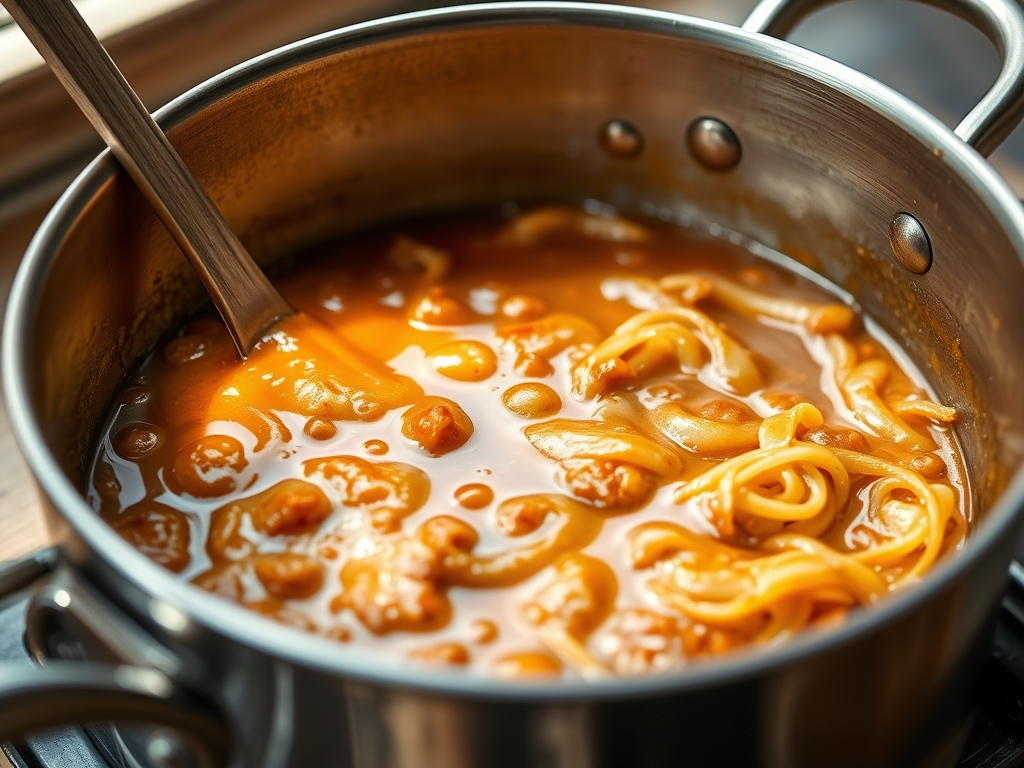
Boil a large pot of salted water. Add your noodles and cook until they are exactly one minute shy of the package directions. This is the al dente threshold where the starch is primed for final absorption.
Pro Tip: Use a digital scale to measure your dry pasta. Precision ensures the sauce-to-noodle ratio remains optimal. Over-boiling will cause the starch molecules to rupture, resulting in a gummy texture that rejects the sauce.
2. The Emulsion Matrix
While the noodles boil, combine peanut butter, soy sauce, vinegar, sesame oil, and aromatics in a stainless steel saucier. Use a balloon whisk to vigorously incorporate the ingredients until the mixture is thick and uniform.
Pro Tip: The science here involves emulsification. You are forcing water-based liquids (vinegar and soy) to bond with fats (peanut oil). A saucier is superior to a bowl because its rounded bottom prevents unmixed pockets of paste from hiding in the corners.
3. The Starch Tempering
Before draining the noodles, use a heat-proof measuring cup to harvest 125ml of the boiling pasta water. Slowly drizzle half of this liquid into your peanut base while whisking constantly. The sauce will initially look broken but will soon become viscous and glossy.
Pro Tip: This water contains loose amylose starch. This acts as a bridge between the fat and the noodle surface. Using plain tap water instead of pasta water is a common amateur error that leads to sauce sliding off the noodles.
4. The Final Integration
Drain the noodles and immediately transfer them into the saucier. Toss the noodles using silicone-tipped tongs to ensure every strand is encapsulated by the sauce. If the mixture is too thick, add the remaining pasta water 15ml at a time.
Pro Tip: Use a bench scraper to clean your prep surface while the noodles rest for sixty seconds. This brief rest allows the noodles to "drink" the sauce, creating a permanent bond that survives the journey from pan to plate.
Section B: Prep & Timing Fault-Lines:
The most frequent timing error is allowing the noodles to sit in the colander. As they cool, the surface starches become tacky and stick together, forming a brick. You must integrate the noodles while they are steaming. If you miss this window, a quick rinse with boiling water can reset the surface tension, but it will dilute your seasoning. Another fault-line is temperature; never boil the peanut sauce itself. Excessive heat will cause the peanut solids to render and clump, destroying the creamy mouthfeel.
THE VISUAL SPECTRUM
Section C: Thermal & Visual Troubleshooting:
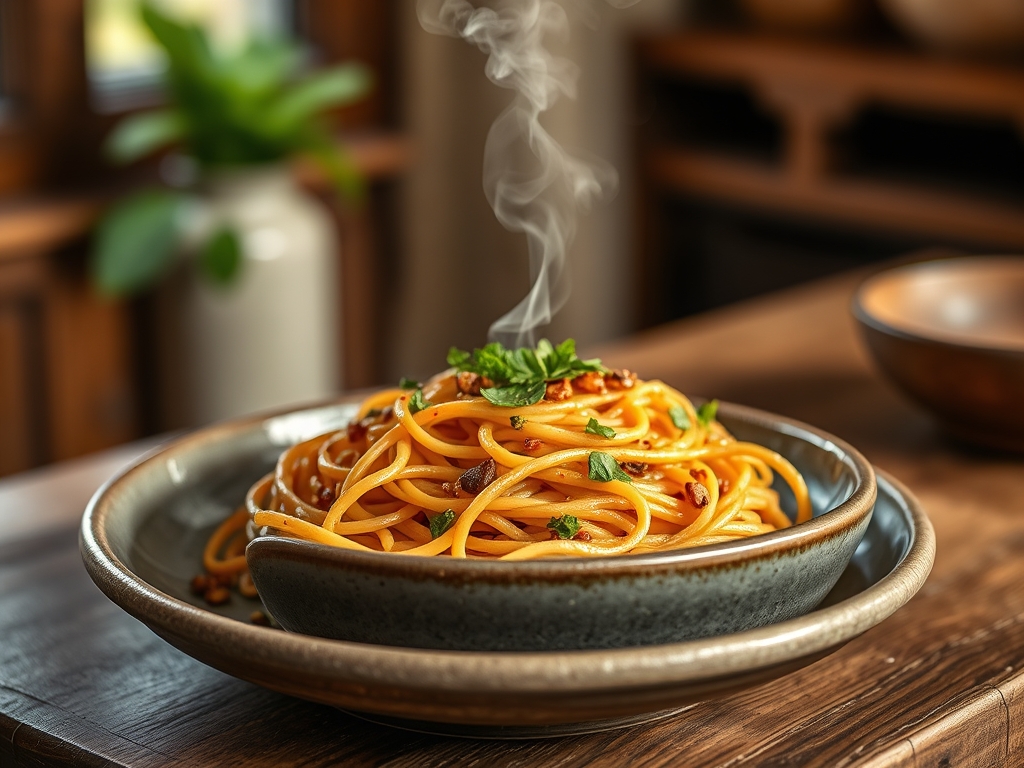
Look closely at the reference photo. The noodles should exhibit a high-gloss sheen, reflecting light without appearing greasy. If your dish looks dull or "matte," you have insufficient hydration; add a splash of warm water and a drop of sesame oil to restore the luster. If the color is too pale, your soy sauce concentration is low or your peanut butter has too many stabilizers. You want a deep "burnt sienna" hue. Uneven browning of the garnish is another visual cue. If your crushed peanuts look white, toast them in a dry skillet for 90 seconds until they reach a golden tan to enhance the Maillard reaction aromatics.
THE DEEP DIVE
Macro Nutrition Profile
A standard serving of these Pantry Peanut Noodles provides approximately 450 calories. It is a powerhouse of healthy monounsaturated fats and contains roughly 15 grams of protein. The carbohydrate load is significant, providing sustained glucose release for high-output activities.
Dietary Swaps (Vegan/Keto/GF)
- Vegan: This recipe is naturally vegan if using standard dry pasta.
- Keto: Replace noodles with shirataki or spiralized zucchini. Swap the peanut butter for almond butter to lower the net carb count.
- GF: Use certified gluten-free rice noodles and substitute soy sauce with tamari or coconut aminos to avoid wheat-based stabilizers.
Meal Prep & Reheating Science
To maintain molecular structure during reheating, add a teaspoon of water before microwaving. This creates a localized steam environment that thins the solidified fats. Avoid high heat; a medium power setting prevents the oils from separating and pooling at the bottom of the container.
THE KITCHEN TABLE
Why does my sauce get thick in the fridge?
Peanut fats solidify at low temperatures. The starch in the noodles also continues to absorb moisture. Always add a splash of hot water when reheating to re-emulsify the fats and restore the original viscous texture.
Can I use crunchy peanut butter?
Absolutely. While it changes the "audit" of the texture, it adds a structural contrast. Just ensure the "crunch" pieces are fully coated in the liquid base to prevent them from tasting dry or stale.
My sauce tastes too acidic. How do I fix it?
The rice vinegar provides the necessary "bright" note, but if it overpowers the palate, neutralize it with a pinch of salt or a small amount of honey. This balances the pH without thinning the sauce.
What is the best noodle for this?
Linguine is the "gold standard" for pantry builds because its flat surface area maximizes sauce adhesion. However, ramen or wide rice noodles work perfectly as long as they are not overcooked.