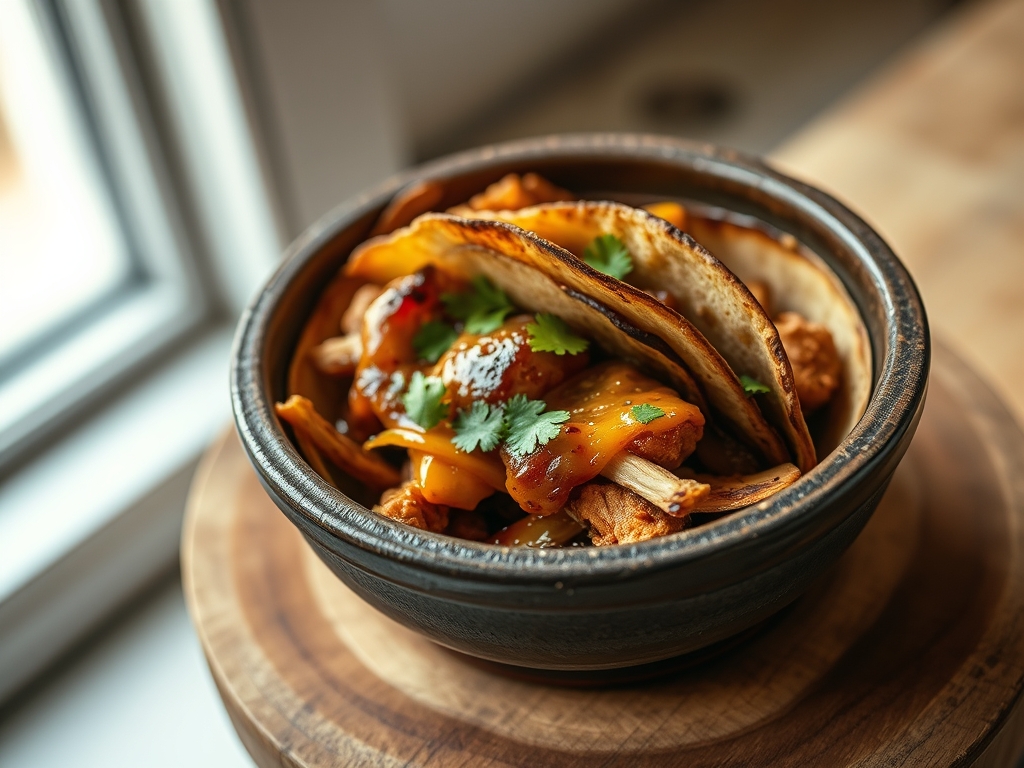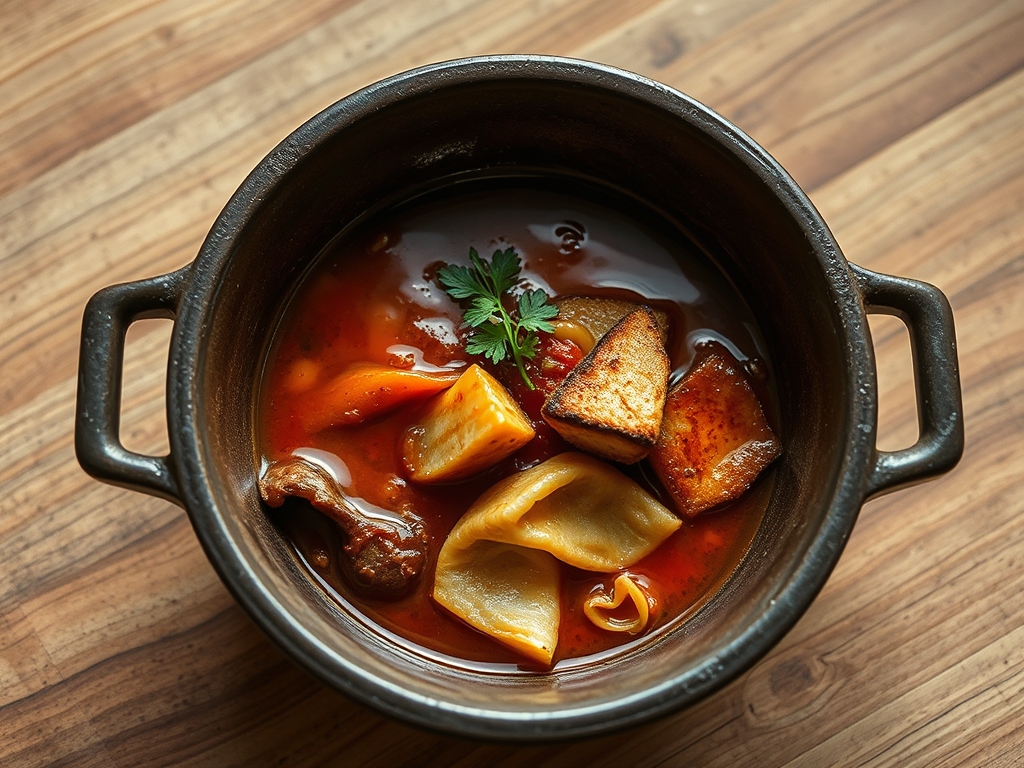
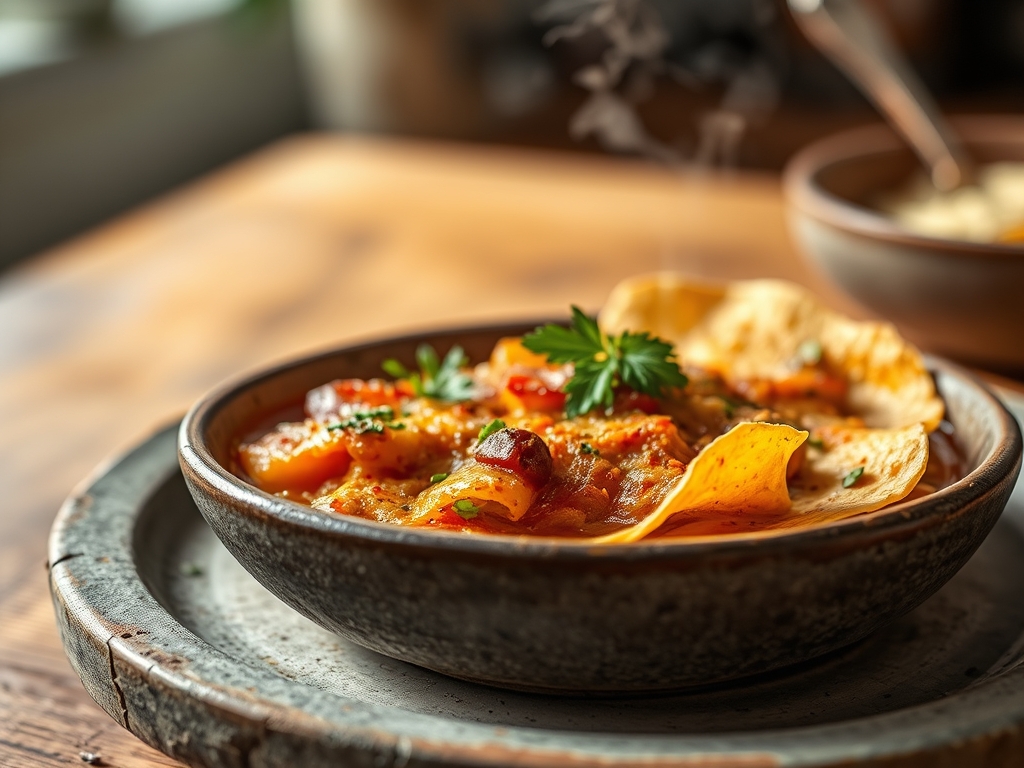
The kitchen is a battlefield of efficiency where the line between a mediocre broth and a high-velocity masterpiece is drawn in the sand of your pantry. We are not just boiling liquid; we are engineering a structural masterpiece of flavor known as Pantry Tortilla Soup. Imagine the scent of toasted cumin and smoked paprika hitting a hot surface. It is a piquant aromatic assault that signals the beginning of a rapid culinary deployment. This is the ultimate infrastructure project for the hungry professional. We are leveraging the shelf-stable assets of the modern larder to create a viscous, soul-warming elixir in under thirty minutes. The goal is a perfect balance of acidity, heat, and crunch. You are the lead architect of this liquid foundation. Every can of black beans and every jar of fire-roasted tomatoes is a modular component waiting for your command. Forget the slow-simmered myths of the past. We are utilizing high-heat chemistry and precision seasoning to bypass the clock. This is fast, it is loud, and it is scientifically superior.
THE DATA MATRIX
| Metric | Specification |
|---|---|
| Prep Time | 10 Minutes |
| Execution Time | 20 Minutes |
| Yield | 1.5 Liters (4 Servings) |
| Complexity (1-10) | 3 |
| Estimated Cost per Serving | $1.85 USD |
THE GATHERS
Ingredient Protocol:
- 30ml / 2 tbsp Neutral Oil (Avocado or Grapeseed)
- 1 Large Yellow Onion (approx. 250g), finely diced
- 3 Cloves Garlic (approx. 15g), minced
- 15g / 1 tbsp Tomato Paste
- 10g / 2 tsp Ground Cumin
- 5g / 1 tsp Smoked Paprika
- 800ml / 3.5 cups Chicken or Vegetable Stock
- 400g / 14oz Can Fire-Roasted Diced Tomatoes
- 400g / 14oz Can Black Beans, drained and rinsed
- 150g / 1 cup Frozen Sweet Corn
- 15ml / 1 tbsp Fresh Lime Juice
- 100g / 2 cups Corn Tortilla Chips (High-quality sea salt variety)
- Optional: 250g / 2 cups Shredded Rotisserie Chicken
Section A: Ingredient Quality Audit:
Sub-par raw materials are the silent killers of the Pantry Tortilla Soup ecosystem. If your spices have been sitting in the cabinet since the previous administration, they have lost their volatile oils. Technical Fix: Toast stale spices in a dry saucier for 60 seconds before adding oil to awaken any remaining aromatic compounds. If your canned beans have a metallic aftertaste, they were likely stored in low-grade tin. Technical Fix: Rinse the beans under cold filtered water for at least 45 seconds to remove the starchy, metallic brine. If your stock is lackluster and thin, it lacks the gelatinous body required for a premium mouthfeel. Technical Fix: Whisk in a teaspoon of cornstarch slurry or a tablespoon of butter at the end of the simmer to increase the viscosity and create a luxurious emulsion.
THE MASTERCLASS
Step 1: The Aromatic Foundation
Place your saucier on a digital scale to precisely measure 30ml of oil. Heat over medium-high until the oil reaches its shimmering point. Deploy the diced onions. Use a bench scraper to transfer every gram of onion from the cutting board to the pan. Sauté until translucent. Add the garlic and tomato paste during the final 60 seconds.
Pro Tip: This stage utilizes the Maillard reaction. By caramelizing the sugars in the onion and tomato paste, you create deep, savory "umami" notes that provide the base for the entire flavor profile.
Step 2: The Spice Infusion
Add the cumin and smoked paprika directly into the hot oil and onion mixture. Stir constantly for 45 seconds. This is the "blooming" phase. You are using the fat as a solvent to extract fat-soluble flavor compounds from the spices.
Pro Tip: Spices contain essential oils that are only fully released when exposed to heat and lipids. If you add spices directly to the broth, they will remain hydrophobic and clump, resulting in a flat flavor profile.
Step 3: Deglaze and Integrate
Pour in 100ml of the stock to deglaze the bottom of the pan. Use a wooden spoon to scrape up the "fond" (the browned bits). Once the pan is clean, add the remaining stock, fire-roasted tomatoes, black beans, and corn. Increase the heat to bring the system to a rapid boil, then immediately reduce to a simmer.
Pro Tip: Deglazing is a critical engineering step. The fond contains concentrated flavor molecules that must be reintegrated into the liquid phase to ensure a complex, multi-dimensional broth.
Step 4: Structural Finishing
Simmer for 10 minutes to allow the flavors to infuse and the liquid to slightly reduce. If using chicken, add it now to heat through. Stir in the fresh lime juice just before serving to provide a bright, acidic counterpoint to the earthy spices. Season with salt and pepper based on a final taste audit.
Pro Tip: Acid is a flavor enhancer. The citric acid in the lime juice acts as a chemical "brightener" that lifts the heavy, earthy notes of the cumin and beans, making the overall profile more vibrant on the palate.
Section B: Prep & Timing Fault-Lines:
The most common human error in this protocol is the "Thermal Crash." This occurs when you add cold ingredients (like frozen corn or refrigerated chicken) too quickly, dropping the temperature of the soup and stalling the infusion process. Correction: Temper your cold ingredients by letting them sit at room temperature for 10 minutes, or add them in small batches to maintain a steady simmer. Another fault-line is "Over-Reduction." If you leave the soup on high heat for too long, the water evaporates, leaving behind an overly salty, sludge-like consistency. Correction: Keep a reserve of 100ml of hot water or stock nearby to adjust the viscosity if the volume drops below your target yield.
THE VISUAL SPECTRUM
Section C: Thermal & Visual Troubleshooting:
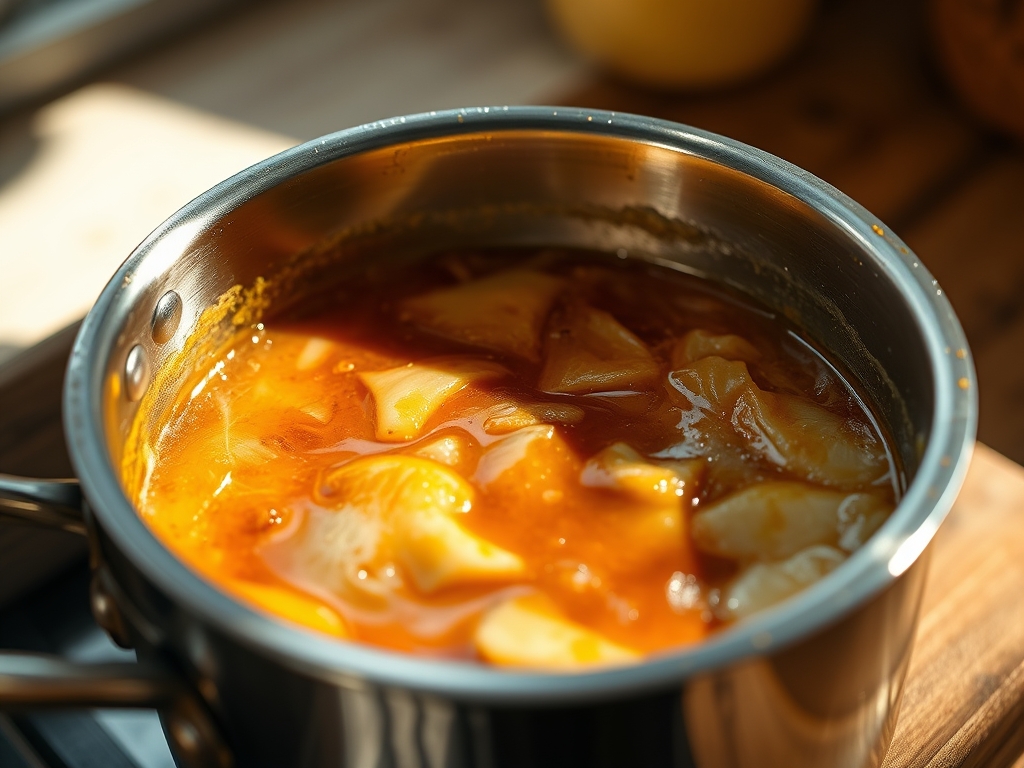
Look at the Masterclass photo above. Notice the vibrant, deep red hue of the broth and the distinct separation of ingredients. If your soup looks dull or brown, you likely scorched the spices or used low-quality tomato paste. Solution: Add a pinch of sugar to balance the bitterness and a splash of tomato juice to restore the red spectrum. If your soup looks "muddy," you likely over-stirred the beans, causing them to break down and release excess starch. Solution: In future iterations, use a gentle folding motion rather than vigorous stirring. The photo shows a "glossy" surface; this is the result of proper fat emulsification. If your soup looks oily, you didn't reach a high enough simmer to integrate the fats. Use an immersion blender for 5 seconds to pulse-emulsify the liquid without destroying the texture of the beans.
THE DEEP DIVE
Macro Nutrition Profile:
A standard serving of this Pantry Tortilla Soup contains approximately 320 calories, 12g of fat, 38g of carbohydrates, and 18g of protein (if chicken is included). It is a fiber powerhouse, delivering nearly 10g of dietary fiber per bowl, which aids in sustained energy release.
Dietary Swaps:
- Vegan: Utilize vegetable stock and omit the chicken. Top with avocado for healthy fats.
- Keto: Omit the corn, beans, and tortilla chips. Replace with extra chicken, bell peppers, and top with heavy cream and cheese.
- GF: Ensure your tortilla chips and stock are certified gluten-free.
Meal Prep & Reheating Science:
This soup is a molecularly stable candidate for meal prep. As it sits in the refrigerator, the aromatics continue to infuse the liquid, often resulting in a superior flavor on day two. When reheating, avoid the microwave if possible. Use a small saucepan over medium heat. Microwaves create "hot spots" that can cause the beans to explode and the delicate lime aromatics to dissipate. Reheating on a stovetop allows you to gently aerate the liquid and maintain the structural integrity of the solids.
THE KITCHEN TABLE
Can I use flour tortillas instead of chips?
Negative. Flour tortillas will turn into a gummy, glutenous paste when submerged. Stick to corn-based assets for the necessary structural integrity and toasted flavor profile required for this specific infrastructure.
Why is my soup too spicy?
You likely over-extracted the capsaicin from the smoked paprika. To neutralize, add a dollop of sour cream or Greek yogurt. The fats and proteins in dairy bind to capsaicin molecules, effectively washing them off your heat receptors.
How do I make it creamier?
To increase the lipid density, blend 1/4 cup of the beans with a small amount of broth and stir it back into the main vessel. This creates a natural thickener without the need for heavy creams or flours.
My chips got soggy immediately. Help?
Tortilla chips should be deployed as a "Garnish-on-Demand." Never stir them into the pot. Place them at the bottom of the bowl and pour the hot soup over them immediately before consumption to maintain the crunch-to-liquid ratio.