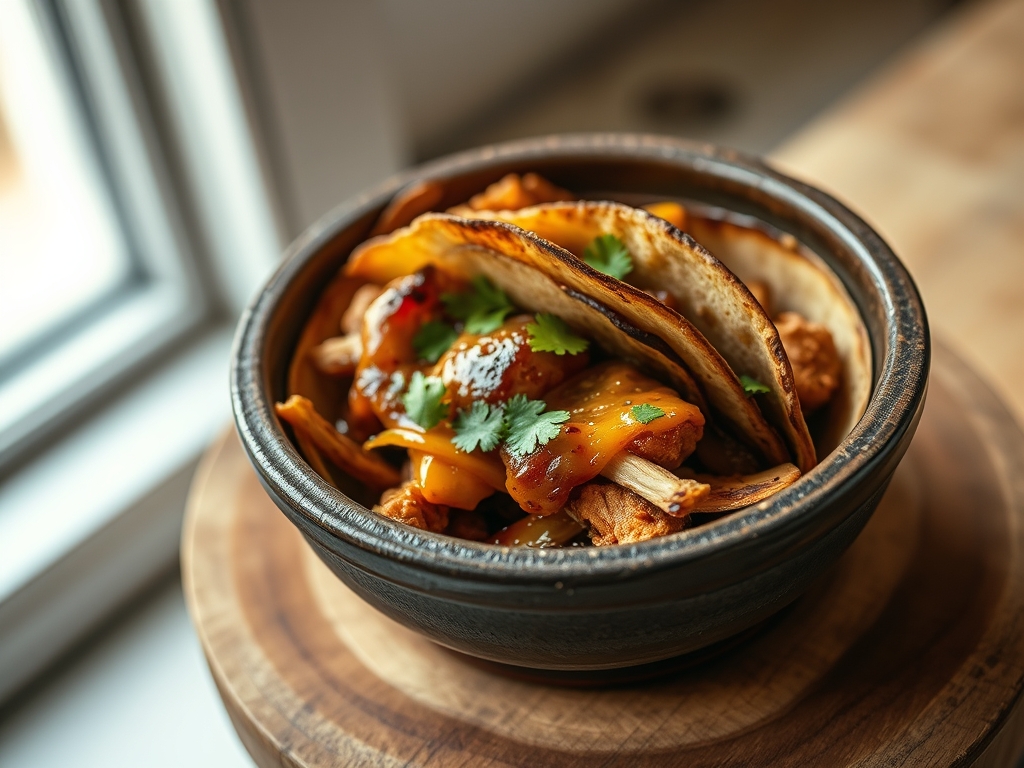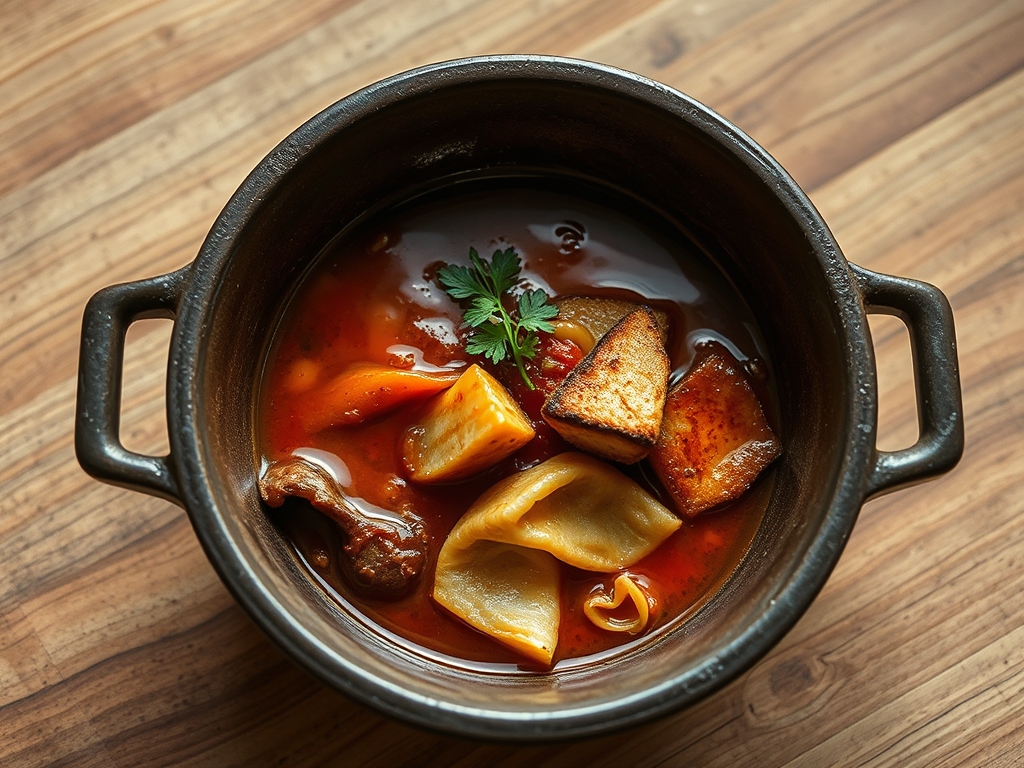
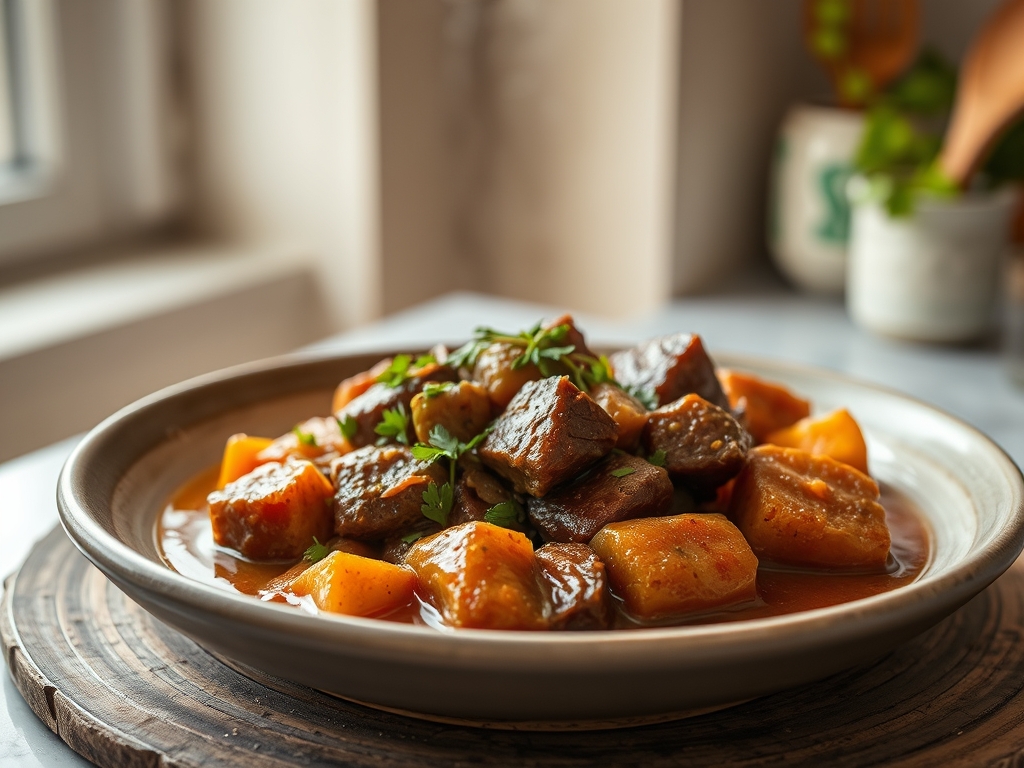
Listen to the rhythmic thrum of a high-pressure valve. It is the sound of time being compressed, a temporal heist where hours of traditional braising are stolen back from the gods of slow cooking. We are not just making dinner; we are performing a high-stakes structural audit on bovine connective tissue. The objective is clear: transform a humble, collagen-heavy chuck roast into a succulent masterpiece of Instant Pot Beef Stew in under an hour. This is where the Maillard reaction meets mechanical efficiency. As the pressure mounts, the water's boiling point climbs, forcing heat into the core of every protein cube with relentless precision. You can almost smell the molecular breakdown as long-chain proteins surrender to the steam. We are looking for that specific, viscous mouthfeel that only rendered gelatin can provide. This is a culinary infrastructure project where the blueprints are written in aromatics and the foundation is laid in a heavy-bottomed stainless steel insert. Prepare your station; we are about to optimize flavor at the speed of sound.
THE DATA MATRIX
| Metric | Specification |
|---|---|
| Prep Time | 15 Minutes |
| Execution Time | 45 Minutes |
| Yield | 6 Servings |
| Complexity (1-10) | 4 |
| Estimated Cost per Serving | $4.25 USD |
THE GATHERS
Ingredient Protocol:
- 900g / 2 lbs Beef Chuck Roast, cubed into 1.5-inch pieces
- 30ml / 2 tbsp Neutral Oil (Avocado or Grapeseed)
- 1 large Yellow Onion, diced
- 340g / 3 cups Carrots, peeled and sliced into thick rounds
- 450g / 1 lb Yukon Gold Potatoes, cubed
- 3 cloves Garlic, minced
- 500ml / 2 cups Beef Bone Broth (low sodium)
- 30ml / 2 tbsp Tomato Paste
- 15ml / 1 tbsp Worcestershire Sauce
- 2g / 1 tsp Dried Thyme
- 1 large Bay Leaf
- 15g / 2 tbsp Cornstarch (slurry component)
- 30ml / 2 tbsp Cold Water (slurry component)
- Salt and Black Pepper to taste
Section A: Ingredient Quality Audit:
Sub-par raw materials are the primary cause of structural failure in an Instant Pot Beef Stew. If your beef is too lean, such as a round roast, the result will be fibrous and dry rather than melt-in-your-mouth. Fix: Always audit your fat-to-lean ratio; look for heavy intramuscular marbling. If your vegetables are turning to mush, you have likely cut them too small. Fix: Increase the surface area of your root vegetables to at least one inch to withstand the high-pressure environment. Finally, if your broth tastes metallic, your tomato paste may have scorched. Fix: Always deglaze the bottom of the pot with a splash of liquid before the pressure cycle begins to ensure no solids are fused to the heating element.
THE MASTERCLASS
1. The Sear Protocol
Pat the beef dry with paper towels to remove surface moisture. Season aggressively. Set your pressure cooker to the "Sauté" function and wait for the display to read "Hot." Add the oil and sear the beef in batches to avoid overcrowding. Use a digital scale to ensure even portions.
Pro Tip: Moisture is the enemy of the Maillard reaction. By drying the meat, you ensure the energy goes into browning rather than evaporating surface water. This creates the complex flavor compounds essential for a deep, savory profile.
2. The Aromatic Infusion
Remove the beef and set aside. Add the onions and carrots to the rendered fat. Sauté until the onions are translucent. Add the garlic and tomato paste, stirring constantly for 60 seconds to infuse the oil with lycopene and sulfurous compounds.
Pro Tip: Use a bench scraper to quickly transfer chopped aromatics from your cutting board to the pot. This minimizes oxidation and keeps your workspace organized for maximum efficiency.
3. Deglazing the Infrastructure
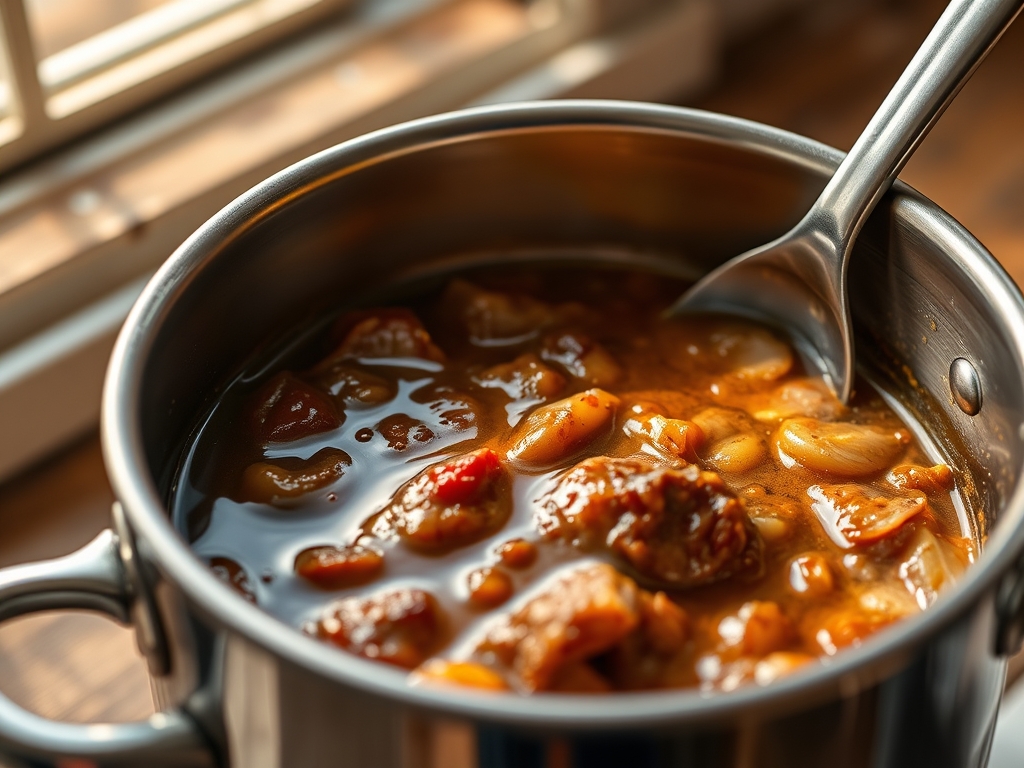
Pour in a small amount of the beef broth. Use a wooden spoon or a saucier whisk to scrape every charred bit (the fond) from the bottom of the pot. This is non-negotiable; failure to deglaze will trigger the "Burn" sensor and halt your operation.
Pro Tip: The fond contains concentrated flavor molecules. Deglazing incorporates these back into the liquid, creating a viscous and rich base that defines a professional-grade stew.
4. The Pressure Phase
Return the beef to the pot along with the potatoes, remaining broth, Worcestershire sauce, thyme, and bay leaf. Secure the lid and set the valve to "Sealing." Program the unit for 35 minutes at High Pressure.
Pro Tip: While the machine builds pressure, use this time to calibrate your serving bowls. A warm bowl prevents the stew from losing thermal energy the moment it is plated.
5. The Slurry Modification
Once the timer expires, allow a natural pressure release for 10 minutes, then vent the remaining steam. Whisk the cornstarch and cold water in a small ramekin. Set the pot back to "Sauté" and stir in the slurry until the sauce thickens to a glossy finish.
Pro Tip: A cornstarch slurry must be hydrated in cold water first. Adding dry starch directly to hot liquid causes "fish eyes," which are unappealing clumps of dry flour encapsulated in cooked starch.
Section B: Prep & Timing Fault-Lines:
The most common human error in this protocol is the "Quick Release" trap. Venting steam immediately after the timer ends causes the liquid inside the beef cells to boil violently, tearing the fibers and leaving the meat tough. Fix: Always allow at least 10 minutes of natural release to let the internal pressure stabilize. Another fault-line is the "Potato Collapse." If using Russets instead of Yukon Golds, they will disintegrate. Fix: Stick to waxy or all-purpose potatoes to maintain structural integrity.
THE VISUAL SPECTRUM
Section C: Thermal & Visual Troubleshooting:
Referencing the Masterclass photo, your stew should exhibit a deep mahogany hue with a glossy, light-reflecting sheen. If your stew looks grey or dull, you likely skipped the sear or failed to render the fat properly. Fix: Add a teaspoon of browning sauce or a splash of soy sauce to deepen the color. If the vegetables look pale, ensure they were tossed in the tomato paste during the sauté phase. The broth should be thick enough to coat the back of a spoon; if it is watery, your slurry was insufficient. Fix: Simmer for an additional three minutes on the "Sauté" setting to aerate and reduce the liquid further.
THE DEEP DIVE
Macro Nutrition Profile
A standard serving of this infrastructure provides approximately 350 calories, 28g of protein, 18g of carbohydrates, and 14g of fat. It is a high-density fuel source designed for maximum satiety. The collagen breakdown provides significant amounts of glycine and proline, essential for connective tissue repair in the human body.
Dietary Swaps
- Vegan: Replace beef with hearty mushrooms (Portobello or King Oyster) and use vegetable stock with a dash of liquid smoke for depth.
- Keto: Omit the potatoes and cornstarch. Substitute with cauliflower florets (added at the end) and thicken with a pinch of xanthan gum.
- GF: Ensure your Worcestershire sauce is certified gluten-free and use arrowroot powder as a thickening agent.
Meal Prep & Reheating Science
To maintain molecular structure during storage, cool the stew rapidly in a shallow container. When reheating, avoid the microwave if possible; the uneven electromagnetic waves can rubberize the beef. Instead, reheat on a stovetop over low heat. If the sauce has become too thick (a sign of successful gelatin development), add a tablespoon of water to loosen the emulsion.
THE KITCHEN TABLE
Why is my beef still tough after 35 minutes?
You likely used a cut with insufficient connective tissue or cut the pieces too large. Increase the time by 5 minutes or ensure you are using a well-marbled chuck roast for optimal collagen breakdown.
Can I use frozen beef for this stew?
Yes, but you will sacrifice the Maillard reaction as you cannot sear frozen meat effectively. Increase the pressure cook time to 45 minutes to ensure the core temperature reaches the safety threshold.
My stew is too salty; how do I fix the data?
Add a peeled, halved potato and simmer for 10 minutes. The starch will absorb some of the excess sodium. Alternatively, a splash of apple cider vinegar can balance the salt through acidity.
What is the best way to store leftovers?
Store in airtight glass containers for up to four days. The flavors actually improve over 24 hours as the aromatics continue to infuse the liquid and the gelatin sets into a rich, savory matrix.