Listen to that high-pitched hiss. That is the sound of a pressurized micro-climate working overtime to reorganize the molecular structure of a humble starch. We are moving beyond the era of the gummy, forgotten stovetop pot; we are entering the realm of the Instant Pot Rice Audit. This is a forensic examination of heat, moisture, and atmospheric pressure. When you seal that lid, you are not just making dinner; you are initiating a controlled hydrothermal gelatinization event. The goal is a grain that stands independent, boasting a distinct bite while remaining supple enough to yield to a fork. We are hunting for that perfect equilibrium where the amylose and amylopectin ratios are stabilized, preventing the dreaded "clump factor." Whether you are fueling a high-performance lifestyle or simply seeking the architectural integrity of a world-class side dish, the data does not lie. Precision is our only currency. Let us strip away the culinary myths and look at the raw mechanics of the grain.
THE DATA MATRIX
| Metric | Specification |
|---|---|
| Prep Time | 5 Minutes |
| Execution Time | 12 Minutes (Active Pressure) |
| Yield | 750g / 3 Cups Cooked |
| Complexity (1-10) | 2 |
| Estimated Cost per Serving | $0.18 USD |
THE GATHERS
Ingredient Protocol:
- 370g / 2 cups Long-grain White Rice (Basmati or Jasmine preferred)
- 475ml / 2 cups Filtered Water (or Bone Broth for nutrient density)
- 15g / 1 tbsp Grass-fed Butter or Neutral Oil
- 6g / 1 tsp Diamond Crystal Kosher Salt
Section A: Ingredient Quality Audit:
Sub-par raw materials are the primary cause of structural failure. If your rice smells dusty or looks opaque and chalky before washing, you are dealing with aged, oxidized grains that will shatter under pressure. To fix this, you must aerate the grains during the washing process. If your water has a high mineral content (hard water), it can interfere with the softening of the grain husk; use filtered water to ensure the viscous starch transition happens uniformly. If using broth, ensure it is low-sodium to prevent the salt from toughening the outer starch layer prematurely.
THE MASTERCLASS
1. The Frictionless Rinse
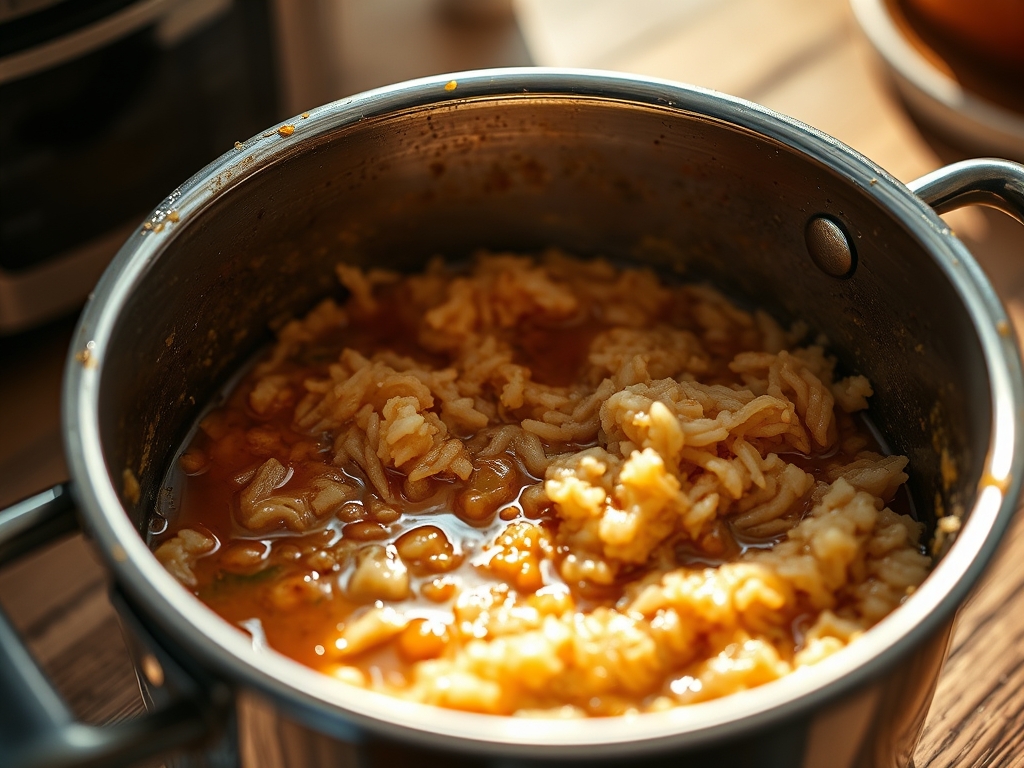
Place your raw grains in a fine-mesh sieve. Use cold, running water to agitate the rice, stripping away excess surface starch that causes stickiness. Continue until the runoff is crystal clear.
Pro Tip: Use a digital scale for this step rather than volume cups. Accuracy in the dry-weight-to-liquid ratio is the difference between a fluffy masterpiece and a sodden mess. Removing surface starch allows the pressure to penetrate the core of the grain rather than creating a gluey exterior.
2. The Fat Infusion
Add the rinsed rice to the inner pot. Add your fat source (butter or oil) and salt. Stir to ensure every single grain is lightly coated.
Pro Tip: This is a micro-emulsification technique. By coating the grain in fat, you create a hydrophobic barrier that regulates water absorption. Professional chefs often use a saucier for similar stovetop tasks to ensure even heat distribution, but here, the Instant Pot liner acts as your primary vessel.
3. The Atmospheric Seal
Pour in your measured liquid. Secure the lid and set the steam release valve to the "Sealing" position. Program the unit for 3 minutes at High Pressure.
Pro Tip: The science here relies on the Le Chatelier principle. By increasing the pressure, we raise the boiling point of water, forcing moisture into the center of the grain faster than standard atmospheric boiling could ever achieve.
4. The Controlled Decompression
Once the timer expires, allow for a 10-minute Natural Pressure Release (NPR). Do not touch the valve. After 10 minutes, vent any remaining steam.
Pro Tip: This "rest" period is critical for moisture redistribution. If you vent immediately, the sudden drop in pressure causes the internal moisture to flash-evaporate, leaving the rice brittle. Use a bench scraper or a wide rice paddle to gently "fold" the rice afterward, which incorporates air without breaking the grains.
Section B: Prep & Timing Fault-Lines:
The most common human error is the "Quick Release" reflex. If you vent the steam too early, you interrupt the final hydration phase. If your rice comes out crunchy, your seal may be compromised; check the silicone ring for debris. If the rice is scorched, you likely failed to scrape the bottom of the pot after adding the liquid, leaving starch trapped against the heating element.
THE VISUAL SPECTRUM
Section C: Thermal & Visual Troubleshooting:
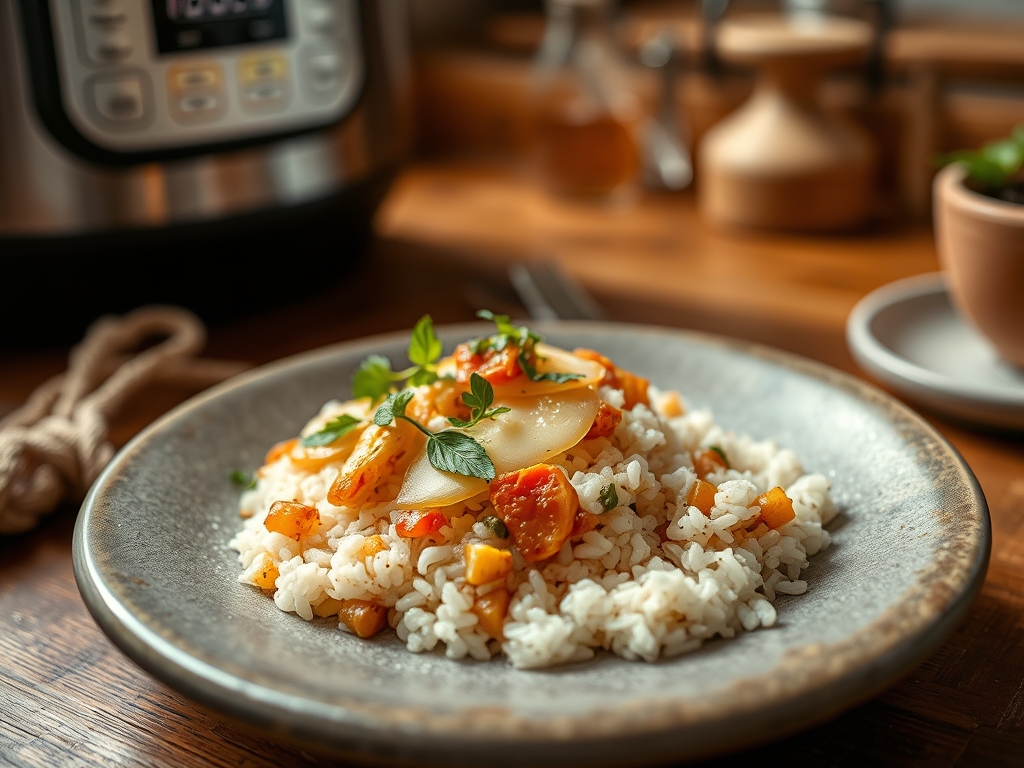
Analyze the Masterclass photo above. Notice the individual definition of each grain; they are not fused. If your rice looks "dull" or grey, you likely skipped the rinse phase, leaving oxidized dust to coat the finished product. If the color is uneven, it indicates a "hot spot" in your pressure cooker or insufficient stirring before sealing. For a piquant visual pop, ensure your salt is fully dissolved in the liquid before the pressure cycle begins to avoid localized white spotting. If you see "pitting" or small craters on the surface, your water-to-rice ratio was slightly too high, causing excessive bubbling during the ramp-up phase.
THE DEEP DIVE
Macro Nutrition Profile:
A standard 150g serving of this audited rice provides approximately 205 calories, 4g of protein, 45g of carbohydrates, and 2g of fat (if using butter). It is a clean, high-glycemic fuel source ideal for post-workout recovery.
Dietary Swaps:
- Vegan: Swap butter for avocado oil or coconut oil to maintain the lipid barrier.
- Keto: This audit is specific to starch; for keto, substitute with riced cauliflower, but reduce the pressure time to 0 minutes (just the ramp-up) to avoid total disintegration.
- GF: Naturally gluten-free, but ensure your broth is certified to avoid hidden thickeners.
Meal Prep & Reheating Science:
To maintain molecular structure during storage, spread the rice on a sheet tray to cool rapidly before refrigerating. This prevents "carry-over cooking." When reheating, add a teaspoon of water and cover tightly to create a mini-steam chamber; this re-hydrates the retrograded starches, returning the grain to its original suppleness.
THE KITCHEN TABLE
Why is my rice always sticking to the bottom?
This usually indicates a "Burn" error trigger. Ensure you have properly deglazed the bottom of the pot after any sautéing. Even a tiny fragment of stuck starch will attract more heat and cause a localized scorch.
Can I double the recipe easily?
Yes. The beauty of pressure cooking is that the time remains the same even if you double the volume. However, the "Time to Pressure" will increase because there is more mass to heat. Always maintain the 1:1.2 ratio.
Is rinsing really that important?
Absolutely. Rinsing removes the excess "starch flour" created during shipping. Without rinsing, that flour turns into a thick paste under pressure, which glues your grains together into a monolithic block rather than fluffy, individual pieces.
What if I want to infuse more flavor?
You can render a small amount of aromatics like garlic or ginger in the pot using the "Sauté" function before adding the rice. Just ensure you deglaze with a splash of liquid before starting the pressure cycle.