The kitchen is no longer a theater of slow-burn patience; it is a high-velocity lab where efficiency meets luxury. Imagine the scent of omega-3 rich lipids hitting a 400 degree thermal wall. Within seconds, the air is thick with the aroma of caramelizing proteins and toasted spices. This is the industrial-grade magic of the Air Fryer Salmon Fillet. We are bypassing the sluggish preheat of a conventional oven and the splatter-prone chaos of a cast-iron skillet. Instead, we are harnessing concentrated convection currents to render subcutaneous fat while locking in a viscous, buttery interior. This is not just a meal; it is a precision-engineered delivery system for high-quality protein and essential fatty acids. The skin achieves a glass-like shatter while the flesh remains translucent and tender. If you have ten minutes and a hunger for professional-grade results, you are in the right place. We are about to optimize your dinner protocol with the speed of a startup and the soul of a Michelin-starred saucier.
THE DATA MATRIX
| Metric | Specification |
|---|---|
| Prep Time | 2 Minutes |
| Execution Time | 8 Minutes |
| Yield | 2 Servings |
| Complexity | 2/10 |
| Estimated Cost per Serving | $7.50 USD |
THE GATHERS
Ingredient Protocol:
- 2 Center-cut Salmon Fillets (340g / 12 oz)
- Extra Virgin Olive Oil (15ml / 1 tbsp)
- Smoked Paprika (2.5g / 0.5 tsp)
- Garlic Powder (2.5g / 0.5 tsp)
- Coarse Sea Salt (3g / 0.5 tsp)
- Fresh Cracked Black Pepper (1.5g / 0.25 tsp)
- Lemon Wedges (2 units)
Section A: Ingredient Quality Audit:
The primary failure point in this protocol is moisture. If your salmon arrives in a vacuum-sealed bag, it is likely sitting in a pool of exuded cellular fluid. This moisture is the enemy of the Maillard reaction. Use a high-absorbency paper towel to pat the surface until it is bone-dry. If the flesh feels mushy or lacks structural integrity, it has likely undergone multiple freeze-thaw cycles. To fix this, a brief 10-minute dry-brine with sea salt can help firm up the muscle fibers. If your spices have lost their piquant punch, toast them in a dry saucier for 30 seconds before applying to the fish to awaken the volatile oils.
THE MASTERCLASS
Step 1: Surface Preparation and Calibration
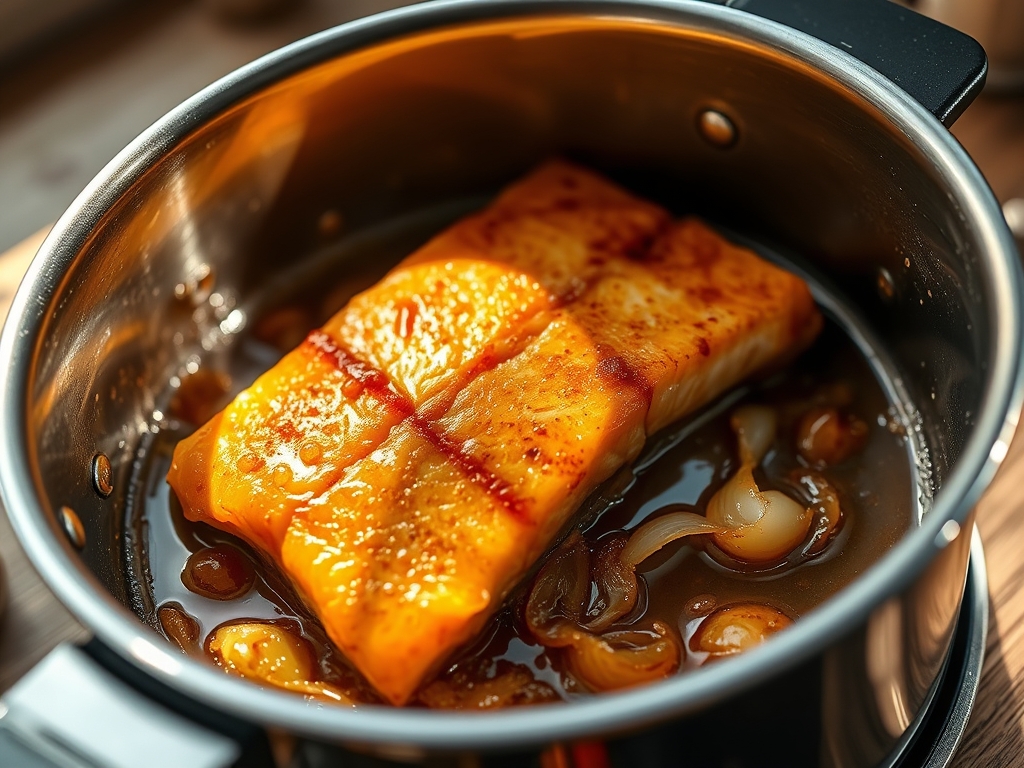
Place your fillets on a clean workspace and use a digital scale to ensure they are of equal mass for uniform thermal penetration. Pat the skin and flesh dry. Apply a thin, even coating of olive oil. This acts as a heat transfer medium, ensuring the convection air doesn't just dry out the fish but actively fries the surface.
Pro Tip: Use a bench scraper to lift and move the fillets without damaging the delicate protein structure. The oil creates a hydrophobic barrier that prevents the salt from drawing out internal moisture too early.
Step 2: The Spice Application
In a small ramekin, whisk your dry spices. Sprinkle the mixture from a height of at least 12 inches to ensure an even distribution. Avoid "clumping," which creates hot spots of salt and spice that overwhelm the palate. Ensure the sides of the fillet are coated to maximize the surface area for crust formation.
Pro Tip: If you want to infuse deeper flavor, let the seasoned fish sit at room temperature for five minutes. This allows the spices to dissolve into the surface oils, creating a more cohesive flavor profile.
Step 3: Convection Loading
Set your air fryer to 400F (204C). There is no need for a lengthy preheat; the small chamber reaches target temperature almost instantly. Place the fillets skin-side down in the basket. Ensure there is at least one inch of clearance between the fillets to allow the air to aerate the sides of the fish.
Pro Tip: Use a non-stick perforated liner or a light spray of oil on the basket. This prevents the skin from bonding to the metal, ensuring a clean release and preserving the aesthetic integrity of the dish.
Step 4: Thermal Monitoring
Slide the basket in and set the timer for 8 minutes. At the 6-minute mark, use an instant-read digital thermometer to check the internal temperature. You are aiming for 125F (52C) for a perfect medium-rare, as carry-over cooking will bring it to the ideal 130F (54C).
Pro Tip: Professional chefs rely on internal temperature rather than time. Factors like the starting temperature of the fish and the specific wattage of your air fryer can cause variations of up to two minutes.
Section B: Prep & Timing Fault-Lines:
The most common human error is overcrowding the basket. If the fillets are touching, the air cannot circulate, resulting in steamed, grey edges rather than crisp, golden ones. Another fault-line is the "cold start" error. If your salmon is ice-cold from the refrigerator, the exterior will overcook before the center reaches a safe temperature. Allow the fillets to temper on the counter for 10 to 15 minutes before execution to ensure a uniform thermal gradient.
THE VISUAL SPECTRUM
Section C: Thermal & Visual Troubleshooting:
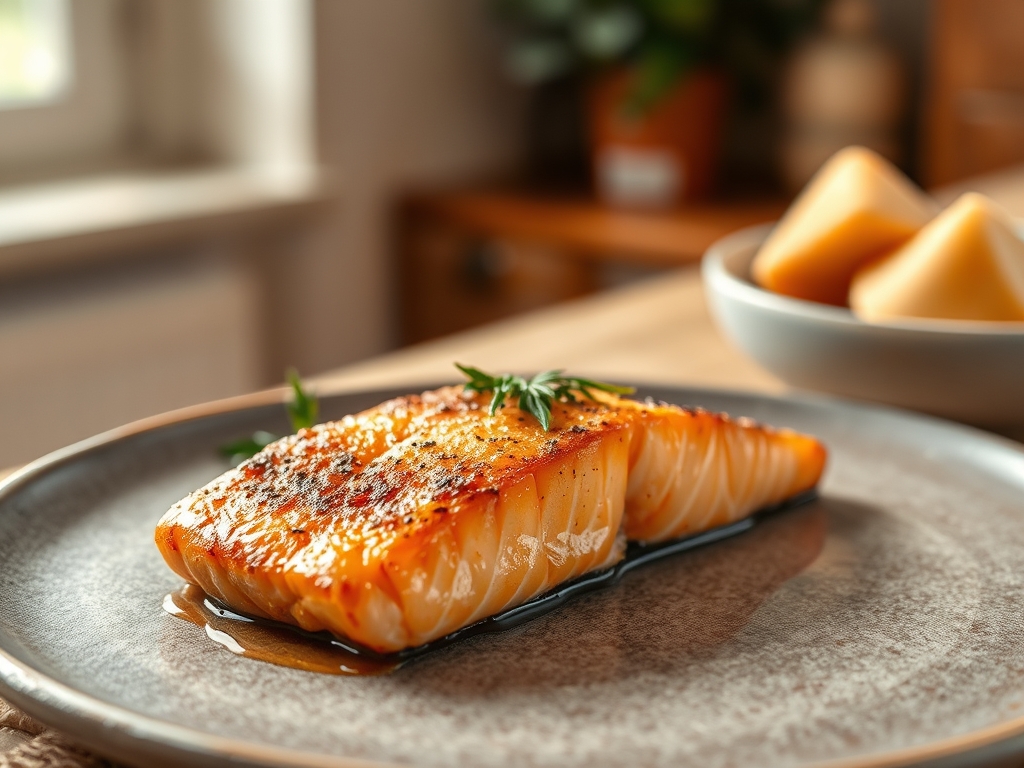
Look at the Masterclass photo above. Notice the deep orange hue contrasted against the charred, golden edges of the spice rub. If your fish looks pale, you likely didn't use enough paprika or your temperature was too low. If you see white "beads" forming on the surface, that is albumin; a protein that squeezes out when the fish is cooked too fast or too long. To prevent this, reduce your cook time by 60 seconds. If the skin is flaccid, ensure the skin side was dried thoroughly and that it faced the heating element or the primary airflow path. The goal is a matte, crusty exterior with a glistening, moist interior.
THE DEEP DIVE
Macro Nutrition Profile
A single 6 oz portion of Air Fryer Salmon Fillet provides approximately 350 calories. You are looking at 34g of high-bioavailability protein and 22g of healthy fats, including over 2,000mg of Omega-3s. It is a zero-carb powerhouse, making it an elite choice for metabolic health.
Dietary Swaps
- Vegan: Replace the salmon with a thick slab of "Tofu Salmon" (pressed extra-firm tofu marinated in beet juice and soy sauce). Use a sheet of nori on the bottom to simulate the skin.
- Keto/GF: This recipe is natively Keto and Gluten-Free. To add more fat, top with a dollop of grass-fed butter or a lemon-heavy hollandaise after cooking.
Meal Prep & Reheating Science
To maintain molecular structure during reheating, avoid the microwave. The microwave agitates water molecules, which toughens the fish. Instead, return the fillet to the air fryer at 300F for 3 to 4 minutes. This gently revives the lipids without denaturing the proteins further. For meal prep, undercook the fish by 5 degrees (pulling at 120F) so that the second "heat cycle" brings it to perfection rather than overextending it.
THE KITCHEN TABLE
Why is my salmon skin not crispy?
Moisture is the culprit. If the skin isn't paper-dry before it hits the heat, it will steam instead of fry. Also, ensure you aren't using too much oil, which can lead to a soggy texture rather than a crisp one.
Can I cook frozen salmon in the air fryer?
Yes, but the texture will suffer slightly. Increase the cook time to 12-15 minutes at 350F. However, for the high-end results described in this audit, a thawed, tempered fillet is the only professional choice.
Do I need to flip the salmon?
No. The beauty of the air fryer is the 360-degree convection. Flipping risks breaking the delicate flesh. Keep it skin-side down to protect the meat and ensure the skin reaches maximum crispness.
What is the white stuff on my salmon?
That is albumin. It is perfectly safe to eat but indicates the fish was cooked slightly too fast. To minimize this, try lowering the temperature to 375F or reducing the total time by one minute.