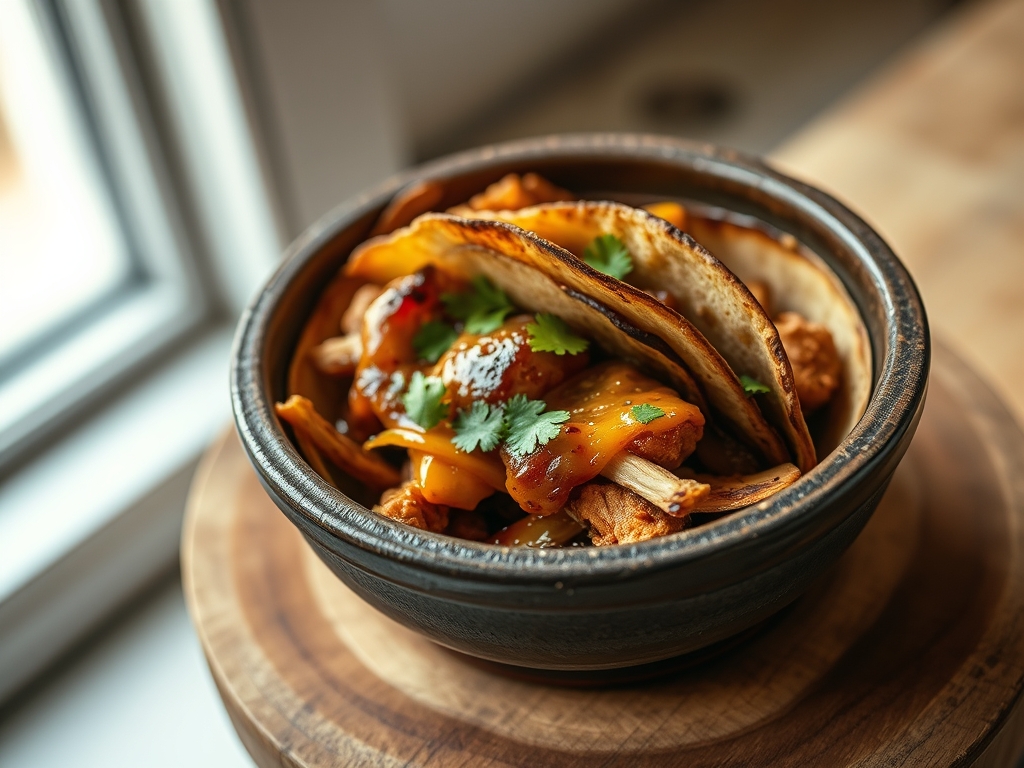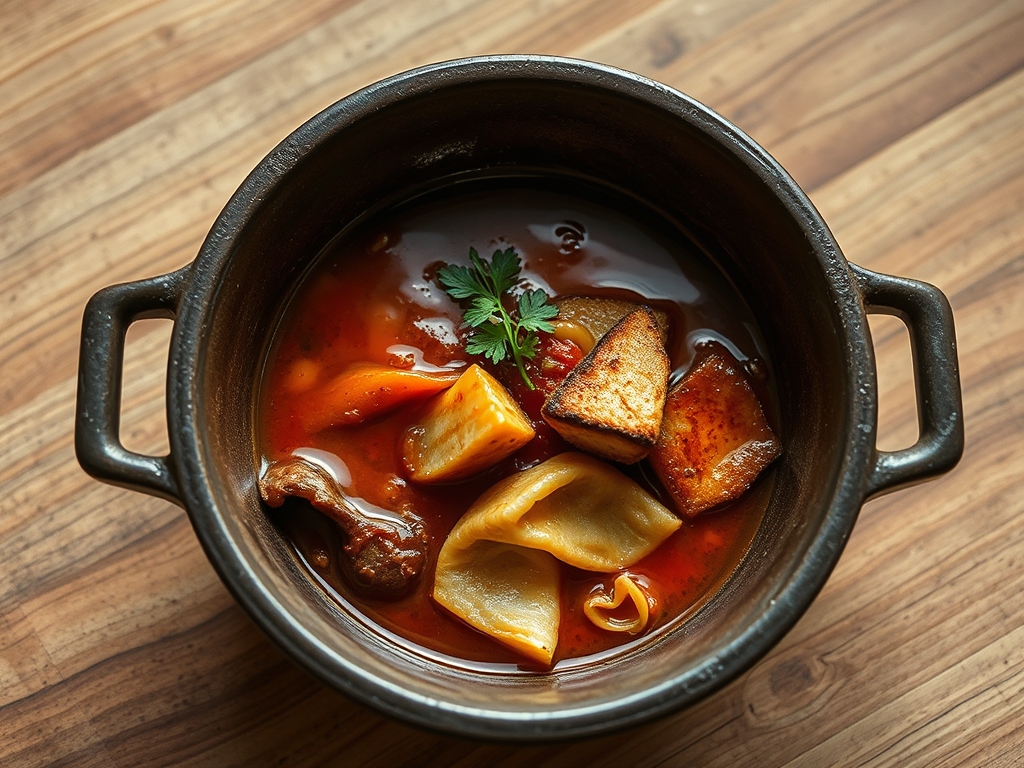
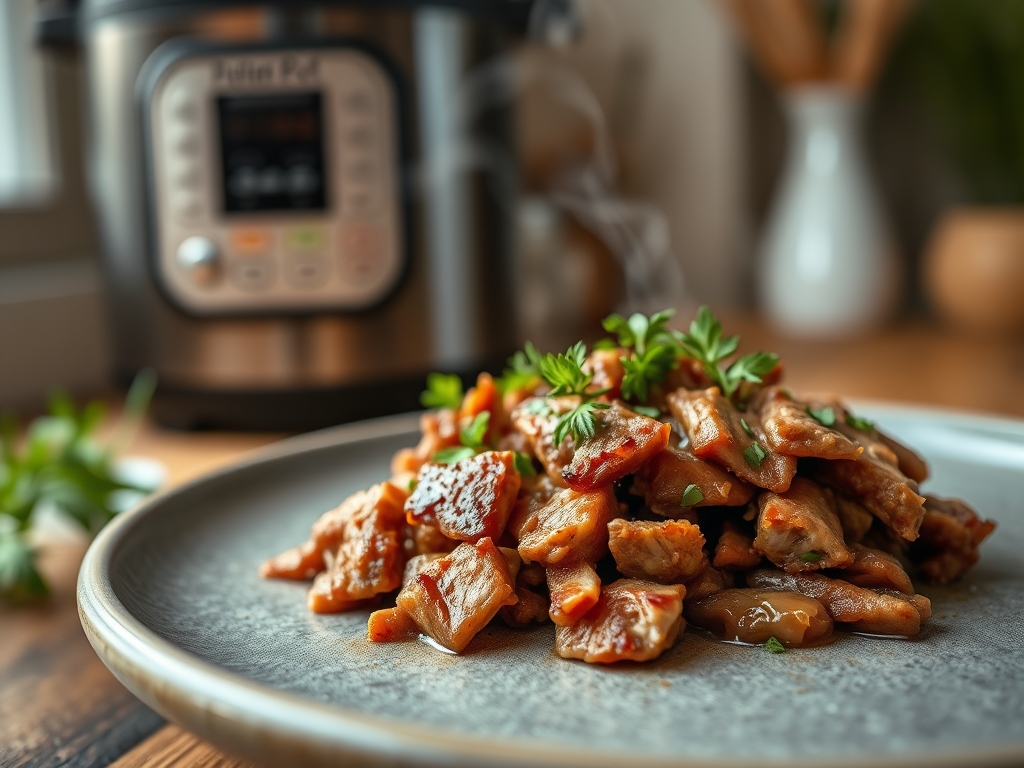
Listen to the sound of structural collapse. It is the rhythmic, satisfying tearing of connective tissue yielding to high-pressure steam. When we discuss Instant Pot Pulled Pork, we are not merely talking about dinner; we are discussing the systematic deconstruction of the porcine shoulder through thermal acceleration. Forget the eighteen-hour vigil over a smoldering hickory pit. We are weaponizing atmospheric pressure to achieve the impossible: forcing moisture into the very fibers that heat usually seeks to desiccate. The result is a pile of succulent, salt-kissed protein that shatters at the mere suggestion of a fork. The aroma is a violent collision of charred sugars and rendered lipids, filling the kitchen with a scent so primal it triggers an immediate salivary response. This is culinary engineering at its most efficient. We are taking the toughest, most stubborn cuts of the animal and subjecting them to a controlled environment where collagen has no choice but to transform into gelatinous gold. Prepare your palate for a texture that is simultaneously resilient and melting.
THE DATA MATRIX
| Metric | Specification |
|---|---|
| Prep Time | 20 Minutes |
| Execution Time | 90 Minutes |
| Yield | 8 to 10 Servings |
| Complexity | 3 / 10 |
| Estimated Cost per Serving | $1.75 USD |
THE GATHERS
Ingredient Protocol:
- 2.25 kg / 5 lbs Pork Butt (Shoulder), bone-in or boneless.
- 30 g / 2 tbsp Brown Sugar, packed.
- 15 g / 1 tbsp Smoked Paprika.
- 10 g / 2 tsp Garlic Powder.
- 10 g / 2 tsp Onion Powder.
- 5 g / 1 tsp Cumin, ground.
- 15 g / 1 tbsp Kosher Salt.
- 5 g / 1 tsp Black Pepper, freshly cracked.
- 250 ml / 1 cup Apple Cider Vinegar.
- 125 ml / 0.5 cup Water or Chicken Stock.
- 30 ml / 2 tbsp Liquid Smoke (Optional).
- 1 Large Yellow Onion, quartered.
Section A: Ingredient Quality Audit:
The primary failure point in most pork audits is the "Lean Trap." If you attempt this with a pork loin, you are inviting a dry, stringy disaster. The loin lacks the intramuscular fat and connective tissue required for a successful render. If you find yourself with a cut that is too lean, you must introduce a supplemental lipid, such as 50g of lard or bacon grease, to the vessel to prevent fiber toughening.
Another common audit finding is stale spices. If your paprika looks like brick dust and smells like nothing, your bark will be aesthetically and chemically inert. To fix this, "bloom" your spices in a small saucier with a tablespoon of oil over medium heat for sixty seconds before applying them to the meat. This activates the fat-soluble flavor compounds, ensuring a piquant profile that penetrates the deep tissue.
THE MASTERCLASS
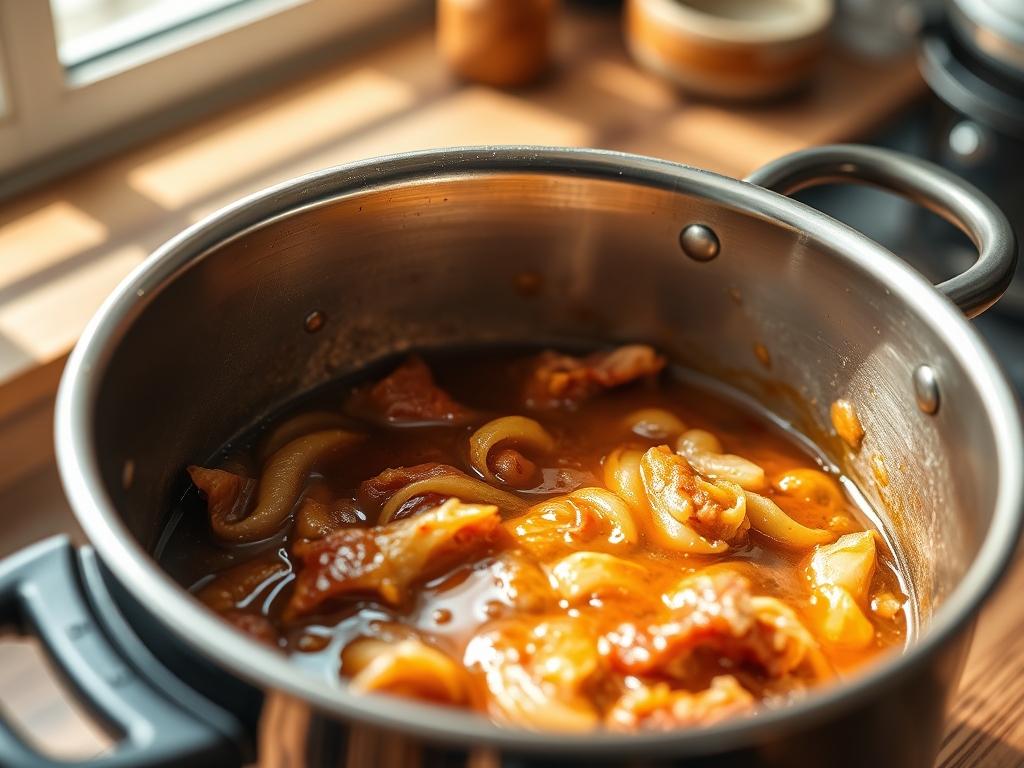
1. The Surface Preparation
Begin by patting the pork dry with lint-free towels. Moisture is the enemy of the Maillard reaction. Use a digital scale to measure your dry rub components precisely, ensuring a consistent salinity profile. Apply the rub aggressively to all surfaces, pressing the granules into the muscle fibers to ensure maximum adhesion during the high-pressure phase.
Pro Tip: The science of dry-brining suggests that applying salt at least forty minutes prior to cooking allows the crystals to dissolve and penetrate the meat via osmosis, seasoning the interior rather than just the surface.
2. The Maillard Initiation
Set your pressure cooker to the "Sauté" function. Add a high-smoke-point oil. Once the vessel reaches thermal equilibrium, sear the pork in batches. We are looking for a deep, mahogany crust. Do not crowd the pot, as this leads to steaming rather than searing. Use a heavy-duty pair of tongs to rotate the meat, ensuring every square centimeter is caramelized.
Pro Tip: This browning creates melanoidins, complex flavor molecules that provide the "meaty" depth. Use a bench scraper to keep the bottom of the pot clear of burnt sugar bits between batches.
3. The Deglaze Protocol
Remove the pork and set it aside on a clean tray. Pour in the apple cider vinegar and water. Use a wooden spatula to deglaze the bottom of the pot, scraping up every brown bit (the fond). This is the foundation of your viscous finishing sauce. Failure to do this thoroughly will trigger the "Burn" sensor on your device.
Pro Tip: The acidity in the vinegar acts as a chemical tenderizer, beginning the breakdown of tough proteins before the pressure even builds.
4. Atmospheric Pressurization
Return the pork to the pot, nesting the onion quarters around it. Seal the lid and set the manual pressure to "High" for 60 to 80 minutes, depending on the thickness of the cuts. Ensure the venting valve is set to the "Sealed" position.
Pro Tip: High pressure raises the boiling point of water, allowing the meat to cook at 250 degrees Fahrenheit without drying out. This accelerated thermal transfer converts collagen to gelatin significantly faster than traditional roasting.
5. The Natural Release Phase
Once the timer expires, do not touch the valve. Allow a "Natural Pressure Release" for at least 20 minutes. A sudden drop in pressure causes the internal moisture of the meat to boil violently, which can rupture the cell walls and leave the pork dry despite being submerged in liquid.
Pro Tip: Use this time to prepare your serving station. A clean, wide cutting board and two large forks (or "meat claws") are the professional standard for the final shredding phase.
Section B: Prep & Timing Fault-Lines:
Human error often manifests in the "Quick Release" temptation. If you vent the steam immediately, you are essentially "squeezing" the moisture out of the pork. If the meat feels "rubbery" after the timer ends, it simply hasn't spent enough time at temperature. Put the lid back on and add 15 minutes of pressure. The internal temperature must hit 205 degrees Fahrenheit for the fibers to truly degrade. Use a digital probe thermometer to verify this; anything less is a failure of the thermal audit.
THE VISUAL SPECTRUM
Section C: Thermal & Visual Troubleshooting:
Referencing the Masterclass photo, observe the "Glistening Factor." If your pork looks matte or grey, it lacks the necessary fat-to-moisture ratio. The solution is to whisk a tablespoon of honey or maple syrup into the cooking juices and toss the shredded meat in this reduction. This adds a reflective sheen and a viscous mouthfeel.
If the "Bark" (the dark exterior) is missing, it means your sear was insufficient. To rectify this post-cook, spread the shredded meat on a sheet pan and place it under a broiler for 4 to 5 minutes. This will infuse the edges with a crispy, charred texture that mimics a slow-smoked product. If the colors are dull, a final splash of fresh apple cider vinegar will brighten the visual spectrum and provide a necessary acidic counterpoint to the heavy fats.
THE DEEP DIVE
Macro Nutrition Profile:
A standard 100g serving of this protocol yields approximately 240 calories, 26g of protein, 14g of fat, and 2g of carbohydrates (primarily from the sugar in the rub). It is a high-density protein source ideal for muscle recovery and metabolic support.
Dietary Swaps:
- Vegan: Substitute the pork with 1kg of young green jackfruit. Reduce pressure time to 15 minutes.
- Keto: Eliminate the brown sugar from the rub; substitute with an erythritol-based sweetener or simply increase the paprika and cumin.
- GF: Ensure your liquid smoke and any supplemental BBQ sauces are certified gluten-free, as some use barley-based flavorings.
Meal Prep & Reheating Science:
To maintain molecular structure during storage, keep the pork submerged in its cooking liquid (the "jus"). This prevents oxidation and fiber desiccation. When reheating, avoid the microwave's erratic agitation. Instead, use a vacuum sealer and a water bath, or heat gently in a covered skillet with a splash of stock to aerate the sauce and restore the original texture.
THE KITCHEN TABLE
How do I prevent the pork from being mushy?
Mushiness is a result of over-processing. Stop the pressure cycle at 60 minutes for smaller chunks. If the meat offers zero resistance, you have over-denatured the proteins. Always aim for "shreddable" rather than "spreadable" during your audit.
Can I use a frozen pork shoulder?
Yes, but you must increase the pressure time by 50 percent. The internal core of the meat will act as a heat sink, delaying the transition to the collagen-melting phase. Ensure you still sear the exterior for flavor.
Why is my sauce too thin?
The Instant Pot is a closed system; no evaporation occurs. To fix a watery sauce, remove the meat and use the "Sauté" function to reduce the liquid by half. This concentrates the flavors and creates a professional-grade glaze.
What is the best way to shred the meat?
Avoid the food processor, which destroys the grain. Use two forks to pull with the muscle fibers, not against them. This preserves the "long-strand" architecture that defines a high-quality pulled pork execution.