Listen to the sound of the pantry door swinging open; it is the sound of a culinary audit about to commence. We are not merely opening a tin of vegetables. We are engaging in a high stakes extraction of flavor from a shelf stable medium. Canned Corn Chowder is the ultimate litmus test for the modern pantry architect. It demands that you transform a humble starch suspension into a viscous, gold hued masterpiece that defies its industrial origins. Imagine the scent of smoked salt and rendered lipids hitting a hot pan, followed by the sweet, piquant aroma of summer corn preserved at its peak. This is about structural integrity. We are looking for the perfect balance between the snap of the kernel and the velvet embrace of a well executed roux. If your chowder resembles a bland slurry, you have failed the audit. But if you follow the protocol, you will produce a bowl of liquid gold that vibrates with complexity and heat. Let us begin the technical breakdown of this corn based infrastructure.
THE DATA MATRIX
| Metric | Specification |
|---|---|
| Prep Time | 15 Minutes |
| Execution Time | 30 Minutes |
| Yield | 4 Servings |
| Complexity (1-10) | 4 |
| Estimated Cost per Serving | $1.85 |
THE GATHERS
Ingredient Protocol:
- Canned Whole Kernel Corn: 850g / 30oz (2 cans, drained)
- Smoked Bacon or Pancetta: 115g / 4oz (finely diced)
- Yellow Onion: 150g / 1 medium (small dice)
- Celery Ribs: 100g / 2 stalks (small dice)
- Red Bell Pepper: 120g / 1 medium (small dice)
- Garlic Cloves: 15g / 3 large (microplaned)
- All Purpose Flour: 30g / 1/4 cup
- Chicken or Vegetable Stock: 710ml / 3 cups
- Heavy Cream: 240ml / 1 cup
- Gold Potatoes: 450g / 1 lb (peeled and 1/2 inch cubed)
- Fresh Thyme: 5g / 1 tbsp (leaves only)
- Smoked Paprika: 2g / 1 tsp
- Kosher Salt and White Pepper: To taste
Section A: Ingredient Quality Audit:
Sub-par materials lead to sub-par outcomes. If your canned corn tastes metallic, it is likely due to oxidation or low quality canning liners. To fix this, rinse the kernels thoroughly in cold water to remove the canning liquor. If your potatoes are too starchy (like Russets), they may disintegrate and turn the chowder into a grainy paste. Stick to Yukon Golds for their waxy structure. If your heavy cream has a low fat content, the soup will fail to emulsify properly. Ensure a minimum of 36 percent milkfat to achieve the desired mouthfeel. Finally, if your spices are over six months old, they have lost their volatile oils; toast them in a dry pan for 30 seconds to reactivate their aromatic profile.
Step-by-Step Execution:
1. Lipid Extraction and Rendering
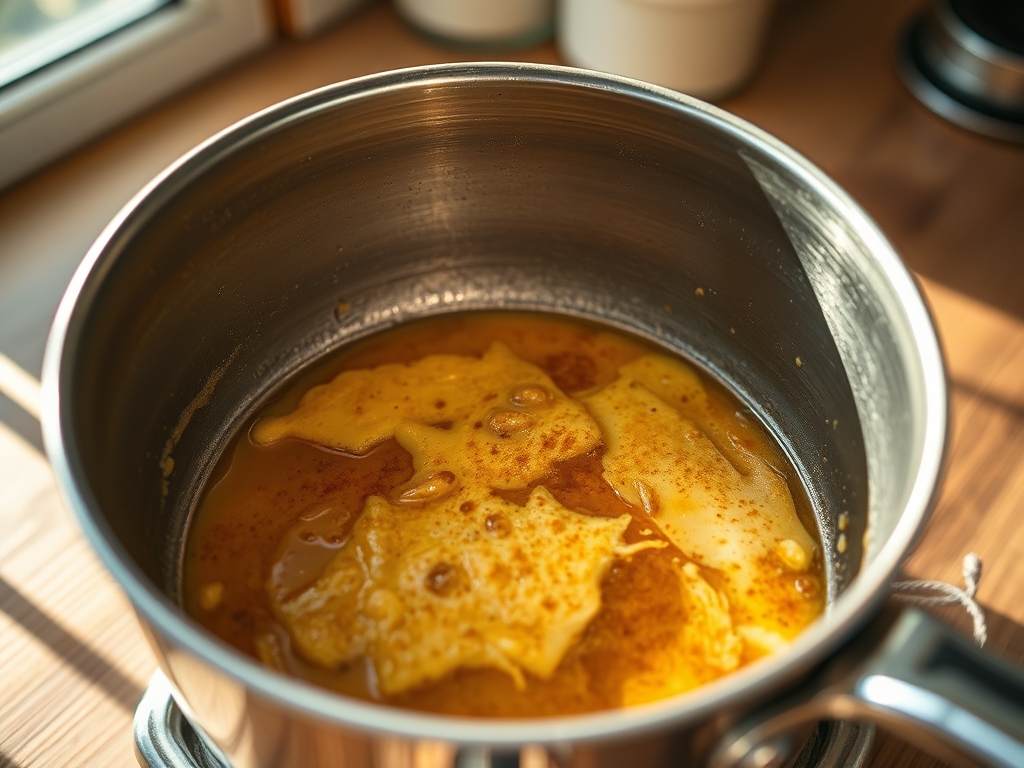
Place your diced bacon into a cold saucier and set the heat to medium. Allow the fat to render slowly until the solids are crisp and golden. Use a bench scraper to move any stubborn bits. Remove the solids with a slotted spoon, leaving the liquid gold behind.
Pro Tip: Starting in a cold pan allows the fat to liquefy before the proteins sear, ensuring a more thorough extraction of flavor and a better base for your roux.
2. The Mirepoix Integration
Add the onion, celery, and bell pepper to the bacon fat. Sauté until the onions are translucent and the peppers begin to soften. Add the garlic and thyme in the final 60 seconds to infuse the oil without burning the delicate aromatics.
Pro Tip: Use a digital scale to ensure your vegetable ratios are precise; an overabundance of onion can skew the pH balance and make the chowder overly sweet.
3. Starch Fortification
Sprinkle the flour over the vegetables. Stir constantly for two minutes to cook out the raw flour taste while creating a blond roux. This is the structural foundation of your starch suspension.
Pro Tip: This step uses the Maillard reaction on a micro scale to develop nutty flavor notes that bridge the gap between the sweet corn and the savory stock.
4. Liquid Phase and Deglazing
Slowly pour in the stock while whisking vigorously to deglaze the bottom of the pan. Incorporate the cubed potatoes and the drained corn. Bring the mixture to a gentle simmer, never a rolling boil.
Pro Tip: A simmer prevents the starch molecules in the potatoes from rupturing too violently, which keeps the liquid clear and the texture refined.
5. Final Emulsification
Once the potatoes are fork tender, stir in the heavy cream and the reserved bacon. Season with smoked paprika, salt, and white pepper. Let it thicken for five minutes until it coats the back of a spoon.
Pro Tip: White pepper is used in professional kitchens for light colored soups to provide a piquant heat without the visual "dirt" of black pepper flakes.
Section B: Prep & Timing Fault-Lines:
The most common failure in Canned Corn Chowder is "The Break." This occurs when the heat is too high after the cream is added, causing the fats and solids to separate. If you see oil droplets floating on top, your emulsion has failed. To fix this, remove from heat and whisk in a splash of cold cream to drop the temperature rapidly. Another fault line is undercooking the potatoes. Always test the largest cube with a paring knife; if there is any resistance, the audit is incomplete.
THE VISUAL SPECTRUM
Section C: Thermal & Visual Troubleshooting:
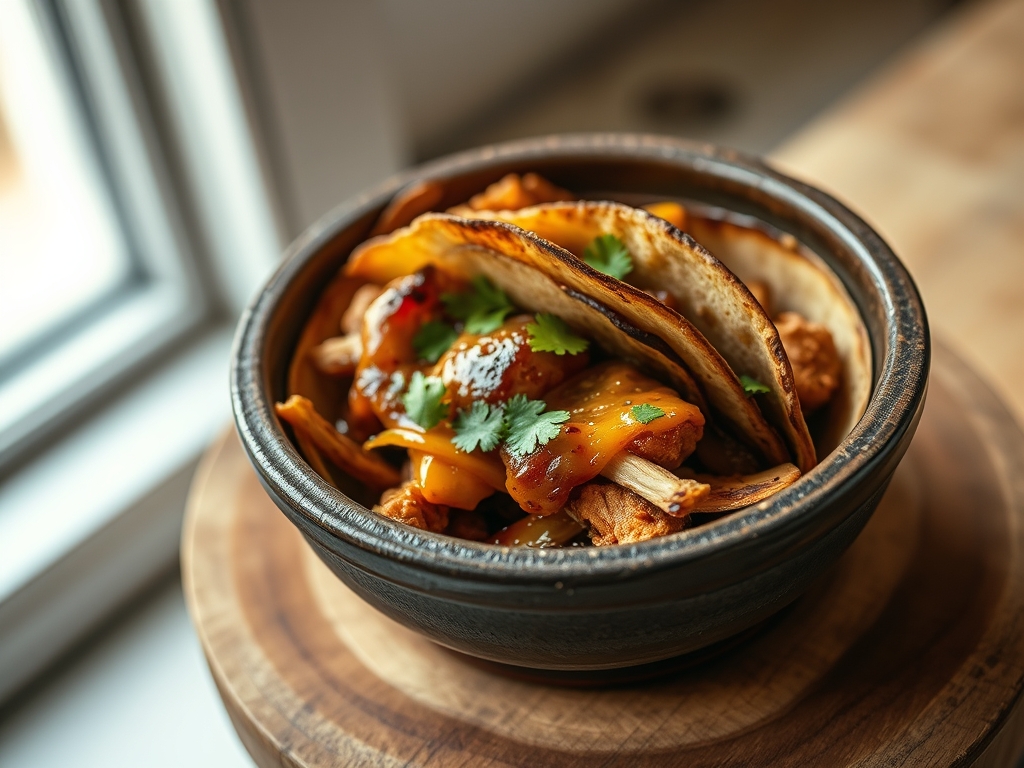
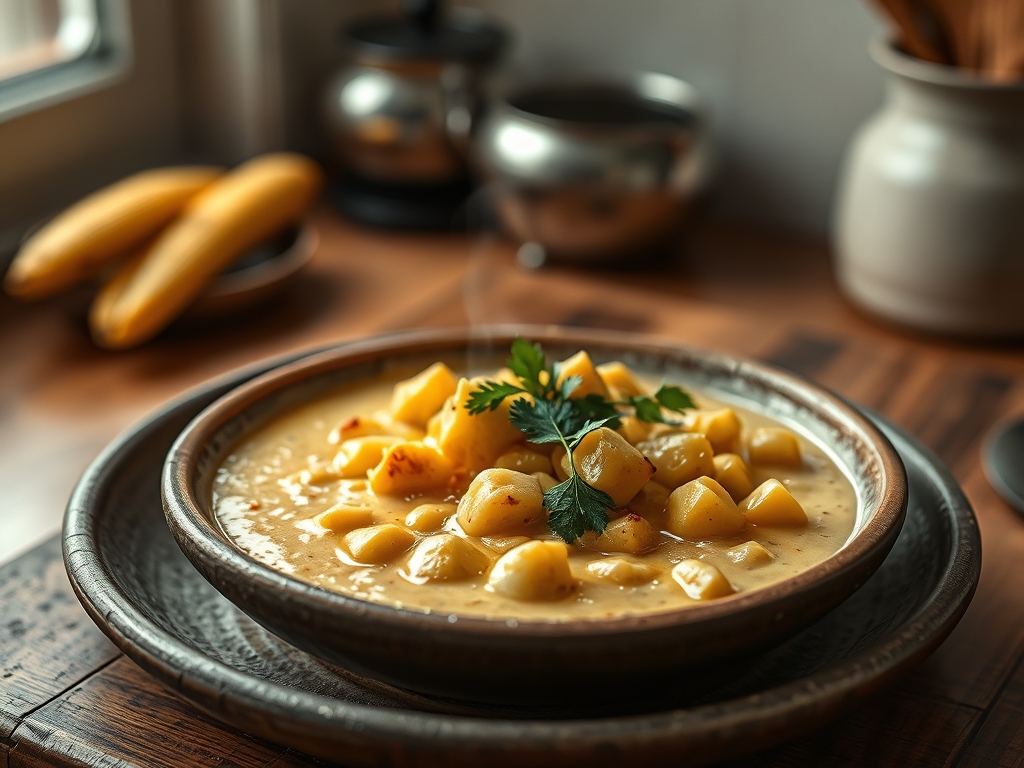
Look at the Masterclass photo above. Notice the vibrant yellow of the corn contrasted against the red flecks of pepper and the deep green of the herbs. If your chowder looks dull or grey, you likely overcooked the vegetables or used a stock that was too dark. To brighten the "look," add a teaspoon of lemon juice just before serving; the acid acts as a visual and flavor brightener. If the texture looks too thin, use an immersion blender to pulse approximately 10 percent of the soup. This releases natural corn starches which act as a secondary thickener without changing the flavor profile. Uneven browning of the bacon can be avoided by ensuring a uniform dice, which ensures even heat distribution across the pan surface.
THE DEEP DIVE
Macro Nutrition Profile
A standard serving of this chowder provides approximately 350 calories, 22g of carbohydrates, 24g of fat, and 12g of protein. The corn provides essential fiber, while the potatoes offer a significant dose of potassium.
Dietary Swaps
- Vegan: Replace bacon fat with coconut oil, use vegetable stock, and swap heavy cream for full fat cashew milk or coconut cream.
- Keto: Eliminate the potatoes and flour. Thicken the soup by reducing the heavy cream by half or adding a pinch of xanthan gum. Use extra bacon and cauliflower florets for bulk.
- Gluten-Free: Use a 1:1 gluten free flour blend or cornstarch slurry (mixed with cold water) to achieve the desired viscosity.
Meal Prep & Reheating Science
To maintain the molecular structure during reheating, avoid the microwave. High intensity waves cause the fats to separate. Instead, reheat in a small pot over low heat, adding a tablespoon of water or milk to loosen the suspension. This prevents the starch from becoming a solid block and preserves the creamy mouthfeel.
THE KITCHEN TABLE
Why is my chowder grainy?
This is usually caused by overcooking starchy potatoes or using low quality flour. The starch granules burst and create a sandy texture. Stick to Yukon Gold potatoes and cook just until tender to maintain structural integrity.
Can I use frozen corn instead of canned?
Absolutely. Frozen corn often has a superior "snap" compared to canned. However, you must thaw and pat it dry first to avoid introducing excess water, which would dilute the flavor profile and ruin the viscous consistency.
How do I make it spicier?
To increase the piquant levels without changing the color, add a dash of cayenne pepper or a few drops of white hot sauce. For a smoky heat, increase the smoked paprika or add a finely diced chipotle in adobo.
Why did my cream curdle?
Curdling happens when acid or high heat hits the dairy. Ensure your heat is on low before adding the cream and avoid adding highly acidic ingredients like lemon juice until the very end of the cooking process.