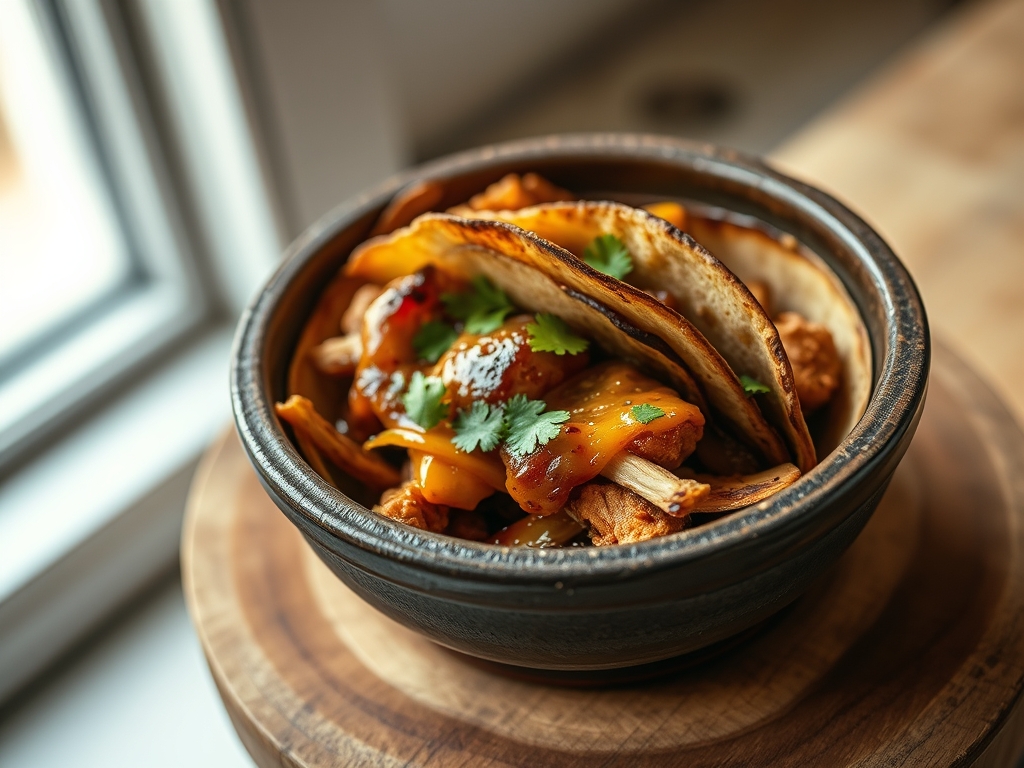
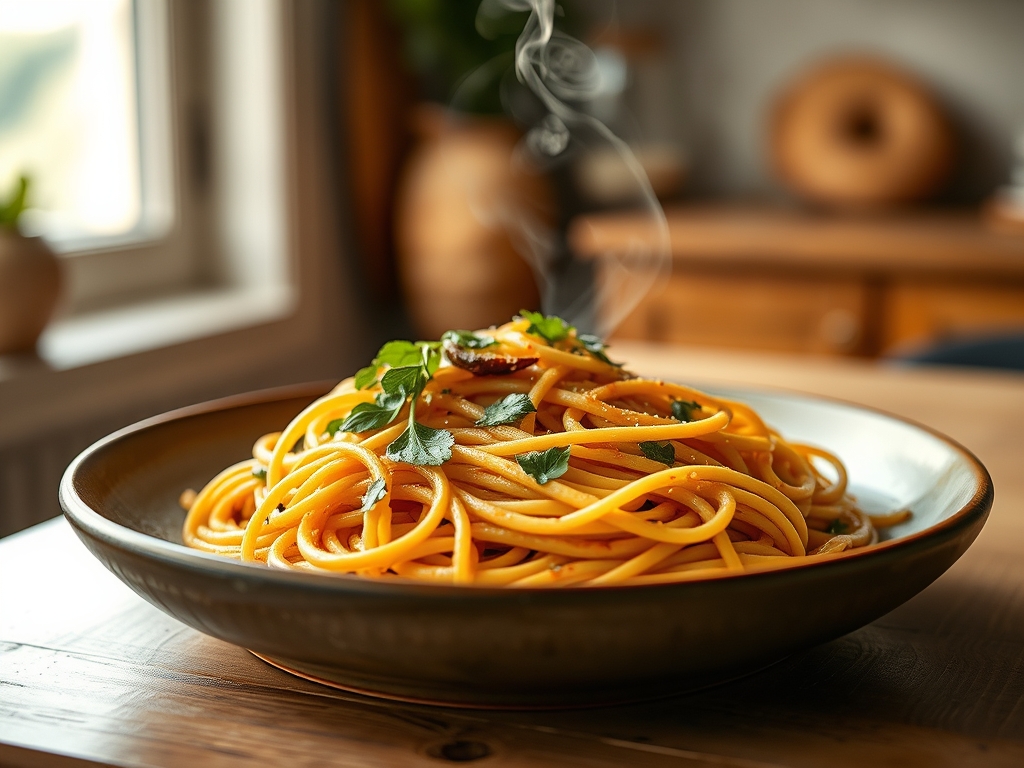
Forget the concept of a leisurely dinner. We are operating in the realm of high-velocity culinary engineering where every second is a measurable unit of flavor potential. Welcome to the frontline of rapid-response gastronomy. When the hunger alarm triggers, you do not need a three-hour braise; you need an immediate deployment of lipids, sugars, and heat. We are discussing the 5 Minute Peanut Noodles, a dish that functions less like a recipe and more like a high-performance engine. This is where the physics of viscosity meets the chemistry of the piquant. We are looking for that perfect moment where the sauce transitions from a static paste into a glossy, aerated emulsion that clings to every millimeter of noodle surface area. The air in your kitchen should vibrate with the scent of toasted legumes and sharp aromatics. This is not just a meal; it is a tactical strike against mediocrity. We are bypassing the fluff and moving straight into the structural integrity of the perfect satay. Prepare for a sensory overload that moves faster than your delivery app can refresh.
THE DATA MATRIX
| Metric | Specification |
|---|---|
| Prep Time | 2 Minutes |
| Execution Time | 3 Minutes |
| Yield | 2 Standard Servings |
| Complexity (1-10) | 2 (Low friction, high reward) |
| Estimated Cost per Serving | $1.45 USD |
THE GATHERS
Ingredient Protocol:
- 200g / 7oz Ramen or Rice Noodles (Instant or fresh)
- 60ml / 0.25 cup Creamy Peanut Butter (Natural, no added sugar)
- 15ml / 1 tbsp Soy Sauce (Low sodium preferred)
- 10ml / 2 tsp Sriracha or Chili Oil
- 5ml / 1 tsp Toasted Sesame Oil
- 15ml / 1 tbsp Lime Juice (Freshly squeezed)
- 10g / 2 tsp Brown Sugar or Honey
- 30ml to 45ml / 2 to 3 tbsp Hot Noodle Water (The emulsifier)
- Garnish: 5g / 1 tbsp Scallions (Fine bias cut) and 5g / 1 tbsp Crushed Peanuts
Section A: Ingredient Quality Audit:
If your peanut butter is a solid, unyielding brick, do not panic. This is a failure of lipid distribution. To fix this, briefly microwave the portion for 10 seconds to lower the viscosity before mixing. If your soy sauce tastes like pure brine without depth, it is likely a chemically hydrolyzed imitation. To rescue the profile, add a drop of Worcestershire sauce or a pinch of MSG to simulate the missing fermentation notes. For lime juice that lacks the necessary acidity, a splash of rice vinegar can provide the required piquant brightness to cut through the heavy fats.
THE MASTERCLASS
1. The Hydration Phase
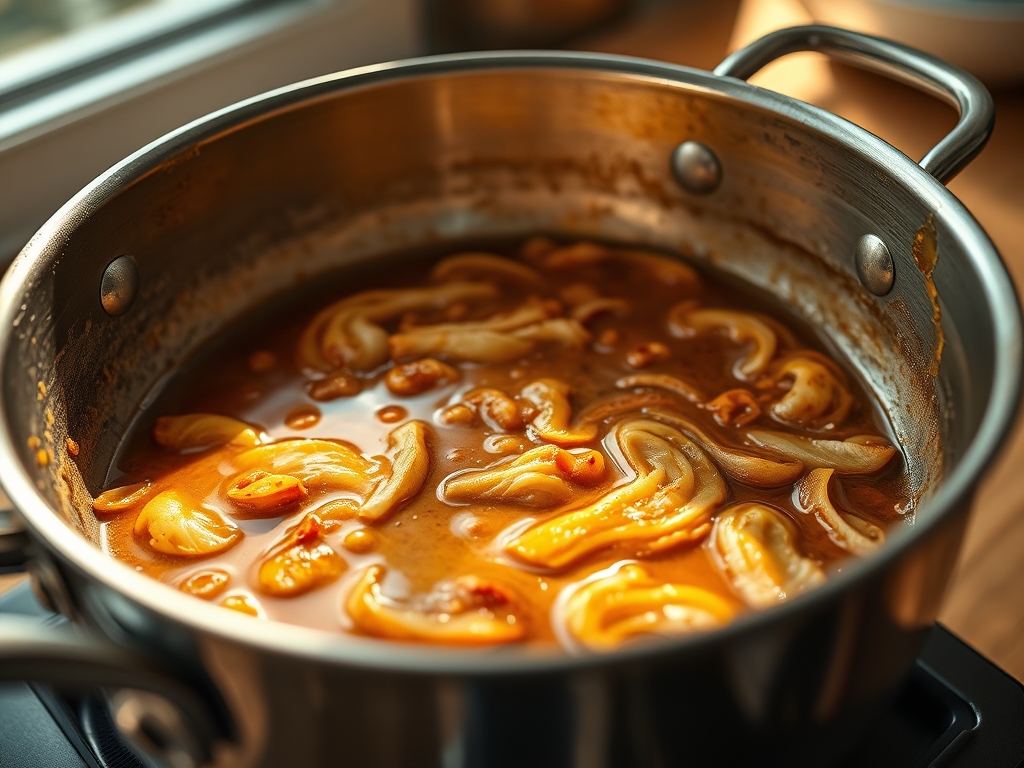
Boil your water in a high-efficiency kettle or a wide-base saucier. Submerge the noodles completely. If using instant noodles, discard the flavor packet; we are building a superior flavor profile from scratch. Use a digital scale to ensure your noodle-to-water ratio is optimized for a quick boil.
Pro Tip: Using a wide saucier instead of a deep pot increases the surface area for heat transfer. This allows the water to reach a rolling boil faster, shaving critical seconds off your total execution time.
2. The Base Emulsion
While the noodles hydrate, combine the peanut butter, soy sauce, chili oil, sesame oil, lime juice, and sweetener in a stainless steel mixing bowl. Do not attempt to fully combine them yet. The mixture will look broken and unappealing. This is normal.
Pro Tip: Use a small balloon whisk to aerate the fats. This mechanical action begins the process of suspending the water-soluble ingredients within the lipid base, ensuring a smoother final texture.
3. The Viscosity Adjustment
Just before draining the noodles, extract 45ml of the starchy cooking water. Gradually stream this hot liquid into your peanut base while whisking vigorously. The heat will melt the peanut fats while the starch acts as a bridge, creating a glossy, pourable silk.
Pro Tip: The starch in the water is a natural thickener. By using a bench scraper to clear your workspace as you go, you maintain a sterile and efficient environment, preventing the "clutter-creep" that slows down rapid cooking.
4. The Final Integration
Drain the noodles and immediately transfer them into the bowl with the sauce. Use tongs to lift and fold the noodles, ensuring every strand is coated. The residual heat from the noodles will continue to render the fats, creating a cohesive bond between the sauce and the starch.
Pro Tip: Never rinse your noodles. Rinsing removes the surface starch that is essential for sauce adhesion. You want the sauce to "grip" the noodle, not slide off into a puddle at the bottom of the bowl.
Section B: Prep & Timing Fault-Lines:
The most common failure in 5 Minute Peanut Noodles is the "Gloop Factor." This occurs when the noodles sit too long after draining, causing them to clump into a singular mass. To avoid this, your sauce must be fully prepared before the noodles finish their hydration cycle. If your sauce is too thick, it is a temperature issue. The peanut butter has cooled too much. Add an extra teaspoon of hot water and whisk until the sheen returns.
THE VISUAL SPECTRUM
Section C: Thermal & Visual Troubleshooting:
Referencing the Masterclass photo, observe the high-gloss finish. If your noodles appear matte or dull, you have insufficient moisture or fat. A quick drizzle of sesame oil will restore the luster. If the color is too pale, increase the soy sauce or add a dash of dark soy for a deeper umami hue. Uneven browning is not a factor here since we are not searing; however, uneven coating is a sign of poor agitation. Ensure you are using a folding motion with your tongs to distribute the particulates like chili flakes and scallions evenly across the visual field.
THE DEEP DIVE
Macro Nutrition Profile:
This dish is a powerhouse of healthy fats and complex carbohydrates. A standard serving provides approximately 450 calories, with 15g of protein derived primarily from the peanuts. The glycemic index can be managed by selecting whole grain or buckwheat noodles.
Dietary Swaps:
- Vegan: This recipe is naturally vegan if using maple syrup or brown sugar.
- Keto: Replace noodles with zoodles (zucchini) or shirataki noodles. Increase peanut butter for higher fat content.
- GF: Ensure soy sauce is replaced with Tamari and use certified gluten-free rice noodles.
Meal Prep & Reheating Science:
Peanut sauce tightens significantly when refrigerated due to the solidification of fats. To reheat, add a splash of water or coconut milk before microwaving. This re-introduces the moisture necessary to break the molecular bonds of the cold fats, restoring the original viscous flow.
THE KITCHEN TABLE
Can I use chunky peanut butter?
Absolutely. It adds a structural contrast that enhances the sensory experience. The "crunch" provides a necessary break in the otherwise smooth texture of the 5 Minute Peanut Noodles.
Why is my sauce separating?
This is an emulsification failure. Usually, it means the water was added too quickly or was not hot enough. Whisk in a tiny bit more hot water to pull the fats back together.
What noodles work best?
Thin wheat noodles or "lo mein" style work best for sauce cling. Rice noodles are excellent for a lighter, more piquant version of the dish.
How do I make it spicier?
Increase the chili oil or add fresh Thai bird's eye chilies. The capsaicin will infuse rapidly into the warm peanut fats, distributing heat evenly throughout the entire bowl.