The kitchen is a theater of thermal dynamics where timing is the ultimate currency. You do not have an hour to coax flavors from a root vegetable; you have a ticking clock and a biological imperative for protein. This is where the 10 Minute Veggie Omelet transitions from a humble breakfast staple to a high-speed exercise in culinary engineering. We are looking for the perfect intersection of aerated protein structures and vibrant, crisp-tender plant matter. The sensory goal is a golden, pillowy exterior that yields to a viscous, slightly molten center, punctuated by the piquant crunch of flash-seared peppers and onions. If your current morning routine involves a rubbery yellow disc and soggy spinach, you are failing the audit. We are here to recalibrate your workflow, optimize your heat distribution, and ensure that every millisecond spent at the stove translates into maximum flavor density. Prepare for a total system overhaul of your rapid-response breakfast protocol.
THE DATA MATRIX
| Metric | Specification |
|---|---|
| Prep Time | 4 Minutes |
| Execution Time | 6 Minutes |
| Yield | 1 Serving |
| Complexity (1-10) | 3 |
| Estimated Cost per Serving | $1.85 USD |
THE GATHERS
Ingredient Protocol:
- 3 Large Eggs (approx. 150ml / 0.6 cups)
- Finely diced Bell Pepper (45g / 0.3 cups)
- Fresh Baby Spinach (30g / 1 tight cup)
- Red Onion, minced (20g / 2 tablespoons)
- Sharp Cheddar, grated (28g / 0.25 cups)
- Unsalted Butter (14g / 1 tablespoon)
- Kosher Salt (1.5g / 0.25 teaspoon)
- Cracked Black Pepper (0.5g / 0.1 teaspoon)
Section A: Ingredient Quality Audit:
The primary failure point in a rapid omelet is moisture migration. If your vegetables are weeping fluid into the eggs, you have neglected the osmotic balance. Use a bench scraper to transfer finely diced aromatics directly from the board to the pan; this minimizes bruising and juice loss. If using older spinach that has begun to wilt, shock it in ice water for sixty seconds to restore turgidity before drying it thoroughly. For the eggs, ensure they are at room temperature. Cold eggs hit a hot pan and cause a thermal shock that leads to a tough, leathery texture. If you are stuck with sub-par, pale-yolk eggs, whisk in a pinch of turmeric to enhance the visual profile without altering the flavor.
THE MASTERCLASS
1. The Aeration Phase
Crack your eggs into a stainless steel bowl and use a whisk to aerate the mixture until no streaks of albumen remain. You are looking for a uniform, pale yellow suspension with tiny bubbles on the surface. Use your digital scale to ensure salt ratios are precise; salt acts as a protein denaturant, helping the eggs stay tender during rapid heating.
Pro Tip: Incorporating air creates a physical barrier that slows down the coagulation of proteins, resulting in a fluffier curd. Professionals often use a fork in a circular motion to achieve this without over-beating.
2. The Thermal Priming
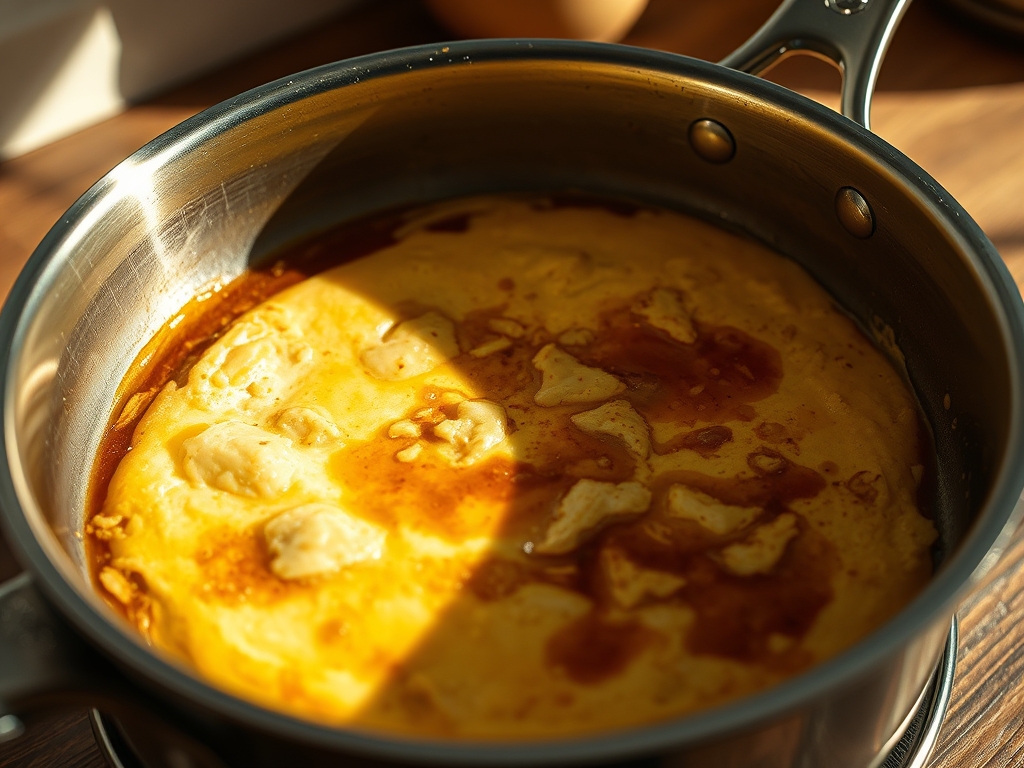
Place an 8-inch non-stick skillet or a small saucier over medium-high heat. Add the butter and watch for the "sizzle-stop" moment. This is when the water in the butter has evaporated, leaving the fat to reach the ideal temperature for the Maillard reaction. If the butter turns brown, you have moved into noisette territory; pull it back or start over.
Pro Tip: A heavy-bottomed pan is essential for even heat distribution. If you see "hot spots" where the butter bubbles unevenly, your pan's cladding is insufficient for high-precision omelet work.
3. The Vegetable Flash-Sear
Toss the onions and peppers into the fat. You are not looking to caramelize them; you are looking to render the aromatic oils and soften the cellulose just enough to remove the raw bite. This should take exactly 90 seconds. Add the spinach at the very end, allowing it to wilt for only 15 seconds before the eggs enter the fray.
Pro Tip: High-heat sautéing creates a "char-steam" effect. The moisture inside the vegetables expands rapidly, cooking them from the inside out while the exterior stays crisp.
4. The Curd Formation
Pour the egg mixture over the vegetables. Immediately use a heat-resistant silicone spatula to pull the cooked edges toward the center, allowing the liquid egg to flow into the vacated space. This creates "curds" and increases the surface area of the omelet, ensuring the 10 Minute Veggie Omelet cooks evenly without burning the bottom.
Pro Tip: This technique is borrowed from the French method. By constantly moving the eggs for the first 30 seconds, you create a creamy, custard-like texture rather than a flat, dry sheet.
5. The Encapsulation
Once the top is mostly set but still slightly viscous, sprinkle the cheese across the center. Fold the omelet in half using a swift, confident motion. Slide it toward the edge of the pan and let it rest for 30 seconds off the heat. The residual thermal energy will finish the interior and melt the cheese perfectly.
Pro Tip: Use the "roll-out" method. Tilt the pan and let gravity help you fold the omelet onto the plate. This prevents the structural collapse often caused by aggressive spatula handling.
Section B: Prep & Timing Fault-Lines:
The most common error is the "Lag-Time Trap." If you chop your vegetables after the pan is hot, you risk burning the butter. If you whisk the eggs too early, the salt can break down the proteins too much, leading to a watery result. Synchronize your workflow: chop, then whisk, then heat. If the pan gets too hot, lift it off the burner for ten seconds to reset the thermal ceiling.
THE VISUAL SPECTRUM
Section C: Thermal & Visual Troubleshooting:
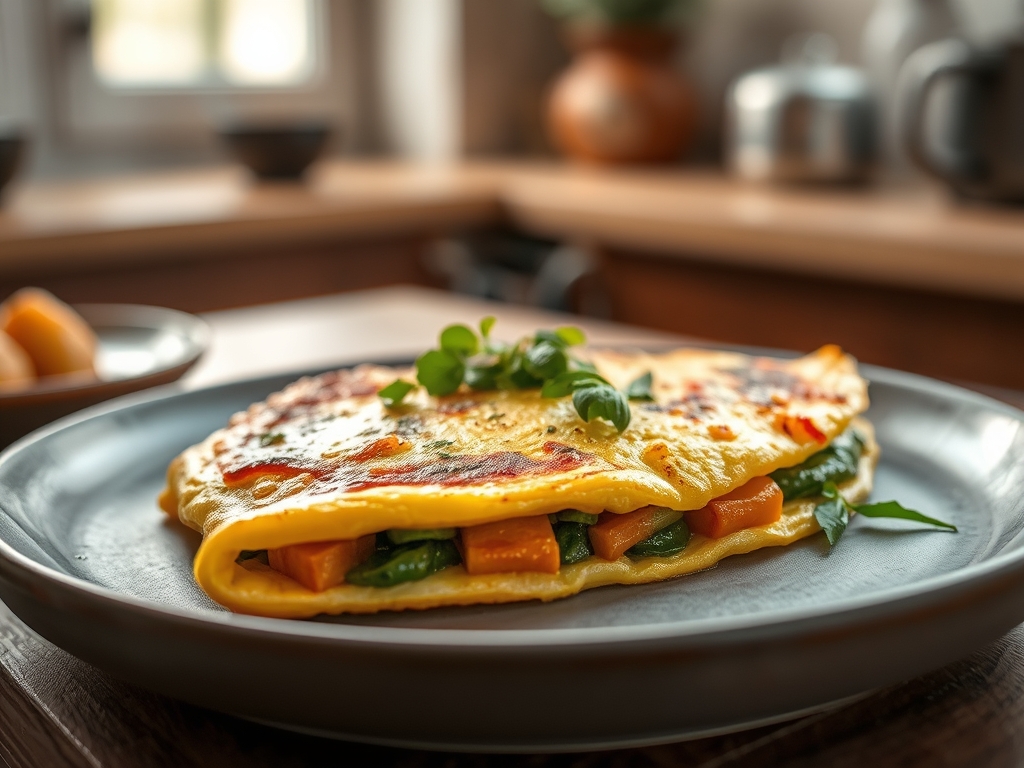
Referencing the Masterclass photo, your omelet should exhibit a matte, golden-yellow finish with zero brown spots. Brown spots indicate the heat was too high or the eggs sat stationary for too long. If the spinach looks gray, you overcooked it; it should be a vibrant, emerald green. If the cheese is not oozing, you skipped the "carry-over cooking" rest period. If you see liquid weeping onto the plate, your vegetables were not sufficiently sautéed to evaporate their internal water content. A perfect audit result shows a clean plate with no residual moisture and a uniform fold.
THE DEEP DIVE
Macro Nutrition Profile:
A standard 3-egg veggie omelet provides approximately 280 calories, 21g of protein, 18g of fat, and 4g of net carbohydrates. It is a high-density fuel source designed for cognitive clarity and sustained energy.
Dietary Swaps:
- Vegan: Replace eggs with a chickpea flour and water slurry (1:1 ratio) and use nutritional yeast for a piquant cheesy flavor.
- Keto: Increase the fat content by adding avocado slices and using heavy cream in the egg whisking phase.
- GF: Naturally gluten-free, but ensure your spices are not bulked with flour-based anti-caking agents.
Meal Prep & Reheating Science:
Eggs are notorious for becoming "rubbery" upon reheating due to protein cross-linking. To maintain the molecular structure, reheat in a microwave at 50% power in 30-second bursts with a damp paper towel draped over the top. This creates a localized steam environment that prevents the eggs from dehydrating.
THE KITCHEN TABLE
How do I prevent my omelet from sticking?
Ensure your pan is properly seasoned or has a high-quality PTFE coating. Always add the fat to a pre-heated pan; the "hot pan, cold oil" rule creates a microscopic barrier that prevents protein adhesion to the metal surface.
Can I use frozen vegetables for this?
Yes, but you must thaw and squeeze them dry first. Frozen vegetables have compromised cell walls that leak massive amounts of water. Failure to dry them will result in a soggy, broken omelet that fails the visual audit.
Why does my omelet always break when I fold it?
You are likely waiting too long to fold. The "hinge" of the omelet needs to be slightly undercooked and flexible. If the eggs are fully set, they lose their elasticity and will snap under the tension of the fold.
What is the best cheese for melting?
High-moisture cheeses like Monterey Jack or a young Sharp Cheddar are ideal. Avoid pre-shredded bags if possible; the cellulose powder used to prevent clumping interferes with the viscous melt you want in a professional-grade omelet.
Should I add milk or water to my eggs?
For a 10 Minute Veggie Omelet, avoid milk as the sugars can burn. A teaspoon of water is superior; it turns to steam instantly, helping to aerate the eggs and create a lighter, more voluminous structure without altering the flavor profile.