The kitchen is a high-stakes laboratory where the laws of thermodynamics meet the primal urge for starch. When the clock is ticking against a hungry household, you do not have the luxury of a three-hour ragu or a hand-rolled pappardelle. You need an industrial-grade solution that bridges the gap between convenience and culinary excellence. Enter the Quick Pesto Tortellini. This is not just a meal; it is a tactical deployment of high-moisture pasta and lipid-heavy emulsions. We are looking for that perfect moment of rehydration where the pasta casing reaches a state of al dente structural integrity while the interior cheese filling remains molten and viscous. The scent of piquant basil and toasted pine nuts should hit the air like a fragrant explosion, signaling that the system is online and ready for consumption. We are bypassing the fluff and focusing on the mechanical efficiency of the ten-minute window. Strap in, sharpen your knives, and prepare to audit your pantry for maximum output.
THE DATA MATRIX
| Metric | Specification |
|---|---|
| Prep Time | 2 Minutes |
| Execution Time | 8 Minutes |
| Yield | 4 Servings |
| Complexity (1-10) | 2 |
| Estimated Cost per Serving | $3.25 |
THE GATHERS
Ingredient Protocol:
- 500g / 1.1 lbs Refrigerated Cheese Tortellini
- 180ml / 0.75 cup High-Quality Basil Pesto (Genovese style)
- 60ml / 0.25 cup Heavy Cream or Pasta Water
- 50g / 0.5 cup Freshly Grated Parmigiano-Reggiano
- 30g / 2 tbsp Toasted Pine Nuts
- 5ml / 1 tsp Fresh Lemon Juice
- 2g / 0.5 tsp Red Pepper Flakes (optional for heat)
Section A: Ingredient Quality Audit:
The primary failure point in Quick Pesto Tortellini is the oxidation of the basil. If your store-bought pesto looks like swamp water, it has undergone enzymatic browning. To fix this, infuse the sauce with a handful of fresh, chiffonade-cut basil to restore the vibrant chlorophyll profile. If the tortellini feels brittle or has "freezer burn" crystals, the starch has undergone retrogradation. You can mitigate this by adding a pinch of baking soda to the boiling water to slightly soften the exterior pectin, though fresh-refrigerated pasta is the superior choice for structural stability. Always audit your cheese; pre-shredded parmesan contains cellulose anti-caking agents that prevent a smooth melt. Use a microplane to grate your own and ensure a seamless molecular bond with the sauce.
THE MASTERCLASS
1. Thermal Priming of the Saucier
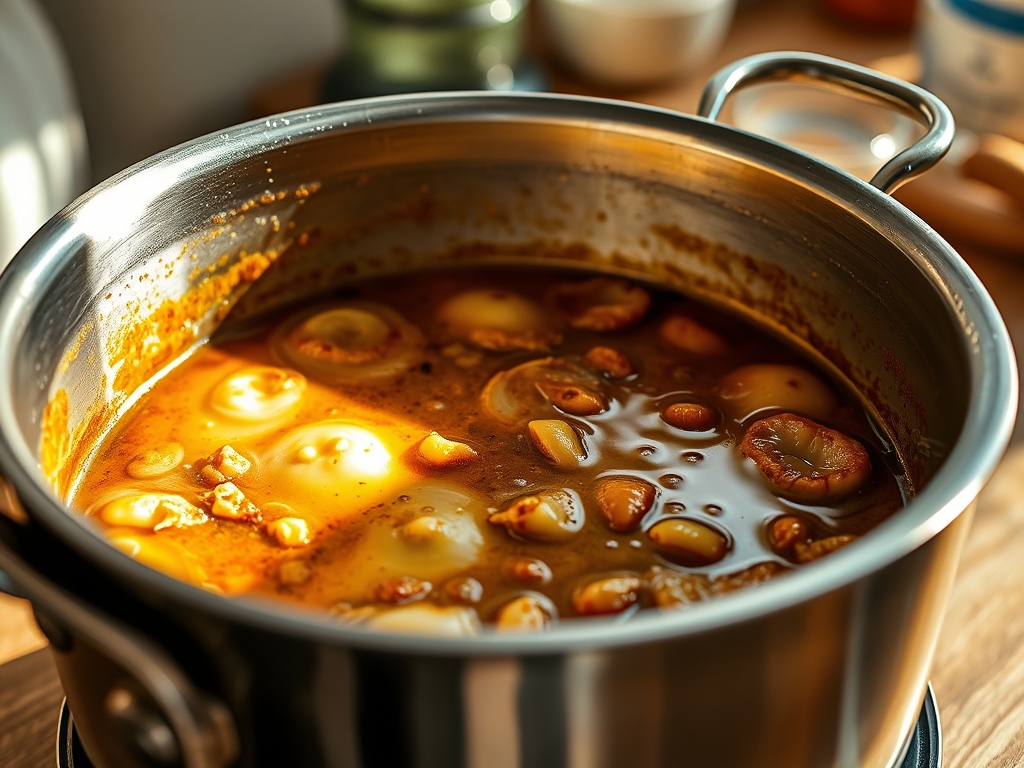
Set a large saucier or wide-bottomed pot with 4 liters of water over high heat. Use a digital scale to measure out 10 grams of kosher salt per liter of water. The goal is to create a saline environment that seasons the pasta from the inside out through osmotic pressure.
Pro Tip: Using a saucier with rounded bottom edges allows for better whisking and prevents the pesto from scorching in the corners. The salt increases the boiling point slightly, but its primary role is flavor penetration.
2. Accelerated Rehydration
Once the water reaches a rolling boil, drop the tortellini. Because refrigerated pasta has a higher moisture content than dried, the rehydration happens rapidly. Set your timer for exactly 2 minutes less than the package instructions.
Pro Tip: Use a spider skimmer instead of a colander. This allows you to transfer the pasta directly into the sauce while retaining a small amount of "liquid gold" (starchy pasta water) which acts as a natural emulsifier.
3. The Emulsion Phase
In a separate pan over low heat, combine the pesto and heavy cream. Do not let this mixture boil; high heat will cause the oil in the pesto to separate from the solids, resulting in a greasy mess. Whisk the mixture until it becomes a viscous, uniform green velvet.
Pro Tip: This is where the science of emulsification shines. The fats in the cream stabilize the oil in the pesto. Use a silicone whisk to aerate the sauce slightly, giving it a lighter mouthfeel.
4. Integration and Glazing
Add the under-cooked tortellini directly into the pesto cream. Increase the heat to medium and toss gently using a bench scraper or wooden spoon to avoid tearing the delicate pasta skins. Add 30ml of pasta water to thin the sauce if it becomes too thick.
Pro Tip: The "Mantura" technique involves the final cook-off in the sauce. The pasta absorbs the flavored liquid as it finishes its hydration cycle, ensuring the sauce clings to the surface rather than sliding off.
5. The Acidic Finish
Remove from heat and stir in the lemon juice and half of the Parmigiano-Reggiano. The acid in the lemon juice acts as a flavor brightener, cutting through the heavy lipids of the cheese and pine nuts. Top with the remaining cheese and toasted pine nuts for textural contrast.
Pro Tip: Residual heat is enough to melt the cheese. If you keep the pan on the flame, the cheese will become stringy and clump together rather than incorporating into a smooth glaze.
Section B: Prep & Timing Fault-Lines:
The most common human error is the "Lag Time" between draining and saucing. If pasta sits in a colander for more than sixty seconds, the surface starches begin to dry and stick, creating a gummy texture. To avoid this, always have your sauce base warmed and ready before the pasta finishes its boil. If your timing is off and the pasta is ready too early, kill the heat on the water but do not drain it; the water will insulate the pasta and prevent sticking until you are ready to integrate.
THE VISUAL SPECTRUM
Section C: Thermal & Visual Troubleshooting:
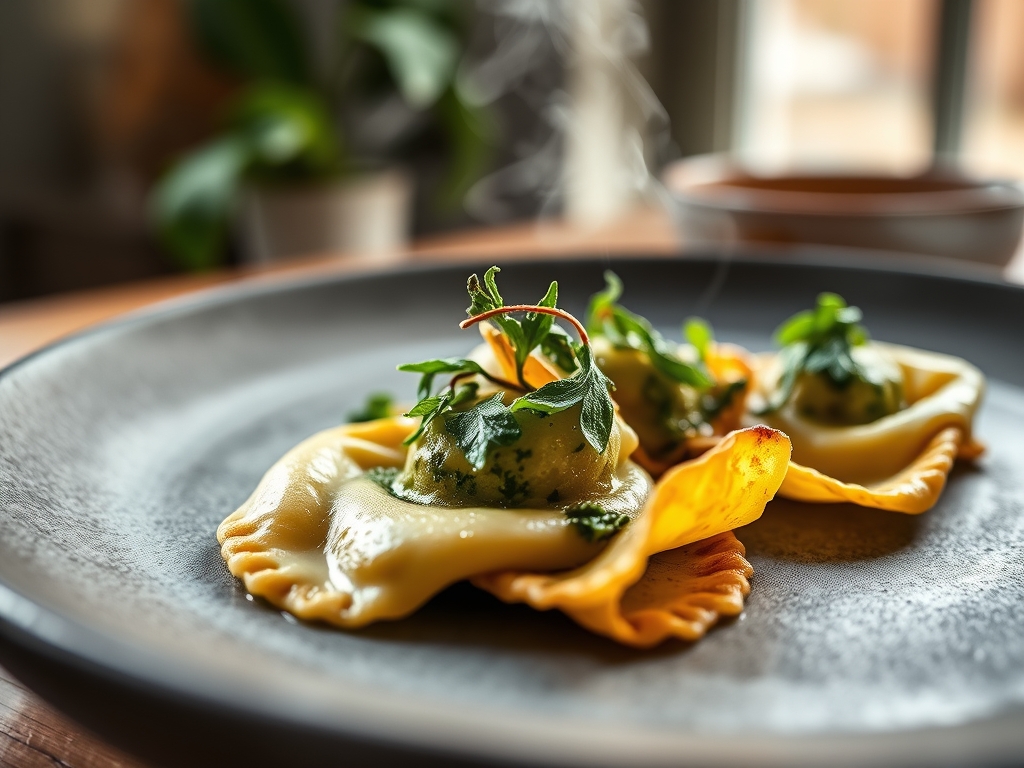
Referencing the Masterclass photo, your final product should exhibit a "Glistening Emerald" hue. If your dish looks dull or olive-drab, you have overheated the pesto, causing the basil to cook. If the sauce looks broken or oily, you missed the emulsification window; add a tablespoon of hot pasta water and whisk vigorously to re-bind the fats. The tortellini should appear plump and taut, not shriveled or bursting. If the edges are jagged, the boil was too violent; reduce to a simmer next time to preserve the structural integrity of the pasta knots.
THE DEEP DIVE
Macro Nutrition Profile:
A standard serving provides approximately 450 calories, 18g of protein, 42g of carbohydrates, and 24g of fats. The high fat content comes primarily from heart-healthy monounsaturated fats in olive oil and pine nuts.
Dietary Swaps:
- Vegan: Use a nutritional yeast-based pesto and a cashew-cream substitute. Replace cheese tortellini with a mushroom-filled vegan variety.
- Keto: Swap tortellini for roasted cauliflower florets or zucchini noodles. Ensure the pesto is sugar-free.
- GF: Utilize high-quality gluten-free tortellini (often found in the frozen section) and increase the sauce volume slightly as GF pasta tends to absorb more liquid.
Meal Prep & Reheating Science:
To maintain molecular structure during reheating, avoid the microwave if possible. The localized high-frequency waves will cause the oil to separate instantly. Instead, use a small skillet with a splash of water or milk. Heat on low and stir constantly to re-emulsify the sauce as it warms.
THE KITCHEN TABLE
Why is my pesto sauce turning brown?
Oxidation is the culprit. The enzymes in basil react with oxygen. To prevent this, store pesto with a thin layer of olive oil on top and always add it to the pasta at the very last second of cooking.
Can I use frozen tortellini for this?
Absolutely. However, frozen pasta requires an additional 2 to 3 minutes of boil time. Do not thaw them before cooking; drop them directly into the boiling water to prevent them from becoming a singular doughy mass.
How do I get that restaurant-quality shine?
The secret is the "Pasta Water Emulsion." The starch released by the pasta into the water acts as a bridge between the oil and the water-based ingredients, creating a glossy, professional-grade glaze that coats every curve of the pasta.
My sauce is too thin, how do I fix it?
Do not add flour. Instead, add more grated Parmigiano-Reggiano or a knob of cold butter. The proteins and fats will thicken the sauce naturally without mucking up the flavor profile or creating a grainy texture.