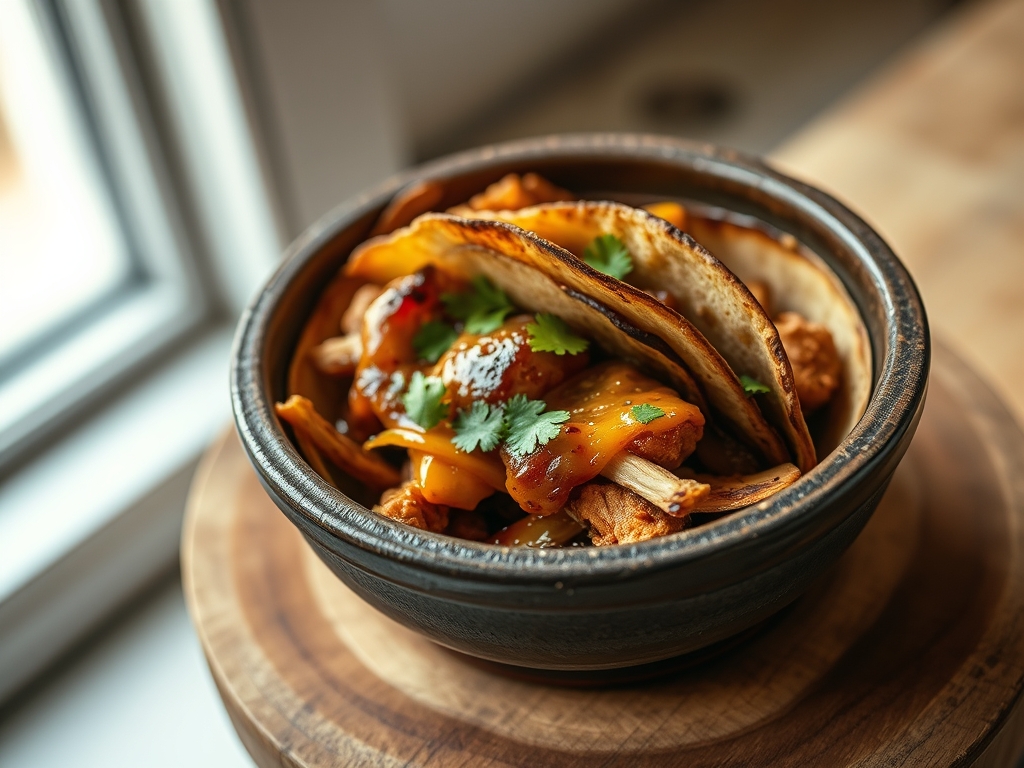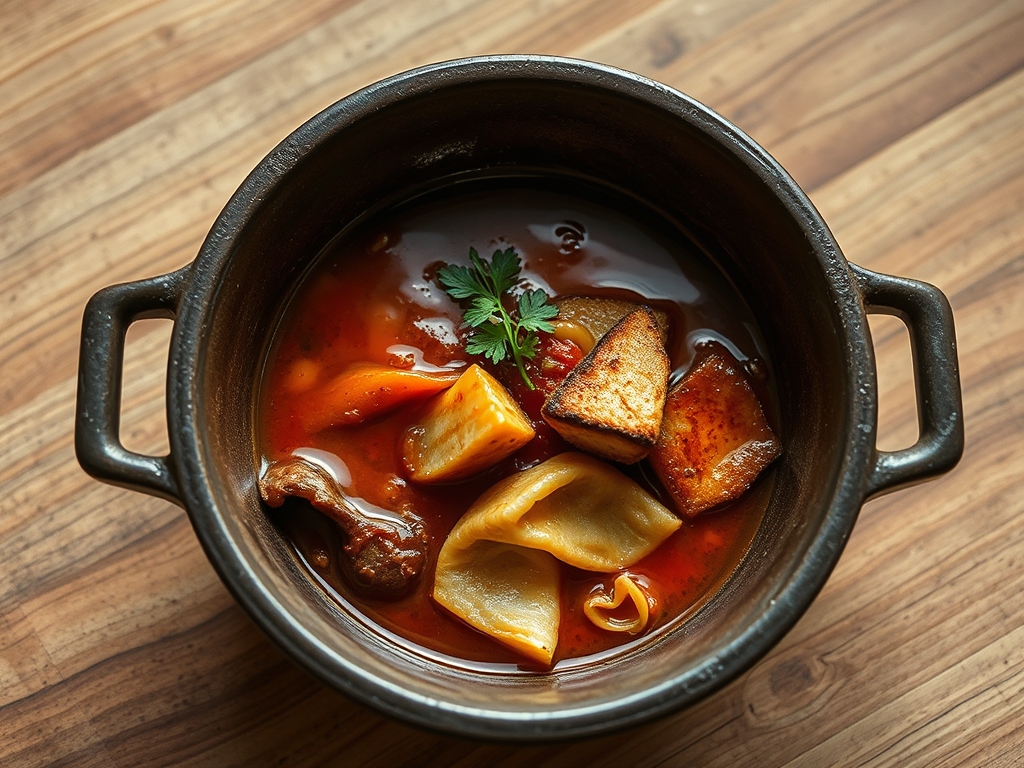
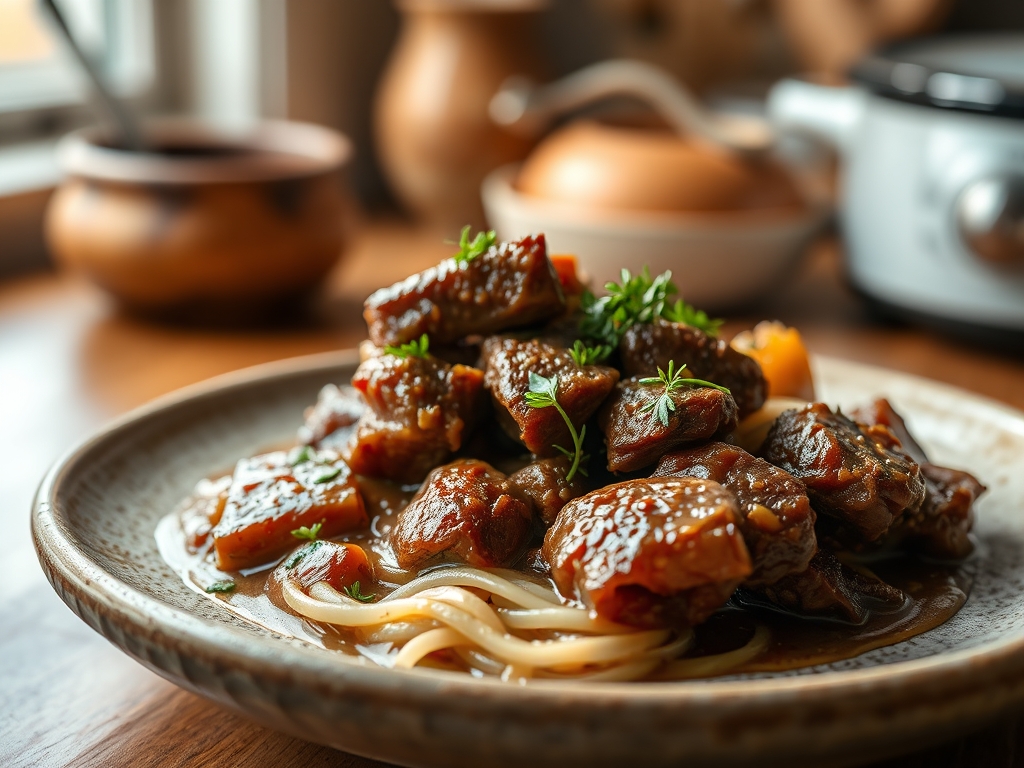
Stop treating your kitchen like a hobbyist playground and start viewing it as a high-output manufacturing facility. We are here to talk about the ultimate asset in your culinary portfolio: the Slow Cooker Beef Stew. This is not just a meal; it is a long-term investment in passive energy cycles where the machine does the heavy lifting while you optimize your life. Imagine walking through your front door to a wall of scent so thick you could carve it with a knife. We are talking about the deep, primal aroma of Maillard-enriched beef and the earthy bass notes of root vegetables that have undergone a total cellular breakdown. The beef should not just be tender; it should be structurally compromised, collapsing at the mere suggestion of a fork. The gravy must be viscous and glossy, coating the back of a spoon with the authority of a five-star reduction. If your current output is a watery, grey disappointment, your system is failing. It is time for a full-scale infrastructure audit to ensure peak gastronomic efficiency.
THE DATA MATRIX
| Metric | Specification |
|---|---|
| Prep Time | 25 Minutes |
| Execution Time | 8 Hours (Low) / 4 Hours (High) |
| Yield | 6 Standard Units (Servings) |
| Complexity | 3 / 10 |
| Estimated Cost per Serving | $4.25 USD |
THE GATHERS
Ingredient Protocol:
- 1.4 kg / 3 lbs Chuck Roast, cubed into 1.5-inch segments.
- 45 ml / 3 tbsp High-smoke point oil (Grapeseed or Avocado).
- 500 g / 1.1 lbs Yukon Gold potatoes, quartered.
- 300 g / 3 large Carrots, peeled and sliced into thick rounds.
- 1 large Yellow Onion, diced.
- 30 g / 2 tbsp Tomato paste.
- 15 ml / 1 tbsp Worcestershire sauce.
- 710 ml / 3 cups Low-sodium beef bone broth.
- 250 ml / 1 cup Dry red wine (Cabernet Sauvignon or Merlot).
- 4 cloves Garlic, smashed and minced.
- 5 g / 1 tsp Dried thyme.
- 2 Bay leaves.
- 30 g / 1/4 cup All-purpose flour (for dredging).
- Fine sea salt and cracked black pepper to taste.
Section A: Ingredient Quality Audit:
Sub-par raw materials are the primary cause of systemic failure. If your beef is too lean, such as a round roast, the lack of intramuscular fat will result in a dry, stringy texture despite the long cook time. Fix: Always select chuck roast for its high collagen content. If your vegetables turn to mush, you have likely used russet potatoes which lack the structural integrity of the waxy Yukon Gold variety. If the flavor profile is flat, your broth is likely the culprit. Technical fix: Infuse your store-bought broth with a parmesan rind or a dash of soy sauce to boost the umami floor.
THE MASTERCLASS
1. The Sear Protocol
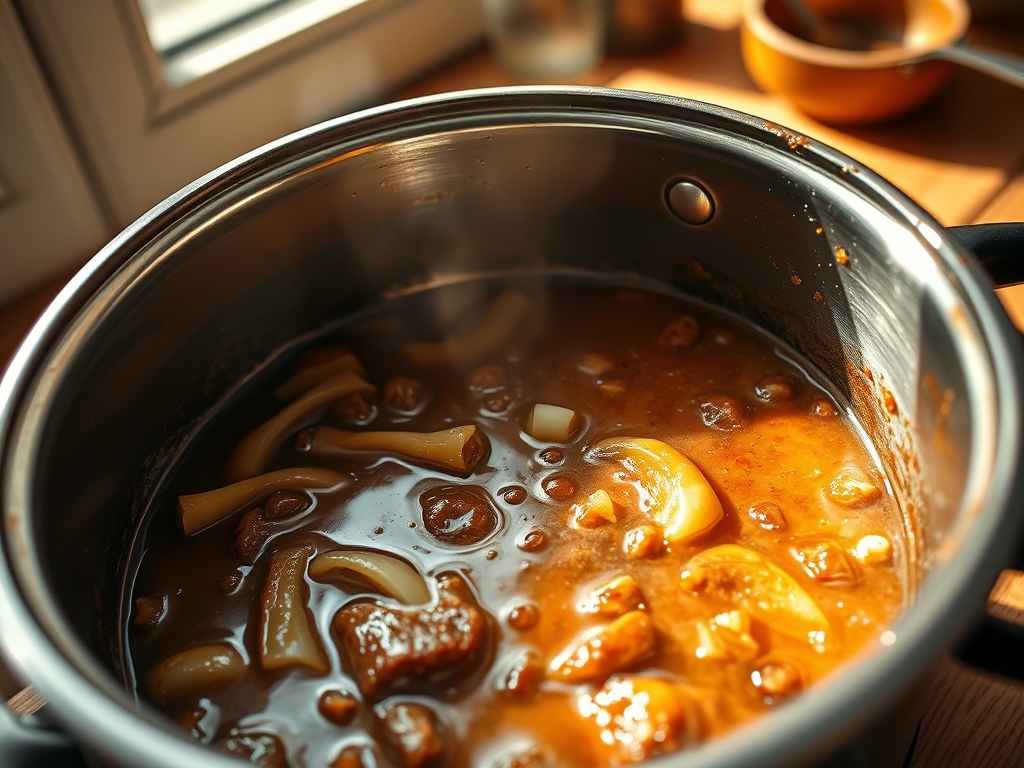
Pat the beef dry with paper towels to remove surface moisture. Dredge the cubes in seasoned flour using a stainless steel mixing bowl. Heat your oil in a heavy-bottomed saucier or cast-iron skillet until it reaches the shimmering point. Sear the beef in batches to avoid crowding the pan, which would lead to steaming rather than browning.
Pro Tip: This stage is all about the Maillard reaction. Use a digital scale to ensure even portions, ensuring that the beef develops a deep mahogany crust. This crust is the foundation of the stew's color and depth.
2. Deglaze and Aromatics
Remove the beef and add the onions to the residual fat. Once translucent, add the garlic and tomato paste, cooking until the paste turns a dark brick red. Pour in the red wine to deglaze the pan, scraping up every brown bit (fond) with a bench scraper or wooden spatula.
Pro Tip: The alcohol in the wine acts as a solvent, releasing flavor compounds that are not water-soluble. Ensure the wine reduces by half to concentrate the acidity and remove the harsh ethanol bite.
3. Loading the Reactor
Transfer the seared beef and the deglazed aromatics into the slow cooker ceramic insert. Add the potatoes, carrots, thyme, and bay leaves. Pour the beef broth and Worcestershire sauce over the top until the solids are mostly submerged but not drowning.
Pro Tip: Use a digital scale to measure your liquid precisely. Too much liquid prevents the sauce from reaching the desired viscous consistency during the reduction phase.
4. The Passive Cycle
Secure the lid and set the device to "Low" for 8 hours. Resist the urge to lift the lid; every time you open the seal, you lose significant thermal energy and add 20 minutes to the cook time.
Pro Tip: Cooking on "Low" allows the collagen in the connective tissue to transform into gelatin slowly. This process is what creates the luxurious mouthfeel that defines a professional-grade Slow Cooker Beef Stew.
5. Final Emulsification
Thirty minutes before serving, check the thickness. If the sauce is too thin, whisk a small amount of the hot liquid with a teaspoon of cornstarch in a separate vessel and stir it back in. Remove the bay leaves before service.
Pro Tip: Use a fine-mesh sieve if you notice any flour clumps. This ensures the final texture is perfectly smooth and homogenized.
Section B: Prep & Timing Fault-Lines:
The most common human error is the "late start" syndrome. Attempting to rush a stew on the "High" setting often results in meat that is technically cooked but hasn't had the time to render its fats properly. If you find yourself behind schedule, do not increase the heat; instead, cut the beef into smaller 0.5-inch cubes to increase surface area and accelerate the breakdown of proteins.
THE VISUAL SPECTRUM
Section C: Thermal & Visual Troubleshooting:
Referencing the Masterclass photo, your stew should exhibit a rich, dark brown hue, not a pale tan. If your stew looks dull, you likely skipped the tomato paste caramelization or failed to achieve a proper sear. If the carrots look shriveled, they were likely cut too thin. They should remain distinct, vibrant orange cylinders. If the surface looks oily, the fats have not been properly emulsified. Solution: Use a fat separator or a chilled spoon to skim the excess lipids from the surface before serving to ensure the visual spectrum remains appetizing and professional.
THE DEEP DIVE
Macro Nutrition Profile:
A standard serving provides approximately 450 calories, 35g of protein, 22g of carbohydrates, and 18g of fat. It is a high-protein, moderate-fat fuel source designed for sustained energy release.
Dietary Swaps:
- Vegan: Replace beef with hearty mushrooms (Portobello or King Oyster) and use vegetable bouillon with a splash of balsamic vinegar for depth.
- Keto: Eliminate the potatoes and flour. Substitute with cauliflower florets added in the last hour of cooking and use xanthan gum as a thickener.
- GF: Use a gluten-free flour blend for the dredging process and verify that your Worcestershire sauce is certified gluten-free.
Meal Prep & Reheating Science:
Slow Cooker Beef Stew is molecularly superior on day two. As the stew cools, the gelatin sets, and the flavors continue to infuse the vegetables. When reheating, do so slowly over low heat to prevent the proteins from tightening and becoming tough. Avoid the microwave if possible; a stovetop reheat maintains the integrity of the sauce's emulsion.
THE KITCHEN TABLE
Why is my beef still tough after 8 hours?
You likely used a cut with insufficient fat or the heat setting was too low to trigger the collagen-to-gelatin conversion. Ensure you are using chuck roast and that the liquid is gently bubbling.
Can I put frozen beef in the slow cooker?
Negative. This creates a food safety hazard by keeping the meat in the "danger zone" temperature range for too long. Always thaw your proteins completely before beginning the sear protocol.
How do I fix a salty stew?
Add a splash of acidity, such as lemon juice or red wine vinegar, to balance the sodium. Alternatively, add more unsalted broth or a peeled, raw potato to absorb some of the excess salt.
Do I really need to sear the meat?
Searing is non-negotiable for flavor. Without it, you miss the complex aromatic compounds produced by the Maillard reaction, resulting in a one-dimensional, "boiled" flavor profile that lacks professional depth.