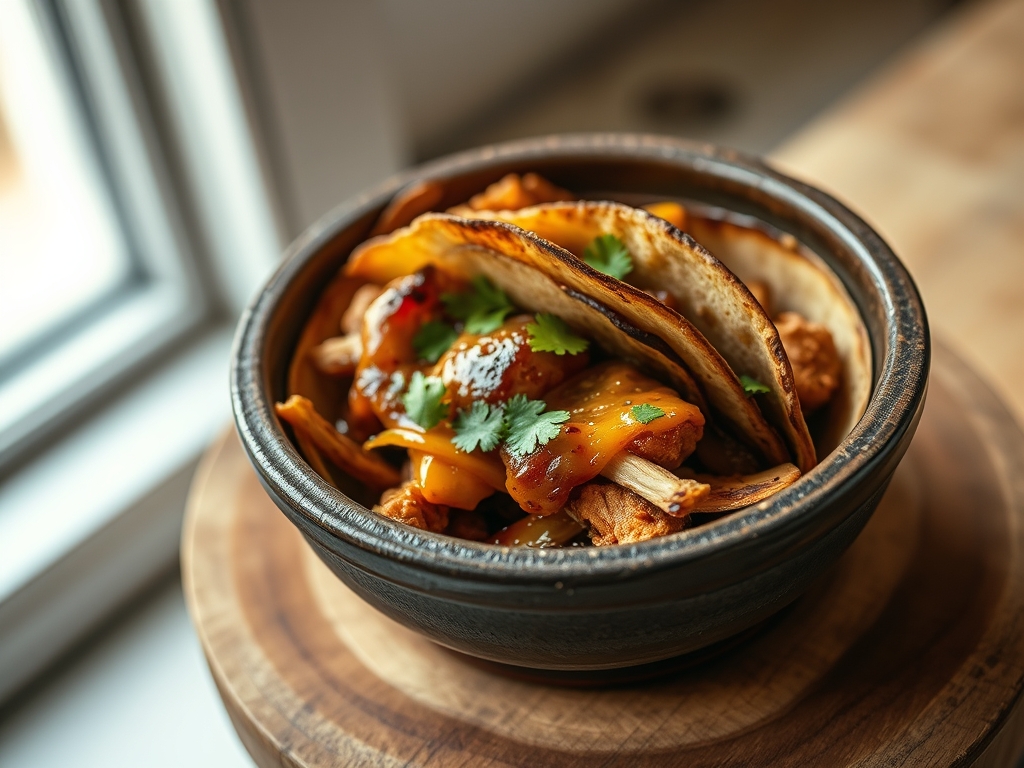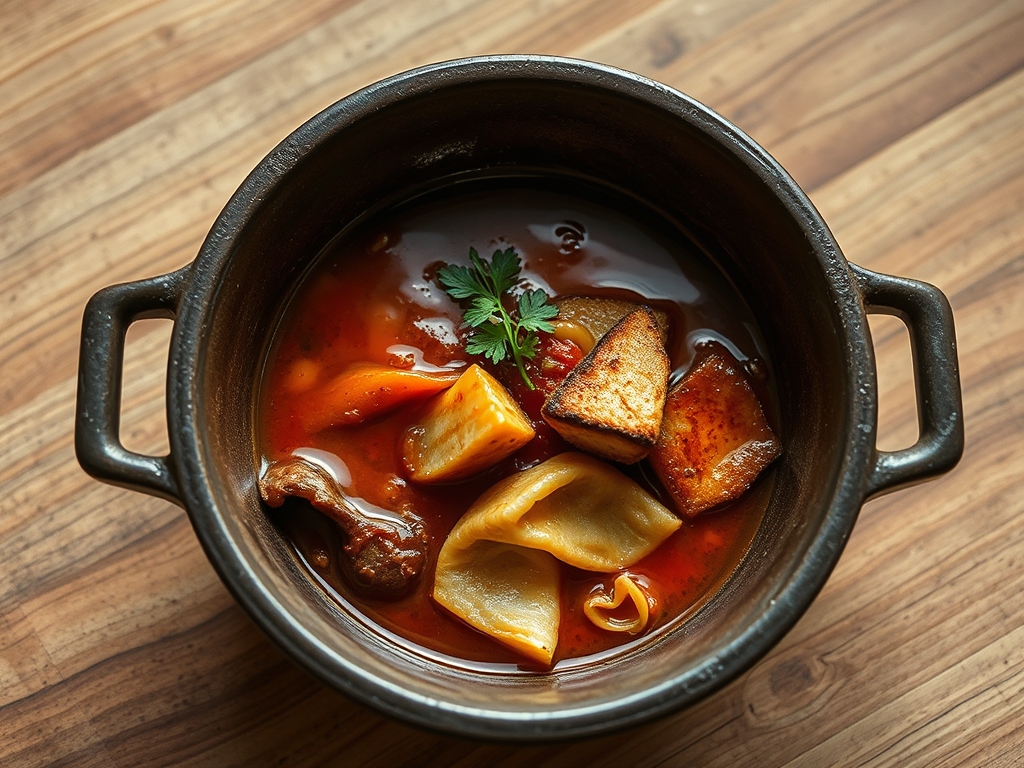
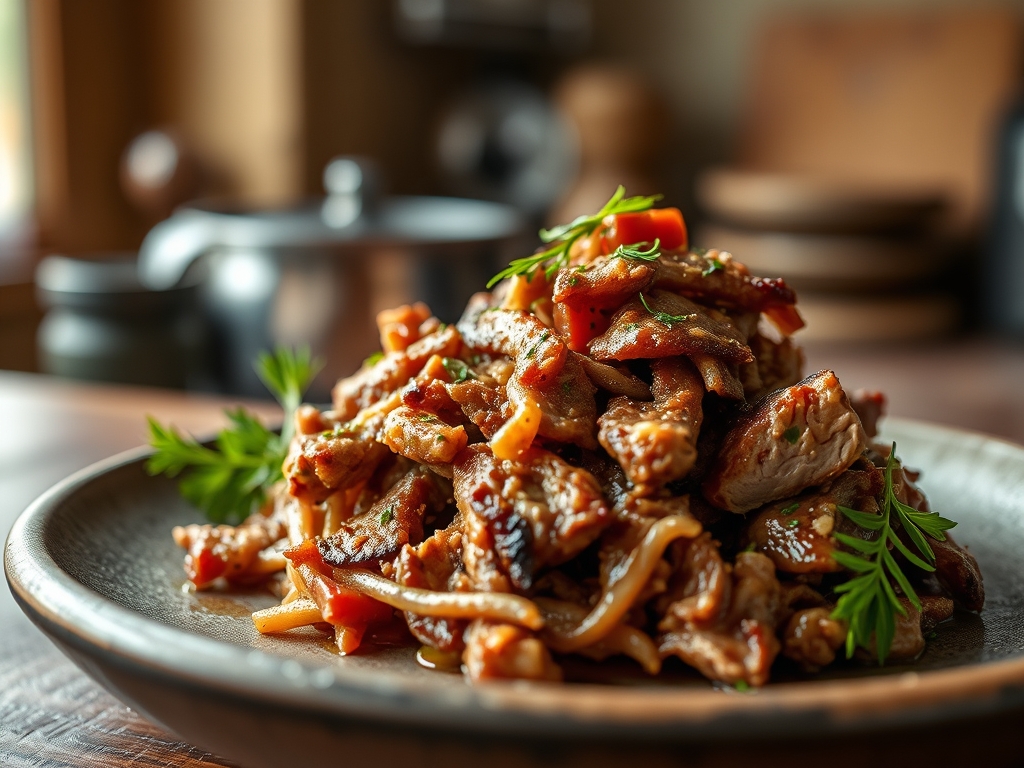
The air in your kitchen is about to become a heavy, humid atmosphere of rendered lipids and aromatic esters. We are not merely making dinner; we are conducting a structural overhaul of a porcine shoulder through the application of sustained, low-intensity thermal energy. Slow Cooker Pulled Pork is the ultimate exercise in patience and molecular transformation. It is the process of taking a tough, connective-tissue-heavy muscle group and forcing a complete cellular collapse. As the internal temperature climbs, the rigid collagen sheaths that bind the muscle fibers begin to melt. They denature and transform into a rich, viscous gelatin that coats every strand of meat in a velvet sheen. This is the magic of the long game. You are the architect of this breakdown, overseeing a transformation that turns a stubborn hunk of protein into a pile of succulent, fork-tender ribbons. Forget the quick sear and the flash fry. Today, we embrace the slow, inevitable victory of time over texture. Prepare your workspace; the audit of your culinary infrastructure begins now.
THE DATA MATRIX
| Metric | Specification |
|---|---|
| Prep Time | 25 Minutes |
| Execution Time | 8 Hours (Low Setting) |
| Yield | 8 to 10 Servings |
| Complexity (1-10) | 3 (Low Technical, High Patience) |
| Estimated Cost per Serving | $1.75 – $2.25 USD |
THE GATHERS
Ingredient Protocol:
- 2.25 kg / 5 lbs Bone-in Pork Butt (Boston Butt)
- 30 g / 2 tbsp Kosher Salt
- 15 g / 1 tbsp Smoked Paprika
- 10 g / 2 tsp Garlic Powder
- 10 g / 2 tsp Onion Powder
- 5 g / 1 tsp Freshly Ground Black Pepper
- 250 ml / 1 cup Apple Cider Vinegar
- 120 ml / 0.5 cup Chicken Bone Broth
- 60 ml / 0.25 cup Worcestershire Sauce
- 100 g / 0.5 cup Brown Sugar (packed)
- 3 Large Yellow Onions (sliced into rounds)
Section A: Ingredient Quality Audit:
The primary failure point in Slow Cooker Pulled Pork is the selection of the wrong cut. If you attempt this with a pork loin, you will end up with a dry, chalky disaster. The loin lacks the intramuscular fat and connective tissue required for a long braise. Always source a Boston Butt or Picnic Shoulder. If your meat appears excessively lean, you must compensate by adding a supplemental fat source like lard or tallow to ensure the fibers do not desiccate. If your spices are older than six months, they have lost their volatile oils. Toast them in a dry saucier for 60 seconds before applying the rub to wake up those dormant flavor compounds.
THE MASTERCLASS
1. The Surface Preparation and Rub Application
Begin by patting the pork shoulder completely dry with lint-free towels. Moisture is the enemy of the initial flavor bond. Use a digital scale to measure your dry rub ingredients precisely; consistency is the hallmark of a professional. Massage the salt, paprika, garlic, onion, and pepper mixture into every crevice of the meat. Let it sit at room temperature for 20 minutes to allow the salt to begin the process of protein denaturation.
Pro Tip: This resting period allows for a "dry brine" effect, where the salt draws out moisture, dissolves into a brine, and is then reabsorbed into the muscle, seasoning the meat deeply rather than just on the surface.
2. The Foundation Layering
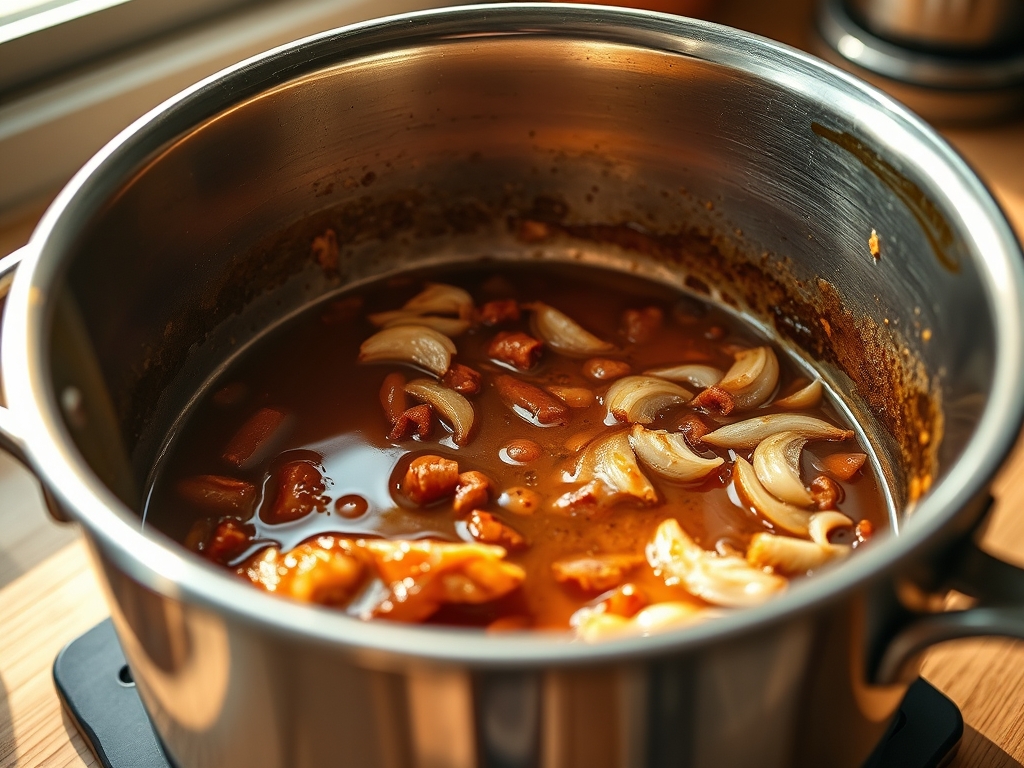
Slice your onions into thick rounds and place them at the bottom of the slow cooker ceramic insert. These act as a natural trivet, preventing the meat from scorching on the bottom heating element while also infusing the liquid with sweetness. Pour your apple cider vinegar, broth, and Worcestershire sauce around the onions, ensuring you do not wash the rub off the top of the pork.
Pro Tip: Using onions as a structural base promotes even heat distribution and prevents the pork from sitting in a pool of grease, which can lead to a "boiled" rather than "braised" flavor profile.
3. The Eight-Hour Thermal Descent
Set your device to "Low" and secure the lid. Do not open the lid for any reason during the first six hours. Every time you peek, you release the accumulated steam and drop the internal temperature, which can add 30 minutes to your total cook time. We are looking for the "stall" to break, where the internal temperature plateaus before the final collagen collapse.
Pro Tip: Professional chefs use a probe thermometer to track the "stall" period, usually occurring between 160F and 170F (71C – 77C), where evaporative cooling slows the cooking process. Patience during this phase is mandatory.
4. The Shred and Emulsification
Once the meat reaches an internal temperature of 205F (96C), remove it carefully. It should be falling apart. Place it on a large cutting board and use a bench scraper or two large forks to pull the meat into strands. Discard excess fat caps and the bone. Return the shredded meat to the slow cooker and toss it with the residual juices to emulsify the fat and vinegar-heavy liquid into a piquant glaze.
Pro Tip: The residual liquid in the pot is liquid gold. If it is too thin, transfer it to a saucier and reduce it by half on the stovetop before reintroducing it to the meat to create a more viscous coating.
Section B: Prep & Timing Fault-Lines:
The most common human error is the "High Heat Shortcut." Setting your slow cooker to "High" to save time often results in the proteins tightening too quickly, squeezing out moisture before the collagen has a chance to melt. This leads to meat that is technically cooked but physically tough. If you find yourself behind schedule, do not crank the heat; instead, wrap the pork in foil (the "Texas Crutch") to accelerate the temperature climb without sacrificing the moisture levels.
THE VISUAL SPECTRUM
Section C: Thermal & Visual Troubleshooting:
Referencing the Masterclass photo, your final product should exhibit a deep mahogany exterior with a glistening, moist interior. If your meat looks gray and washed out, you likely lacked enough paprika or sugar in your rub to facilitate the Maillard reaction or caramelization. If the meat appears "stringy" or dry, it was likely overcooked or left in the "Keep Warm" setting for too long, which continues to dehydrate the fibers. To fix a dull appearance, toss the shredded meat with a splash of fresh apple cider vinegar and a touch of honey; this will infuse the dish with a bright, reflective sheen and a balanced acidity.
THE DEEP DIVE
Macro Nutrition Profile:
A standard 150g serving of Slow Cooker Pulled Pork (without added sugary BBQ sauce) contains approximately 350 calories, 24g of fat, 32g of protein, and 2g of carbohydrates. It is a high-protein, high-fat powerhouse that fits perfectly into various dietary frameworks.
Dietary Swaps:
- Vegan: Replace the pork with young green jackfruit or king oyster mushrooms. Use vegetable broth and vegan Worcestershire sauce. The cooking time reduces significantly to 2 hours.
- Keto: Ensure your rub uses a sugar substitute like erythritol or omit the sugar entirely. The natural fat content of the shoulder is ideal for ketogenic requirements.
- GF: Use a certified gluten-free Worcestershire sauce and ensure your chicken broth is free of grain-based thickeners.
Meal Prep & Reheating Science:
To maintain the molecular structure during reheating, avoid the microwave. The high-intensity waves vibrate water molecules so violently they steam the meat from the inside, resulting in a rubbery texture. Instead, reheat in a covered pan over low heat with a tablespoon of broth to maintain the viscous gelatinous coating.
THE KITCHEN TABLE
Why is my pork still tough after 8 hours?
You likely hit a stubborn stall or the cut had exceptionally high collagen density. Increase the time by 45 minutes. It is almost impossible to overcook pork shoulder in a slow cooker unless you leave it for 12 plus hours.
Can I sear the meat before putting it in?
Absolutely. Searing in a heavy skillet first creates a complex flavor profile through the Maillard reaction. While not strictly necessary for a passive cook, it adds a professional depth of flavor and a darker visual spectrum to the finished product.
Do I need to add more liquid?
No. The pork shoulder will render a significant amount of fat and moisture as it cooks. Adding too much liquid at the start will result in a flavorless, boiled meat texture rather than a concentrated, savory braise. Trust the process.
What is the best way to store leftovers?
Store the pork in an airtight container submerged in its own cooking juices. This prevents oxidation and keeps the meat from drying out. It will stay fresh for up to four days in the refrigerator or three months in the freezer.