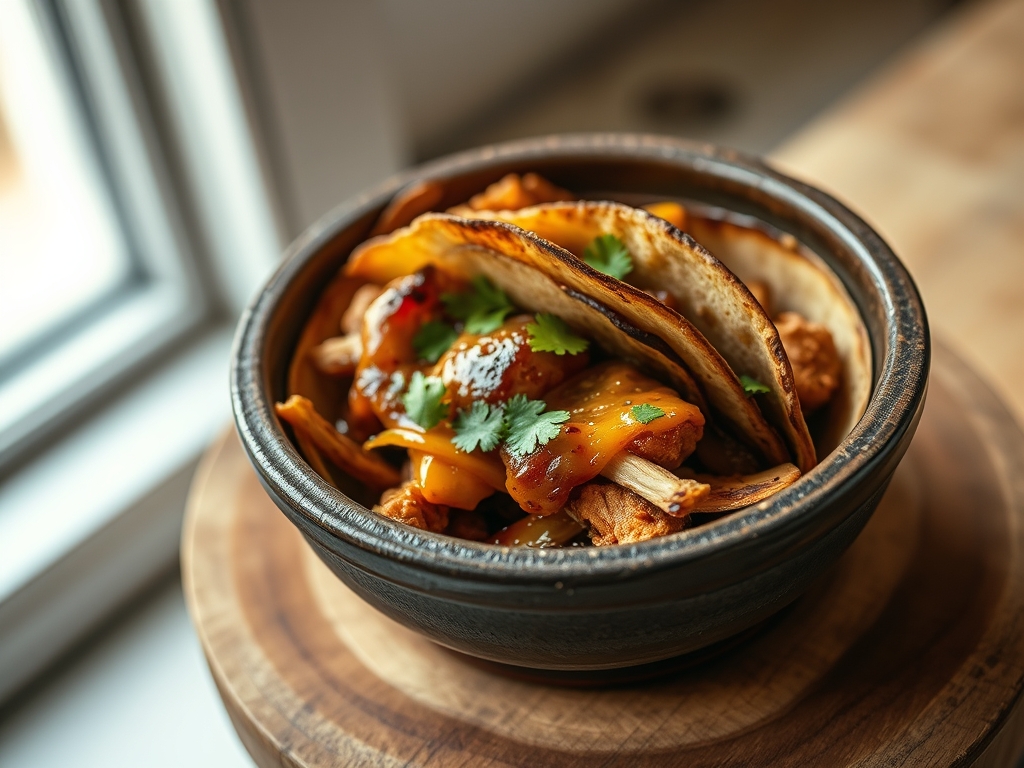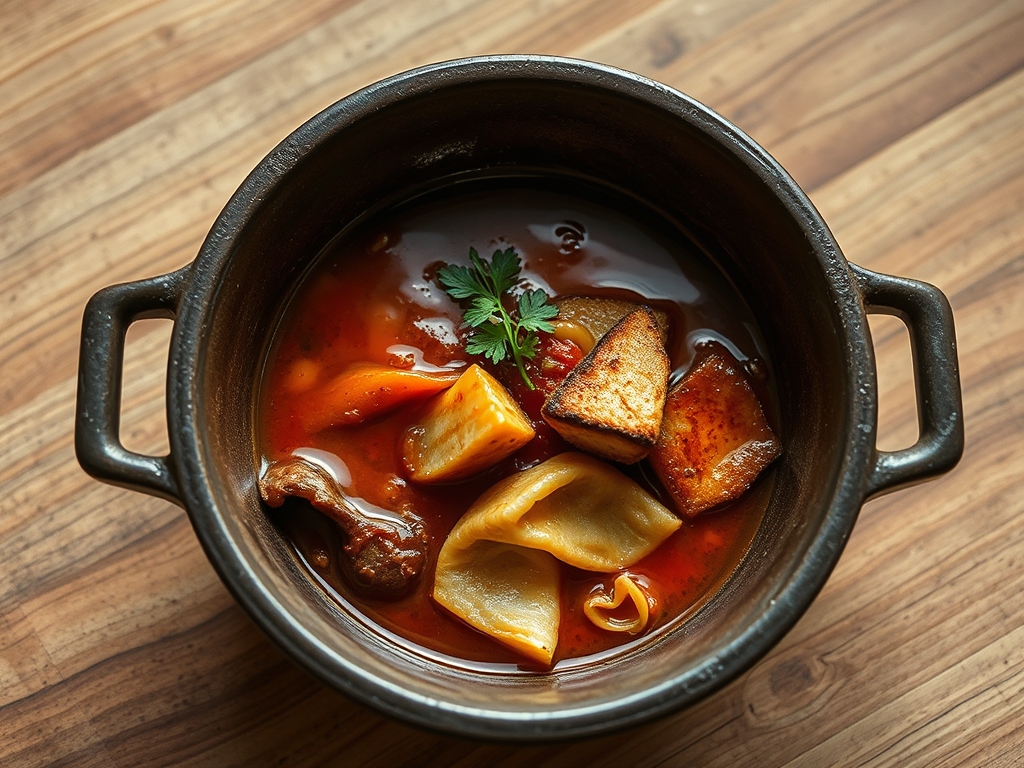
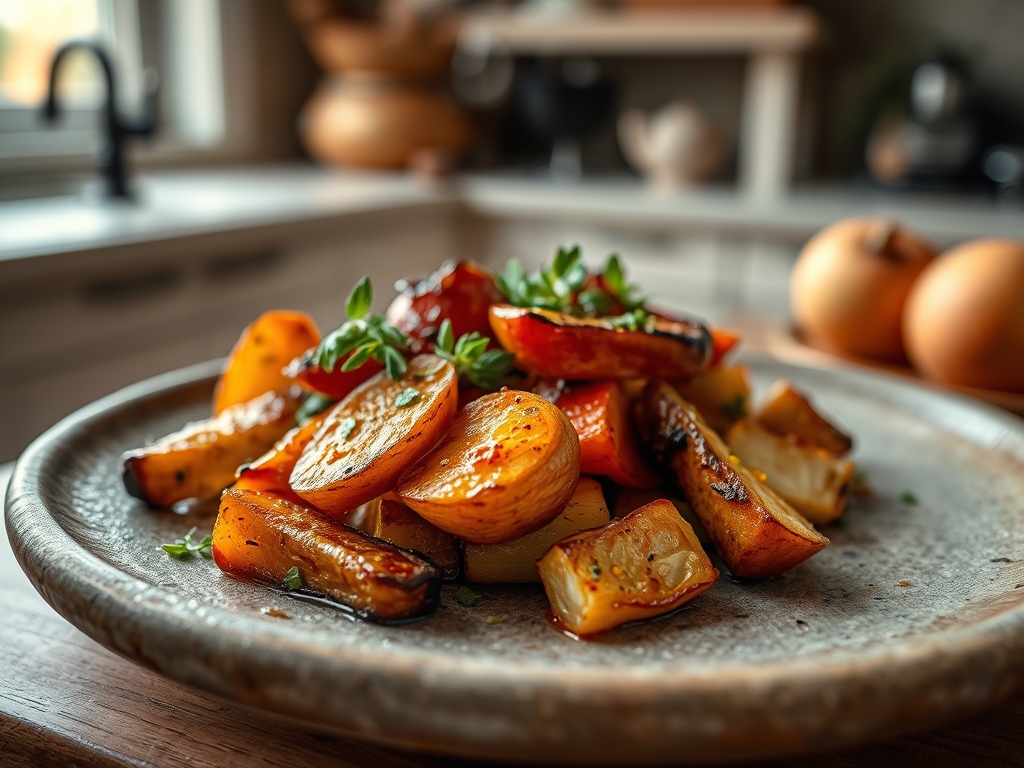
Stop treating your oven as a mere heating box and start viewing it as a high-performance particle accelerator for flavor. We are not just making dinner; we are engineering a Roasted Veggie Batch designed for multi-day dominance. Imagine the scent of Maillard-driven caramelization hitting your nostrils as you pull back the heavy oven door. We are looking for that specific, deep mahogany char that signals the transformation of simple starches into complex sugars. When you master the thermal architecture of a high-volume roast, you unlock the ability to populate five days of meals with a single, high-intensity firing sequence. This is about the physics of heat transfer and the chemistry of moisture evaporation. We want vegetables that have been rendered tender at the core while maintaining a structural integrity that resists the dreaded mush of inferior meal prep. It is time to audit your technique, sharpen your knives, and prepare for a logistical victory that tastes like pure, unadulterated culinary competence.
THE DATA MATRIX
| Metric | Specification |
|---|---|
| Prep Time | 25 mins |
| Execution Time | 45 mins |
| Yield | 8-10 Servings |
| Complexity (1-10) | 4 |
| Estimated Cost per Serving | $1.15 |
THE GATHERS
Ingredient Protocol:
- 1.4 kg / 3 lbs Sweet Potatoes (peeled and cubed)
- 900g / 2 lbs Brussels Sprouts (halved)
- 450g / 1 lb Carrots (bias-cut)
- 2 Large Red Onions (wedged)
- 120ml / 0.5 cup Extra Virgin Olive Oil
- 15g / 1 tbsp Kosher Salt
- 5g / 1 tsp Cracked Black Pepper
- 10g / 2 tsp Smoked Paprika
- 30ml / 2 tbsp Balsamic Vinegar (for finishing)
Section A: Ingredient Quality Audit:
The primary failure point in a Roasted Veggie Batch is the use of high-moisture, "tired" produce. If your carrots feel rubbery or your sprouts are yellowing, you are starting with a structural deficit. To fix flaccid root vegetables, submerge them in an ice-water bath for 20 minutes to restore turgidity through osmotic pressure. If your onions are sprouting, remove the green germ as it contains bitter compounds that will intensify under heat. Always ensure your oil has a high enough smoke point; while extra virgin olive oil is acceptable for 400F, a refined avocado oil is superior for those seeking a more aggressive char without the risk of acrid, oxidized notes.
THE MASTERCLASS
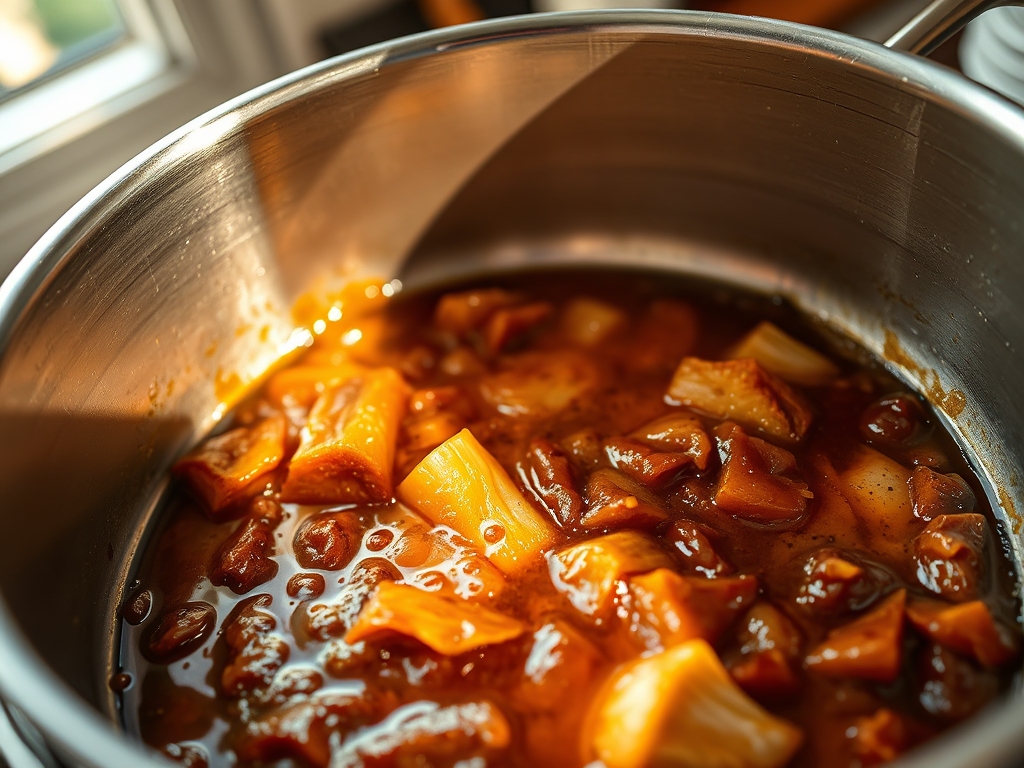
1. Mechanical Sizing and Uniformity
Use a sharp chef knife or a mandoline to ensure every vegetable piece is cut to a uniform specification. For this batch, aim for 2cm cubes for the potatoes and 1cm slices for the carrots. This ensures that the thermal energy penetrates each piece at the same rate, preventing a mix of burnt fragments and raw centers.
Pro Tip: Use a digital scale to weigh your prep. Consistency in mass leads to consistency in cook time. Professional kitchens rely on standardized weights to ensure the thermal load on the oven remains constant across different batches.
2. The Emulsified Coating Phase
In a large stainless steel mixing bowl, toss your vegetables with the oil and spices. Do not simply drizzle; you must massage the oil into the crevices of the vegetables. This creates a thin, hydrophobic barrier that prevents the vegetables from steaming in their own juices and encourages even browning.
Pro Tip: Use a bench scraper to efficiently transfer your seasoned vegetables from the bowl to the sheet pans. This tool ensures you do not leave behind the concentrated "slurry" of spices and oil at the bottom of the bowl.
3. Strategic Pan Geometry
Distribute the vegetables across two heavy-duty rimmed baking sheets. Crowding is the enemy of the Maillard reaction. If the vegetables are touching, they will release steam and boil rather than roast. You need at least 1cm of "airspace" between pieces to allow for proper convection.
Pro Tip: A heavy-gauge half-sheet pan (aluminum) is the industry standard. It provides superior heat conduction compared to thin, non-stick grocery store pans, which often warp and cause uneven "hot spots" in your Roasted Veggie Batch.
4. High-Intensity Thermal Processing
Slide the pans into a preheated 205C / 400F oven. Position the racks in the upper and lower thirds of the oven. Halfway through the 45-minute cycle, rotate the pans 180 degrees and swap their rack positions. This compensates for the directional heat flow of home ovens.
Pro Tip: Use an infrared thermometer to check the surface temperature of your pans. You want the metal to be screaming hot. This immediate heat transfer helps render the natural sugars in the vegetables into a deep, viscous glaze.
5. The Acidic Deglaze and Finish
Once the vegetables are tender and charred, remove them from the oven. While they are still sizzling, drizzle with the balsamic vinegar. The residual heat will cause the vinegar to flash-evaporate, leaving behind a piquant reduction that cuts through the richness of the oil.
Pro Tip: Transfer the hot vegetables to a saucier if you plan on tossing them with additional fresh herbs. The rounded bottom of the saucier allows for better aeration and prevents the vegetables from breaking apart during the final toss.
Section B: Prep & Timing Fault-Lines:
The most common human error is "The Peek." Every time you open the oven door to check your Roasted Veggie Batch, you drop the internal temperature by 25 to 50 degrees. Trust your timer and your nose. Another fault-line is failing to account for "carry-over cooking." Vegetables continue to soften for 5 minutes after leaving the oven. If they are perfectly soft in the oven, they will be mushy by the time they hit the table. Pull them when they have a slight "al dente" resistance.
THE VISUAL SPECTRUM
Section C: Thermal & Visual Troubleshooting:
Look at the Masterclass photo. Notice the high-contrast "blistering" on the sweet potatoes and the dark, crispy outer leaves of the Brussels sprouts. If your batch looks pale and "sweaty," your oven temperature was likely too low or your pan was overcrowded. If the edges are black but the centers are hard, your rack was too close to the heating element. To fix a dull appearance, infuse a small amount of honey into your oil next time; the extra glucose will accelerate the browning. If the colors look "muddy," you likely over-mixed the red onions with the lighter vegetables, allowing the anthocyanin pigments to bleed.
THE DEEP DIVE
Macro Nutrition Profile
A standard 200g serving of this Roasted Veggie Batch provides approximately 180 calories, 9g of healthy fats, 24g of complex carbohydrates, and 6g of dietary fiber. It is a micronutrient powerhouse, loaded with Vitamin A, Vitamin C, and potassium.
Dietary Swaps
- Vegan: Already compliant. Ensure your balsamic vinegar does not use animal-derived fining agents.
- Keto: Replace sweet potatoes and carrots with cauliflower florets, radishes, and zucchini. Reduce the balsamic vinegar as it contains concentrated sugars.
- GF: Naturally gluten-free. Always check that your dried spices are not processed in a facility with wheat cross-contamination.
Meal Prep & Reheating Science
To maintain the molecular structure during storage, cool the vegetables completely on the pan before transferring them to airtight glass containers. This prevents condensation from forming, which would turn the crispy exteriors into soggy sponges. When reheating, avoid the microwave. The microwave agitates water molecules, causing steam to explode from the inside out. Instead, use an air fryer or a hot skillet to re-crisp the exterior and maintain that essential textural contrast.
THE KITCHEN TABLE
How do I prevent the vegetables from sticking?
Ensure your pans are preheated or well-oiled. Use a thin metal spatula to "release" the vegetables only after they have developed a crust. If you flip them too early, the Maillard-bonded layer will stay stuck to the pan.
Can I roast frozen vegetables this way?
It is difficult. Frozen vegetables have compromised cell walls that leak moisture rapidly. If you must use frozen, roast them at a higher temperature (425F) directly from the freezer to evaporate moisture before they can turn into mush.
Why are my carrots always tougher than the potatoes?
Carrots have a denser cellular structure. To fix this, cut carrots into smaller "coins" or thin bias-cuts while keeping the potatoes in larger cubes. This balances the "thermal resistance" so they finish simultaneously.
What is the best way to add garlic?
Never add minced garlic at the start. It will burn and turn bitter long before the potatoes are done. Instead, add whole, smashed cloves halfway through, or toss the finished batch with a garlic-infused oil.