Forget the soggy, uninspired grain salads of yesteryear. We are entering the realm of high-performance culinary architecture. When we talk about Prepped Quinoa Bowls, we are not just discussing a meal; we are discussing a modular infrastructure designed for maximum nutrient density and peak sensory impact. Imagine the sharp, piquant snap of pickled shallots cutting through the earthy, nutty density of perfectly toasted pseudo-grains. Picture a vibrant array of roasted cruciferous vegetables, their edges charred to a deep mahogany, releasing a smoky aroma that signals the successful completion of the Maillard reaction. This is a system of flavor delivery that demands precision. We are looking for a structural integrity that holds up under the weight of a viscous lemon-tahini dressing without collapsing into a mushy heap. Every component must be distinct, every texture intentional, and every bite a calculated explosion of micro and macro nutrients. We are building a foundation for your week, turning the humble kitchen into a laboratory of efficiency where speed meets uncompromising quality. Strap in, because we are about to audit your prep process from the ground up.
THE DATA MATRIX
| Metric | Specification |
|---|---|
| Prep Time | 25 Minutes |
| Execution Time | 15 Minutes |
| Yield | 4 Robust Servings |
| Complexity (1-10) | 3 (Process Driven) |
| Estimated Cost per Serving | $3.25 USD |
THE GATHERS
Ingredient Protocol:
- Dry White Quinoa: 185g / 1 cup
- Filtered Water or Vegetable Stock: 475ml / 2 cups
- Lacinato Kale (De-stemmed and Chiffonade): 150g / 1 large bunch
- Sweet Potato (1cm Cubes): 400g / 2 medium tubers
- Chickpeas (Rinsed and Dried): 425g / 1 can
- Extra Virgin Olive Oil: 60ml / 4 tbsp
- Tahini (Hulled): 60ml / 1/4 cup
- Fresh Lemon Juice: 30ml / 2 tbsp
- Maple Syrup: 15ml / 1 tbsp
- Smoked Paprika: 5g / 1 tsp
- Kosher Salt: 8g / 1.5 tsp
Section A: Ingredient Quality Audit:
The primary failure point in Prepped Quinoa Bowls is the grain itself. If your quinoa smells bitter or "soapy," you have failed to neutralize the saponins, which are natural chemical defenses on the seed coat. The technical fix is a high-pressure rinse in a fine-mesh sieve until the water runs crystal clear. Furthermore, if your kale feels limp, it lacks turgor pressure. Revive it by submerging the leaves in an ice bath for ten minutes before slicing. This rehydrates the cellular walls, ensuring a crisp mouthfeel. Finally, ensure your tahini is not separated; if the oil has risen to the top, use a small immersion blender to re-emulsify the mixture into a smooth, homogenous paste.
THE MASTERCLASS
1. Thermal Activation of Grains
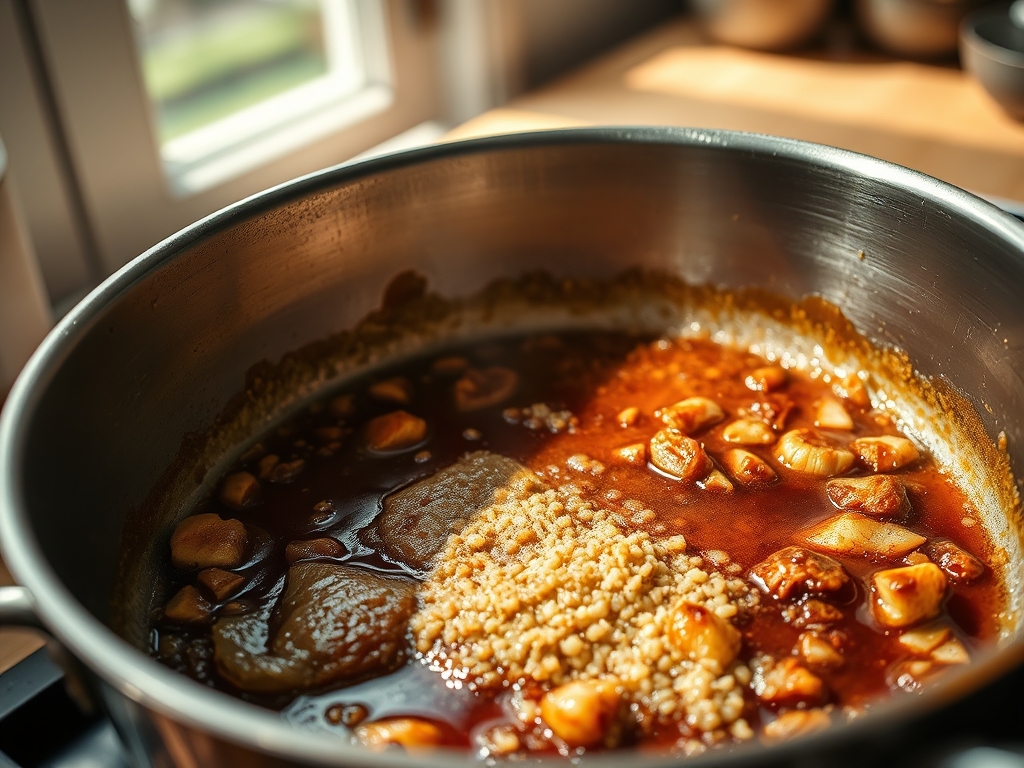
Place your rinsed quinoa into a heavy-bottomed saucier. Before adding liquid, toast the grains over medium heat for three minutes, stirring constantly with a silicone spatula. You are looking for a faint nutty aroma and a slight golden hue. This step dries the exterior of the grain, preventing it from bursting and becoming mushy during the hydration phase.
Pro Tip: Toasting the grain triggers a mild Maillard reaction on the seed coat, which adds depth to the flavor profile and ensures the grains remain individual and distinct rather than clumping.
2. Precision Hydration
Add your 475ml of liquid and a pinch of salt to the saucier. Bring to a rolling boil, then immediately reduce to the lowest possible simmer. Cover with a tight-fitting lid. Set a timer for 15 minutes. Once the timer expires, remove from heat but do not open the lid. Let it sit for five minutes to allow the steam to finish the cook.
Pro Tip: Use a digital scale to measure your water rather than a measuring cup for 100% accuracy. Water weight in grams equals milliliters, ensuring the perfect 1:2 ratio every single time.
3. High-Surface Area Roasting
Toss your cubed sweet potatoes and chickpeas in olive oil, paprika, and salt. Spread them across a heavy-duty rimmed baking sheet. Ensure no overlap; crowding the pan creates steam, which prevents browning. Roast at 200C (400F) for 25 minutes, tossing halfway through with a bench scraper or metal spatula to ensure even heat distribution.
Pro Tip: Achieving a "crisp" chickpea requires the removal of excess moisture. Pat them dry with a lint-free towel before oiling to ensure the oil can effectively render any remaining surface water and create a crunch.
4. Enzymatic Softening of Greens
Place your chiffonade kale in a large mixing bowl. Add a teaspoon of olive oil and a pinch of salt. Using your hands, aggressively massage the kale for two minutes until the leaves darken and become tender. You are physically breaking down the tough cellulose fibers and lignins.
Pro Tip: Massaging the kale infuses the oil into the leaf structure, making it more palatable and easier to digest while reducing the overall volume for better bowl integration.
5. Emulsification of the Dressing
In a small glass bowl, whisk together the tahini, lemon juice, maple syrup, and a splash of warm water. Whisk vigorously until the mixture transforms from a broken, curdled appearance to a smooth, viscous cream. Adjust the consistency with water until it ribbons off the whisk.
Pro Tip: Tahini is an emulsion of oil and solids. Adding acidic lemon juice can cause it to "seize" initially. Adding warm water slowly helps to aerate and stabilize the emulsion for a silky finish.
Section B: Prep & Timing Fault-Lines:
The most common human error is the "mush factor" caused by improper cooling. Never pack warm quinoa into an airtight container. This traps steam, which continues to cook the grain, leading to a structural collapse. Spread the cooked quinoa on a flat tray to cool rapidly to room temperature before assembly. Additionally, if your sweet potatoes are soft rather than caramelized, your oven calibration might be off. Use an external oven thermometer to verify that "400F" is actually 400F.
THE VISUAL SPECTRUM
Section C: Thermal & Visual Troubleshooting:
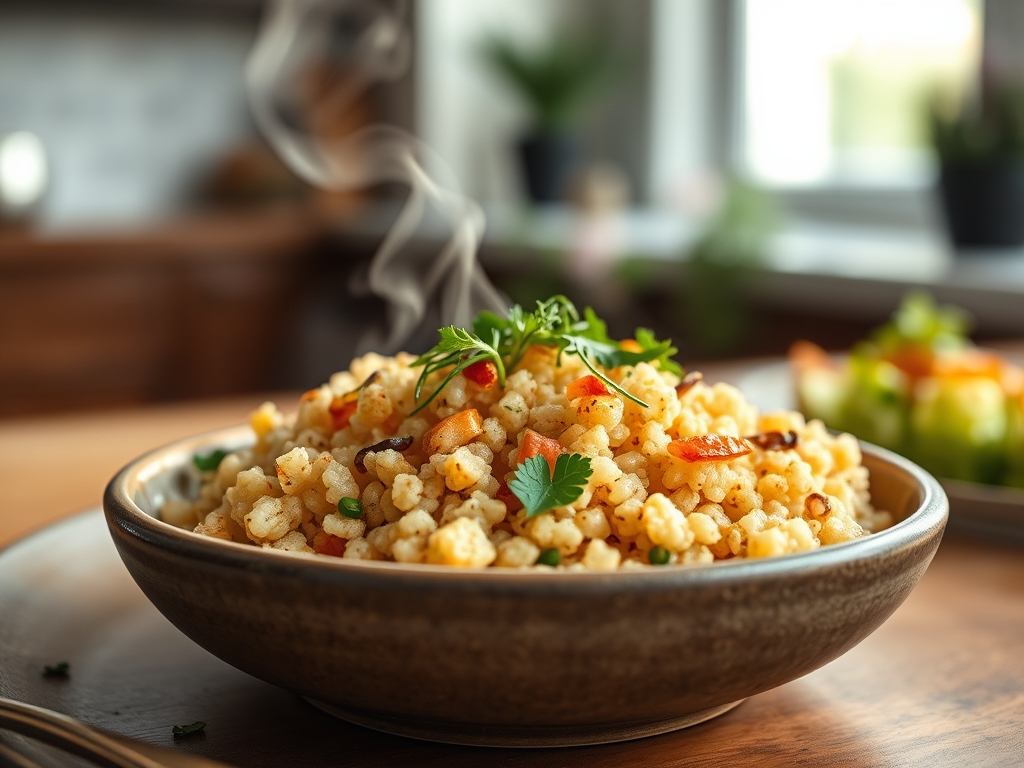
Look at the Masterclass photo above. Notice the distinct "tails" on the quinoa; this indicates the germ has separated perfectly, signifying a correct cook. If your bowls look dull, you have neglected the "acid hit." A final squeeze of lemon juice or a sprinkle of sumac provides a visual and flavor brightness that wakes up the earthy tones. If your roasted vegetables look pale, you likely used too much oil, which boiled the vegetables rather than roasting them. Use just enough to coat. The chickpeas should appear matte and slightly cracked, which is the visual cue for a shattering crunch. If the kale looks grey, it has been over-massaged or sat in acid for too long; aim for a vibrant forest green.
THE DEEP DIVE
Macro Nutrition Profile:
Each serving provides approximately 480 calories, 16g of plant-based protein, 65g of complex carbohydrates, and 18g of healthy fats. The fiber content is exceptional, hovering around 12g per serving, which aids in sustained glucose release.
Dietary Swaps:
- Vegan: This protocol is inherently vegan.
- Keto: Replace quinoa with riced cauliflower and swap sweet potatoes for roasted radishes or zucchini.
- GF: Quinoa is naturally gluten-free; ensure your spices are certified.
Meal Prep & Reheating Science:
To maintain molecular structure, store the dressing separately. When reheating, add a teaspoon of water to the quinoa and cover with a damp paper towel. This creates a localized steam environment that rehydrates the starch granules without making them soggy.
THE KITCHEN TABLE
Why is my quinoa always bitter?
You are skipping the rinse. Quinoa is coated in saponins to deter pests. Use a fine-mesh strainer and cold water to scrub the grains for 60 seconds. This removes the bitter defense mechanism and improves the final flavor profile.
Can I use red or black quinoa instead?
Yes, but increase the simmer time by 3-5 minutes. Pigmented quinoa has a thicker bran coat, providing a toothsome, "popping" texture. They hold their shape better in long-term cold storage compared to the softer white variety.
My tahini dressing turned into a thick paste. Help!
Tahini is highly reactive to liquid. If it seizes, don't panic. Continue adding warm water one teaspoon at a time while whisking. It will eventually break and then smooth out into a perfectly creamy, pourable consistency.
How long will these bowls stay fresh?
When stored in airtight glass containers, the components remain structurally sound for 4 to 5 days. Keep the dressing separate and apply just before consumption to prevent the kale from becoming overly wilted or the quinoa from absorbing too much liquid.