Precision is the only currency that matters in a high-velocity kitchen environment. We are not merely assembling food; we are engineering a portable ecosystem designed to survive the harsh transition from the refrigerator to the boardroom. The concept of Modular Snack Boxes represents the pinnacle of culinary logistics. It is a symphony of moisture management and structural integrity where every component must perform its role without compromising the neighboring cell. Imagine the crunch of a perfectly hydrated vegetable baton against the viscous glide of a high-fat emulsion. This is where flavor meets infrastructure. When you open that lid, you are witnessing the result of a calculated caloric distribution. If your prep feels like a chaotic scramble, you have failed the audit. We are here to rectify that through rigorous component analysis and a relentless focus on the Maillard reaction and enzymatic stability. Let us dismantle the traditional snack and rebuild it as a masterpiece of modular efficiency.
THE DATA MATRIX
| Metric | Specification |
|---|---|
| Prep Time | 45 Minutes |
| Execution Time | 20 Minutes |
| Yield | 6 Modular Units |
| Complexity (1-10) | 4 |
| Estimated Cost per Serving | $3.25 |
THE GATHERS
Ingredient Protocol:
- Protein Base: 500g / 1.1 lbs Chicken Breast or Firm Tofu.
- Aromatic Infusion: 15ml / 1 tbsp Toasted Sesame Oil.
- The Emulsion: 120ml / 0.5 cup Greek Yogurt or Tahini.
- Acid Component: 30ml / 2 tbsp Fresh Lime Juice.
- Fibrous Infrastructure: 300g / 2 cups Sliced Bell Peppers and Cucumber.
- Complex Carbohydrate: 200g / 1 cup Pre-cooked Quinoa or Farro.
- Piquant Element: 5g / 1 tsp Red Pepper Flakes.
Section A: Ingredient Quality Audit:
The primary failure point in Modular Snack Boxes is often the hygroscopic nature of the raw materials. If your vegetables are flaccid, they have lost cellular turgor pressure. To fix this, submerge sliced produce in an ice-water bath for ten minutes to restore crispness through osmotic pressure. If your protein feels "rubbery," you have likely over-rendered the connective tissue or failed to account for carry-over cooking. Always use a digital scale for your marinades to ensure the salinity levels do not denature the proteins prematurely; this prevents the dreaded "mushy" texture common in poorly prepped poultry.
THE MASTERCLASS
1. Thermal Protein Optimization
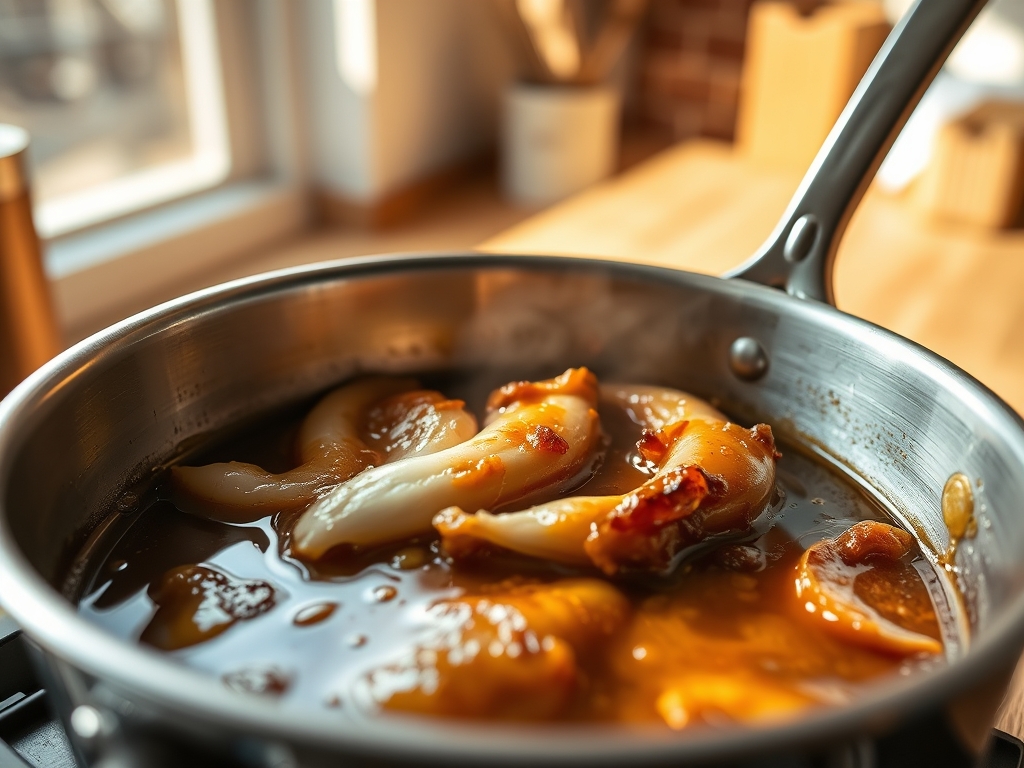
Begin by searing your protein in a heavy-bottomed saucier or cast-iron skillet. You are looking for a deep, golden-brown crust. This is the Maillard reaction in action; it is the chemical dance between amino acids and reducing sugars that creates complex flavor profiles.
Pro Tip: Use a digital scale to portion your protein exactly. Consistency in mass ensures that every piece reaches the target internal temperature at the same time, preventing localized overcooking.
2. Emulsion Stabilization
In a stainless steel mixing bowl, whisk your yogurt or tahini with the lime juice and spices. You are creating a stable emulsion. The acid in the lime juice helps to partially denature the proteins in the dairy, creating a more viscous and clingy sauce that won't separate during storage.
Pro Tip: Introduce the oil in a slow, steady stream while whisking vigorously to aerate the mixture. This creates a lighter mouthfeel and ensures the flavors are evenly distributed.
3. Structural Assembly and Zoning
Deploy your bench scraper to move your precision-cut vegetables into the designated compartments of your Modular Snack Boxes. Keep the high-moisture items (like cucumbers) physically separated from the dry components (like quinoa) to prevent moisture migration, which leads to soggy grains.
Pro Tip: Use the "barrier method" by placing a small piece of parchment paper or a silicone divider between textures. This maintains the structural integrity of the snack for up to four days.
Section B: Prep & Timing Fault-Lines:
The most common human error is the "hot-pack" mistake. Placing warm protein directly into a sealed box creates a miniature greenhouse. The resulting condensation will ruin your textures. Always allow proteins to reach room temperature on a wire rack before assembly. This prevents the steam from trapped moisture from wilting your crisp vegetables. Furthermore, if your grains are clumping, you likely skipped the "fluffing" stage; use a fork to separate the grains while they are still warm to ensure they remain distinct and light once chilled.
THE VISUAL SPECTRUM
Section C: Thermal & Visual Troubleshooting:
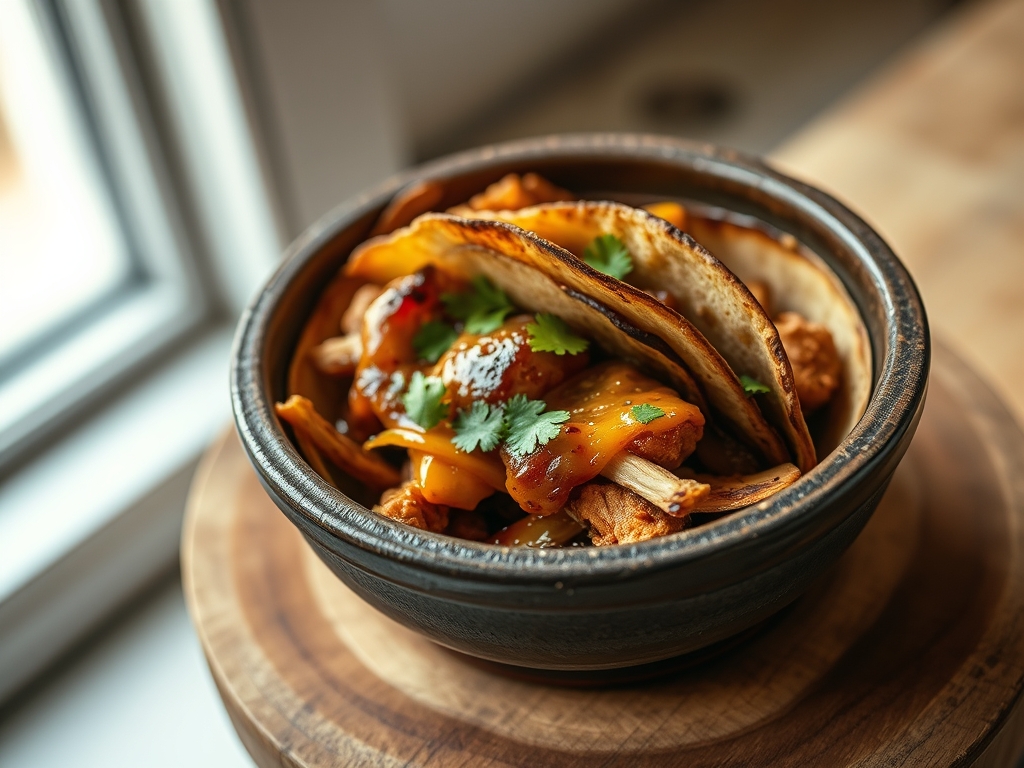
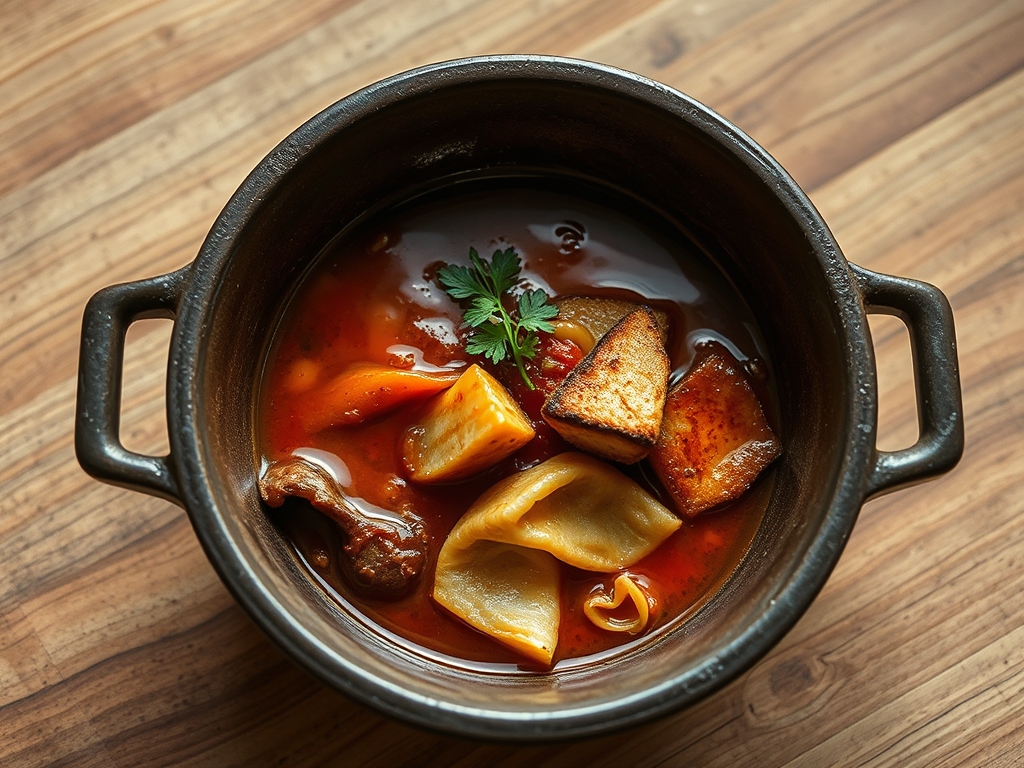
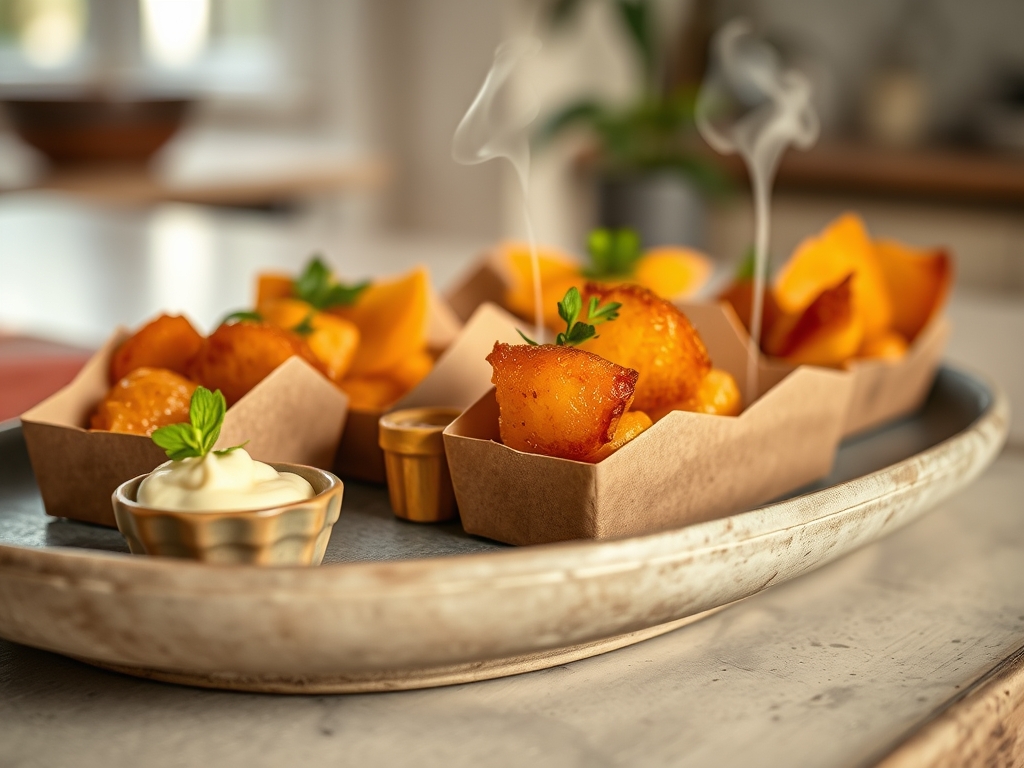
Referencing the Masterclass photo, notice the vibrant contrast between the charred protein and the translucent vegetables. If your protein looks gray rather than brown, your pan temperature was too low; you steamed the meat instead of searing it. To fix this, ensure the pan is at the smoke point of your oil before adding ingredients. If your greens look dull or "olive" colored, they have been exposed to acid for too long. Keep your piquant dressings in a separate, smaller container within the box. The visual goal is a high-definition separation of colors; this indicates that the enzymes are still stable and the nutrients are intact.
THE DEEP DIVE
Macro Nutrition Profile:
Each box is engineered for a balanced distribution: 35g Protein, 12g Healthy Fats, and 45g Complex Carbohydrates. This ratio is designed to prevent insulin spikes and provide a steady release of glucose to the brain.
Dietary Swaps:
- Vegan: Swap Greek yogurt for a cashew-based cream and use Tempeh as the protein.
- Keto: Replace quinoa with riced cauliflower and increase the fat content with avocado slices.
- GF: This recipe is naturally gluten-free provided you use certified quinoa or certified GF tamari for seasoning.
Meal Prep & Reheating Science:
The molecular structure of these boxes is designed for cold or room-temperature consumption. However, if reheating the protein, do so separately. Reheating vegetables causes the cell walls to collapse, leading to a loss of micronutrients and a catastrophic texture failure. The quinoa can be revived with a teaspoon of water and a 30-second burst in the microwave to re-gelatinize the starches without drying them out.
THE KITCHEN TABLE
How do I stop my apples from browning in the box?
Oxidation is the enemy. Submerge slices in a solution of water and lemon juice for three minutes. The ascorbic acid acts as an antioxidant, preventing the polyphenol oxidase enzyme from reacting with oxygen and turning the fruit brown.
Can I use frozen vegetables for this prep?
Frozen vegetables are suboptimal for Modular Snack Boxes. The freezing process creates ice crystals that puncture cell walls. Upon thawing, they release excess moisture, which will compromise the texture of every other component in the box.
What is the best way to store the assembled boxes?
Maintain a consistent 3 degrees Celsius (38 degrees Fahrenheit). Store the boxes in the back of the refrigerator, not the door, to avoid temperature fluctuations every time the seal is broken.
Why does my quinoa taste bitter?
You neglected the rinse. Quinoa is coated in saponins, a natural insect repellent that tastes like soap. Use a fine-mesh strainer to rinse the grains under cold water until the water runs clear before cooking.
How long will the emulsion stay stable?
A well-constructed emulsion using Greek yogurt or tahini will remain stable for 4 to 5 days. If you notice separation, a quick stir with a spoon will re-incorporate the fats and liquids easily.