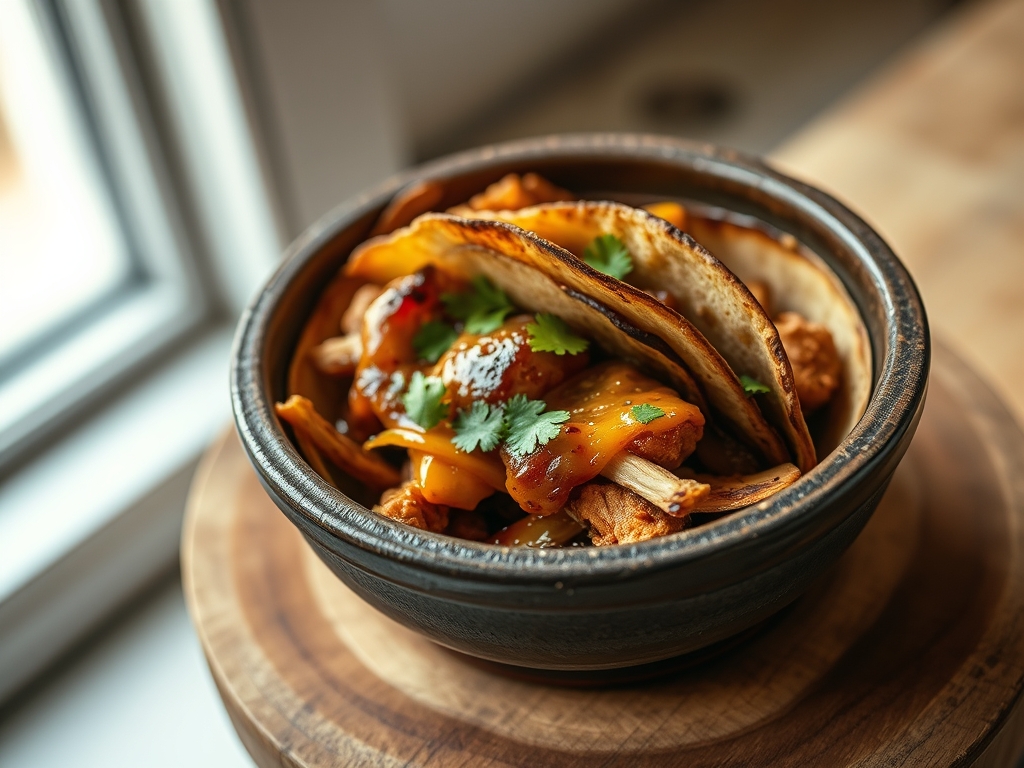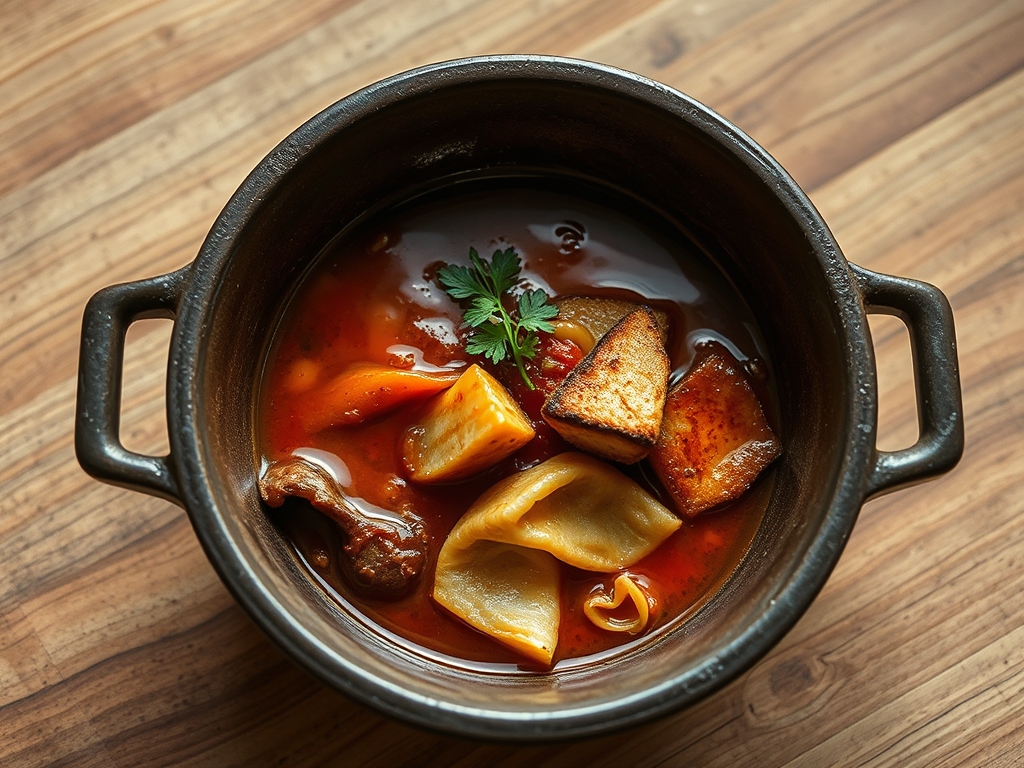
Listen to the sound of the line. It is the rhythmic percussion of stainless steel on poly-boards and the aggressive hiss of cold protein meeting a screaming hot surface. This is the industrial heartbeat of the kitchen. When we talk about Prepped Beef Tips, we are not discussing a mere meal; we are auditing a structural masterpiece of batch-cooked efficiency. The goal is a finished product that maintains its architectural integrity from the first sear to the final reheating cycle. We are hunting for that perfect suspension where the beef is tender enough to yield to a fork but resilient enough to withstand the violent turbulence of a high-volume service. We want a sauce that is viscous and glossy; a liquid velvet that clings to every crevice of the meat without breaking into an oily mess. This is where high-stakes culinary infrastructure meets the raw physics of heat transfer. If you miss the mark on the sear, you lose the Maillard reaction. If you fail the emulsification, you lose the soul of the dish. Let us get to work.
THE DATA MATRIX
| Metric | Specification |
|---|---|
| Prep Time | 25 Minutes |
| Execution Time | 45 Minutes |
| Yield | 6 Servings |
| Complexity (1-10) | 4 |
| Estimated Cost per Serving | $4.75 |
THE GATHERS
Ingredient Protocol:
- Beef Sirloin or Chuck: 900g / 2 lbs (Trimmed and cubed)
- Neutral High-Smoke Point Oil: 45ml / 3 tbsp
- Unsalted Butter: 60g / 4 tbsp
- Yellow Onion: 200g / 1 large (Finely diced)
- Beef Bone Broth: 475ml / 2 cups
- Worcestershire Sauce: 30ml / 2 tbsp
- All-Purpose Flour: 30g / 1/4 cup
- Garlic Cloves: 15g / 3 cloves (Smashed and minced)
- Fresh Thyme: 5g / 2 sprigs
- Kosher Salt: 10g / 2 tsp
- Black Peppercorns: 5g / 1 tsp (Freshly cracked)
Section A: Ingredient Quality Audit:
The primary failure point in Prepped Beef Tips is often the raw material itself. If your beef arrives with excessive silver skin, it will tighten into an inedible wire during the cooking process. Use a sharp boning knife to remove all connective tissue before cubing. If your beef lacks marbling, it will lack flavor. The fix is a "Fat Injection" technique; increase your butter ratio during the final emulsification to mimic the mouthfeel of higher-grade cuts. Furthermore, if your beef broth is pale and watery, it lacks the gelatinous backbone needed for a proper sauce. Enhance a weak broth by simmering it with a single sheet of unflavored gelatin or a tablespoon of tomato paste to boost the glutamates and improve the piquant profile.
THE MASTERCLASS
1. The Surface Preparation and Desiccation
Pat the beef cubes dry using industrial paper towels until the surface is completely devoid of moisture. Season aggressively with salt and pepper.
Pro Tip: Moisture is the enemy of the Maillard reaction. Use a digital scale to ensure your salt ratio is exactly 1% of the meat's weight. This ensures deep seasoning without over-salting.
2. The High-Velocity Sear
Heat your oil in a heavy-bottomed saucier until it reaches the shimmering point. Add the beef in small batches to avoid dropping the vessel temperature.
Pro Tip: Do not crowd the pan. If the temperature drops, the meat will boil in its own juices rather than sear. This results in a grey, rubbery texture. A heavy-gauge pan provides the thermal mass needed to maintain heat.
3. The Aromatic Foundation
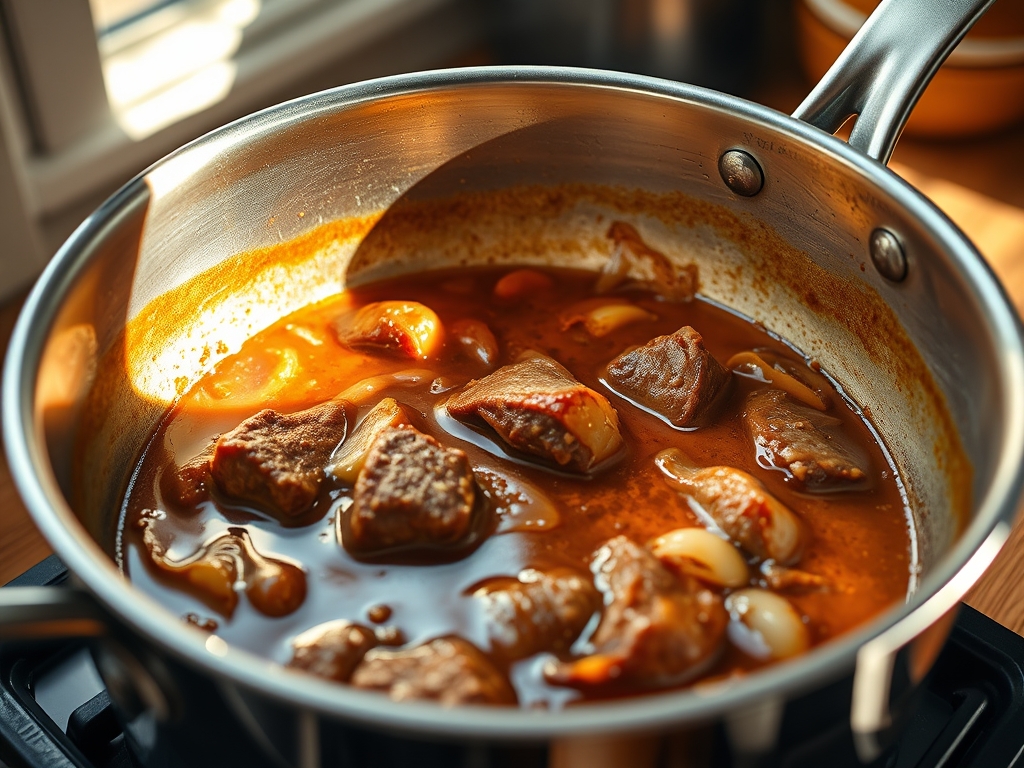
Remove the beef and reduce the heat. Add the butter and onions; use a bench scraper or wooden spoon to deglaze the brown bits (fond) from the bottom of the pan.
Pro Tip: The fond is concentrated flavor infrastructure. As the onions release moisture, they act as a solvent to lift these caramelized proteins into the base of your sauce.
4. The Roux and Liquid Integration
Sprinkle the flour over the softened onions and cook for two minutes to remove the raw grain taste. Slowly whisk in the beef broth and Worcestershire sauce.
Pro Tip: Add the liquid in stages. This allows the starch granules to swell and aerate properly, creating a stable emulsion that won't break during the reheating phase of your meal prep.
5. The Low-Impact Simmer
Return the beef to the saucier. Cover and simmer on low for 20 to 30 minutes until the sauce is viscous and the meat is tender.
Pro Tip: Use an instant-read thermometer to monitor the internal temperature. For sirloin tips, you are looking for a tender breakdown without turning the protein into mush.
Section B: Prep & Timing Fault-Lines:
The most common human error is the "Rushed Roux." If you add the liquid too quickly, the flour will clump, creating "ludes" in your sauce. If this happens, pass the sauce through a fine-mesh chinois to restore structural integrity. Another timing error is overcooking the beef during the initial sear. Remember; the sear is for color and flavor, not for cooking the interior. If the meat is fully cooked before the simmer begins, it will be dry by the time the sauce is finished. Use a timer to ensure the sear does not exceed 90 seconds per side.
THE VISUAL SPECTRUM
Section C: Thermal & Visual Troubleshooting:
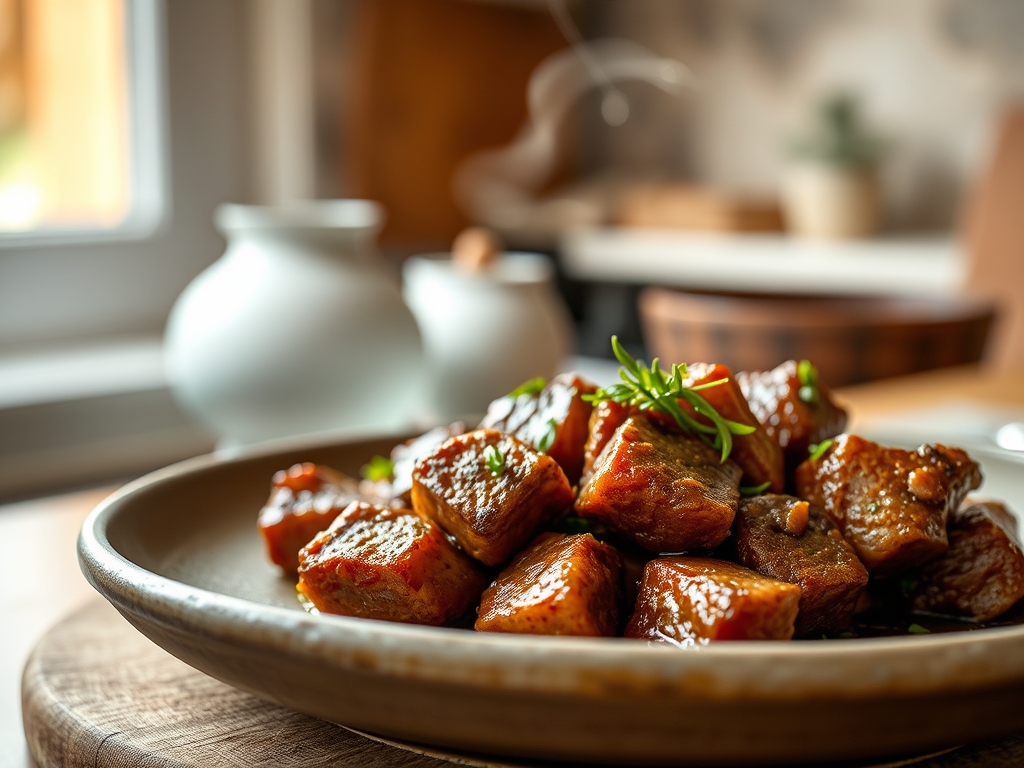
Look at the Masterclass photo. The beef should exhibit a deep, mahogany crust, while the sauce should have a semi-gloss finish that reflects light. If your beef looks grey, your pan wasn't hot enough. If your sauce looks dull or "matte," it lacks fat; whisk in a cold pat of butter at the very end to infuse the liquid with a silkier sheen. If the sauce is too dark, you likely burnt the flour during the roux stage. If it is too light, you didn't allow the fond to develop properly. Adjust the color in future batches by controlling the heat during the onion-sauté phase.
THE DEEP DIVE
Macro Nutrition Profile:
A standard serving (approx. 200g) contains roughly 450 calories, 32g of protein, 28g of fat, and 12g of carbohydrates. The protein density makes this an excellent anchor for high-performance diets.
Dietary Swaps:
- Keto: Replace the flour with 1/2 teaspoon of xanthan gum and swap the onions for green onion tops to reduce the glycemic load.
- Vegan: Use "beef-style" seitan chunks and substitute the butter with a high-quality vegan oil-based spread. Use mushroom broth for the base.
- GF: Use a 1:1 gluten-free flour blend or cornstarch slurry to thicken the sauce.
Meal Prep & Reheating Science:
To maintain the molecular structure of Prepped Beef Tips, cool the mixture rapidly in an ice bath before refrigerating. This prevents the "overcooked" flavor that develops when meat sits in warm sauce. When reheating, add a tablespoon of water or broth to the container. This creates steam that gently re-hydrates the protein fibers without toughening the exterior.
THE KITCHEN TABLE
How do I prevent the beef from getting tough?
Ensure you are using a quick-cooking cut like sirloin. If using chuck, you must increase the simmer time to at least 90 minutes to properly render the collagen into gelatin.
Can I freeze this for long-term storage?
Yes. The high fat and starch content in the sauce acts as a protective barrier against freezer burn. Ensure the container is airtight to maintain the moisture levels.
Why is my sauce separating after I reheat it?
This happens when the emulsion is unstable. Next time, ensure your roux is fully cooked and integrated. To fix a broken sauce, whisk in a teaspoon of warm water vigorously.
What is the best way to serve these?
For maximum structural harmony, serve over a high-surface-area base like mashed potatoes or egg noodles. This allows the viscous sauce to coat every bite efficiently.