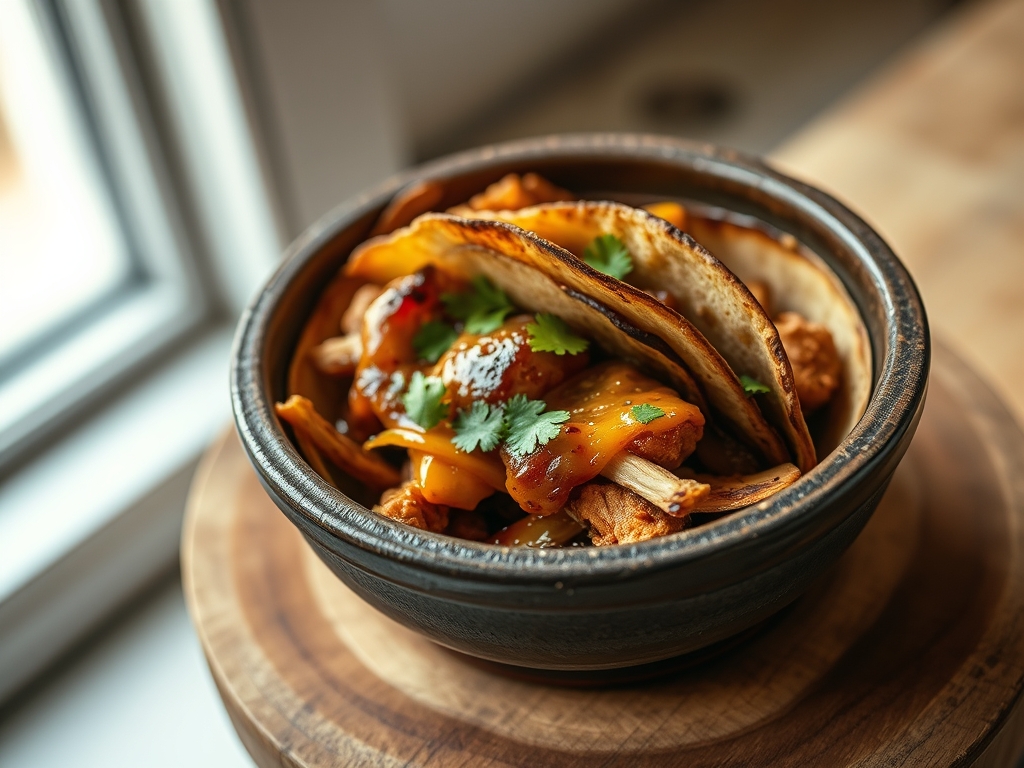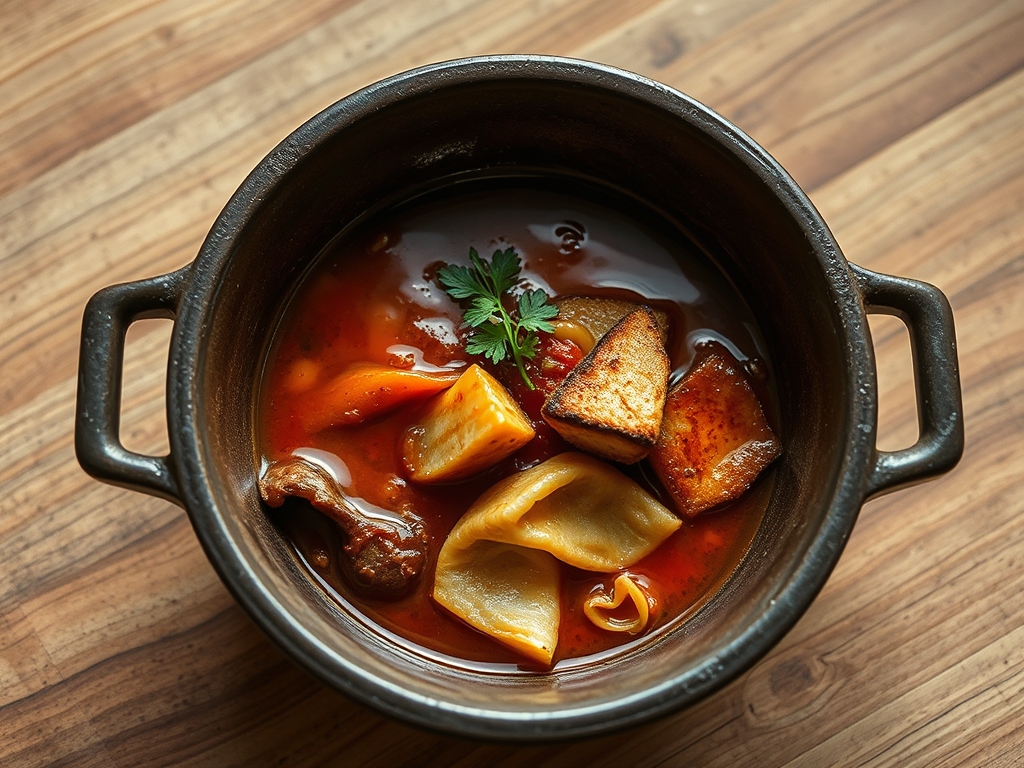
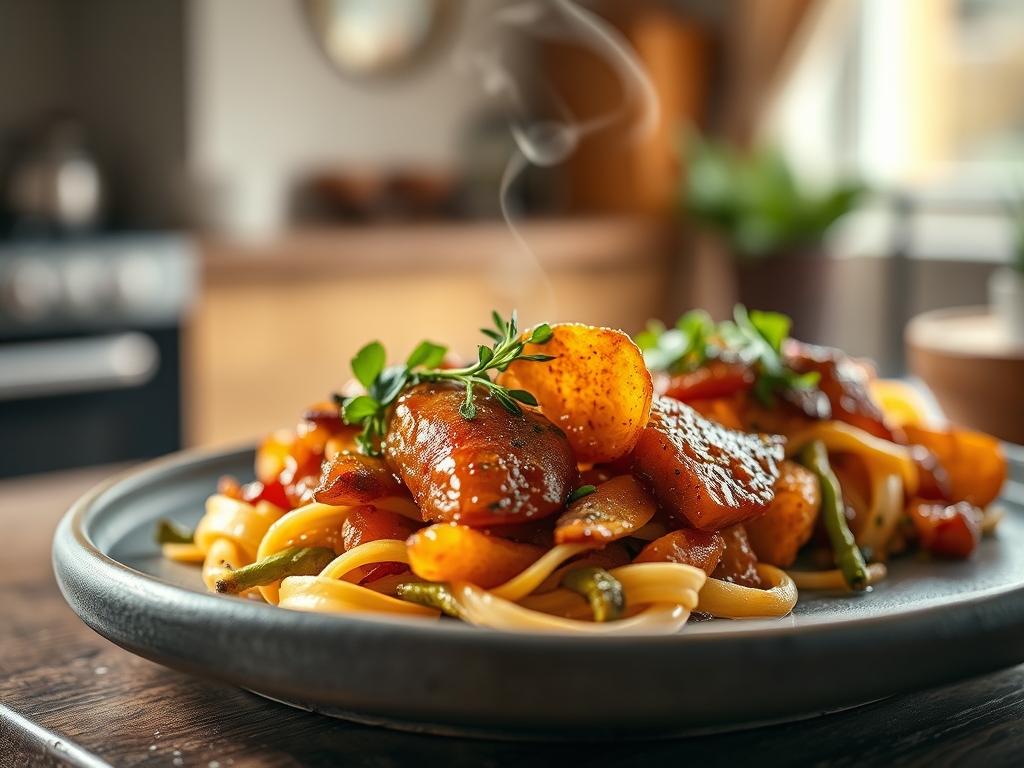
The kitchen floor is a theater of war where time is the primary antagonist and your metabolic rate is the prize. You are not just cooking; you are conducting a high-stakes audit of biological fuel. Forget the soggy, uninspired plastic containers of yesteryear that haunt the back of office refrigerators. We are entering the era of High Protein Prep Boxes, where every cubic centimeter of storage is optimized for maximum nutrient density and peak organoleptic satisfaction. Imagine the hiss of a searing protein hitting a preheated surface; the sound is a frequency of success. The scent of Maillard-driven complexity fills the air as amino acids and reducing sugars perform their chemical dance. We are building a modular system of nutrition that defies the entropy of a standard work week. This is about precision engineering applied to the culinary arts. We are here to ensure that your macros are not just met, but mastered through technical proficiency and rigorous ingredient selection. It is time to stop eating for survival and start fueling for dominance.
THE DATA MATRIX
| Metric | Specification |
|---|---|
| Prep Time | 25 minutes |
| Execution Time | 45 minutes |
| Yield | 5 Servings |
| Complexity (1-10) | 4 |
| Estimated Cost per Serving | $4.25 |
THE GATHERS
Ingredient Protocol:
- 750g / 1.65 lbs Lean Chicken Breast (Diced into 2cm cubes)
- 300g / 1.5 cups Quinoa (Triple-rinsed)
- 500ml / 2 cups Low-Sodium Bone Broth
- 45ml / 3 tbsp Avocado Oil (High smoke point)
- 150g / 1 cup Red Bell Pepper (Brunoise cut)
- 200g / 2 cups Broccoli Florets (Small uniform pieces)
- 30ml / 2 tbsp Low-Sodium Tamari or Soy Sauce
- 10g / 2 tsp Smoked Paprika
- 5g / 1 tsp Garlic Powder
- 2g / 0.5 tsp Xanthan Gum (Optional for sauce stability)
Section A: Ingredient Quality Audit:
The most common failure in High Protein Prep Boxes is the selection of "woody" chicken breast. If the muscle fibers feel excessively firm or rebound like rubber when raw, the protein will remain tough regardless of technique. To fix this, utilize a velveting technique by dusting the protein with a small amount of cornstarch or baking soda before searing. If your vegetables appear flaccid upon arrival, submerge them in an ice bath for ten minutes to restore cellular turgor pressure. This ensures that the final product maintains a crisp, structural integrity rather than collapsing into a mushy heap during the reheating phase.
THE MASTERCLASS
1. Thermal Priming and Protein Preparation
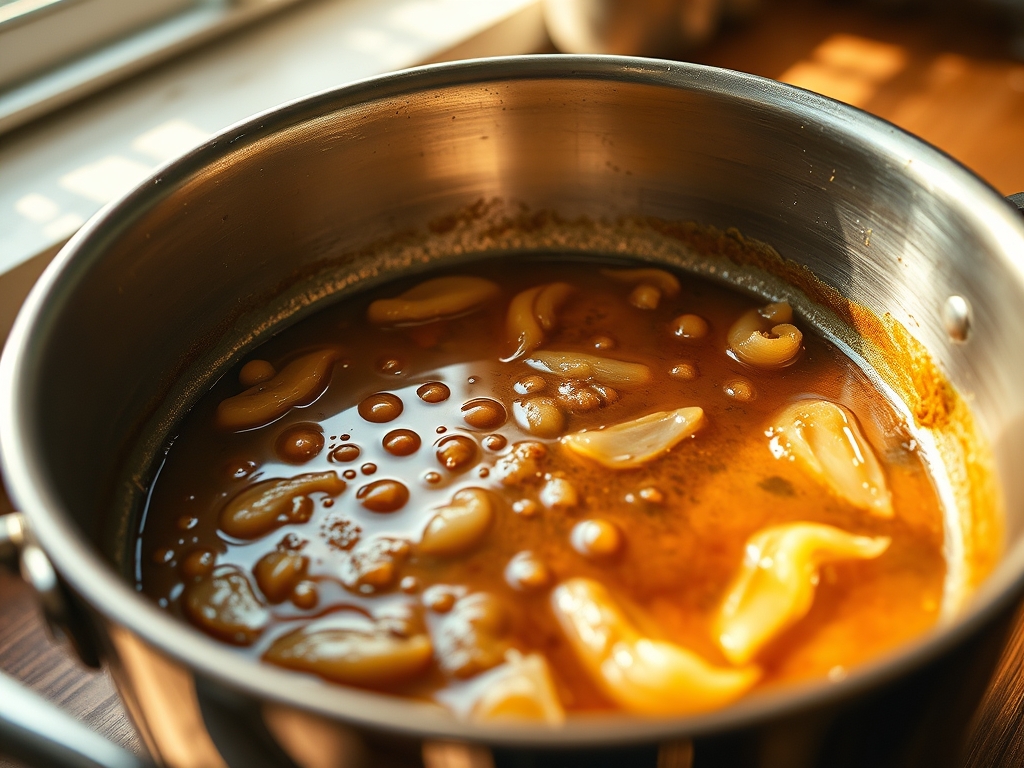
Begin by calibrating your digital scale to zero and portioning the protein into exact 150g increments. Pat the chicken dry with paper towels to remove surface moisture; water is the enemy of the Maillard reaction. Season aggressively with the smoked paprika and garlic powder. Heat a heavy-bottomed saucier or cast-iron skillet over medium-high heat until the avocado oil begins to shimmer.
Pro Tip: Moisture on the surface of the meat causes steam, which prevents the temperature from rising above 100 degrees Celsius. By drying the meat, you allow the surface to quickly reach the 140 to 165 degree range required for browning, which creates a viscous and flavorful exterior.
2. The Grain Foundation
While the protein sears, combine the rinsed quinoa and bone broth in a secondary pot. Bring to a boil, then reduce to a simmer and cover. The use of bone broth instead of water is a strategic move to infuse the grains with additional collagen and protein, thickening the nutrient profile without increasing volume.
Pro Tip: Use a bench scraper to efficiently transfer chopped aromatics into the pot without losing juices on the cutting board. Rinsing quinoa is non-negotiable; it removes saponins, the natural coating that can impart a bitter, soapy flavor to your base.
3. Systematic Sauté and Deglaze
Once the chicken has developed a deep golden crust, remove it from the pan. The brown bits stuck to the bottom are "fond," a concentrated source of umami. Immediately add the peppers and broccoli to the pan. Use the tamari to deglaze the surface, scraping up the fond with a wooden spatula to incorporate those flavors back into the vegetables.
Pro Tip: This is where you control the piquant notes of the dish. Adding a splash of acid, like lime juice or rice vinegar, at this stage will brighten the heavy protein flavors and balance the earthy notes of the quinoa.
4. Emulsification and Assembly
Return the chicken to the pan and toss with the vegetables. If a sauce is desired, whisk a small amount of the cooking liquid with xanthan gum to aerate and thicken the mixture, creating a glaze that clings to the components rather than pooling at the bottom of the box. Divide the quinoa evenly among five containers and top with the protein-vegetable matrix.
Pro Tip: Use a digital thermometer to ensure the chicken reaches an internal temperature of 74 degrees Celsius (165 F). Overcooking by even five degrees will result in a dry, chalky texture once the meal is reheated later in the week.
Section B: Prep & Timing Fault-Lines:
The "Human Error" variable usually manifests in the cooling phase. If you seal your High Protein Prep Boxes while the food is still steaming, you create a miniature sauna. This leads to carry-over cooking, which turns vibrant broccoli into a grey, sulfurous mess. To mitigate this, spread the finished components on a flat baking sheet to cool rapidly before portioning. This halts the cooking process and preserves the molecular structure of the proteins and fibers.
THE VISUAL SPECTRUM
Section C: Thermal & Visual Troubleshooting:
Look closely at the reference image. The chicken displays a distinct, caramelized exterior while the broccoli retains a vivid, chlorophyll-rich green. If your chicken looks grey and boiled, your pan was overcrowded, causing the temperature to drop. Next time, sear in batches. If your broccoli looks dull, it has been overexposed to heat. The solution is to "shock" the vegetables by only sautéing them for three minutes before removing them from the heat. The visual cue for success is a glistening surface; this indicates that the fats and juices have successfully formed a stable emulsion, coating the ingredients rather than separating.
THE DEEP DIVE
Macro Nutrition Profile: Each box serves as a metabolic powerhouse. You are looking at approximately 45g of protein, 35g of complex carbohydrates, and 12g of healthy fats. The caloric density is optimized for lean muscle maintenance and sustained cognitive function.
Dietary Swaps: For a Vegan audit, replace chicken with extra-firm pressed tofu or tempeh and use vegetable bouillon. For Keto requirements, swap the quinoa for cauliflower rice and increase the avocado oil. For GF (Gluten-Free) compliance, ensure the tamari is certified gluten-free, as standard soy sauce contains wheat fillers.
Meal Prep & Reheating Science: When reheating, the goal is to avoid "re-cooking" the protein. Add a teaspoon of water to the box before microwaving to create a steam-jacket effect. This re-hydrates the fibers and prevents the quinoa from becoming desicated. The molecular structure of the starch in quinoa undergoes retrogradation when cooled; gentle reheating helps to re-gelatinize these starches for a better mouthfeel.
THE KITCHEN TABLE
How long do these boxes stay fresh?
When stored in airtight containers at 4 degrees Celsius, these boxes maintain peak quality for four days. Beyond that, the cellular structure of the vegetables begins to break down, leading to moisture loss and a diminished texture.
Can I freeze the High Protein Prep Boxes?
Yes, though the broccoli may lose its snap. To freeze, ensure the components are completely cold. To consume, thaw in the refrigerator for 24 hours before reheating to maintain the integrity of the chicken fibers.
Why use bone broth instead of water?
Bone broth provides a significant boost in glycine and proline. It also adds a depth of flavor that water lacks, ensuring that the quinoa is a savory component rather than a bland filler in your macro strategy.
What is the best container for these macros?
Glass containers are superior. They are non-porous, meaning they do not retain odors or leach chemicals during reheating. They also provide a better thermal seal, which is critical for maintaining the moisture content of the lean protein.