The air in a high-performance kitchen does not just smell like food; it vibrates with the volatile organic compounds of success. You are standing at the threshold of a culinary revolution where efficiency meets artisan precision. Forget the soggy, pre-bagged grocery store compromises that leak moisture and lose their soul before they hit the pan. We are talking about the structural integrity of Modular Stir Fry Bases. This is the architectural blueprint for a week of five-minute masterpieces. By isolating your aromatics, stabilizing your proteins, and calibrating your sauces into discrete, modular units, you transform the chaotic scramble of weeknight cooking into a streamlined assembly line. Imagine the hiss of the wok as it meets a perfectly dry, chilled floret of broccoli. Picture the instant caramelization of ginger and garlic that has been preserved in a precise lipid barrier. This is not just meal prep. This is a technical audit of your dinner, ensuring that every molecule of flavor is accounted for and every second of your time is leveraged for maximum gastronomic ROI.
THE DATA MATRIX
| Metric | Specification |
|---|---|
| Prep Time | 45 Minutes |
| Execution Time | 6 Minutes |
| Yield | 4 Servings |
| Complexity (1-10) | 4 |
| Estimated Cost per Serving | $3.25 |
THE GATHERS
Ingredient Protocol:
- Protein Base: 680g / 1.5 lbs Flank Steak or Firm Tofu, sliced against the grain.
- Aromatic Module: 50g / 4 tbsp Fresh Ginger, minced; 30g / 6 cloves Garlic, smashed.
- Vegetable Matrix: 400g / 4 cups Broccoli florets; 200g / 2 Large Bell Peppers, julienned.
- Liquid Infrastructure: 120ml / 0.5 cup Soy Sauce; 30ml / 2 tbsp Toasted Sesame Oil.
- Thickening Agent: 15g / 2 tbsp Cornstarch or Arrowroot powder.
- Lipid Medium: 60ml / 4 tbsp Neutral oil (Grapeseed or Avocado).
Section A: Ingredient Quality Audit:
The primary failure point in Modular Stir Fry Bases is moisture migration. If your vegetables arrive from the market already limp, they have suffered cellular collapse. To fix this, submerge wilted greens in an ice bath for 20 minutes to restore turgor pressure. If your garlic shows green sprouts, the flavor profile has shifted toward the bitter spectrum; remove the germ before mincing to maintain a piquant and clean finish. For proteins that appear "wet," pat them dry with surgical precision using lint-free towels. Excess surface moisture is the enemy of the Maillard reaction. Without a dry surface, your meat will boil in its own juices rather than sear, resulting in a grey, rubbery texture that no amount of sauce can rescue.
THE MASTERCLASS
1. The Precision Slice and Modular Sort
Begin by deploying a sharpened chef knife or a heavy-duty bench scraper to organize your workspace. Slice your protein into uniform 3mm strips to ensure simultaneous cooking. Group your vegetables by density. Harder vegetables like carrots and broccoli stalks require more thermal exposure than snap peas or peppers.
Pro Tip: Use a digital scale to weigh your vegetable portions. Uniformity in mass ensures that the heat distribution remains predictable across all modular batches. This prevents the "crunchy-raw versus mushy-overcooked" disparity often found in amateur stir-fries.
2. The Lipid Barrier Aromatic Infusion
In a small glass jar, combine your minced ginger, garlic, and scallion whites. Cover them completely with a thin layer of neutral oil. This creates an anaerobic seal that prevents oxidation and allows the fat to infuse with the essential oils of the aromatics while they sit in the refrigerator.
Pro Tip: This technique uses the science of fat-soluble flavor extraction. By pre-soaking your aromatics in oil, you ensure that the moment they hit the hot saucier or wok, the flavors are released instantly into the cooking medium rather than burning on the dry surface of the pan.
3. The Viscous Emulsion Core
Whisk your soy sauce, toasted sesame oil, and cornstarch in a dedicated vessel until the mixture is a smooth, viscous slurry. This is your flavor concentrate. The cornstarch must be fully suspended to prevent clumping when it hits the thermal threshold of the pan.
Pro Tip: Use a small balloon whisk to aerate the sauce slightly before sealing. This ensures the starch molecules are evenly distributed, leading to a glossy, professional sheen that clings to the ingredients rather than pooling at the bottom of the bowl.
4. The Flash-Sear Execution
Heat your pan until the oil reaches the shimmering point. Add your protein in a single layer. Do not crowd the pan. Allow the meat to render and develop a deep mahogany crust before tossing. Once seared, remove the protein and add the vegetable module, followed by the aromatic module and the sauce.
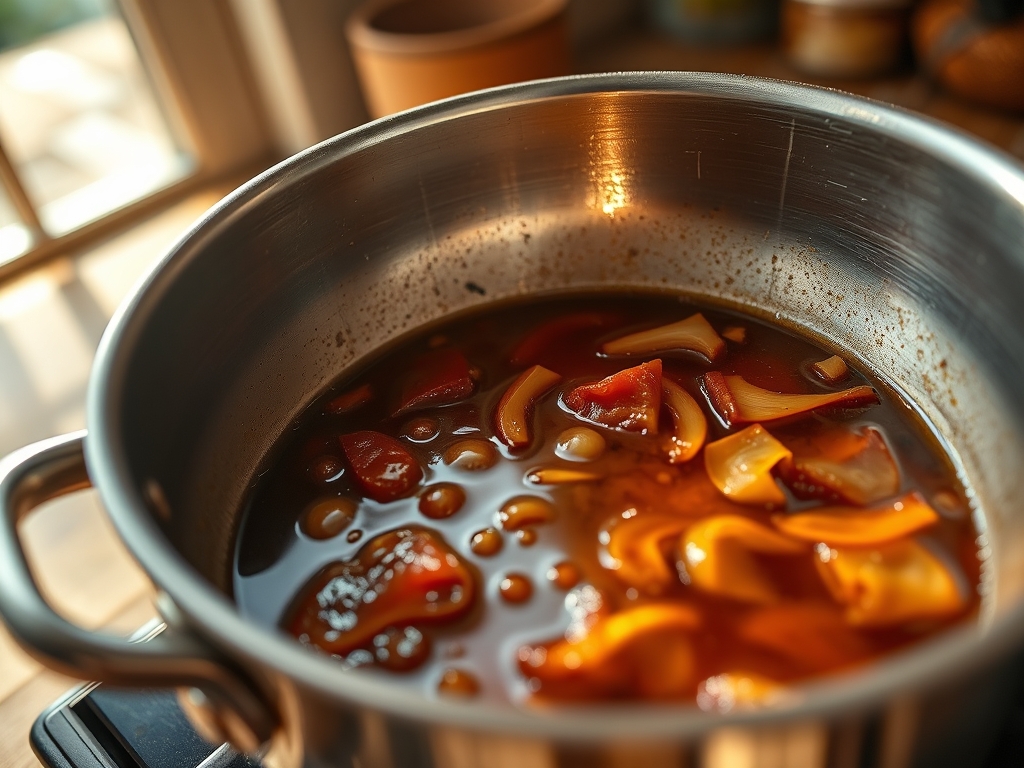
Pro Tip: A heavy-bottomed stainless steel saucier provides excellent heat retention. When you deglaze the pan with the liquid sauce module, use the steam to scrape up the fond (the brown bits). This is concentrated umami that bridges the gap between the fresh vegetables and the seared meat.
Section B: Prep & Timing Fault-Lines:
The most common human error is the "Cold Pan Syndrome." If you add your Modular Stir Fry Bases to a pan that has not reached at least 400 degrees Fahrenheit, the vegetables will weep water and the sauce will fail to emulsify. Always wait for the first wisps of smoke from the oil. Another timing fault-line occurs when aromatics are added too early. Garlic burns in less than thirty seconds at high heat. Always buffer your aromatics with a small amount of liquid or add them halfway through the vegetable sear to preserve their delicate chemical structure.
THE VISUAL SPECTRUM
Section C: Thermal & Visual Troubleshooting:
Look at the Masterclass photo above. Notice the vibrant, high-contrast greens of the broccoli and the deep, reflective glaze on the beef. If your dish looks dull or "muddy," you have likely overcooked the vegetables, causing the chlorophyll to break down. To fix this, shorten the cooking time and utilize a lid for a 30-second "steam-flash" to lock in color. If the sauce appears translucent or thin rather than opaque and glossy, your starch-to-liquid ratio was off or the pan temperature was too low to activate the thickening properties of the cornstarch. Ensure the sauce reaches a simmer to achieve that signature "lacquered" aesthetic. If the meat looks grey, you ignored the "dry surface" rule; next time, ensure the protein is bone-dry before it touches the oil.
THE DEEP DIVE
Macro Nutrition Profile:
A standard serving of this modular base provides approximately 35g of protein, 12g of healthy fats, and 15g of complex carbohydrates. By controlling the modular components, you can adjust these ratios instantly.
Dietary Swaps:
- Vegan: Replace beef with extra-firm pressed tofu or tempeh. Use liquid aminos instead of soy sauce for a deeper fermented profile.
- Keto: Swap the cornstarch for a pinch of xanthan gum and replace the sugar in any sauce with a drop of liquid stevia or monk fruit.
- GF: Ensure your soy sauce is replaced with Tamari or Coconut Aminos to maintain a gluten-free infrastructure.
Meal Prep & Reheating Science:
To maintain molecular structure during reheating, do not use a microwave at full power. This vibrates water molecules too violently, toughening the protein. Instead, use a pan over medium heat with a tablespoon of water to create a steam-tent effect, which re-hydrates the starch in the sauce without overcooking the vegetables.
THE KITCHEN TABLE
How long do the modular bases last?
Stored in airtight containers, the vegetable and aromatic modules remain viable for 4 to 5 days. The sauce module can last up to two weeks. Always keep the protein in the coldest part of the refrigerator.
Can I freeze the assembled kits?
Vegetables with high water content, like peppers, will lose their structural integrity upon thawing. It is better to freeze the protein and sauce separately, then use fresh vegetables for the best textural results.
Why is my sauce clumping?
This happens when the cornstarch slurry isn't whisked immediately before adding it to the heat. The starch settles at the bottom of the container. Give it a quick shake or stir to re-suspend the particles before pouring.
Is a wok mandatory for this?
While a wok offers superior surface area, a heavy cast iron skillet or a stainless steel saucier works perfectly. The key is heat retention, not the specific shape of the vessel. Ensure the pan is pre-heated thoroughly.