Forget the humble connotations of the pantry shelf because we are about to engage in a high-stakes reconstruction of preserved protein. When you crack the seal on a pressurized tin, you are not just opening a meal; you are initiating a culinary rescue mission. The Canned Chicken Salad is the ultimate test of an auditor's ability to transform shelf-stable fibers into a masterpiece of texture and flavor. We are looking for that specific, piquant snap of fresh celery against the viscous embrace of a perfectly emulsified dressing. Imagine the contrast: the saline, tenderized chicken breast meeting the sharp acidity of lemon juice and the crunch of toasted pecans. This is not cafeteria sludge. This is a precision-engineered assembly of fats, acids, and aromatics designed to revitalize dormant proteins. We are here to aerate our binders and infuse every fiber with structural integrity. If you think canned meat is a compromise, your infrastructure is simply failing you. Let us recalibrate your expectations and build a salad that demands respect at any table.
THE DATA MATRIX
| Metric | Specification |
|---|---|
| Prep Time | 12 Minutes |
| Execution Time | 5 Minutes |
| Yield | 4 Servings |
| Complexity (1-10) | 3 |
| Estimated Cost per Serving | $2.15 |
THE GATHERS
Ingredient Protocol:
- 2 cans (approx. 700g / 25 oz) Premium Chunk Chicken Breast in Water
- 120ml / 0.5 cup High-Quality Mayonnaise (Egg-yolk based)
- 15ml / 1 tbsp Dijon Mustard
- 100g / 0.75 cup Finely Diced Celery
- 45g / 0.33 cup Red Onion, minced and rinsed
- 30ml / 2 tbsp Fresh Lemon Juice
- 5g / 1 tsp Cracked Black Pepper
- 2g / 0.5 tsp Smoked Paprika
- 30g / 0.25 cup Fresh Toasted Pecans or Walnuts
- 10g / 2 tbsp Fresh Chives, finely sheared
Section A: Ingredient Quality Audit:
The primary failure point in a Canned Chicken Salad is the residual "tinny" metallic oxidation from the canning fluid. If your raw material tastes like the container, you must perform a cold-water purge. Drain the chicken into a fine-mesh sieve and rinse with chilled filtered water for 30 seconds to remove excess sodium and metallic ions. Another common issue is "mushy" protein. If the chicken lacks structure, do not over-mix. Use a bench scraper to gently fold rather than a spoon to stir. If your mayonnaise is weeping oil, the emulsion has broken; whisk in a teaspoon of warm water to re-establish the viscous bond before adding it to the protein matrix.
THE MASTERCLASS
1. The Desiccation Phase
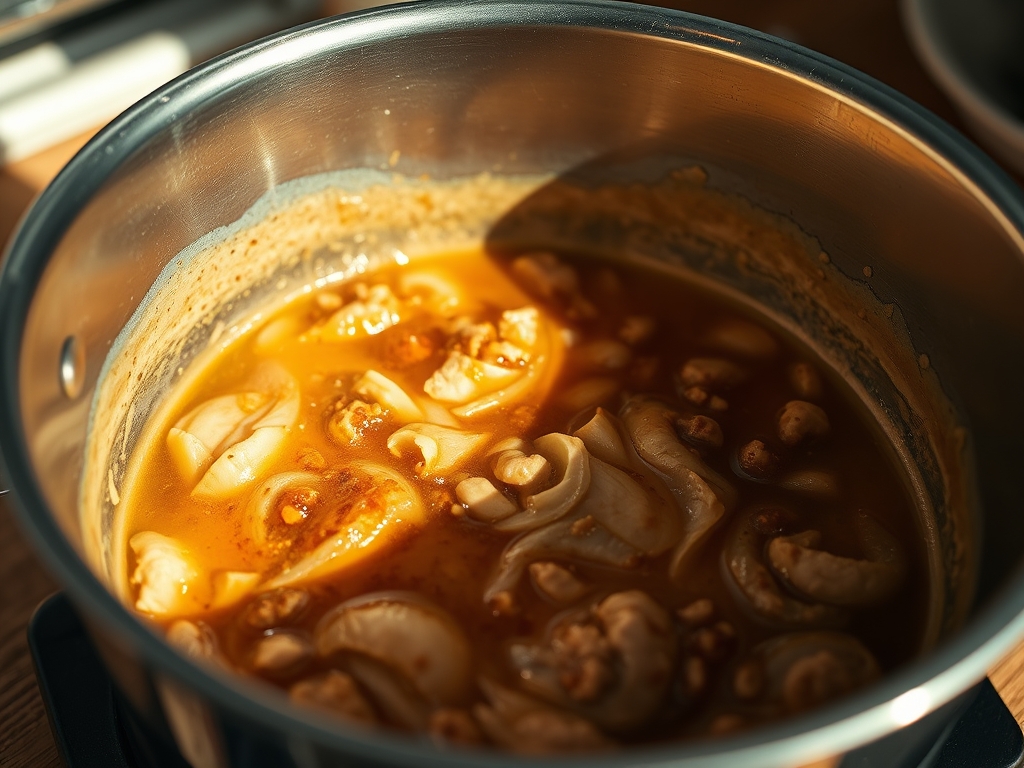
Drain the chicken thoroughly using a stainless steel colander. Use a clean kitchen towel or heavy-duty paper towels to pat the protein dry. Any residual canning liquid will dilute your dressing and prevent the mayonnaise from adhering to the meat fibers.
Pro Tip: Use a digital scale to ensure your chicken-to-binder ratio is exact. Excess moisture is the enemy of a stable emulsion; if the chicken is damp, the dressing will slide off rather than infuse the meat.
2. The Aromatic Preparation
Using a sharpened chef's knife, mince the red onion and celery into uniform 3mm cubes. Place the minced onions in a small bowl of ice water for five minutes, then drain and dry. This removes the volatile sulfur compounds that cause "onion breath" and allows the piquant sweetness to shine.
Pro Tip: A bench scraper is the most efficient tool here to transport your aromatics from the cutting board to the mixing bowl without losing precious juices or integrity.
3. The Emulsion Synthesis
In a separate small saucier or mixing bowl, combine the mayonnaise, Dijon mustard, lemon juice, pepper, and paprika. Whisk vigorously to aerate the mixture. This creates a lighter, fluffier mouthfeel that coats the tongue evenly.
Pro Tip: Adding the acid (lemon juice) directly to the fats (mayonnaise) before introducing the solids ensures a more stable molecular bond, preventing the salad from "leaking" liquid as it sits in the refrigerator.
4. The Structural Integration
Combine the dried chicken and the aromatics in a large chilled bowl. Pour the dressing over the top. Using a folding motion, integrate the ingredients. Do not over-work the mixture; you want to maintain distinct chunks of chicken rather than creating a homogenous paste.
Pro Tip: Professional kitchens use chilled bowls to keep the fats in the mayonnaise stable. If the temperature rises, the oils can render out, leading to a greasy rather than creamy texture.
5. The Final Seasoning and Texture
Fold in the toasted nuts and sheared chives at the very last second. This ensures the nuts do not lose their crunch to the moisture in the dressing. Taste for salt, but be cautious; canned poultry often carries a high internal sodium load.
Pro Tip: Use a microplane to add a whisper of fresh lemon zest at this stage. The citrus oils provide a high-frequency flavor note that cuts through the density of the protein and fat.
Section B: Prep & Timing Fault-Lines:
The most frequent human error is the "Immediate Service Trap." While you can eat this immediately, the molecular structure requires a 30-minute rest in the refrigerator (ideally at 4 degrees Celsius) to allow the dressing to infuse the desiccated chicken fibers. If you serve it too warm, the flavors will remain disjointed. Conversely, if you prep this more than 24 hours in advance, the acid in the lemon juice will begin to chemically "cook" the celery, causing it to lose its snap and turn translucent.
THE VISUAL SPECTRUM
Section C: Thermal & Visual Troubleshooting:
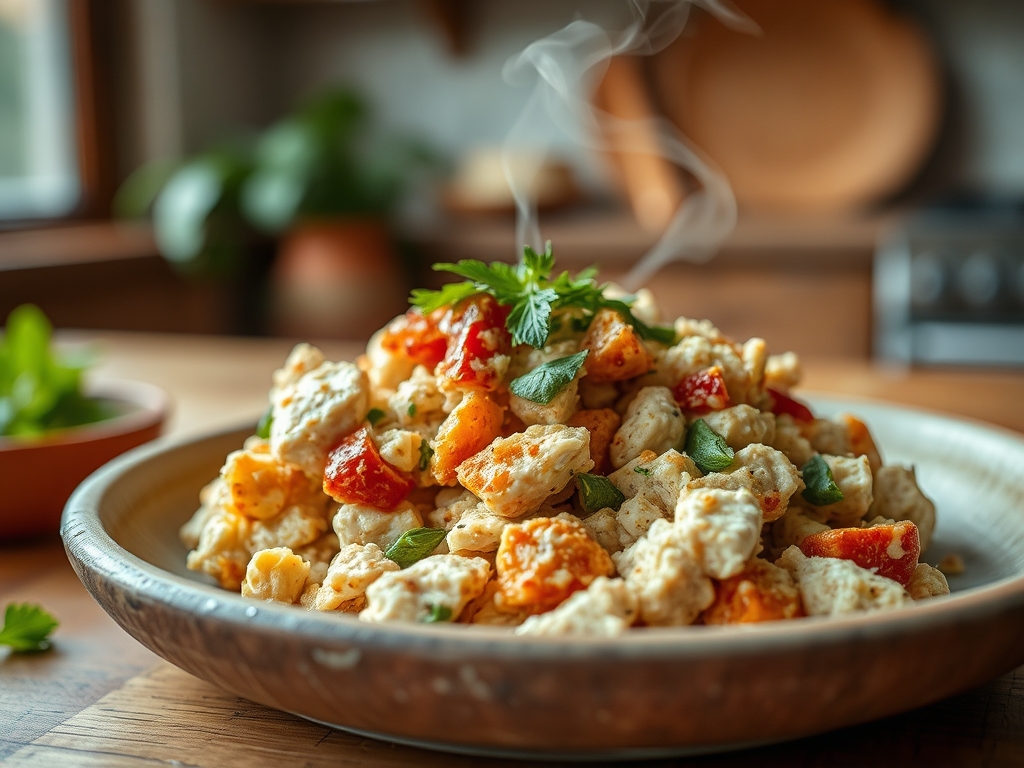
Referencing the Masterclass photo, observe the distinct "lofted" appearance of the chicken. If your salad looks flat or grey, you have likely over-mixed it or used low-quality, pulverized canned meat. The photo shows vibrant green specks of chives and the deep mahogany of toasted pecans; if your greens look dull, they were likely wet when chopped, causing them to bruise rather than shear. To fix a "grey" appearance, increase your paprika or add a dash of turmeric to the dressing to provide a warm, golden hue. If the dressing looks "broken" or oily, fold in a tablespoon of Greek yogurt to act as a secondary emulsifier and pull the fats back into a cohesive state.
THE DEEP DIVE
Macro Nutrition Profile:
A standard serving (approx. 150g) provides 28g of high-density protein, 14g of healthy fats (primarily monounsaturated if using avocado-oil mayo), and 3g of carbohydrates. It is a powerhouse of Vitamin B12 and Selenium, essential for metabolic infrastructure.
Dietary Swaps:
- Vegan: Replace canned chicken with smashed chickpeas or "soy curls" and use a grape-seed oil based vegan mayo.
- Keto: This recipe is naturally Keto-compliant. Ensure your mustard contains no added sugars.
- GF: The base recipe is gluten-free. Serve in lettuce cups or on top of sliced cucumbers instead of bread.
Meal Prep & Reheating Science:
Never reheat Canned Chicken Salad. The heat will break the mayonnaise emulsion, resulting in a pool of oil and a gritty protein texture. For meal prep, store the toasted nuts in a separate dry container and add them just before consumption to maintain the structural contrast between the soft protein and the crunchy inclusions.
THE KITCHEN TABLE
Can I use chicken breast in a pouch instead of a can?
Yes. Pouched chicken often has less residual liquid, meaning you may need to slightly increase the mayonnaise volume to reach the desired viscous consistency. The flavor profile is generally cleaner and requires less rinsing.
Why is my chicken salad watery the next day?
Osmosis. The salt in the dressing draws moisture out of the celery and onions. To prevent this, ensure your vegetables are bone-dry before mixing and store the salad in an airtight container with minimal headspace.
What is the best way to shred the chicken?
Do not shred it into dust. Use two forks to pull the chunks into bite-sized pieces. Large, irregular geometries provide a better "mouth-feel" and allow the dressing to cling to the nooks and crannies of the meat.
Can I add fruit like grapes or apples?
Absolutely. Adding halved grapes provides a burst of hydration and acidity. However, ensure the fruit is added just before serving, as the enzymes in fresh fruit can break down the protein structure over time.