Stop settling for mediocre, watery noodles that weep onto the plate. We are here to conduct a full-scale structural audit of the Pantry Pasta Marinara. This is not just dinner; it is a high-speed collision between shelf-stable logistics and Michelin-grade execution. Most home cooks treat the pantry as a graveyard for forgotten cans, but we view it as a pressurized laboratory of flavor potential. To achieve a sauce that is truly viscous and clings to the pasta like a velvet glove, you must master the delicate balance of acid and starch. We are talking about the Maillard reaction occurring in concentrated tomato paste and the emulsification of lipid-heavy oils with starchy pasta water. If your current red sauce lacks a piquant punch or a glossy finish, your protocol is flawed. This audit will strip away the inefficiency of slow-simmering and replace it with a rapid-fire technique that maximizes every molecule of flavor in under twenty minutes. Prepare for a total sensory overhaul of your kitchen infrastructure.
THE DATA MATRIX
| Metric | Specification |
|---|---|
| Prep Time | 5 Minutes |
| Execution Time | 15 Minutes |
| Yield | 4 Servings |
| Complexity (1-10) | 3 |
| Estimated Cost per Serving | $1.25 |
THE GATHERS
Ingredient Protocol:
- 454g / 1 lb Dried Spaghetti or Bucatini
- 60ml / 1/4 cup Extra Virgin Olive Oil
- 4-6 Cloves / 30g Fresh Garlic (sliced paper-thin)
- 1 can (800g / 28 oz) Whole Peeled San Marzano Tomatoes
- 30g / 2 tbsp Double-Concentrated Tomato Paste
- 5g / 1 tsp Red Chili Flakes
- 2g / 1/2 tsp Dried Oregano
- 10g / 2 tsp Kosher Salt (plus more for pasta water)
- 5g / 1 tsp Granulated Sugar (optional acid regulator)
- Fresh Basil or Parsley for garnish
Section A: Ingredient Quality Audit:
If your canned tomatoes taste metallic or overly acidic, you are likely dealing with low-grade liners or under-ripe fruit. The fix: A pinch of baking soda can neutralize excess acidity, but a superior method is to render the natural sugars through a longer sauté of the tomato paste. If your garlic is sprouting green bitter hearts, remove them before slicing. To fix a lack of depth in "pantry" herbs, bloom your dried oregano in hot oil for exactly thirty seconds before adding liquids to infuse the fat with essential oils.
THE MASTERCLASS
Step 1: The Starch Foundation
Set a large pot of water to boil and season it until it tastes like the Mediterranean Sea. Use a digital scale to ensure you are using exactly 10g of salt per liter of water. Drop your pasta and set a timer for two minutes less than the package instructions.
Pro Tip: This "under-cooking" is vital. The pasta must finish its hydration cycle inside the sauce to facilitate a proper starch exchange, ensuring the sauce adheres to the noodle rather than sliding off.
Step 2: The Cold-Start Infusion
In a wide saucier, combine the olive oil and sliced garlic while the pan is still cold. Turn the heat to medium-low. This allows the garlic to soften and release its aromatics into the lipid phase without scorching.
Pro Tip: Using a cold start prevents the exterior of the garlic from seizing. This creates a mellow, nutty base rather than the harsh, acrid notes associated with high-heat searing.
Step 3: Concentrated Maillard Development
Once the garlic is golden, add the tomato paste and chili flakes. Increase the heat to medium and stir constantly with a silicone spatula for two minutes until the paste turns a deep rust color.
Pro Tip: This step utilizes the Maillard reaction to transform the raw, metallic taste of the paste into a rich, savory umami bomb. You are essentially creating a flavor concentrate before adding the bulk of the moisture.
Step 4: The Hand-Crush Deployment
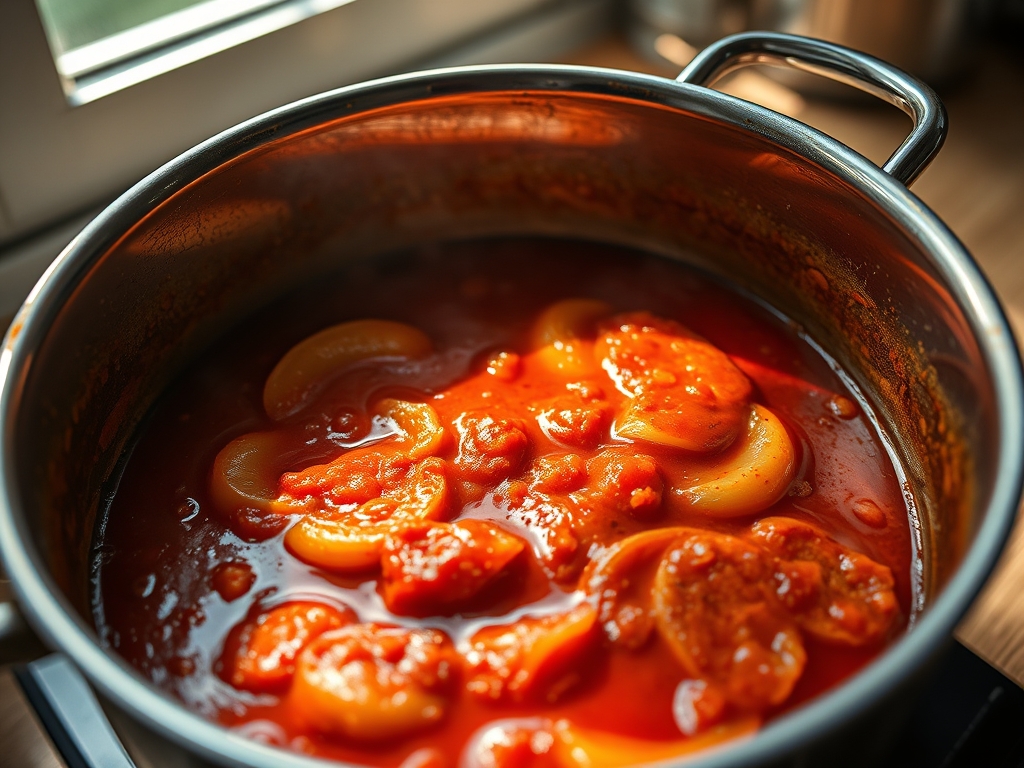
Pour the canned tomatoes into a bowl and crush them by hand or with a bench scraper before adding them to the saucier. Add the dried oregano and a pinch of sugar. Simmer vigorously on medium-high heat.
Pro Tip: Hand-crushing creates an irregular texture that traps sauce in the nooks of the pasta. High-heat simmering for a short duration preserves the bright, "fresh" fruit notes of the tomato that are often lost in long-simmered sauces.
Step 5: The Emulsification Event
Using tongs, transfer the pasta directly from the water into the saucier. Add 120ml / 1/2 cup of starchy pasta water. Toss violently over high heat for sixty seconds until the sauce becomes viscous and glossy.
Pro Tip: This is the most critical phase. The friction of tossing, combined with the starches in the water and the fats in the oil, creates a stable emulsion. This is why professional pasta looks integrated rather than oily.
Section B: Prep & Timing Fault-Lines:
The most common failure in rapid red sauce is "Water-Log Syndrome." This occurs when the pasta is drained in a colander and sits, allowing the surface to dry and the starches to set. Always move pasta directly from water to sauce. If your timing is off and the sauce is too thick before the pasta is ready, kill the heat on the sauce and aerate it with a splash of fresh water just before the final toss.
THE VISUAL SPECTRUM
Section C: Thermal & Visual Troubleshooting:
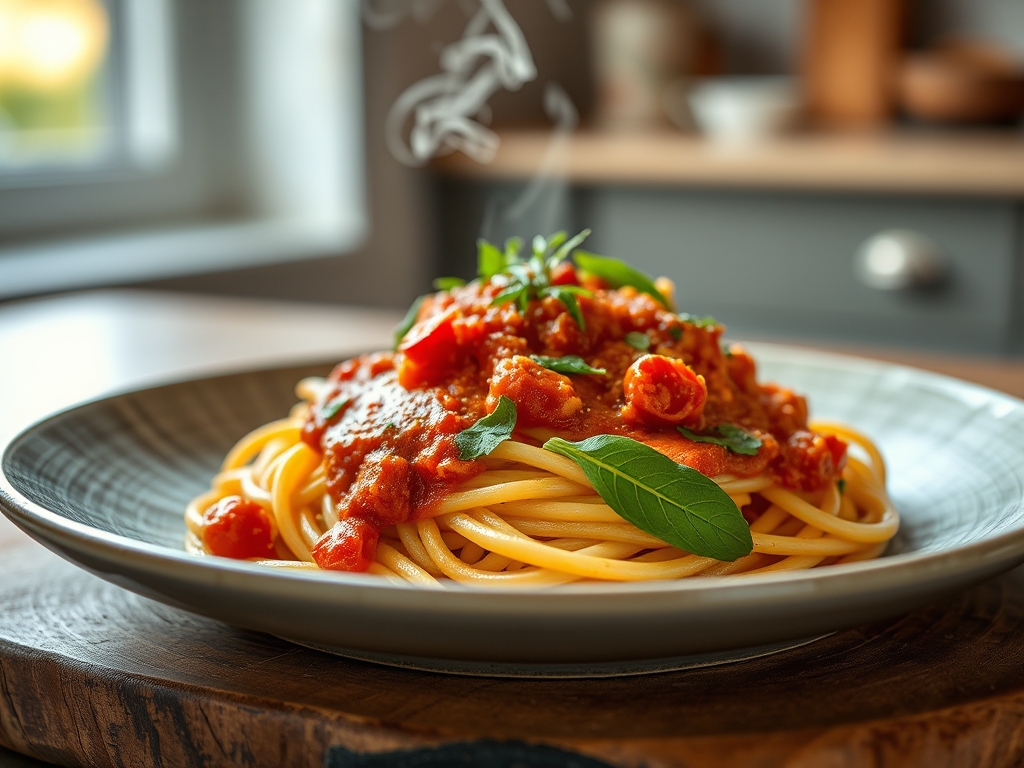
Referencing the Masterclass photo, your final product should exhibit a vibrant, "fire-engine red" hue rather than a dull brownish-maroon. If your sauce looks orange, you have likely over-aerated it in a blender; stick to hand-crushing. If the oil is separating and pooling at the bottom of the plate, your emulsion has broken. To fix this, add a tablespoon of pasta water and whisk vigorously to reintegrate the fats. The noodles should have a visible "sheen" that reflects light, indicating a successful starch-lipid bond. If the dish looks dry, you have underestimated the pasta's ability to absorb liquid during the resting phase; always finish "wetter" than you think you need.
THE DEEP DIVE
Macro Nutrition Profile:
A standard serving provides approximately 450 calories, 12g of protein, 65g of carbohydrates, and 15g of healthy fats. The lycopene in the tomatoes is actually more bioavailable after the heating process used in this audit.
Dietary Swaps:
- Vegan: This recipe is inherently vegan. Enhance umami by adding a teaspoon of nutritional yeast or a finely minced oil-packed sun-dried tomato.
- Keto: Replace wheat pasta with zoodles or shirataki noodles. Reduce the tomato paste by half to minimize sugar impact.
- GF: Use high-quality bronze-die cut gluten-free pasta (brown rice or corn-based). Note that GF pasta water often contains less usable starch, so you may need to reduce the sauce further to achieve thickness.
Meal Prep & Reheating Science:
To maintain molecular structure during reheating, avoid the microwave. The high-intensity waves cause the starch to crystallize, resulting in a rubbery texture. Instead, reheat in a pan with a splash of water to re-hydrate the sauce and restore the emulsion.
THE KITCHEN TABLE
Why is my garlic bitter?
You likely burned it during the infusion phase. Garlic contains high sugar content and turns acrid the moment it passes golden-brown. Always keep your heat low and have your tomatoes ready to deglaze the pan and stop the cooking.
Can I use fresh tomatoes instead?
Fresh tomatoes have higher water content and less consistency. For a rapid Pantry Pasta Marinara, high-quality canned San Marzanos are superior because they are processed at peak ripeness and provide the necessary pectin for a thick, coating sauce.
What if I don't have a saucier?
A large, high-sided skillet will suffice. The goal is surface area. More surface area allows for faster evaporation, which is the engine driving our fifteen-minute execution time. Avoid deep, narrow pots for the sauce phase.
My sauce won't stick to the noodles. Why?
You probably added oil to your pasta water or rinsed your pasta. Never do either. Rinsing strips away the "liquid gold" starch that acts as the biological glue between the noodle and the marinara.