Listen to the sound of the high-heat infrastructure at work. It is the rhythmic clatter of a carbon steel wok against a cast iron burner; it is the violent hiss of moisture escaping a starch-locked grain. We are not merely cooking dinner; we are managing a high-speed thermal exchange centered around the world's most misunderstood cured protein. Spam Fried Rice is the ultimate exercise in culinary efficiency. It is a dish that demands respect for the Maillard reaction and a deep understanding of lipid distribution. When that pink, salt-cured cube hits the scorching surface of your pan, it begins to render out precious fats that will eventually coat every single grain of rice in a savory, umami-rich lacquer. The goal is a texture that is simultaneously fluffy and crisp; a piquant profile balanced by the sweetness of peas and the sharp bite of scallions. This is rapid-response gastronomy. Forget the soggy, oil-slicked takeout of your past. We are building a technical masterpiece one high-velocity toss at a time.
THE DATA MATRIX
| Metric | Specification |
|---|---|
| Prep Time | 15 Minutes |
| Execution Time | 8 Minutes |
| Yield | 4 Standard Servings |
| Complexity (1-10) | 4 (Technical Timing Focus) |
| Estimated Cost per Serving | $1.85 USD |
THE GATHERS
Ingredient Protocol:
- Chilled Day-Old Jasmine Rice: 600g / 4 cups
- Spam (Classic or Low Sodium): 340g / 12 oz (1 standard tin)
- Neutral Oil (Grapeseed or Avocado): 45ml / 3 tbsp
- Large Eggs (Whisked): 3 units
- Frozen Peas and Carrots: 150g / 1 cup
- Garlic (Minced): 15g / 3 cloves
- Fresh Ginger (Grated): 5g / 1 tsp
- Soy Sauce (Light): 30ml / 2 tbsp
- Toasted Sesame Oil: 5ml / 1 tsp
- Green Onions (Thinly Sliced): 25g / 3 stalks
- White Pepper: 2g / 0.5 tsp
Section A: Ingredient Quality Audit:
The primary failure point in this operation is moisture management. If your rice is fresh and steaming, it contains too much surface water; this will lead to a gummy, cohesive mass rather than individual grains. Technical Fix: If you must use fresh rice, spread it onto a sheet tray and place it in front of a high-power fan for 20 minutes to dehydrate the exterior starch. Secondly, ensure your Spam is diced into uniform 1cm cubes. Irregular geometry leads to uneven rendering; some pieces will burn while others remain flaccid and greasy. Use a digital scale to ensure your ratios are precise, as excess soy sauce will break the emulsion and turn your rice into a salty slush.
THE MASTERCLASS
1. Protein Searing and Lipid Extraction
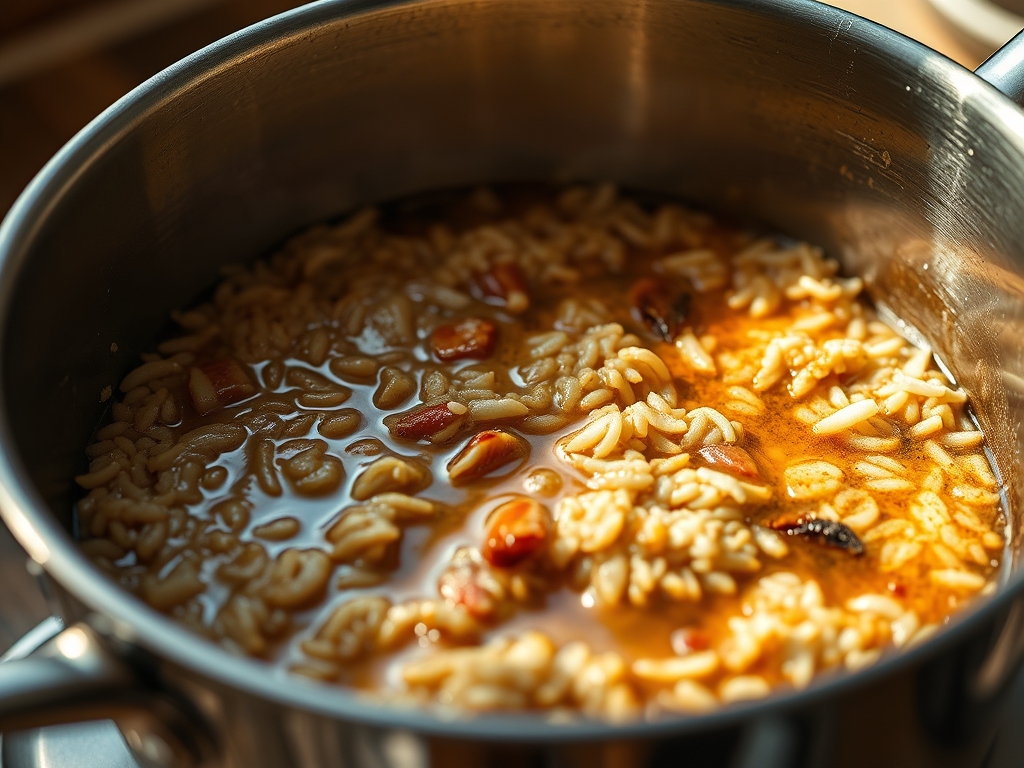
Begin by placing your diced Spam into a cold wok or large saucier before turning the heat to medium-high. This allows the fat to render slowly as the temperature rises, preventing the exterior from scorching before the interior is heated. Use a bench scraper to move the cubes efficiently from the cutting board to the pan.
Pro Tip: This is a dry-sear phase. By starting with a cold pan, you extract the maximum amount of pork fat, which serves as the primary flavoring agent for the rice. The science here is the Maillard reaction; we want a deep mahogany crust on at least two sides of every cube.
2. The Aromatics Infusion
Push the crisped Spam to the perimeter of the wok, creating a thermal void in the center. Add your neutral oil if the pan looks dry, then drop in the garlic and ginger. Sauté for exactly 30 seconds until the oils become viscous and fragrant.
Pro Tip: Aromatics are volatile. If you burn the garlic, the entire batch will carry a bitter, acrid aftertaste that no amount of soy sauce can mask. Keep the aromatics moving constantly with a long-handled wok spatula to ensure even heat distribution.
3. Starch Integration and Aeration
Increase the heat to maximum. Add the chilled rice to the center of the pan. Use your spatula to break up any large clumps, pressing down firmly to ensure every grain makes contact with the hot metal. You want to aerate the rice by tossing it frequently, allowing steam to escape while the exterior fries.
Pro Tip: Cold rice is a dense crystalline structure. High heat "shocks" the starch, creating a toasted exterior while maintaining a soft interior. This is why a high-BTU burner is the most important tool in the infrastructure of Spam Fried Rice.
4. The Egg Ribbon Technique
Push the rice mixture to the sides once more. Pour the whisked eggs into the center. Allow them to set for 10 seconds, then begin a gentle swirling motion. Before they are fully cooked, fold the rice back into the eggs. This creates "gold wrapped in silver" textures where some egg coats the rice and some forms distinct, fluffy ribbons.
Pro Tip: Using a digital scale to measure your eggs ensures consistent hydration. The eggs act as a binder and a secondary fat source, helping to emulsify the soy sauce later in the process.
5. Final Seasoning and Flash-Steam
Add the frozen peas and carrots, soy sauce, white pepper, and sesame oil. Toss violently for 60 seconds. The residual heat from the rice will flash-steam the frozen vegetables, preserving their vibrant color and snap without making them mushy.
Pro Tip: Adding the soy sauce at the very end prevents the sugars in the sauce from burning on the bottom of the wok. It also ensures the salt stays on the surface of the rice for a more immediate flavor impact.
Section B: Prep & Timing Fault-Lines:
The most common human error is "crowding the pan." If you attempt to cook 8 servings in a standard 12-inch skillet, the temperature will plummet, and you will end up boiling the rice in its own steam. Technical Fix: Cook in batches. If your infrastructure cannot maintain a surface temperature of at least 400 degrees Fahrenheit, you are not frying; you are sweating. Use an infrared thermometer to verify your wok's "readiness" before the rice hits the steel.
THE VISUAL SPECTRUM
Section C: Thermal & Visual Troubleshooting:
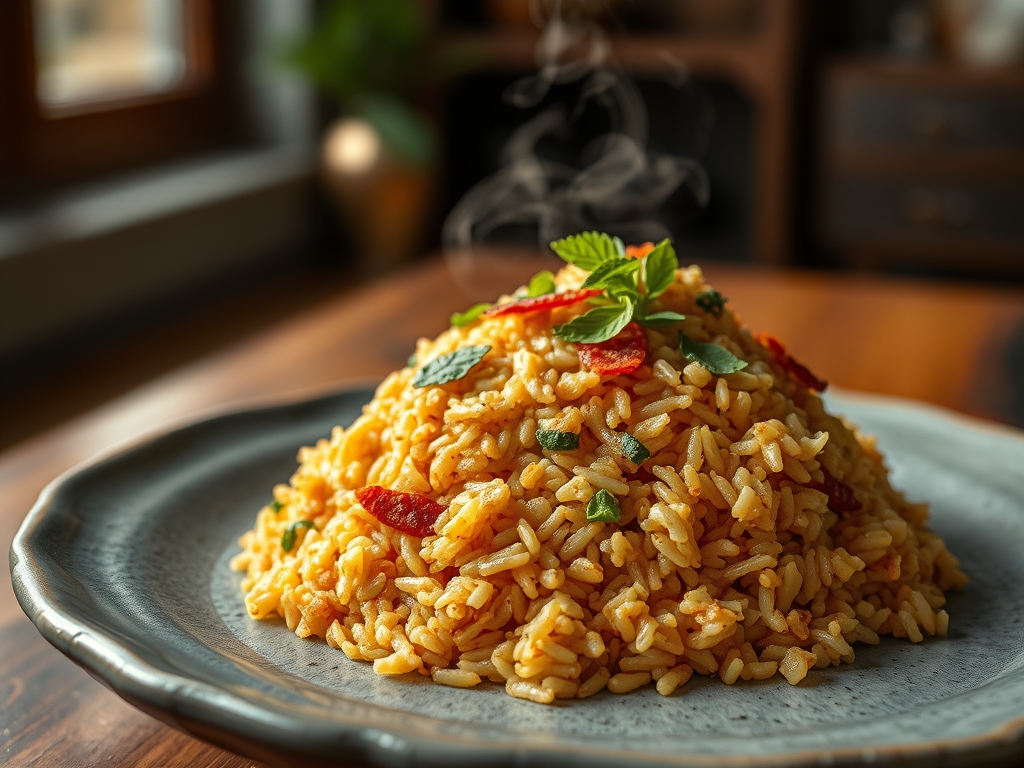
Referencing the Masterclass photo above, notice the distinct separation of grains. If your dish looks like a uniform brown mass, you have over-mixed or over-hydrated the rice. The Spam should have a "shattered" look on the edges, indicating a high-heat sear. If the peas look olive-drab rather than neon green, they have been overcooked; reduce your final tossing time. Dull colors usually indicate a lack of acid or a failure to infuse the oil with aromatics. A final garnish of fresh scallions provides a necessary visual and textural contrast to the heavy, savory components.
THE DEEP DIVE
Macro Nutrition Profile:
A standard serving of Spam Fried Rice provides approximately 450 calories. It is high in sodium (approx. 900mg) and provides 15g of protein and 55g of carbohydrates. The lipid profile is dominated by monounsaturated and saturated fats from the pork and egg yolks.
Dietary Swaps:
- Vegan: Replace Spam with smoked extra-firm tofu and use a "Just Egg" substitute. Use liquid aminos instead of soy sauce.
- Keto: Substitute jasmine rice with riced cauliflower. Ensure the cauliflower is thoroughly squeezed dry in a cheesecloth before frying to prevent a watery mess.
- GF: Ensure your soy sauce is certified gluten-free or use Tamari. Spam is generally gluten-free, but always verify the label for cross-contamination.
Meal Prep & Reheating Science:
To maintain the molecular structure during reheating, avoid the microwave if possible. The microwave agitates water molecules, which can make the rice rubbery. Instead, reheat in a skillet with a teaspoon of water and a lid. The steam will rehydrate the starch without destroying the fried exterior.
THE KITCHEN TABLE
Why is my fried rice always mushy?
You are likely using warm, freshly cooked rice. This moisture creates steam, which softens the starch. Use day-old, refrigerated rice to ensure the grains remain separate and develop a proper fried crust during the high-heat execution.
Can I use brown rice instead?
Yes, but the bran layer on brown rice requires more oil to prevent sticking. It also has a nuttier flavor that may compete with the Spam. Increase your soy sauce slightly to balance the stronger grain profile.
What is the best oil to use?
Avoid olive oil or butter; their smoke points are too low for this application. Use grapeseed, peanut, or canola oil. These fats can withstand the 400-degree temperatures required to achieve the necessary Maillard reaction on the protein.
How do I get that "Wok Hei" flavor at home?
Wok Hei, or "breath of the wok," comes from the combustion of oil droplets in the air. While difficult on electric stoves, you can simulate it by letting the rice sit undisturbed for 30 seconds to slightly char.